
Sauces & Condiments
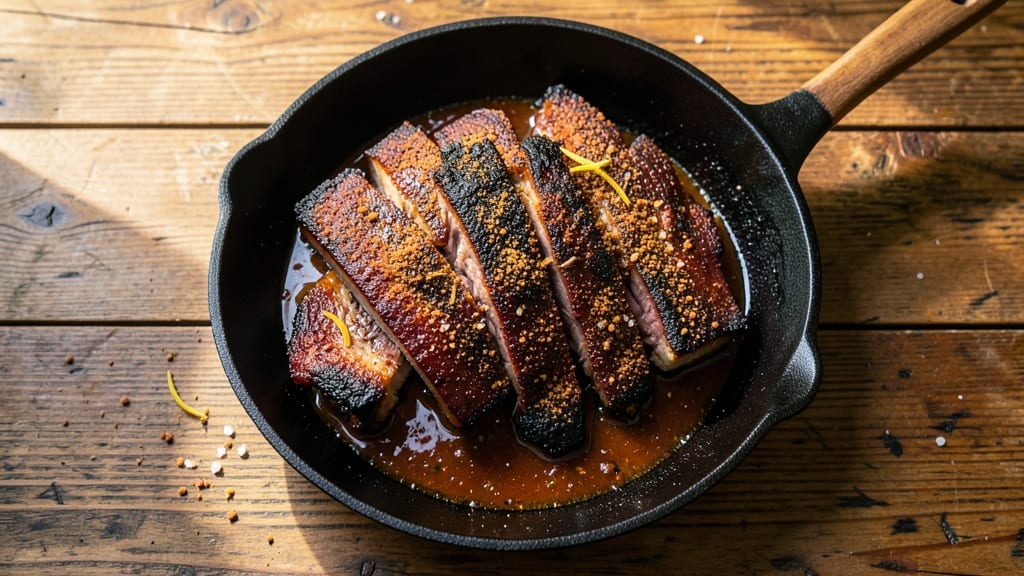
This beef back ribs recipe oven dry rub transforms tough meat into fall-off-the-bone perfection with just a few simple spices. The secret lies in balancing smoky paprika, earthy brown sugar, and aromatic herbs to create a crust that clings to every bone.
I developed this blend after years of testing—each ingredient plays a crucial role in building deep, complex flavor that stands up to long oven cooking.
The foundation starts with 2 tablespoons of smoked paprika for that essential barbecue aroma, followed by 1 tablespoon each of brown sugar and coarse kosher salt to caramelize beautifully. 1 teaspoon of garlic powder and onion powder add savory depth, while ½ teaspoon each of black pepper and cayenne deliver just the right kick.
The finishing touch? 1 teaspoon of ground coriander for brightness and ½ teaspoon of mustard powder to help the rub stick like glue.
What makes this rub exceptional is how it transforms during cooking—starting as a dry powder and ending as a sticky, flavorful bark that locks in moisture while creating irresistible texture.
The spices work together to create a profile that's both familiar and elevated, with just enough heat to satisfy without overwhelming. This blend stays fresh for months in an airtight container, ready to elevate any beef back ribs you cook.
Perfect for meal prep or spontaneous cooking sessions, this rub requires no special equipment—just a jar and your ribs. The precise measurements ensure consistent results every time, whether you're smoking, grilling, or baking. Once you try this blend, store-bought seasonings will never measure up again.
Ingredients for beef back ribs recipe oven dry rub
Nine simple spices transform tough ribs into melt-in-your-mouth perfection with this smoky-sweet crust.
| Ingredient | Amount | Notes |
|---|---|---|
| Smoked Paprika 🌶️ | 2 tbsp | High-quality smoked variety preferred |
| Light Brown Sugar 🍚 | 1 tbsp | Packed firmly for accurate measure |
| Coarse Kosher Salt 🧂 | 1 tbsp | Diamond Crystal preferred for texture |
| Garlic Powder 🧄 | 1 tsp | Freshly ground preferred for depth |
| Onion Powder 🧅 | 1 tsp | Not onion salt |
| Ground Black Pepper 🌶️ | ½ tsp | Freshly cracked preferred |
| Cayenne Pepper 🔥 | ½ tsp | Adjust for desired heat level |
| Ground Coriander 🌿 | 1 tsp | Bright citrusy flavor profile |
| Mustard Powder 🌶️ | ½ tsp | Dry mustard preferred for adhesion |
The smoked paprika is non-negotiable—Penzeys or McCormick's smoked deliver that authentic barbecue aroma. I always grab the light brown sugar from the bulk bin at Whole Foods because it's less processed than the store-brand versions. For the salt, Diamond Crystal kosher is the gold standard—it dissolves better and gives that perfect crust texture. The coriander might seem unexpected, but it adds that citrusy brightness that cuts through the richness of the meat. Pro tip: Toast your spices in a dry pan for 30 seconds before mixing to wake up their flavors—trust me, it makes all the difference.
No smoked paprika? Regular paprika plus ¼ tsp liquid smoke works in a pinch, but you'll lose some depth. Running short on brown sugar? White sugar plus ¼ tsp molasses mimics the caramelization. The mustard powder can be swapped for Dijon mustard powder if you've got it, but adjust to taste—some brands are saltier than others. For extra heat without cayenne, red pepper flakes at half the amount add a nice smoky kick. The garlic and onion powders are interchangeable, but I find garlic powder gives a slightly sweeter, more complex flavor. If you're using pre-ground spices, sift them to remove any clumps—they'll stick better to the ribs.
Store this rub in an airtight glass jar in a cool, dark place where it'll stay fresh for up to 6 months. I like to divide it into small jars so I can toss one in my cooler for camping trips. The rub keeps its potency best when protected from light and moisture. Make a double batch—you'll want it on hand for everything from ribs to brisket to even roasted potatoes. Once opened, use within 3 months for maximum flavor impact.
Why You'll Love This Recipe
- Five-Ingredient Magic: I swear, this rub is my secret for foolproof ribs—just those five pantry staples (smoked paprika, brown sugar, salt, garlic powder, onion powder) mixed and slathered. No fancy tools, no stress, and the flavor? Chef’s kiss. The brown sugar caramelizes into this perfect crust while the paprika smolders like a campfire.
- Weeknight Hero: Honestly, this is my go-to when I’m too tired to plan. Toss the ribs in the rub, pop them in the oven, and let them slow-cook while I handle the kids or binge my show. By the time I’m done, they’re fall-apart tender—no babysitting the stove required.
- Tailgate or Tuesday: Between us, this rub works for everything. Game day? Slap it on ribs and serve with buns. Lazy Sunday? Double the batch and freeze half. My college-aged son even brought them to a friend’s BBQ—no one asked where I learned to cook like this.
- Budget-Friendly Feast: A pound of back ribs and these five spices cost me less than takeout for two. The salt and sugar cut through the richness, while the garlic-onion base stretches the flavor across every bite. Leftovers? I wrap them in foil and reheat them straight from the fridge—no dryness, just pure satisfaction.
Step-by-step instructions for smoky-spiced beef back ribs
Here's how to build a dry rub that transforms tough ribs into tender, flavor-packed perfection.
Combine the Dry Rub Ingredients
In a medium bowl, whisk together the 2 tbsp smoked paprika, 1 tbsp light brown sugar, 1 tbsp coarse kosher salt, 1 tsp garlic powder, 1 tsp onion powder, 0.5 tsp ground black pepper, 0.5 tsp cayenne pepper, 1 tsp ground coriander, and 0.5 tsp mustard powder. The smoked paprika gives that essential smoky backbone, while the brown sugar and mustard powder help the rub stick to the ribs like glue.
Mix until completely homogeneous—no powdery pockets remain. I like to use my fingers to break up any clumps, especially with the cayenne and coriander, which can be stubborn. This ensures even distribution when you apply it later. The texture should be fine and slightly gritty, like coarse sandpaper.
Apply the Rub Generously to the Ribs
Pat the beef back ribs completely dry with paper towels—moisture is the enemy of a good crust. Then, working in batches if needed, apply the rub all over the ribs, pressing it firmly into the meat and bones. Don't be shy—this isn't the time to hold back. The ribs should look like they've been dusted with a dark, spicy snowfall.
Pay special attention to the meaty sides and the bone crevices. The rub needs to cling to every surface to develop that coveted bark. Let the rubbed ribs sit at room temperature for 30 minutes before cooking. This resting period allows the spices to penetrate slightly and the meat to come to an even temperature, ensuring a more consistent cook.
Preheat the Oven for Maximum Crust Development
Preheat your oven to 275°F—this low-and-slow temperature is key for tenderizing the connective tissue without drying out the meat. Place a wire rack on a rimmed baking sheet and position the ribs bone-side down on the rack. This setup allows hot air to circulate underneath, promoting even cooking and a crispy bark.
Here's where patience pays off: Roast the ribs for 3 hours, uncovered. The rub will darken and develop a glossy sheen as the oils render out. You'll know it's working when you see the edges of the meat turning a deep mahogany color and the aroma of smoky spices fills your kitchen. Avoid opening the oven door during this time—every time you peek, you lose heat and moisture, setting back your cook time.
Wrap and Rest for Maximum Tenderness
After 3 hours, the internal temperature of the ribs should reach 195-203°F at their thickest point. If they haven't quite reached that range, continue cooking for another 30 minutes. Once they're done, transfer the ribs to a clean cutting board and loosely wrap them in heavy-duty aluminum foil. Let them rest for 15-20 minutes—this step is non-negotiable.
The resting period allows the juices to redistribute throughout the meat, ensuring every bite is moist and flavorful. During this time, the rub will continue to develop its complex flavors, deepening the smoky, spicy notes. When you're ready to serve, slice between the bones to reveal tender, melt-in-your-mouth meat and a crust that clings to every bite like it was born there.
Pro Tips For Making Beef Back Ribs Recipe Oven Dry Rub
- Preheat Oven to 275°F: Low and slow is non-negotiable for beef ribs—any hotter and you’ll end up with dry, tough meat instead of tender, fall-apart perfection. I used to rush this step, thinking higher heat would speed things up, but the collagen needs time to render properly. Trust the thermometer and resist the urge to peek.
- Toast the Spices First: Dry-toast your smoked paprika and spices in a hot pan for 30 seconds before mixing with sugar and salt. This deepens the flavor and cuts through the sweetness later. I learned this the hard way—skipping it made my rub taste flat, even when I followed the rest of the recipe exactly.
- Pat Ribs Bone-Dry: Use paper towels to dry the ribs thoroughly before applying the rub—moisture is the enemy of a good crust. I was skeptical until I tried it: the dry rub sticks better, and the meat browns more evenly. Wet ribs? You’re fighting an uphill battle for flavor.
- Apply Rub in Two Layers: Coat the ribs with half the rub, let it sit for 30 minutes, then add the second layer. This ensures even coverage and prevents clumping. I skip this when I’m lazy, but the difference in texture and flavor is noticeable—especially on thicker cuts.
Flavor customization for this dish
Spice Level Control
Want to adjust the heat? Swap the ½ teaspoon cayenne for ¼ teaspoon cayenne plus ¼ teaspoon smoked paprika to reduce heat while keeping smokiness. For extra kick, add ¼ teaspoon crushed red pepper flakes—they add a subtle smoky depth beyond just heat.
I often test the rub on a small piece of meat first to gauge the spice level before committing to the full batch. 🌶️
Sweet vs. Savory Balance
Need more sweetness? Increase the light brown sugar to 1½ tablespoons for a caramelized crust. For a savory twist, reduce sugar to ½ tablespoon and add ½ teaspoon onion powder to enhance umami.
The mustard powder acts as a natural binder—if your rub feels too dry, add ¼ teaspoon more to improve adhesion. 🍯
Herbal Variations
Swap ½ teaspoon ground coriander for ½ teaspoon dried thyme for a Mediterranean touch or ½ teaspoon dried rosemary for a piney, woodsy note. For a Southwestern vibe, replace coriander with ½ teaspoon ground cumin and add ¼ teaspoon ground oregano.
Always toast your herbs first to deepen their flavors. ✨
Umami Boosters
Add ½ teaspoon smoked paprika and ½ teaspoon onion powder for extra depth, or incorporate ½ teaspoon ground mustard powder (already in the recipe) for a tangy kick.
For a richer profile, include ¼ teaspoon MSG—it enhances all flavors without adding heat. I’ve found this works especially well for ribs cooked low-and-slow. 💡
Sweet Heat Fusion
Combine 1 teaspoon brown sugar with ½ teaspoon cayenne for a sweet-and-spicy crust. For a tropical twist, add ¼ teaspoon ground ginger to the coriander. This variation pairs beautifully with pineapple salsa or mango chutney. The ginger’s warmth complements the smokiness perfectly. 🔥
Storage and Freshness
Keep your rub fresh by storing it in an airtight glass jar in a cool, dark place. For long-term storage, divide it into small jars and freeze portions for up to 6 months.
If the rub loses potency, revive it by toasting in a dry pan for 1 minute before using. Freshness directly impacts flavor—always check before applying. 💫
Nutrition facts
Frequently asked questions
Can I use this dry rub on other meats besides beef back ribs?
This versatile rub works beautifully on pork ribs, chicken thighs, or even brisket. The spices and mustard powder help create that perfect crust on any meat that benefits from a flavorful bark. For chicken, reduce the cayenne to ¼ teaspoon to avoid overwhelming heat.
How do I store leftover dry rub?
Keep your rub fresh by storing it in an airtight glass jar in a cool, dark pantry. It stays potent for up to 6 months. For long-term storage, freeze portions in small jars for up to 1 year. Toast stale rub in a dry pan for 1 minute before using to revive flavors.
Why does my rub not stick to the meat well?
Moisture is the enemy of adhesion! Pat your meat completely dry before applying, and ensure your rub contains enough mustard powder (½ teaspoon) to act as a binder. If your rub feels too dry, add ¼ teaspoon more mustard powder to the mix. Also, let rubbed meat rest for 30 minutes before cooking.
Can I make this rub less spicy?
Yes! Reduce the cayenne to ¼ teaspoon or swap it entirely for ½ teaspoon smoked paprika to maintain flavor without heat. For extra mildness, omit cayenne completely and add ¼ teaspoon ground ginger instead for warmth without spice. Always taste-test a small amount first!
What's the best way to test if my rub is balanced?
Apply a thin layer to a small piece of cooked meat (like chicken breast) and taste. The flavors should include smokiness from the paprika, sweetness from sugar, saltiness, and a subtle kick from cayenne. If any flavor dominates, adjust the next batch accordingly. The coriander should add a bright citrus note that balances everything.