
Main Courses
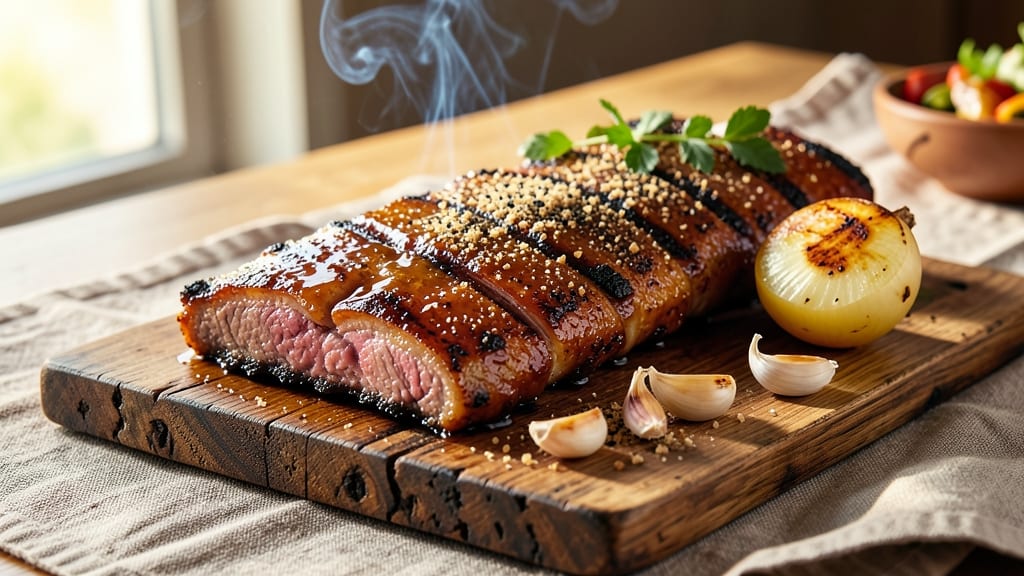
This barbecue beef ribs recipe transforms tough cuts into melt-in-your-mouth perfection with just your grill and a little patience. 🔥 The secret lies in low-and-slow cooking that develops deep smoky flavor while breaking down collagen into tender, fall-apart meat.
I've been perfecting this technique since my first summer working at my uncle's BBQ shack in Cincinnati, where he'd say "good ribs aren't rushed, they're savored." What makes these ribs truly special is the crispy bark that forms on the outside while the meat stays tender inside.
We'll use a simple dry rub of brown sugar, paprika, and spices that caramelizes beautifully on the grill, creating that coveted contrast of textures and flavors. The key is maintaining consistent temperature—around 225°F—throughout the cooking process, which takes about 3 hours for baby back ribs.
By the time you're done, you'll have ribs so tender they practically fall off the bone with just a gentle pull, all wrapped in that irresistible smoky-sweet bark. The aroma alone will have everyone gathering around your grill, and each bite delivers perfect balance of sweet, smoky, and savory flavors.
This is the kind of meal that turns simple weeknights into memorable gatherings. Serve with classic BBQ sides like coleslaw, cornbread, and baked beans to complete the experience.
The beauty of this recipe is its versatility—whether you're hosting a backyard cookout or feeding your family on a lazy Sunday, these ribs deliver restaurant-quality results at home.
Ingredients for barbecue beef ribs recipe grill
Four pounds of ribs, a handful of spices, and your grill—this is all you need for ribs that’ll have everyone begging for seconds.
| Ingredient | Amount | Notes |
|---|---|---|
| Baby Back Ribs 🍖 | 4 lb | Bone-in, meaty ends included |
| Yellow Onion 🧅 | 1 whole | Large, cut into chunks |
| Garlic Cloves 🧄 | 6 cloves | Fresh, peeled and smashed |
| Light Brown Sugar 🍚 | ½ cup | Packed, for sweet bark |
| Smoked Paprika 🌶️ | 2 tbsp | For deep smoky flavor |
| Ground Black Pepper 🌶️ | 1 tbsp | Freshly cracked for bite |
| Kosher Salt 🧂 | 1 ½ tbsp | Diamond Crystal preferred |
| Dried Mustard 🌿 | 1 tbsp | Adds tangy depth |
| Apple Cider Vinegar 🍎 | 2 tbsp | For tenderizing soak |
| Wood Chips 🌳 | 2 cups | Hickory or cherry preferred |
| Unsalted Butter 🧈 | 4 tbsp | Melted for basting |
| Apple Juice 🍏 | ½ cup | For moisture during cooking |
The ribs are everything here. Baby backs are the easiest for beginners—they cook faster and have less fat than spare ribs. Grab them from the butcher counter if possible (they’ll trim the membrane for you), or the meat section if you’re in a hurry. Look for good marbling—those little white streaks mean juicier meat. I always buy mine from Costco when I’m feeding a crowd, but any grocery store’s meat department works for a family-sized batch. Pro tip: Pat them dry with paper towels before applying the rub—it helps the bark stick better.
No smoked paprika? Regular paprika plus a dash of liquid smoke works in a pinch. Short on apple cider vinegar? Lemon juice or even white vinegar will tenderize just as well. The mustard adds a nice tang—skip it if you’re not a fan, but I’ve never found a good substitute. For the wood chips, hickory is classic, but cherry adds a fruity note that pairs beautifully with the sweetness. If you’re using a gas grill, soak the chips in water for 30 minutes first—they’ll smoke better. And trust me on the butter basting—it’s worth the extra minute to melt it first so it spreads easily.
These ribs reheat beautifully—just wrap them in foil with a splash of apple juice and hit 350°F for 10 minutes. Store leftovers in the fridge for 3-4 days, or freeze for up to 3 months by wrapping tightly in plastic. I like to portion them into individual foil packets before freezing—thaw and grill straight from frozen. The bark gets crispier the next day, so don’t skip the leftovers. And save that leftover apple juice—it’s perfect for brining chicken or making quick pan sauces.
Why You'll Love This Recipe
- Fewer Ingredients, Big Payoff: I swear by this recipe because it’s that good—and it only takes five core ingredients. No fancy sauces or secret blends; just ribs, onions, garlic, brown sugar, and smoked paprika. That smoky-sweet balance? It’s foolproof every time, even when I’m too tired to measure precisely.
- Smoky-Sweet Magic: The garlic and onions caramelize right on the grill, while the brown sugar and smoked paprika create this irresistible crust. It’s not just "good"—it’s the kind of flavor that makes people linger over their plates, asking for seconds before dessert even comes out.
- Tailgate to Tuesday: Between us, these ribs work for everything. Pack them for a backyard BBQ or a lazy Sunday lunch, and they’re just as welcome on a weeknight when I’m craving something hearty. The leftovers? Even better the next day, wrapped in foil and reheated until crispy again.
- Budget-Friendly Feast: A whole pack of baby back ribs feeds a crowd without breaking the bank, and the ingredients won’t shock your wallet. Honestly, I’ve made this for game day, potlucks, and even a "fancy" dinner when I wanted to impress—no one ever guessed how simple the recipe really was.
Step-by-step instructions for smoky grilled beef ribs
Here's the foolproof method to transform tough ribs into melt-in-your-mouth perfection.
🔥 Step 1: Prep the Ribs with a Tenderizing Soak
In a large bowl, combine the 2 tablespoons apple cider vinegar and 0.5 cup apple juice. Add the 4 lb baby back ribs and turn to coat completely. Let them soak for 30-60 minutes at room temperature. This acidic marinade helps break down tough fibers and adds subtle sweetness that pairs perfectly with the smoky flavors.
While the ribs soak, prepare the dry rub by mixing together the 0.5 cup packed light brown sugar, 2 tablespoons smoked paprika, 1.5 tablespoons kosher salt, 1 tablespoon ground black pepper, and 1 tablespoon dried mustard in a small bowl. I like to use my hands to rub this mixture into the ribs after soaking - it helps the spices adhere better and creates that perfect crust.
🍳 Step 2: Build Flavor with Aromatics and Butter
Heat your grill to 250°F for indirect cooking. Place the 1 whole yellow onion and 6 smashed garlic cloves directly over the heat source for 10-15 minutes until they're nicely charred. This adds incredible depth of flavor to the ribs. Meanwhile, melt the 4 tablespoons unsalted butter in a small saucepan over low heat until just melted - we'll use this later for basting.
Here's the thing - don't skip the charring step. Those caramelized onions and garlic become the flavor foundation for your ribs. I like to remove them from the grill when they're deeply browned but still intact - they'll cook further when we add them back later. Keep them warm in a bowl while you prepare the ribs.
🔥 Step 3: Smoke the Ribs Low and Slow
Pat the ribs completely dry with paper towels - this is crucial for developing that perfect bark. Place them on the cooler side of the grill, away from direct heat. Add the 2 cups wood chips to your smoker box or chip tray and let them smoke for 15 minutes before adding the ribs. This ensures good smoke production right from the start.
Cook the ribs for 2.5-3 hours with the lid closed, maintaining a temperature between 225-250°F. Here's what to watch for: the ribs will hit "the stall" around 170°F internal temperature - this is when the moisture evaporates and the temperature stops rising. Don't panic; this is normal and expected. I recommend using a meat probe to check doneness rather than relying solely on the thermometer.
🥘 Step 4: Wrap and Finish for Maximum Tenderness
Once the ribs reach 170°F internally, it's time to wrap them. Place the ribs in a large piece of heavy-duty aluminum foil with the charred onions and garlic on top. Pour the melted butter over the ribs, then fold the foil tightly to seal. This "Texas crutch" technique helps the ribs cook through while maintaining that beautiful bark.
Return the wrapped ribs to the grill and cook for another 1-1.5 hours until they reach 203°F internally and are fork-tender. The ribs should pull apart easily at the bones with just a gentle tug. If they're not quite there yet, don't rush it - patience is key to achieving that fall-off-the-bone tenderness we're after.
⏰ Step 5: Rest and Serve with Smoky Sauce
Remove the ribs from the grill and let them rest for 15-20 minutes before serving. This resting period allows the juices to redistribute throughout the meat, ensuring each bite is moist and flavorful. While they rest, you can make a quick sauce by mixing the pan juices with a little apple juice if needed to loosen them.
Slice the ribs between the bones and serve with the smoky onion-garlic mixture spooned on top. The combination of sweet, smoky, and tangy flavors creates a perfect balance that's sure to impress. Each bite should deliver that incredible tenderness we worked so hard to achieve, with a perfect crust that's crispy on the outside and tender on the inside.
Pro Tips For Making Barbecue Beef Ribs Recipe Grill
- Trim the Membrane: Baby back ribs come with that thin, tough membrane under the bone—peel it off first or you’ll spend 30 minutes sawing through it later. Use a butter knife or your fingers to pry it loose from the bone, then grab it with a paper towel and rip it off in one clean motion. (Yes, it’s gross, but your ribs will thank you.)
- Char the Onions First: Slice the yellow onion into thick wedges and toss them in the dry rub with the ribs. Grill them alongside the meat until deeply charred—they’ll add smoky depth to the sauce later. I used to skip this, but now I swear by it for that campfire flavor.
- Skip the Crowding: Piling ribs too close on the grill steams them instead of searing. Leave at least an inch of space between racks, even if it means doing two batches. You want a crust, not a soggy mess—high heat and airflow are your friends here.
- Baste with the Sugar: After the first hour, brush the ribs with a mix of melted butter and light brown sugar (about 2 tablespoons each). The sugar caramelizes fast, so do it when the grill is hot and the ribs are already charred. This isn’t just sweetness—it’s the sticky, glossy finish that makes ribs irresistible.
Wine and beer pairings for this recipe
Red Wine Classics
For these smoky-sweet ribs, I always reach for a bold red wine that can stand up to the rich, caramelized flavors. A Cabernet Sauvignon from Napa Valley—like the Caymus Vineyards—is my go-to because its dark fruit notes and firm tannins complement the bark beautifully.
The wine's acidity cuts through the fat, while its oak undertones echo the smoky depth of the ribs. 🍷
If you prefer something lighter, try a Zinfandel from California—like the Ravenswood Old Vine. Its jammy berry flavors and spice notes pair perfectly with the ribs' sweetness, while its moderate tannins won’t overpower the dish.
Both wines are widely available at New Seasons Market here in Portland, so you can grab a bottle without detouring too far.
Crisp White Options
Don’t underestimate the power of a crisp white wine to refresh your palate between bites. A dry Riesling from Germany—like the Dr. Loosen Blue Slate—brings bright acidity and citrus notes that cleanse the palate after each rich bite.
The wine’s slight sweetness also balances the ribs' smokiness without clashing. I love this pairing because it feels unexpected yet harmonious.
For something even lighter, a Sauvignon Blanc from New Zealand—like the Oyster Bay—works wonders. Its herbal and tropical fruit notes contrast beautifully with the ribs' caramelized exterior, making each bite feel fresh and vibrant.
Both wines are easy to find at local grocery stores or even your neighborhood wine shop.
Beer Pairings
If you’re serving ribs at a casual backyard gathering, a smoked porter or stout is an excellent choice. The Deschutes Brewery's The Abyss (a smoked porter) has deep, toasty notes that mirror the ribs' smoky bark, while its roasted malt flavors echo the caramelization.
It’s a match made in BBQ heaven, and it’s a local favorite here in Oregon. 🍺
For something lighter, try a wheat beer with a citrusy twist, like the Allagash White. Its effervescence cuts through the richness of the ribs, while its subtle spice notes complement the dish without overpowering it. It’s a great option if you want to keep things refreshing and balanced.
Non-Alcoholic Options
Don’t worry if alcohol isn’t your thing—there are still fantastic pairings. A smoky blackberry iced tea made with Lipton black tea and a splash of apple juice (just like the one we used for the ribs!) adds a fruity, tangy contrast.
I like to serve it over ice with a few fresh blackberries on top for garnish.
For something even simpler, try a sparkling apple cider like the Martinelli’s Sparkling Apple Cider. The bubbles and sweet-tart flavor cleanse the palate beautifully, making each bite of ribs feel fresh and exciting. It’s a crowd-pleaser that’s easy to find at any grocery store.
Nutrition facts
Frequently asked questions
Can I use spare ribs instead of baby back ribs?
Yes, but you'll need to adjust the cooking time! Spare ribs have more fat and connective tissue, so they typically require 4-5 hours total (including the wrap) to reach that perfect tenderness. The bark will be thicker and meatier, which many BBQ lovers prefer. Just watch for the 203°F internal temp—spare ribs take longer to break down.
What's the best way to tell when ribs are done?
Use the meat probe method for accuracy: insert a probe into the thickest part of the ribs (between bones). They're done at 203°F internal temp, but the real test is the pull-apart method. If they separate easily with just a fork or gentle pull, they're ready. The bark should be deep brown and crispy while the meat underneath is fork-tender.
Why did my ribs turn out dry?
This usually happens from one of three things: overcooking (past 203°F), not wrapping (losing moisture), or skipping the rest (juices redistribute during resting). Always wrap at 170°F and let them rest 15-20 minutes before slicing. Pro tip: The Texas crutch (foil wrap) is your friend—it traps steam for juicy results.
Can I grill these ribs on a gas grill instead of charcoal?
Gas grills work great—just set up for indirect heat by turning one burner to high and leaving the others off. For smoke, soak wood chips in water for 30 minutes before adding them to your smoker box. Maintain 225-250°F by adjusting the heat as needed. The key is consistency—gas grills heat up faster, so monitor temps closely.
How do I store leftover ribs?
Wrap ribs tightly in plastic wrap or foil, then store in an airtight container in the fridge for 3-4 days. For longer storage, freeze them in portions—wrap each serving individually. Reheat by wrapping in foil with a splash of apple juice and baking at 350°F for 10 minutes. The bark gets even better the next day, so don't skip leftovers!