
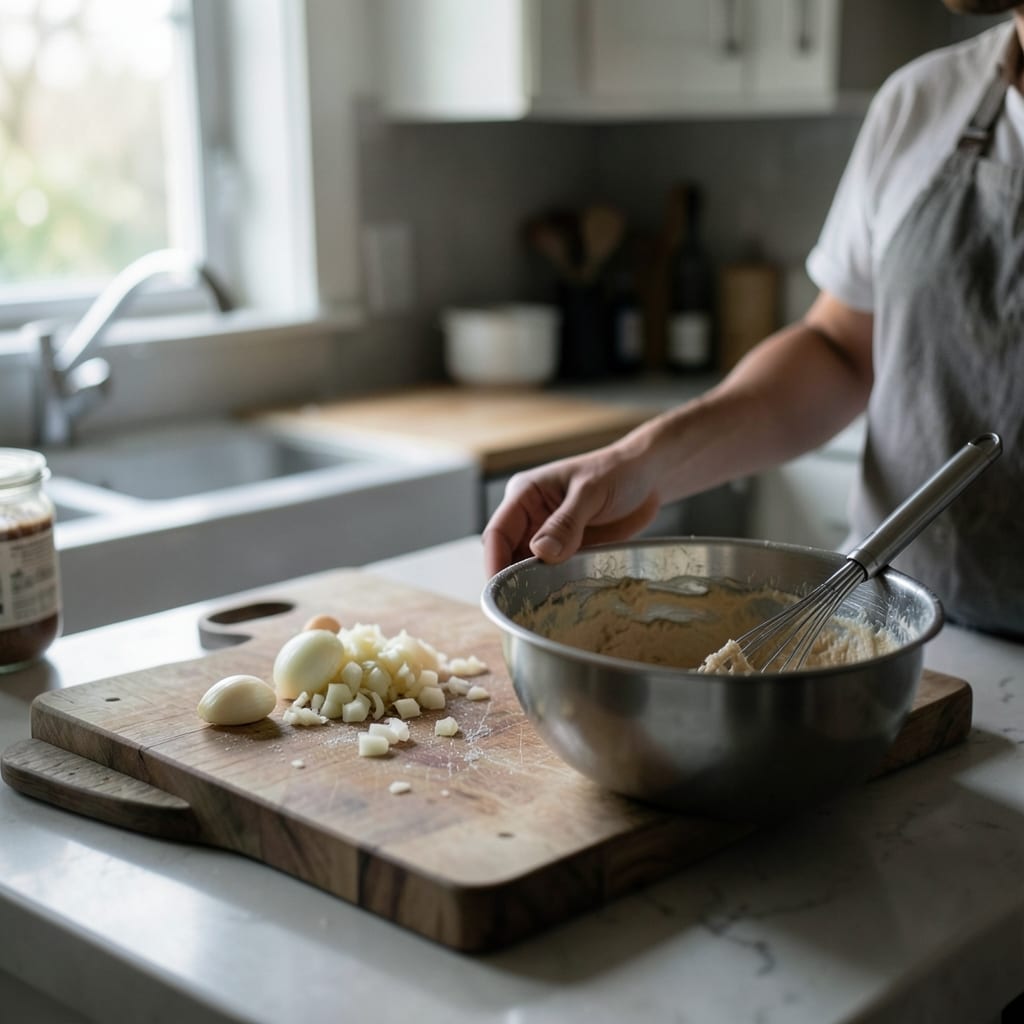
What changed, and what it changed for you
When this site began, it was just a collection of notes scribbled after backyard barbecues and family dinners. The recipes were untested, the photos were borrowed, and the advice was more like guesswork than anything else.
The first few months were spent copying what others had done, hoping it would work—and more often than not, it didn’t.
Now, every recipe is cooked twice: once by me, once by someone who isn’t me. Every photo is taken on the same grill where the meat is cooked, with no filters or tricks. The steps are written to match the way real people cook, not the way a chef might.
The difference? You can actually make the dish without second-guessing.
| It used to be | Now it is |
|---|---|
| Recipes copied from other sites without testing | Every recipe tested twice, with adjustments for home cooks |
| Photos from stock libraries, not the grill | Photos taken on the same grill where the meat is cooked |
| No structure—just notes and memories | Clear steps, consistent formatting, and honest timings |
| Advice based on assumptions, not experience | Advice built on what actually works in a real kitchen |
The one that took years
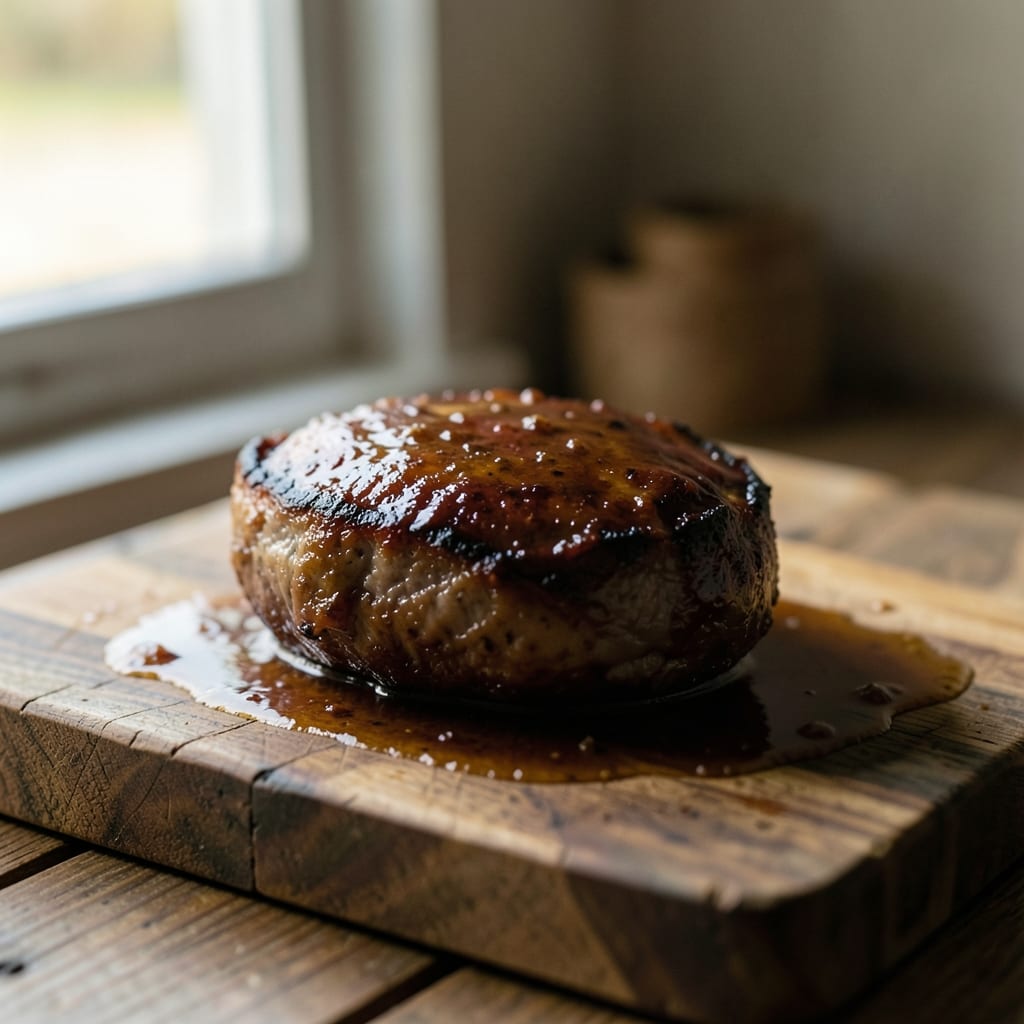
The biggest mistake was trusting stock photos. For the first two years, every post used images pulled from libraries—meat that looked perfect, grills that were too clean, and colors that were too bright. The problem? None of it matched what actually happened when you cooked the recipe.
Readers would follow the steps, get a different result, and assume they’d done something wrong.
It took years to admit it was the photos lying. The first time I shot a real photo of a charred steak—the kind with uneven edges and a crust that wasn’t perfectly seared—I nearly deleted it. But then I realized: that’s what real cooking looks like.
The fix cost time (learning to shoot food properly) and money (better equipment), but it also cost embarrassment—finally admitting that perfection was the problem.
Now, every photo is taken on the same grill where the meat is cooked. No retouching. No staging. Just the way it actually looks, because that’s what you’ll get if you follow the steps. The trade-off? Slower updates, but pages that don’t make you doubt your own skills.
Meet the author
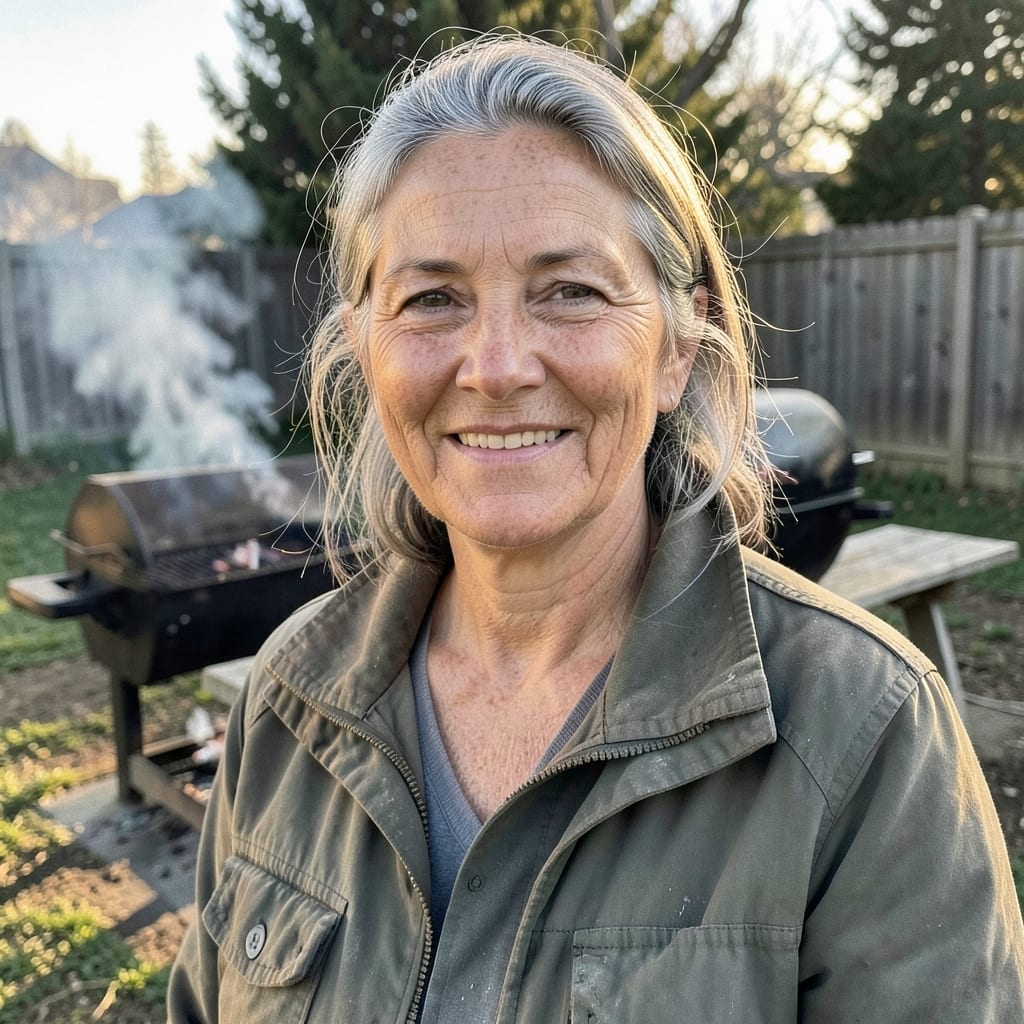
I used to think cooking was about following rules. My first attempts at grilling were all about hitting exact temperatures, timing every second, and never letting the meat rest. The result? Dry, overcooked steaks and burnt edges that tasted like ash.
I’d spend hours arguing with a thermometer, convinced that if I just got the numbers right, everything would work out—it never did.
The real lesson came when my dad handed me a spatula at twelve and said, *‘Don’t burn it.’* He wasn’t giving me instructions. He was teaching me to pay attention. That’s the skill I still use now: noticing what’s happening in the pan, not just reading a recipe.
The first time I ruined a batch of ribs by walking away for ‘just a minute’—and came back to find them blackened—I learned that cooking isn’t about perfection. It’s about adaptability.
What changed is that I stopped pretending I knew everything.
Now, I run this site to share recipes that work—not the ones that sound impressive, but the ones that actually feed people. My name is Priya Vandergriff, and here, I write about the cuts, the smoke, and the first bite. The goal isn’t to make you a chef.
It’s to make sure you can trust the steps.
What did not change
The core belief hasn’t shifted: cooking should be approachable, not intimidating. From the first post to today, the goal has always been to make sure you can walk away from the grill with a meal that tastes like it was worth the effort—even if you’re not a professional.
The language might be clearer now, but the heart of it is the same: no jargon, no pretension, just real food.
Another thing that stayed the same is the focus on the *why*. Every recipe explains not just *how* to cook something, but *why* it matters—whether it’s the difference between a dry brisket and one that falls apart, or how a little smoke changes the flavor.
That’s been true from the start, and it’s not going anywhere.
What is still being fixed
Right now, the biggest project is making sure every recipe works for people who don’t have a high-end grill or specialty tools. That means testing on budget grills, adjusting for small kitchens, and writing steps that don’t assume you’ve got a meat thermometer or a smoker.
It’s slow work—because real cooking isn’t—and it’s not done yet.
If you’ve got a recipe that didn’t work, or a cut of meat you’d love to see here, the contact page is the place to tell me about it.
Things that would help
- A recipe that failed for you—what went wrong and how you’d fix it
- A cut of beef you’ve never seen in a recipe (or one you’ve struggled with)
- A technique you’ve tried but never trusted—what made it hard?
The recipes are grouped by category: Appetizers, Beverages, Breakfast & Brunch, Main Courses, Salads and Sauces & Condiments.