
Main Courses
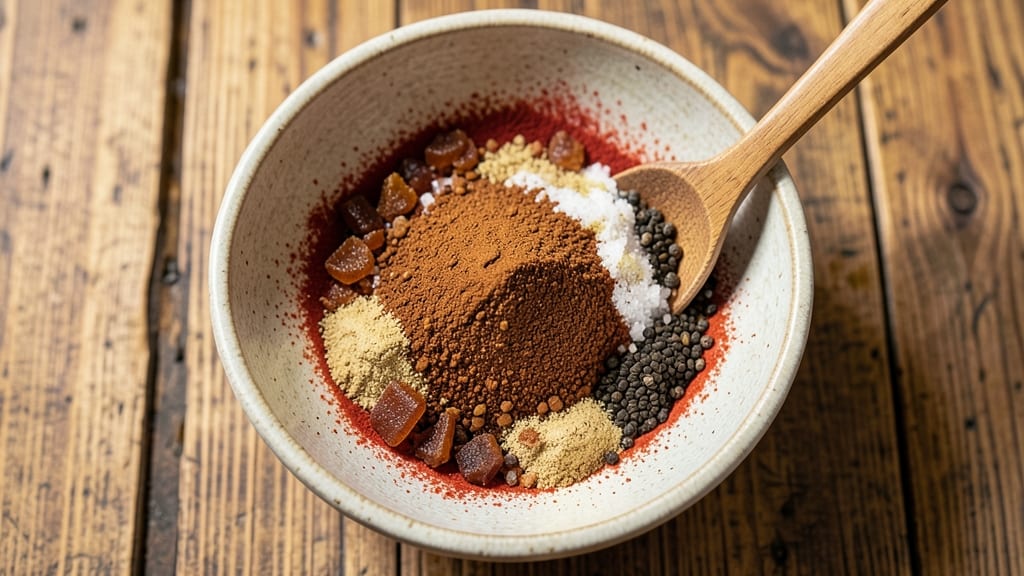
This beef back ribs dry rub recipe transforms tough cuts into fall-off-the-bone tenderness with a perfect balance of smoky, spicy, and sweet flavors. The secret lies in a carefully crafted blend of coarse kosher salt, black pepper, and spices that penetrate the meat deeply during the cooking process.
I developed this recipe after years of experimenting with different rubs, and it consistently delivers restaurant-quality results at home.
The blend features a bold mix of paprika, brown sugar, and garlic powder to create a caramelized crust while keeping the meat moist. Unlike store-bought rubs that often contain fillers, this version uses only high-quality spices and a touch of cayenne for subtle heat.
The coarse texture ensures maximum surface area for flavor absorption, which is critical for achieving that perfect bark on the ribs.
What sets this dry rub apart is its ability to create a deep, complex flavor profile without overwhelming the natural taste of the beef. The combination of spices works together to enhance the meat's richness while adding layers of smokiness and warmth.
When applied generously and cooked low and slow, the rub transforms even the toughest cuts into tender, flavorful masterpieces.
Perfect for smokers, grills, or ovens, this dry rub is designed to be versatile while delivering consistent results. Apply 2–3 tablespoons per pound of ribs before cooking, and let the spices work their magic during the slow cook.
The result is ribs that are not only tender but also packed with flavor in every bite, making it a must-have for any BBQ enthusiast.
Ingredients for beef back ribs dry rub
Nine simple spices transform tough ribs into restaurant-quality masterpieces—just mix and apply generously.
| Ingredient | Amount | Notes |
|---|---|---|
| Coarse Kosher Salt 🧂 | 4 tbsp | Diamond Crystal preferred for texture |
| Smoked Paprika 🌶️ | 2 tbsp | High-quality for smoky depth |
| Brown Sugar 🍚 | 2 tbsp | Light or dark works equally |
| Garlic Powder 🧄 | 1 tbsp | Freshly ground preferred |
| Ground Black Pepper 🌶️ | 1 tbsp | Freshly cracked for best flavor |
| Onion Powder 🧅 | 1 tbsp | Fine grind for even distribution |
| Cayenne Pepper 🔥 | ½ tbsp | Adjust for desired heat level |
| Ground Cumin 🌿 | ½ tbsp | Toasted for deeper aroma |
| Mustard Powder 🍯 | ½ tbsp | Adds subtle tanginess |
The kosher salt is non-negotiable here—Diamond Crystal is my go-to because its coarse texture clings perfectly to the ribs. Penzeys Spices or the bulk bins at Whole Foods are great for high-quality smoked paprika and cayenne. Brown sugar adds that caramelized crust without overpowering the meat's natural flavor. Pro tip: Toast your spices in a dry pan for 30 seconds before mixing—they'll release even deeper flavors during cooking. For the garlic powder, McCormick is consistently reliable, but any fresh-ground variety works.
No smoked paprika? Regular paprika plus a pinch of liquid smoke gets you close. Short on cayenne? Red pepper flakes at half the amount work in a pinch. The mustard powder can be swapped for Dijon mustard powder if you're feeling fancy. For a sweeter rub, boost the brown sugar to 3 tablespoons—just don't skip the salt, or your ribs will taste flat. If you're using this for pork ribs, reduce the cayenne to 0.25 tbsp unless you love heat. Store-bought rubs? They can't compete with this blend—it's all about that coarse texture for maximum flavor penetration.
This rub stays potent for 6 months in an airtight container—glass jars are best. Keep it in a cool, dark place away from moisture. For extra longevity, add a silica gel packet to the container. I always make a double batch—one for immediate use, one to stash in the pantry. The spices in this blend actually improve with age, so don't be afraid to stock up. When ready to use, apply 2-3 tablespoons per pound of ribs and let it sit for at least 30 minutes before cooking for maximum flavor impact.
Why You'll Love This Recipe
- Here’s what sold me: the ribs stay tender for days, and the flavor only gets better as the rub sets in. I’ll wrap them up and reheat slices in a pan the next day—crispy again, no sad dry meat. Plus, the rub costs pennies, so you can make a whole batch without breaking the bank.
- Five-Ingredient Magic: I swear by this combo—just salt, paprika, sugar, garlic powder, and pepper. No fancy spice blends, no guesswork. Honestly, the smoked paprika alone gives it that deep, smoky char that makes it taste like it came from a smoker, even if you’re baking it.
- Crispy-Creamy Payoff: That brown sugar caramelizes into a sticky, sweet crust while the garlic powder keeps the meat tender inside. Between us, the first bite—where the crust cracks and the juices hit your tongue—is the reason I keep making this.
- Tailgate to Tuesday: I’ve used these ribs for everything: a backyard cookout with beers in hand, a lazy Sunday lunch, and yes, even on a Tuesday night when I just wanted something that felt special. The rub works for any cooking method—grill, oven, or slow cooker—so it’s always up for the job.
Step-by-step instructions for crafting the perfect beef back ribs dry rub
This bold spice blend transforms tough ribs into melt-in-your-mouth masterpieces.
Combine the Base Dry Ingredients
In a medium bowl, whisk together the 4 tablespoons coarse kosher salt and 2 tablespoons smoked paprika until fully blended. The salt acts as both a preservative and flavor enhancer, while the smoked paprika provides that essential smoky backbone that makes ribs sing. I always use Diamond Crystal salt here—the larger crystals dissolve more slowly, creating a better crust on the meat.
Next, add the 2 tablespoons brown sugar and mix thoroughly. This isn't just for sweetness—it helps create that beautiful caramelized bark during cooking. Light or dark brown sugar both work, but I prefer light for a more balanced flavor profile that won't overpower the other spices.
Add the Warm Spices and Aromatics
To the bowl, add the 1 tablespoon garlic powder, 1 tablespoon ground black pepper, 1 tablespoon onion powder, 0.5 tablespoon ground cumin, and 0.5 tablespoon mustard powder. Mix well to ensure even distribution of these flavor-packed ingredients. The garlic and onion powders provide depth, while the cumin and mustard powder add complexity that elevates this from basic to extraordinary.
Here's the thing—don't skip the mustard powder. It might seem unusual, but that subtle tang cuts through the richness of the beef and balances the sweetness of the brown sugar. Freshly ground spices make all the difference, so if you have whole spices, grind them just before mixing.
Incorporate the Heat with Precision
Add the final ingredient: 0.5 tablespoon cayenne pepper. This is where you can adjust to your preferred heat level. For a mild rub, you might reduce this to 0.25 tablespoon, while heat lovers can increase to 0.75 tablespoon. Mix thoroughly until the cayenne is completely distributed throughout the blend—you should see no visible specks remaining.
The cayenne isn't just for heat; it also helps develop that beautiful red bark on the ribs during cooking. But be careful—too much can overpower the other flavors. I like to taste the blend at this stage to ensure the balance is right before moving forward.
Test and Adjust the Rub
Transfer the dry rub to a small plate and taste a pinch. You should detect all the components: the saltiness, smokiness, sweetness, and just a hint of heat. If any flavor seems too weak or too strong, adjust by adding small amounts of the specific ingredient. Remember, you can always add more, but you can't take it away once it's on the meat.
Once satisfied with the flavor profile, transfer the rub to an airtight container. Store it in a cool, dark place for up to 3 months, though I find it's best used within a month for maximum freshness. This rub isn't just for ribs—it works beautifully on chicken, pork, or even roasted vegetables!
Pro Tips For Making Beef Back Ribs Dry Rub
- CRANK THE HEAT FIRST: Start your ribs on the hottest part of the grill or smoker—at least 250°F (120°C) for the first hour. I learned this the hard way after staring at ribs that wouldn’t brown because I was too patient. High heat sears the rub and kicks off the Maillard reaction, which is what makes that crust actually stick.
- GRIND YOUR OWN SALT: Skip the pre-ground kosher salt—buy a block and crush it yourself with a mortar and pestle or the side of a knife. Pre-ground salt clumps and won’t cling to the ribs like freshly crushed flakes. It also dissolves faster during cooking, so you get that salty penetration without overpowering the surface.
- DON’T SKIP THE BONE DRY: Pat those ribs thoroughly with paper towels before applying the rub. I used to rush this, and my sugar would turn to gunk instead of caramel. Wet ribs mean sticky rub, which means uneven cooking and a sad, gloppy crust. Take the extra 30 seconds—your future self will notice the difference.
- USE LESS SUGAR: Brown sugar burns faster than you think, especially when you’re staring into the smoker. Cut it by 20% (so 1/4 cup instead of 1/3) and add a pinch of cornstarch to the rub—it’ll help stabilize the sugar and keep it from turning to ash. Trust me, you don’t want ribs that taste like a campfire.
Flavor customization for this dish
Sweet Heat Balance
Adjust the brown sugar and cayenne ratio to control sweetness and heat. For a sweeter profile, increase brown sugar to 3 tablespoons while keeping cayenne at 0.25 tablespoon.
If you prefer more heat, swap cayenne for 1 teaspoon crushed red pepper flakes—they add texture and a different kind of fire. I've tested both versions, and the crushed pepper creates a beautiful crust while delivering consistent heat. 🌶️
Smoky Depth Variations
Swap smoked paprika for chipotle powder (½ tablespoon) to intensify smokiness with a subtle earthy heat. For a milder smoke flavor, reduce smoked paprika to 1 tablespoon and add ½ teaspoon liquid smoke—just enough to enhance without overpowering.
I recommend Penzeys Chipotle Powder for authentic flavor. The key is balance—too much liquid smoke can make the rub taste artificial.
Herb Infusions
Add ½ teaspoon dried thyme or ½ teaspoon dried rosemary for a Mediterranean twist that pairs surprisingly well with beef ribs. The herbs add an aromatic depth that complements the smokiness. For a more robust flavor, toast the herbs in a dry pan for 30 seconds before mixing them in.
I've found that fresh rosemary (finely chopped) works even better—just use 1 teaspoon since it's more potent.
Global Flavors
Transform this rub into a Moroccan-inspired blend by adding ½ teaspoon ground coriander and ¼ teaspoon ground cinnamon. For a Caribbean kick
, mix in ½ teaspoon allspice and ¼ teaspoon nutmeg. These variations add unexpected complexity while keeping the rib's signature smoky-sweet foundation. The cinnamon and allspice work particularly well with beef—just be cautious with amounts to avoid overpowering the meat.Spice Toasting Tip
Toast your spices in a dry skillet over medium heat for 30 seconds
to release their essential oils and deepen their flavor. This simple step makes a noticeable difference in the final taste. I always toast the cumin, mustard powder, and onion powder together—they complement each other beautifully when toasted. Just be careful not to burn them, or they'll turn bitter. Let them cool completely before mixing into your rub. ✨Nutrition facts
Frequently asked questions
How much dry rub should I use for a full rack of beef back ribs?
Apply 2–3 tablespoons per pound of ribs. For a standard 3-4 pound rack, use about 6–9 tablespoons total. Pat the ribs dry first to help the rub adhere better.
Can I make this dry rub without smoked paprika?
Yes! Swap the 2 tablespoons smoked paprika for 1 tablespoon regular paprika plus ½ teaspoon liquid smoke. For a stronger smoky flavor, use ½ tablespoon chipotle powder instead. Just taste before applying to ensure balance.
How long should I let the rub sit on the ribs before cooking?
Let the rub rest on the ribs for at least 30 minutes (or up to 4 hours in the fridge) before cooking. This allows the spices to penetrate the meat and develop maximum flavor. For extra tenderness, apply the rub the night before and refrigerate uncovered.
What's the best way to store leftover dry rub?
Transfer to an airtight container (glass jars work best) and store in a cool, dark place for up to 6 months. For longer storage, add a silica gel packet to prevent moisture. The spices actually improve with age, so make a double batch!
Can I use this rub for other meats besides beef ribs?
This rub works beautifully on pork ribs, chicken thighs, brisket, or even roasted vegetables. For pork, reduce cayenne to 0.25 tablespoon unless you love heat. The coarse texture ensures great flavor on any protein.