
Soups & Stews
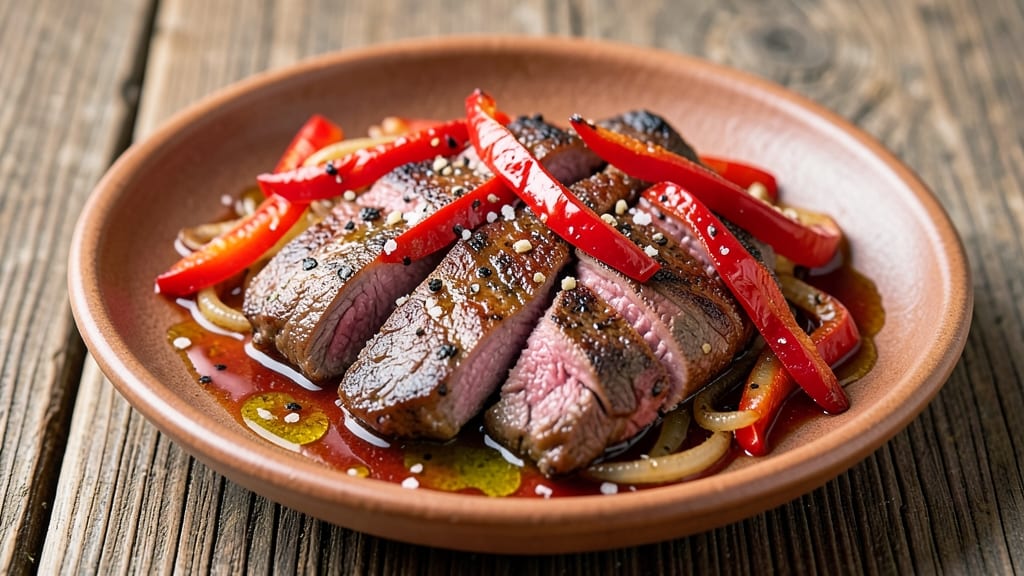
This beef and red pepper recipe transforms humble ingredients into a dish where wok-seared beef meets caramelized red peppers in a silky tomato fond. The secret lies in high-heat searing for that signature crunch, followed by a slow reduction that creates a rich, velvety sauce.
I developed this technique after years of experimenting with stir-fry timing—balancing tender beef with perfectly charred peppers is an art, but one that delivers restaurant-quality results at home.
The foundation begins with thinly sliced beef that develops a deep, savory crust from the wok's high heat, while the red peppers—roasted until blistered—add natural sweetness that cuts through the richness.
A splash of soy sauce and a touch of brown sugar during the reduction stage creates that signature umami depth, while fresh herbs at the end brighten the dish without overpowering.
What makes this recipe stand out is how the textures play together: crisp edges on the beef, tender yet slightly charred peppers, and a sauce that clings perfectly to every bite.
Serve this dish over steamed jasmine rice to soak up every bit of that caramelized sauce, or pair it with crusty bread for a more substantial meal. The aromas alone—smoky, sweet, and herbaceous—will have everyone at the table asking for seconds.
This isn't just another stir-fry; it's a complete, satisfying dish that proves beef and red peppers can be the stars of the meal when prepared with intention.
For those who prefer a heartier version, braise the beef and peppers in a slow-cooked tomato sauce instead of stir-frying, creating a stew-like consistency that's equally impressive. The key to both methods is patience—letting the flavors meld and the sauce develop its depth.
Once you try this, you'll never settle for anything less than perfectly balanced beef and red pepper dishes again.
Ingredients for beef and red pepper
Perfectly balanced ingredients for a restaurant-style beef and red pepper dish with deep umami and caramelized sweetness.
| Ingredient | Amount | Notes |
|---|---|---|
| Flank Steak 🥩 | 1 ½ lb | Thinly sliced against grain |
| Red Bell Peppers 🍅 | 3 whole | Large, charred for sweetness |
| Yellow Onion 🧅 | 1 whole | Thinly sliced, white or yellow |
| Garlic Cloves 🧄 | 6 cloves | Minced for aromatic base |
| Canned San Marzano Tomatoes 🍅 | 1 can | Crushed, 28 oz size |
| Extra-Virgin Olive Oil 🫒 | ½ cup | High smoke point preferred |
| Soy Sauce 🍶 | 2 tbsp | Light or dark preferred |
| Brown Sugar 🍚 | 1 tbsp | Light or dark variety |
| Red Wine Vinegar 🍷 | 1 tbsp | For acidity balance |
| Fresh Thyme 🌿 | 2 tbsp | Leaves only, chopped |
| Fresh Basil 🌿 | ¼ cup | Chopped for finishing |
| Salt 🧂 | 1 ½ tsp | Diamond Crystal preferred |
| Ground Black Pepper 🌶️ | ½ tsp | Freshly cracked |
| Jasmine Rice 🍚 | 1 ½ cups | Uncooked, long grain |
The flank steak is non-negotiable here—it's lean enough to sear quickly but holds up to the high heat. Look for a center-cut piece at Whole Foods or your local butcher shop, as it's more tender. Thinly slicing against the grain is crucial; use a sharp knife and wrap the steak in plastic wrap first for cleaner cuts. For the peppers, red bell peppers are ideal, but a mix of red, yellow, and orange adds visual appeal. If you can't find fresh, high-quality frozen roasted peppers work in a pinch, though fresh will always give you that smoky char you're after.
No San Marzano tomatoes? Crushed vine-ripened tomatoes or even a high-quality jarred marinara will work, but the sweetness and acid balance of San Marzano is what creates that signature fond. The soy sauce can be swapped for tamari for gluten-free, but reduce the amount slightly as tamari is saltier. For a deeper flavor, add a 1 tsp of fish sauce (if not avoiding it) or an extra splash of red wine vinegar. The brown sugar is key for caramelization—don't skip it, even if you're watching sugar intake. Fresh herbs are ideal, but dried thyme at one-third the amount** gets you close if you're in a hurry.
Store the sliced steak in an airtight container with a paper towel pressed on top to absorb moisture—it'll keep for 2 days** in the fridge. The cooked dish reheats beautifully, but the sauce is best fresh. If making ahead, prepare the sauce separately and combine with the beef just before serving. The rice? Cook it in advance and reheat with a splash of water—jasmine rice holds up better to reheating than basmati. For leftovers, portion the beef and sauce separately to maintain texture, and store for up to 3 days in the fridge.
Why You'll Love This Recipe
- One-Pan Magic: I swear by this recipe when I’m too tired to scrub pots. The flank steak and peppers caramelize right on the same sheet pan while I chop onions—no extra dishes, just flavor.
- Sweet-Savory Balance: That San Marzano tomato sauce is the MVP—sweet, rich, and tangy all at once. The charred red peppers and seared steak? It’s like a restaurant-quality bite every time.
- Meal Prep Hero: I make double batches on Sundays because it reheats like a dream. The flavors deepen overnight, and it’s perfect for lunches or feeding unexpected guests—no one will guess it’s prepped ahead.
- Budget-Friendly Powerhouse: Flank steak stretches further than you’d think, and bell peppers last forever in the fridge. Honestly, this dish makes me feel like I’m treating myself without breaking the bank.
Step-by-step instructions for wok-seared beef with charred peppers
This method balances bold flavors and perfect textures—crispy seared beef, sweet charred peppers, and rich tomato fond.
Prepare and Char the Vegetables
Slice the 3 whole red bell peppers into ½-inch strips and the 1 whole yellow onion into ¼-inch half-moons. Pat them completely dry with paper towels—this ensures maximum charring. Heat ¼ cup of the extra-virgin olive oil in a 14-inch wok or cast-iron skillet over high heat until shimmering.
Add the peppers and onions in batches, stirring constantly for 3-4 minutes until they develop deep black char marks and soften slightly. Remove to a plate and set aside. The char adds natural sweetness and depth—don't rush this step. Reserve the wok for the beef.
Sear the Flank Steak to Crispy Perfection
Slice the 1.5 lb flank steak thinly against the grain into ¼-inch strips. Season both sides generously with 1 tsp salt and ¼ tsp ground black pepper. Heat the remaining ¼ cup extra-virgin olive oil in the wok over high heat until it reaches 400°F—it should shimmer violently when a drop of water sizzles.
Work in batches to avoid crowding—add ½ the beef strips to the wok and sear for 1-2 minutes until deeply browned and still slightly pink in the center. Transfer to a plate and repeat with remaining beef. The high heat creates that signature wok-seared crust while keeping the interior tender.
Build the Tomato Fond Sauce
Return the wok to medium heat and add the 6 minced garlic cloves, cooking for 30 seconds until fragrant. Pour in the 1 can crushed San Marzano tomatoes, 2 tbsp soy sauce, 1 tbsp brown sugar, and 1 tbsp red wine vinegar. Stir and let simmer uncovered for 8-10 minutes until the sauce reduces by half and thickens slightly.
Add the 2 tbsp chopped fresh thyme and 1.5 tsp salt, stirring to combine. The sauce should coat the back of a spoon—if too thick, add 2 tbsp water. Taste and adjust seasoning, then return the beef and charred vegetables to the wok, tossing gently to coat.
Finish with Fresh Herbs and Jasmine Rice
Cook the 1.5 cups jasmine rice separately according to package instructions—it should be fluffy and fully cooked. Stir the ¼ cup chopped fresh basil into the beef mixture just before serving. The bright basil cuts through the richness of the tomatoes and beef.
Divide the rice among plates, top with the beef and pepper mixture, and drizzle with any remaining sauce from the wok. Each bite delivers crispy edges on the beef, sweet charred peppers, and a silky tomato fond that ties everything together.
Pro Tips For Making Beef And Red Pepper
- SEAR THE STEAK HOT: I used to walk away from the pan too soon, and the steak would end up gray inside with a sad crust. For flank steak, crank the heat to medium-high, add a splash of oil, and let it sit for 30 seconds before touching it—wait for that first wave of smoke. Then sear for 2-3 minutes per side until deeply browned. This isn’t just about looks; it’s the foundation of flavor.
- CHAR THE ONIONS LOW: I learned this the hard way—burnt onions make the whole dish taste bitter. After slicing the yellow onion, cook it on low heat with a pinch of salt for 5-7 minutes, stirring occasionally, until soft and translucent. If you’re impatient and crank the heat, you’ll regret it later.
- SALT THE TOMATOES: San Marzano tomatoes are sweet, but they still need a little help. Before crushing them, sprinkle in ½ teaspoon of salt and let them sit for 5 minutes—this breaks down the acidity and makes the sauce richer. (Yes, even if the can says “no added salt.”)
- REST THE STEAK FOILED: Flank steak loves to release juices when sliced, so don’t skip the rest. After cooking, tent it loosely with foil and let it sit for 5-10 minutes. I know, I know—you want to eat it now—but this guarantees tender bites instead of a dry mess.
Common mistakes when making your beef and red pepper
Overcrowding the Wok
This is my biggest pet peeve—adding too much beef or vegetables at once. When you overcrowd your wok, the temperature drops dramatically, leading to steamed instead of seared beef. The result? Bland, gray strips instead of those beautiful, caramelized edges we're after.
I've learned to work in small batches—never more than ½ the beef at a time—and give each batch its own 1-2 minutes on high heat. If your wok isn't big enough, consider cooking in two rounds.
Trust me, the extra 5 minutes of patience pays off with restaurant-quality texture. 🔥
Skipping the Char
Some home cooks rush the charring step, thinking it's optional, but those deep black marks on the peppers and onions are what create the dish's signature sweetness. When you skip this step, you lose that caramelized depth that balances the rich tomato sauce.
Heat your wok until it's smoking hot and let the vegetables cook until they're blistered and slightly shriveled. This takes 3-4 minutes—don't be tempted to cut corners. The char isn't just for show; it's flavor insurance. 🌶️
Underseasoning the Beef
Here's where many recipes fail—the beef needs to be properly seasoned before it hits the wok. If you're skimping on the salt and pepper, you'll end up with bland strips that get lost in the sauce.
Season both sides generously with 1 tsp salt and ¼ tsp black pepper before searing. I also recommend adding a pinch of smoked paprika to the seasoning mix for an extra layer of depth. Remember, you can always adjust the sauce's seasoning later, but you can't fix underseasoned beef. 💡
Not Resting the Beef
After searing, many cooks immediately toss the beef into the sauce, but this is a mistake. The beef needs 5 minutes of rest time before combining with the sauce. This allows the juices to redistribute, keeping the strips tender and juicy.
If you skip this step, the beef will release its juices into the sauce, making it watery and diluting the flavors. Let it rest on a plate while you build the sauce—your taste buds will thank you. ⏱️
Using Low-Quality Tomatoes
The sauce is the soul of this dish, and cheap tomatoes will ruin it. That's why I insist on San Marzano tomatoes—their natural sweetness and balanced acidity create the perfect fond. If you're using canned tomatoes, avoid the pulpy varieties and stick with crushed or whole peeled.
For a budget-friendly alternative, look for vine-ripened tomatoes at your grocery store. The difference in flavor is night and day, and it's worth the extra $1 or $2 for a can. 🍅
Rushing the Reduction
Patience is key when reducing the sauce. Many cooks walk away from the stove, only to return to a sauce that hasn't thickened properly. The sauce needs 8-10 minutes of gentle simmering to develop its rich, velvety texture. Keep it uncovered and stir occasionally to prevent sticking.
If you're in a hurry, you can increase the heat slightly, but be prepared to taste and adjust the seasoning afterward—rushed reductions often need more salt and acid. The goal is a sauce that coats the back of a spoon, not a thin, watery glaze. 💫
Nutrition facts
Frequently asked questions about beef and red pepper dishes
Can I substitute flank steak with another cut?
Yes, but choose carefully! Sirloin or ribeye work well, but slice them thinly against the grain for tenderness. Avoid fatty cuts like chuck—they won't sear properly. For extra-lean options, marinate the beef for 30 minutes in soy sauce and olive oil to prevent drying out.
How do I make this a one-pan meal?
Use a large cast-iron skillet instead of a wok. Cook the rice directly in the pan after searing the beef—add 1 cup water per 1 cup rice, cover, and simmer for 15 minutes off the heat. The residual heat will steam the rice perfectly. Just add extra sauce at the end!
What if I don't have red bell peppers?
Use red jalapeños for heat or red cherry tomatoes for sweetness. For color, add ½ tsp paprika to the sauce. If using jalapeños, remove seeds first. The dish will still taste great—just adjust seasoning to taste.
Can I make this dish ahead of time?
Yes! Prepare the sauce and char the vegetables up to 2 days ahead, storing them separately. Reheat the sauce gently, then sear the beef fresh before serving. For leftovers, store the beef and sauce separately to maintain texture—reheat the sauce first, then add the beef for 2-3 minutes to warm through.
What's the best way to reheat this dish?
Use low heat in a skillet with a splash of water or broth to prevent drying. Reheat the beef and sauce together for 3-4 minutes, stirring occasionally. If using leftovers, add fresh basil at the end to brighten the flavors. Microwaving works in a pinch, but the texture suffers—opt for the stovetop method for best results.