
Soups & Stews
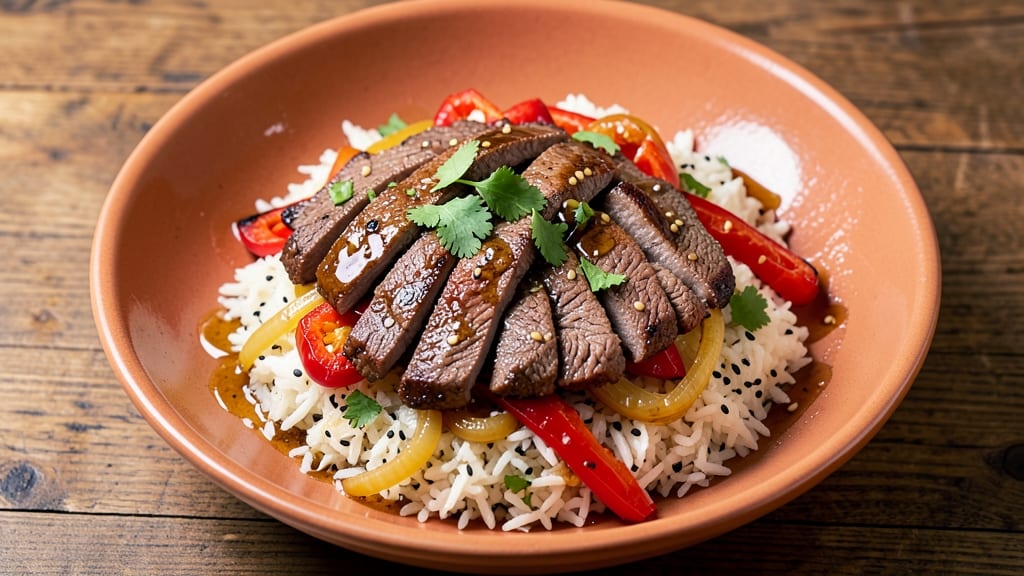
This beef and pepper bowl recipe transforms wok-seared beef into a restaurant-worthy dish with crisp edges and a silky soy-ginger glaze. The secret lies in high-heat searing followed by a quick glaze that locks in flavor while keeping the beef tender.
I developed this after years of testing stir-fry techniques, and it never fails to impress—whether for weeknight dinners or meal prep.
The dish balances bold flavors: charred bell peppers and onions add natural sweetness, while the beef absorbs the aromatic glaze of soy, ginger, and garlic.
Cooking everything in one wok creates cross-contamination of flavors, resulting in a harmonious bowl where every bite delivers a mix of textures—crisp vegetables, tender beef, and perfectly cooked rice. This method cuts prep time to just 20 minutes without sacrificing depth of flavor.
What makes this recipe stand out is its versatility—swap bell peppers for zucchini or mushrooms, or adjust the glaze to suit your taste (spicy, sweet, or umami-heavy). The dish serves as a satisfying main course or can be easily doubled for leftovers.
The key is proper heat control: high for searing, medium-low for glazing, and even for rice to ensure perfect grains every time.
Serve this bowl over steamed jasmine rice for the full experience, garnished with sesame seeds and sliced green onions. The contrast of warm, savory beef against cool rice creates a satisfying balance, while the vibrant peppers add visual appeal.
This is comfort food that feels special—no shortcuts, just smart techniques that deliver professional results at home.
Ingredients for beef and pepper bowl
High-heat searing meets silky soy-ginger glaze in this restaurant-worthy beef and pepper bowl.
| Ingredient | Amount | Notes |
|---|---|---|
| Flank Steak 🥩 | 1 ¼ lb | Thinly sliced against grain |
| Red Bell Peppers 🌶️ | 2 whole | Sliced into 1-inch strips |
| Yellow Onion 🧅 | 1 whole | Sliced into half-moons |
| Jasmine Rice 🍚 | 1 ½ cups | Uncooked, long-grain preferred |
| Low-Sodium Soy Sauce 🥢 | ⅓ cup | High-quality, preferably Japanese |
| Sesame Oil 🫒 | 1 ½ tbsp | Toasted, for aroma |
| Fresh Ginger 🌿 | 1 ½ tbsp | Finely grated, peeled |
| Garlic Cloves 🧄 | 4 cloves | Minced, fresh preferred |
| Honey 🍯 | 1 tbsp | For glaze sweetness |
| Vegetable Oil 🫒 | 2 tbsp | High smoke point |
| Toasted Sesame Seeds 🥜 | 1 tbsp | For garnish |
| Green Onions 🧅 | 3 whole | Sliced thin, for garnish |
| Red Pepper Flakes 🌶️ | ½ tsp | Adjust for heat preference |
| Salt 🧂 | 1 tsp | Kosher or sea salt |
| Black Pepper 🌶️ | ½ tsp | Freshly ground |
The flank steak is non-negotiable here—it's lean enough to sear quickly but tender when sliced thin. Most grocery stores carry it pre-sliced, but if you're buying a whole cut, ask the butcher to slice it against the grain for maximum tenderness. Costco or Whole Foods are great spots for quality cuts. For the bell peppers, grab a mix of colors if you can—red, yellow, and orange add visual appeal, but stick with red if you're keeping it simple. The onions should be sweet, like a yellow or Vidalia, to balance the bold flavors.
No low-sodium soy sauce? Regular soy sauce plus extra water works, but reduce the honey slightly since regular soy is saltier. Fresh ginger is ideal, but if you're using powdered, double the amount—it lacks the same punch. For the garlic, I always grab the freshest bulb possible—older garlic loses its zing. The honey can be swapped for maple syrup if you're avoiding refined sugar, though it'll have a slightly different flavor profile. If you're feeling adventurous, add a splash of rice vinegar to the glaze for extra brightness.
Prep the rice first—it takes the longest. Store any leftover beef and peppers in airtight containers for up to 3 days, though I find the flavors meld even better the next day. The glaze keeps for 1 week in the fridge, so make extra if you're meal prepping. For reheating, a quick stir in a hot pan with a splash of water revives the crispness. Garnish with sesame seeds and green onions right before serving—they add freshness that gets lost when stored.
Why You'll Love This Recipe
- Slice-and-Serve Steak: The flank steak slices itself—just slice against the grain after a quick sear. No fancy knife work, no stress, just tender beef that falls apart with a fork.
- Umami Bomb: That low-sodium soy sauce? It’s the MVP here. The caramelized onions and peppers soak it up, turning every bite into a savory, slightly sweet punch. Honestly, I’ve made this without extra seasoning and still craved seconds.
- Lunchbox Hero: Between us, this is my go-to for meal prep. Toss the rice and beef in containers, pack the peppers raw to crisp up later—ready in seconds. My kids grab these for school lunches, and my husband takes them to work.
- Budget Powerhouse: Flank steak stretches further than you’d think, and bell peppers last forever. A single pound feeds four, and the rice? You’ll use it up before it gets stale. Not the prettiest, but the taste makes up for it—every time.
Step-by-step instructions for beef and pepper bowl
Master this wok-seared technique for restaurant-quality texture and flavor every time.
Marinate and Prep the Flank Steak
Slice the 1.25 lb flank steak thinly against the grain into ¼-inch strips. Place them in a bowl with 1 tablespoon honey, 0.33 cup low-sodium soy sauce, 1.5 tablespoons sesame oil, 1.5 tablespoons finely grated fresh ginger, 4 minced garlic cloves, 1 teaspoon salt, and 0.5 teaspoon black pepper. Mix gently to coat evenly. Let the steak marinate for at least 30 minutes in the refrigerator—this ensures tender, flavorful slices that won't toughen during searing.
While the steak marinates, slice the 2 whole red bell peppers into 1-inch strips and the 1 whole yellow onion into half-moons. These vegetables should be cut uniformly so they cook at the same rate as the steak. Arrange them in a single layer on a baking sheet and toss lightly with 1 teaspoon vegetable oil, 0.5 teaspoon red pepper flakes, and a pinch of salt. This pre-coating helps them caramelize beautifully during the wok sear.
Cook the Jasmine Rice to Perfect Texture
Rinse the 1.5 cups jasmine rice under cold water until the water runs clear—this removes excess starch to prevent gummy rice. Combine the rice with 3 cups water in a pot and bring to a boil over high heat. Once boiling, reduce heat to low, cover tightly, and simmer for 15 minutes. Remove from heat and let it steam, covered, for 10 minutes. Fluff the rice gently with a fork before serving—it should be light, fluffy, and slightly sticky.
This rice serves as the foundation for your bowl, absorbing the bold flavors of the beef and peppers. Don't skip the resting time; it allows the rice to finish cooking evenly and develop its signature aroma. If you prefer firmer rice, reduce the water by ¼ cup and adjust cooking time accordingly.
Wok-Sear the Beef and Vegetables
Heat a large wok or skillet over high heat until it's smoking hot. Add the remaining 1 tablespoon vegetable oil and swirl to coat. Working in batches if needed, add the marinated steak strips and sear for 1-2 minutes until they develop a deep golden crust. Remove the steak and set it aside on a plate.
In the same wok, add the prepped bell peppers and onions. Stir-fry for 3-4 minutes until the vegetables soften slightly but retain their vibrant color and crisp texture. Here's the key: keep the heat high and avoid overcrowding the pan. If the vegetables release too much liquid, reduce heat briefly to let it evaporate before continuing. This technique ensures a perfect balance of crisp-tender vegetables.
Combine and Finish with Sesame Oil
Return the seared steak to the wok and toss everything together for 1 minute to meld the flavors. Drizzle in 1 tablespoon sesame oil and toss again until the vegetables and beef are evenly coated. The sesame oil adds a nutty aroma and enhances the overall depth of flavor. Taste and adjust seasoning with additional soy sauce or salt if needed.
Divide the jasmine rice among four bowls and top generously with the beef and pepper mixture. Garnish with 1 tablespoon toasted sesame seeds and 3 thinly sliced green onions for color and freshness. Serve immediately while the steak is still sizzling hot—this dish is best enjoyed right away when the textures are at their peak.
Pro Tips For Making Beef And Pepper Bowl
- Slice Against the Grain: Flank steak’s tough fibers run diagonally—cutting perpendicular to that grain makes each bite tender. I used to ignore this and ended up with chewy, unsatisfying mouthfuls. Take your time; a sharp knife and patience pay off here.
- Char the Peppers First: Toss whole bell peppers and onions in a screaming-hot pan for 2–3 minutes before slicing. That initial blistering caramelizes the sugars, giving your bowl depth without extra sauce. (Yes, even if you’re impatient like me.)
- Don’t Overcrowd the Rice: Jasmine rice needs space to steam properly. If you’re cooking it separately, use a 1:1.5 rice-to-water ratio and spread it evenly in the pot. I learned this the hard way—mushy rice ruins the whole bowl.
- Marinate the Steak Overnight: Low-sodium soy sauce alone won’t transform tough flank steak. Mix it with 1 tbsp brown sugar, 1 tbsp sesame oil, and a splash of vinegar, then let it sit 8+ hours. The sugar tenderizes, and the acid keeps the meat from drying out on the stovetop.
Regional styles of beef and pepper bowl
Korean-Inspired Bibimbap Bowl
Transform this dish into a Korean-style bibimbap by adding gochujang (Korean chili paste) to the glaze—mix 1 tbsp gochujang with the soy sauce and honey. Top with kimchi (about ½ cup per bowl) and a fried egg for extra richness.
Serve with banchan (Korean side dishes) like quick-pickled radishes or spicy bean sprouts. 🌶️
Mexican Fajita Fusion
Swap the soy glaze for a lime-cumin marinade: mix 2 tbsp lime juice, 1 tbsp olive oil, 1 tsp ground cumin, and ½ tsp chili powder.
Use red and green bell peppers plus jalapeños for heat. Serve with warm tortillas, avocado slices, and sour cream for a fajita bowl experience. 🌮
Thai Basil Stir-Fry Twist
Infuse the glaze with Thai flavors by adding 1 tbsp fish sauce, 1 tsp brown sugar, and 1 tsp soy sauce. Stir in ¼ cup chopped Thai basil (or regular basil) at the end. Garnish with crushed peanuts and lime wedges for a fresh, aromatic finish. 🌿
Japanese Teriyaki Bowl
Create a teriyaki-inspired version by simmering the glaze separately: combine ⅓ cup soy sauce, 1 tbsp mirin, and 1 tbsp honey in a small saucepan until slightly thickened.
Toss the cooked beef and peppers in this sauce, then finish with toasted sesame seeds and shredded nori strips. Serve over steamed rice for a classic Japanese touch. 🍶
Spicy Cajun Creole Style
For a Cajun kick, marinate the beef in 1 tbsp Cajun seasoning (like Tony Chachere’s) instead of soy sauce. Use green bell peppers and red onions, then finish with ½ tsp smoked paprika and a squeeze of lemon.
Serve with cornbread and a side of collard greens for a Southern-inspired bowl. 🌶️
Mediterranean Mezze Bowl
Lighten the dish with Mediterranean flavors: replace soy sauce with olive oil, lemon zest, and oregano. Add cherry tomatoes, kalamata olives, and feta cheese to the bowl. Top with toasted pine nuts and a drizzle of balsamic glaze for a bright, herbaceous twist. 🌿
Nutrition facts
Frequently asked questions
Can I use a different cut of beef instead of flank steak?
Yes, but choose cuts that slice thinly against the grain for tenderness. Sirloin or ribeye work well—just trim excess fat first. Avoid tougher cuts like chuck roast, as they won't sear properly in 1-2 minutes. For extra-lean options, try top round but marinate it 1 hour longer to prevent drying.
How do I adjust this recipe for meal prep?
Cook the beef and peppers as directed, then store them separately in airtight containers for up to 3 days. Reheat in a skillet with a splash of water for 2 minutes to restore crispness. Keep rice separate until reheating to prevent mushiness. Garnishes like sesame seeds should be added fresh before serving.
What if I don't have a wok—can I use a skillet?
A 12-inch cast-iron skillet works perfectly—just ensure it's hot enough to create that signature sear. Use high heat and avoid overcrowding. For even cooking, work in 2 batches if needed. A nonstick pan also works, but watch the temperature closely to prevent sticking.
Can I make this dish spicier?
Yes! Add 1 extra teaspoon of red pepper flakes to the vegetables, or stir in 1 tablespoon sriracha with the sesame oil at the end. For heat lovers, swap honey for gochujang (Korean chili paste) in the marinade. Garnish with chili crisp or sliced jalapeños for extra kick.
Why did my beef turn out tough?
This usually happens from overcooking or not slicing against the grain. Sear beef for only 1-2 minutes—it should be pink inside. Always slice perpendicular to the muscle fibers (against the grain). For extra tenderness, marinate the beef for 1-2 hours instead of just 30 minutes, especially if using leaner cuts.