
Soups & Stews
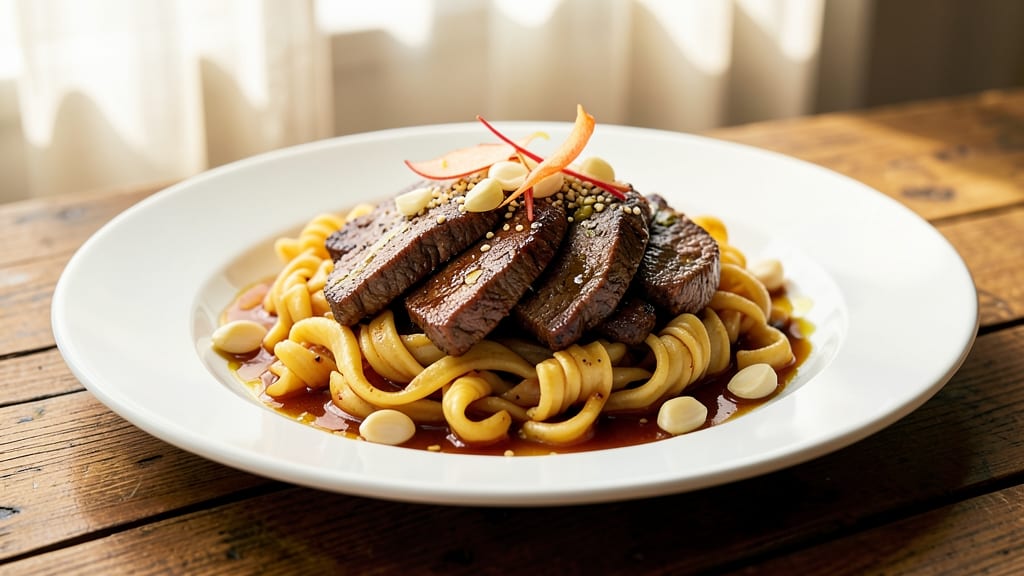
This beef and beoccoli recipe delivers a perfect balance of wok-seared beef and al dente pasta in a silky soy-ginger sauce that’s both restaurant-worthy and simple to prepare. The secret lies in properly searing the beef for maximum flavor while keeping the pasta tender yet firm—no mushy results here.
This dish transforms a weeknight dinner into a flavor-packed meal that feels like a special occasion.
The process starts with thinly sliced beef that develops a crispy crust in the wok, locking in juices and creating depth of flavor. Meanwhile, the beoccoli pasta cooks just until al dente, ensuring it holds up when tossed with the rich sauce.
The soy-ginger glaze ties everything together, offering a perfect harmony of savory, sweet, and umami notes that will have everyone asking for seconds.
What makes this recipe stand out is its versatility—serve it as a hearty main dish or pair it with steamed greens for a complete meal. The wok-seared beef adds a satisfying crunch, while the pasta soaks up the aromatic sauce, creating a dish that’s both comforting and exciting.
Ready in under 30 minutes, it’s the ideal solution for a quick yet impressive dinner.
Whether you’re cooking for family or hosting guests, this beef and beoccoli recipe delivers restaurant-quality results without the fuss. The combination of textures and flavors makes it a standout dish, proving that a little technique goes a long way in elevating simple ingredients into something extraordinary.
Ingredients for beef and beoccoli
Thinly sliced beef meets al dente pasta in a restaurant-style soy-ginger sauce that's simple yet impressive.
| Ingredient | Amount | Notes |
|---|---|---|
| Flank Steak 🥩 | 1 lb | Thinly sliced against grain |
| Beoccoli Pasta 🍝 | 12 oz | Or sub spaghetti or linguine |
| Sesame Oil 🫒 | 2 tbsp | Toasted for aroma |
| Low-Sodium Soy Sauce 🥄 | ⅓ cup | High-quality brand preferred |
| Ginger Root 🌿 | 2 tbsp | Freshly grated, not paste |
| Garlic Cloves 🧄 | 4 cloves | Minced, not pressed |
| Honey 🍯 | 1 tbsp | Wildflower preferred |
| Rice Vinegar 🍶 | 1 tbsp | Seasoned variety works |
| Vegetable Oil 🫒 | 2 tbsp | High smoke point |
| Green Onions 🧅 | 3 whole | Sliced thin for garnish |
| Sesame Seeds 🌾 | 1 tbsp | Toasted lightly |
| Kosher Salt 🧂 | 1 ½ tsp | Diamond Crystal preferred |
| Ground Black Pepper 🌶️ | ½ tsp | Freshly cracked |
| Red Pepper Flakes 🌶️ | ¼ tsp | Optional for heat |
The beef is everything here—flank steak gives you that perfect balance of tenderness and chew. Look for well-marbled cuts at Whole Foods or your local butcher shop. Thinly slice it against the grain for that signature wok-seared texture. If you can't find beoccoli, spaghetti or linguine work just as well—the key is al dente pasta that holds up to the sauce. For the soy sauce, Kikkoman or La Choy are reliable choices, but any low-sodium brand will do.
No sesame oil? Toasted peanut oil adds a similar nutty depth. Fresh ginger is non-negotiable—paste has a weird aftertaste. The honey should be wildflower or clover for balanced sweetness. If you're short on rice vinegar, apple cider vinegar at half the amount works in a pinch. The green onions? Use the whole thing—white and green parts both add flavor. For extra crunch, toast the sesame seeds in a dry pan for 30 seconds before adding them to the dish.
Prep the beef and sauce ingredients first—they'll wait while the pasta cooks. Store any unused soy sauce in a cool, dark place for up to 1 year. Fresh ginger keeps for 2 weeks in the fridge wrapped in a damp towel. The cooked dish reheats beautifully—just add a splash of water to the sauce and warm through. Leftovers keep for 3 days in the fridge, but honestly, it's best eaten fresh when the pasta is still al dente.
Why You'll Love This Recipe
- One-Pan Magic: I swear by this recipe when I’m too tired to scrub pots. The flank steak and beoccoli cook together in one skillet—no fancy techniques, just sear, slice, and stir-fry. That sesame oil finish ties it all together with zero extra cleanup.
- Umami Bomb: Between the low-sodium soy sauce and fresh ginger, every bite packs a punch without tasting salty. The beoccoli’s chewy texture soaks up the flavor like a sponge, and the flank steak? Perfectly tender with a charred edge that’s dangerously good.
- Office Lunch Hero: Here’s what sold me—this reheats like a dream. Pack it in a container, and it’s still restaurant-quality the next day. (Yes, even on a Tuesday night.) Plus, the ginger keeps it from tasting stale, so you won’t dread your workday meal.
- Budget Power Move: Flank steak stretches further than you’d think when sliced thin, and beoccoli is cheaper than most pasta. I’ve fed four people for under $15, and everyone leaves happy. Honestly, it’s my go-to when I’m trying to stretch groceries without sacrificing flavor.
Step-by-step instructions for beef and beoccoli with wok-seared crunch
Here's how to achieve perfect texture contrast—crispy wok-seared beef meets al dente beoccoli in a silky soy-ginger sauce.
Prepare the Flank Steak for Wok-Searing
Slice the 1 lb flank steak thinly against the grain into ¼-inch strips—this ensures tender bites. Pat the strips dry with paper towels and season immediately with 1.5 tsp kosher salt and 0.5 tsp ground black pepper. Let them sit at room temperature for 15 minutes while you prep the rest. The salt will draw out moisture, creating a better sear later.
In a small bowl, whisk together 0.33 cup low-sodium soy sauce, 1 tbsp rice vinegar, 1 tbsp honey, 2 tbsp freshly grated ginger root, and 4 minced garlic cloves. This marinade will infuse the beef while it cooks. The ginger and garlic should be finely minced—you want them to dissolve into the sauce rather than remain as distinct pieces.
Cook the Beoccoli Pasta to Al Dente Perfection
Bring a large pot of water to a rolling boil and add 12 oz beoccoli pasta along with 1 tsp kosher salt. Cook until 1 minute before the package directions specify for al dente. Reserve ½ cup pasta water before draining—this starchy liquid is essential for emulsifying the sauce later. The pasta should have a slight bite to it; it will finish cooking in the wok.
While the pasta cooks, heat 2 tbsp vegetable oil in a wok or large skillet over high heat until shimmering. Add the seasoned steak strips in a single layer and let them sear undisturbed for 1-2 minutes until they develop a deep golden crust. This high-heat step is critical—it creates the wok-seared texture that contrasts with the silky sauce.
Combine Beef and Pasta in the Wok
Push the seared steak to one side of the wok and add the drained pasta to the empty space. Toss the pasta in the rendered beef fat for 1 minute to coat it evenly. Pour the reserved ½ cup pasta water into the wok, then add the soy-ginger marinade. Stir everything together vigorously for 2-3 minutes until the sauce thickens slightly and clings to the pasta and beef.
The sauce should coat the back of a spoon but remain silky, not gloppy. If it's too thick, add another 2-3 tablespoons of pasta water to loosen it. The heat from the wok will help emulsify the sauce naturally—don't walk away during this step. You're looking for a glossy, cohesive sauce that clings to every strand of pasta and strip of beef.
Finish and Garnish for Maximum Impact
Remove the wok from heat and stir in 1 tbsp toasted sesame oil and 1 tbsp toasted sesame seeds. The sesame oil adds depth of flavor, while the seeds provide a final textural contrast. Taste and adjust seasoning—you might need a pinch more salt or a splash of rice vinegar to balance the flavors. The dish should be savory-sweet with a bright, gingery kick.
Garnish each serving with 3 thinly sliced green onions and an extra sprinkle of sesame seeds. Serve immediately while the pasta is still hot and the seared beef maintains its crisp edges. The contrast of textures—crispy beef, al dente pasta, and silky sauce—is what makes this dish truly special.
Pro Tips For Making Beef And Beoccoli
- Slice Against the Grain: Flank steak’s tough when sliced wrong—cut it thinly across the grain, not with it. I learned this after serving a plate where every bite felt like chewing shoe leather. Use a sharp knife and angle it low for clean, tender slices.
- Toast the Ginger: Peel and slice that ginger root into matchsticks, then dry-toast them in the same pan you sear the beef—just 30 seconds until fragrant. Sounds weird, but it works: the aroma deepens and the heat softens the raw edge, so it doesn’t bite back when you toss it with the pasta.
- Salt the Pasta Water: Skip the salted pasta water at your own risk—this isn’t just about flavor, it’s about making the beoccoli cling to the beef. Use the full 2 teaspoons per quart (yes, even if your recipe says otherwise), and taste it before draining. If it doesn’t taste like the sea, do it again.
- Finish with Sesame Oil: Add the sesame oil last, right when you’re plating, and swirl it in with a fork. Drizzling it over everything at the end keeps the aroma bright and the oil from turning bitter. I was skeptical until I tried it—now I add a second tiny drizzle if I’m feeling fancy.
Dietary considerations for this beef and beoccoli
Gluten-Free Swaps
For a gluten-free version, replace the beoccoli pasta with gluten-free brown rice or chickpea pasta—brands like Barilla GF or Banza work beautifully. These hold up well to the soy-ginger sauce and maintain that al dente texture.
Just cook them 1 minute less than the package suggests since they often soften faster. 🌾
Low-Carb Adaptations
Skip the pasta entirely and focus on the wok-seared beef with a side of shredded cabbage or zucchini noodles. Sauté the cabbage in the same wok after removing the beef, adding 1 tbsp sesame oil and a pinch of red pepper flakes for heat.
The cabbage absorbs the soy-ginger sauce beautifully, creating a low-carb alternative that still feels hearty.
Dairy-Free Options
This recipe is naturally dairy-free, but you can enhance it further by using coconut aminos instead of soy sauce for a nutty depth. Add 1 tsp coconut oil to the wok when cooking the beef for extra richness.
The ginger and garlic flavors shine even brighter without dairy, making this dish a great option for those avoiding lactose.
Allergen-Friendly Prep
For nut allergies, stick to the original recipe but ensure your sesame seeds are processed in a dedicated facility if cross-contamination is a concern. If you're avoiding sesame entirely, swap the sesame oil for avocado oil and garnish with toasted pumpkin seeds instead.
Always double-check labels on soy sauce and honey for hidden allergens like peanuts or tree nuts.
Protein Adjustments
Make this dish leaner by using sirloin steak instead of flank steak—it’s slightly less fatty but still delivers that wok-seared crunch. For extra protein, add ½ cup edamame to the wok during the final stir-fry step.
The edamame adds a subtle sweetness that pairs perfectly with the soy-ginger sauce and beef. 💪
Nutrition facts
Frequently asked questions
What's the best cut of beef for this wok-seared dish?
Flank steak is ideal for its lean texture and flavor, but sirloin or skirt steak work too. Always slice against the grain into ¼-inch strips for maximum tenderness. If you prefer a richer taste, try ribeye—just trim excess fat first to avoid greasy sauce.
Can I substitute beoccoli pasta?
Use linguine, spaghetti, or udon noodles for similar results. For gluten-free, try brown rice or chickpea pasta—just cook them 1 minute less than package instructions. The key is al dente pasta that holds up to the sauce without turning mushy.
How do I prevent the sauce from getting too thick?
Always reserve ½ cup pasta water before draining—it's your secret weapon! If the sauce thickens too much while cooking, add 2-3 tablespoons of pasta water at a time until it reaches a silky consistency. The starchy water helps emulsify the sauce naturally without making it watery.
Is this recipe suitable for meal prep?
Best eaten fresh for optimal texture, but you can prep components ahead. Cook the pasta 1 minute less than al dente, store separately, and sear the beef just before serving. Reheat gently with a splash of water to restore sauce consistency. Leftovers keep for 3 days in the fridge—just avoid reheating too long to prevent soggy pasta.
What if I don't have sesame oil?
Use toasted peanut oil or avocado oil for similar depth. For extra flavor, add ½ teaspoon toasted cumin to the sauce. The dish will still taste amazing—sesame oil just adds that signature nutty aroma. If avoiding nuts entirely, skip it and focus on the soy-ginger base for balanced flavor.