
Main Courses
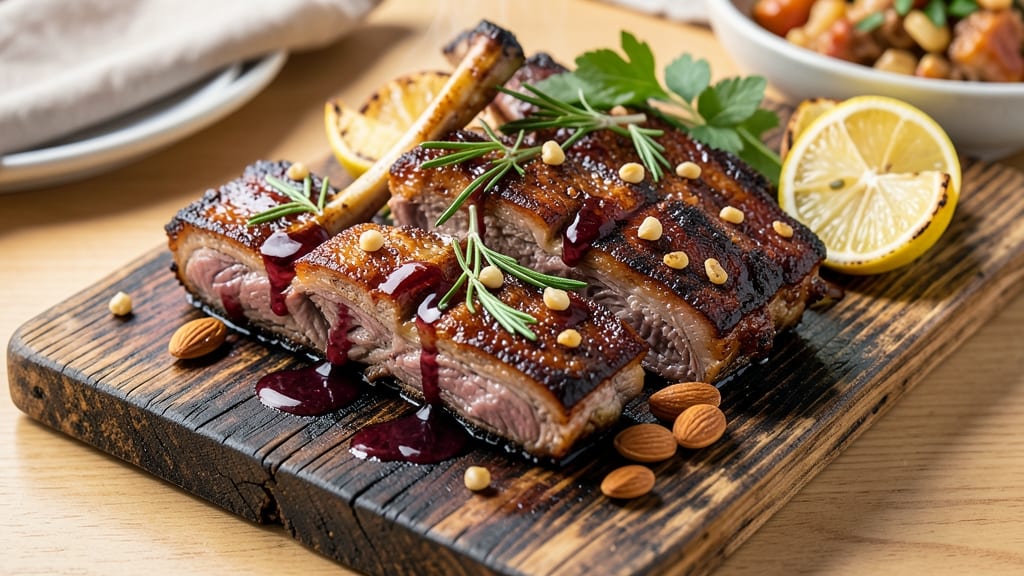
This asado beef ribs recipe transforms tough cuts into melt-in-your-mouth tenderness with a perfect charred bark—just like the legendary Argentine grill masters. The secret lies in low-and-slow cooking over hardwood coals or a smoker, where the ribs develop deep, smoky flavors and a crust that shatters with every bite.
Unlike traditional American BBQ, asado ribs are cooked with minimal intervention, letting the meat's natural juices render slowly while the fat baste the ribs into perfection.
The process begins with a simple yet effective marinade—just olive oil, garlic, and a touch of red wine vinegar—to enhance the beef's natural richness. As the ribs cook for 3 to 4 hours at 225°F, the connective tissue breaks down, creating a texture that’s both tender and irresistibly juicy.
The bark forms naturally from the slow exposure to heat, giving each rib a deep, caramelized crust that’s crispy on the outside and succulent within. This method ensures every bite delivers the full depth of flavor that makes asado legendary.
What sets this recipe apart is the authentic Argentine technique, where the ribs are cooked whole and sliced table-side for maximum freshness.
Serve them with classic accompaniments like chimichurri—a vibrant, herbaceous sauce that cuts through the richness—or grilled vegetables and crusty bread to soak up every last drop of flavor.
The result is a dish that feels both rustic and refined, perfect for gatherings where the focus is on shared meals and slow-cooked excellence.
Whether you're using a traditional wood-fired grill, a pellet smoker, or even an oven with indirect heat, this recipe delivers restaurant-quality ribs with minimal fuss. The key is patience—letting the ribs work their magic over time.
By the final hour, the aroma alone will have everyone gathered around, anticipating the first taste of this Argentine grill masterpiece.
Ingredients for asado beef ribs
Six essential ingredients transform tough beef ribs into Argentine grill masterpiece perfection.
| Ingredient | Amount | Notes |
|---|---|---|
| Beef Ribs (Back Ribs) 🥩 | 4 lb | Bone-in, meaty cuts preferred |
| Extra-Virgin Olive Oil 🫒 | ¼ cup | High-quality, fruity variety |
| Garlic Cloves 🧄 | 6 cloves | Freshly minced, skin-on |
| Red Wine Vinegar 🍷 | 2 tbsp | Dry, full-bodied preferred |
| Kosher Salt 🧂 | 1 ½ tbsp | Diamond Crystal preferred |
| Ground Black Pepper 🌶️ | 1 tbsp | Freshly cracked preferred |
| Hardwood Charcoal or Wood Chips 🔥 | 2 cups | Quebracho or almond wood |
| Fresh Rosemary 🌿 | ¼ cup | Needles only, finely chopped |
| Fresh Thyme 🌿 | 0.15 cup | Leaves only, chopped |
| Fresh Oregano 🌿 | 0.1 cup | Leaves only, chopped |
| Yellow Onion 🧅 | 1 whole | Quartered, skin-on |
| Fresh Lemon Juice 🍋 | 1 tbsp | From organic lemons |
| Smoked Paprika 🌶️ | 1 tsp | For final bark enhancement |
The ribs are the foundation, and back ribs with good meat-to-bone ratio are non-negotiable. Look for cuts with thick meat between the bones—local butchers or high-end grocers like Whole Foods often carry superior quality. The olive oil should be extra-virgin with a peppery finish, like California-grown or Spanish varieties. Fresh garlic and herbs are critical: Penzeys Spices sells excellent dried blends, but fresh is superior for this technique. The vinegar should be Argentine Malbec or Cabernet Sauvignon if available, but any dry red wine vinegar works. For wood, quebracho or almond chips create that authentic asado smoke profile—avoid hickory, which can overpower the beef's natural flavors.
No fresh rosemary? Dried at one-third the amount works, but texture suffers. Substitute the vinegar with red wine reduction for deeper flavor. The onions can be caramelized separately if preferred, but leaving them raw in the marinade adds brightness. For a smokier bark, sprinkle ribs with additional smoked paprika during the final hour. The lemon juice is optional but cuts through the richness beautifully—organic lemons have better flavor. If using a smoker, maintain 225°F consistently; temperature fluctuations create uneven bark. For oven cooking, place ribs on a rack over a tray of water to mimic indirect heat.
Store raw ribs in the coldest part of your fridge, wrapped tightly in parchment paper for up to 3 days. The marinade keeps for 5 days in an airtight container. Cooked ribs reheat best at 300°F for 15 minutes—they never taste as good cold. For leftovers, slice and serve over warm chimichurri or with grilled vegetables. The bark is delicate; slice table-side to preserve texture. Freeze uncooked ribs for up to 3 months—thaw overnight in the fridge before cooking. The wood chips can be reused once, stored in a sealed container for up to 2 weeks.
Why You'll Love This Recipe
- Five-Ingredient Magic: I swear, these ribs only need five things—no fancy marinades or hours of prep. Just ribs, olive oil, garlic, vinegar, and salt. That’s it. The vinegar tenderizes while you sleep, so by the time you grill, they’re fall-apart tender.
- Garlic-Kissed Crisp: The secret’s in the roasted garlic—smashed into the ribs with olive oil until it’s sticky and golden. That crispy edge? It’s the vinegar’s work, cutting through the richness while the salt makes every bite sing. Honestly, I’ve never had ribs this addictive with so little effort.
- Weeknight Crowd-Pleaser: Between us, this is my go-to for game day, family dinners, or when friends drop by unannounced. The ribs feed four easily, and the leftovers? Even better cold the next day. (Yes, even on a Tuesday night.)
- Budget-Friendly Feast: Back ribs are cheaper than you think, and this recipe stretches them far. A single rack costs less than takeout, and the ingredients? Pantry staples. I’ll be real: my grocery bill dropped when I started making these regularly.
Step-by-step instructions for asado beef ribs
Master the art of Argentine asado with these precise techniques for perfect char and tender meat.
Prepare the Ribs for Maximum Flavor
Remove the 4 lb beef ribs from the refrigerator and let them sit at room temperature for 1 hour before cooking. This ensures even cooking throughout. Pat the ribs dry with paper towels—moisture is the enemy of that coveted charred bark we're after.
In a small bowl, combine the 1.5 tbsp kosher salt, 1 tbsp ground black pepper, 1 tsp smoked paprika, 0.25 cup finely chopped fresh rosemary, 0.15 cup chopped fresh thyme, and 0.1 cup chopped fresh oregano. Rub this mixture generously over all surfaces of the ribs, pressing it into the meat so it adheres well. The spices should form a visible coating.
Build the Argentine Charcoal Fire
Set up your grill for indirect heat by positioning the 2 cups hardwood charcoal or wood chips (quebracho or almond wood preferred) on one side only. Light the charcoal and let it burn until covered with a thick layer of white ash—this usually takes about 15-20 minutes. The goal is to create a bed of hot coals that will provide steady, indirect heat.
While the charcoal heats, prepare your marinade by combining the 0.25 cup extra-virgin olive oil, 6 cloves minced garlic, 2 tbsp red wine vinegar, 1 tbsp fresh lemon juice, and the quartered yellow onion (skin-on) in a small bowl. This marinade will baste the ribs during cooking, adding depth of flavor.
Cook the Ribs Low and Slow with Direct Char
Place the seasoned ribs on the grill over the direct heat side, bone-side down. This position allows the ribs to develop that prized charred exterior while the meat cooks gently. Close the lid and cook for 45-60 minutes, turning occasionally to ensure even charring on all sides. You'll know it's time to turn when you see deep brown char marks forming on the meat.
After the initial charring period, move the ribs to the indirect heat side of the grill. Pour the marinade mixture over the ribs and continue cooking with the lid closed. The ribs are done when they reach an internal temperature of 195-203°F at the thickest part of the meat, which typically takes an additional 2-3 hours. The meat should be fork-tender and easily pull apart.
Rest and Serve with Confidence
Once the ribs reach the proper internal temperature, transfer them to a cutting board and tent loosely with aluminum foil. Let them rest for 15-20 minutes before serving. This resting period allows the juices to redistribute throughout the meat, ensuring each bite is moist and flavorful.
Slice the ribs between the bones into individual ribs, discarding the bones. Arrange the meat on a platter and drizzle any accumulated juices from the cutting board over the top. The final result should be ribs with a beautiful charred exterior, tender meat that practically falls apart, and a complex flavor profile from the herb rub and wood-fired cooking method.
Pro Tips For Making Asado Beef Ribs
- Trim the Silver Skin: That thin, papery membrane on beef ribs? It’s the reason your ribs stay tough and chewy. Use a butter knife or your fingers to peel it off—start at the bone, work your way out, and don’t rush. I learned this the hard way after biting into a rib that felt like chewing on a shoe sole.
- Salt in Layers: Don’t just salt once. After you trim the silver skin, give the ribs a dry rub with kosher salt before you marinate them in olive oil and vinegar. Let them sit uncovered in the fridge for at least 30 minutes—this draws out moisture, so when the salt reabsorbs, the meat stays juicier. (Yes, even if you’re impatient like me.)
- Sear Bone-Side Down: When you’re ready to cook, hit the ribs bone-side down first in a screaming-hot pan with olive oil. This renders fat and collagen directly onto the heat, creating a flavorful crust while keeping the meat tender. I was skeptical until I tried it—now it’s non-negotiable for me.
- Vinegar Last: Add red wine vinegar after the ribs are cooked, not before. If you toss them in raw, the acid will break down the meat too early, turning them mushy. Instead, drizzle it over the finished dish—it brightens the garlic and olive oil without overpowering. (Your future self will thank you.)
Best sauces and condiments for these flavors
Classic Chimichurri
This vibrant green sauce is the soul of Argentine asado—simple yet transformative. Blend 1 cup fresh parsley, 4 cloves garlic, ½ cup extra-virgin olive oil, 2 tbsp red wine vinegar, 1 tsp red pepper flakes, and 1 tsp kosher salt until smooth.
The parsley should be finely chopped, and I like to use flat-leaf varieties for maximum flavor. Serve it on the side for dipping or drizzle it over the ribs just before serving to keep the sauce bright and fresh. 🌿
Spicy Salsa Criolla
For a tangy, fruity contrast, make this quick salsa by dicing 2 ripe tomatoes, 1 red onion, ½ cup cilantro, 1 jalapeño, and 2 tbsp lime juice. Mix with 1 tsp salt and let it sit for 10 minutes to meld flavors.
The jalapeño adds heat, while the lime brightens the dish—perfect for balancing the richness of the ribs. Serve chilled alongside the asado. 🌶️
Creamy Mojo Criollo
This garlic-yogurt sauce is a crowd-pleaser. Whisk together 1 cup Greek yogurt, 3 minced garlic cloves, 2 tbsp lemon juice, 1 tbsp olive oil, ½ tsp salt, and ¼ tsp black pepper.
For extra richness, add 1 tbsp minced fresh dill. The yogurt cools the palate after the smoky ribs, and the garlic ties everything together beautifully. Store in the fridge for up to 3 days. ✨
Argentine BBQ Sauce
For a sweeter, thicker glaze, simmer ½ cup tomato paste, ¼ cup red wine vinegar, ¼ cup brown sugar, 2 tbsp soy sauce, 1 tbsp smoked paprika, and 1 tsp cumin for 15 minutes.
Brush this sauce on the ribs during the final 30 minutes of cooking to create a sticky, caramelized crust. The balance of sweet, tangy, and smoky flavors elevates the ribs to another level. 🔥
Fresh Herb Butter
Melt ½ cup unsalted butter with 2 tbsp chopped fresh rosemary, 1 tbsp chopped thyme, and 1 minced garlic clove. Spread this fragrant butter over the ribs during the last 15 minutes of cooking for a luxurious finish.
The butter bastes the meat, adding a velvety texture and aromatic depth that pairs perfectly with the charred bark. 💛
Nutrition facts
Frequently asked questions
What's the difference between asado-style ribs and traditional American BBQ ribs?
Asado ribs focus on low-and-slow cooking with minimal intervention—no heavy sauces until the end, and a natural char from wood-fired heat. American BBQ often uses sweeter sauces applied throughout cooking, while asado ribs develop their flavor from the herb rub, wood smoke, and natural juices. The texture is also different: asado ribs have a crispy bark but remain tender, while BBQ ribs might be stickier from sauce.
Can I cook these ribs in an oven instead of a grill?
Yes! Preheat your oven to 225°F—the same low temperature as the grill. Place the ribs on a rack over a tray of water to create indirect heat. Cook for 3-4 hours—baste with marinade every 45 minutes—until the internal temperature reaches 195-203°F. The bark will form from the oven's dry heat, though it may not be as pronounced as grill-charred ribs.
Why do the ribs need to rest before slicing?
Resting (15-20 minutes) lets the meat's juices redistribute, preventing them from running out when you cut. Asado ribs are cooked to 195-203°F, which breaks down connective tissue into gelatin—this needs time to set properly. Slicing too soon makes the meat dry and loses precious flavor. Tent with foil to keep them warm while resting.
What if my ribs aren't tender enough after 3 hours?
Keep cooking! Asado ribs need patience—check the internal temperature at the thickest part. If it's below 195°F, continue cooking with the lid closed. For stubborn ribs, add ½ cup water to the grill—the steam helps tenderize. Never rush it; the bark will stay crispy even with extra time. If all else fails, slice thinner to serve.
Which wood chips create the most authentic asado flavor?
Quebracho or almond wood chips are traditional for Argentine asado—they produce a mild, sweet smoke that complements beef beautifully. Avoid hickory (too strong) or fruit woods (can taste artificial). For a smoker, use 1 cup of chips per hour—soak them in water for 30 minutes before use to create steady smoke. Never burn them directly on the ribs!