
Main Courses
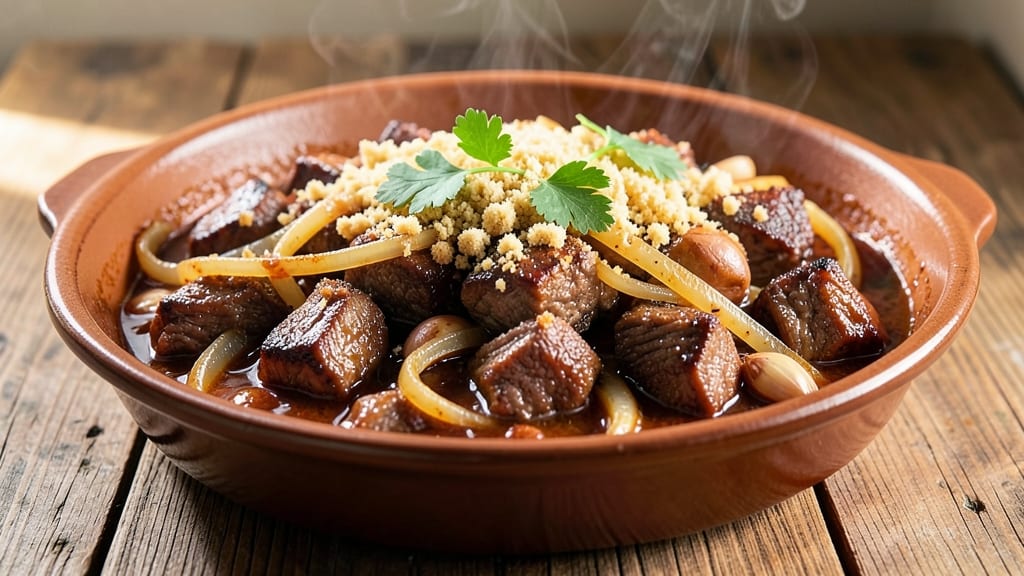
This American beef goulash recipe delivers the hearty comfort of a classic stew with tender beef threads that practically melt in your mouth. The secret lies in slow-braising the beef until fork-tender while building layers of flavor through smoky paprika, aromatic herbs, and a rich tomato base.
I've refined this technique over years to balance richness with bright acidity—just enough vinegar to cut through the fat and keep every bite vibrant.
The process starts with searing the beef for deep flavor development, followed by a flour slurry that thickens the sauce without losing texture. Bay leaves and garlic infuse the broth while it simmers, creating an aromatic foundation that transforms simple ingredients into something deeply satisfying.
What sets this version apart is the careful balance of sweet and smoky paprika, which gives the stew its signature depth without overpowering the beef's natural richness.
By the time you serve this goulash, you'll have a pot of tender beef swimming in a velvety sauce with just the right consistency—thick enough to coat each bite but still light enough to let the flavors shine.
The aroma alone will have everyone gathering at the table, and the first spoonful delivers on that classic comfort food promise: warm, hearty, and impossibly tender. Serve it with crusty bread to soak up every last drop of that rich sauce.
This recipe works beautifully for family dinners, potlucks, or even a cozy weeknight meal when you need something substantial. The leftovers reheat just as well as the first serving, making it perfect for meal prep too.
Let's get cooking—your taste buds will thank you for this nostalgic yet refined approach to beef goulash.
Ingredients for american beef goulash
Pantry staples meet smoky comfort—this goulash needs just 15 ingredients for deep flavor.
| Ingredient | Amount | Notes |
|---|---|---|
| Chuck Roast Beef 🥩 | 2 lb | Cut into 1-inch cubes |
| All-Purpose Flour 🌾 | ½ cup | For slurry thickening |
| Sweet Paprika 🌶️ | 2 tbsp | Smoked paprika for depth |
| Smoked Paprika 🌶️ | 1 tbsp | For signature smoky flavor |
| Garlic Cloves 🧄 | 4 cloves | Minced for aromatic base |
| Yellow Onion 🧅 | 1 whole | Diced, medium size |
| Carrots 🥕 | 3 whole | Peeled, cut into chunks |
| Celery Stalks 🥬 | 2 whole | Diced, with leaves |
| Tomato Paste 🍅 | ½ cup | High-quality, no sugar added |
| Beef Broth 💧 | 2 cups | Low-sodium preferred |
| Red Wine Vinegar 🍷 | 1 tbsp | Brightens the sauce |
| Bay Leaves 🌿 | 2 whole | Fresh or dried |
| Fresh Thyme 🌿 | 1 tbsp | Leaves only, chopped |
| Salt 🧂 | 1 ½ tsp | Kosher salt, adjust to taste |
| Black Pepper 🌶️ | ½ tsp | Freshly ground |
The beef is everything here. Chuck roast breaks down beautifully—sirloin or ribeye won't give the same tender threads. Grab it from the butcher counter if possible; the pre-cubed variety at Whole Foods or Kroger works in a pinch. Look for good marbling—those little fat streaks melt into flavor. If you're buying a whole roast, cube it yourself for even cooking. For the paprika, McCormick sweet and smoked are my go-tos, but any quality brand will do. The key is balancing both varieties—sweet for warmth, smoked for depth.
No red wine vinegar? Apple cider vinegar works just as well. Short on fresh thyme? Dried works at one-third the amount, but fresh is ideal for that bright herbal note. The tomato paste can be the squeeze-tube kind for convenience—Trader Joe's has great options. For the broth, low-sodium is crucial so you can control the seasoning. If you're using dried bay leaves, crush them slightly between your fingers to release the oils. The carrots and celery can be swapped for frozen if needed—just thaw and drain first. And if you're feeling fancy, add a splash of Worcestershire sauce (check for vegetarian version if needed) for umami punch.
This stew gets better as it sits—2-3 days in the fridge is perfect. The flavors meld beautifully. For meal prep, portion into containers with a stash of crusty bread. It freezes for up to 3 months, though the texture might change slightly. To reheat, start on low heat with a splash of water or broth to loosen the sauce. The leftovers reheat even better than the first serving, so make extra if you can. Store the flour and spices in airtight containers to keep them fresh—they're the backbone of this dish's flavor.
Why You'll Love This Recipe
- One-Pot Magic: I swear by this recipe when I’m too tired to scrub pots—just sear that chuck roast, toss in the flour and paprika, and let it simmer. The flavors meld without extra dishes, and honestly? That’s my kind of dinner.
- Smoky Garlic Kiss: Between the sweet and smoked paprika plus those roasted garlic cloves, this isn’t just beef stew—it’s a full-flavor punch. The crust on the roast? Crispy enough to make you forget it’s budget-friendly chuck.
- Leftover Goldmine: This dish begs to be made in bulk. The flavors deepen overnight, and I’ve reheated it for breakfast tacos, sandwiches, or just straight from the pot. (Yes, even on a Tuesday night.)
- Budget Hero: A chuck roast and pantry staples? This feeds six for under $20. I’ll be real: my grocery budget thanks me every time I pull this out—especially when my kids ask for seconds and don’t even notice the price tag.
Step-by-step instructions for American beef goulash
Here's how to make this hearty, paprika-kissed stew with melt-in-your-mouth beef every time.
👨🍳 Step 1: Prepare the Beef and Seasoning
Cut the 2 lb chuck roast beef into 1-inch cubes—this size ensures even cooking and tender results. Place the beef in a large bowl and add the 0.5 cup all-purpose flour, 2 tbsp sweet paprika, 1 tbsp smoked paprika, 1.5 tsp salt, and 0.5 tsp black pepper. Toss everything together until the beef is evenly coated and the spices cling to the surface.
Let the seasoned beef sit for 10 minutes while you prep the vegetables. This resting time allows the spices to penetrate the meat slightly, creating deeper flavor. I like to use my hands for this step—it helps distribute the seasoning more evenly than a spoon.
🍳 Step 2: Sear the Beef for Maximum Flavor
Heat a large Dutch oven over medium-high heat and add the seasoned beef in a single layer. Don't overcrowd the pan—work in batches if needed. Let the beef sear undisturbed for 3-4 minutes until a deep golden-brown crust forms on all sides. This step is crucial for building flavor and texture.
Once browned, transfer the beef to a plate and set aside. You'll notice the pan will have some browned bits stuck to the bottom—these are packed with flavor. We'll use them later to create a rich, velvety sauce. Keep the heat at medium for the next steps.
🥘 Step 3: Build the Aromatic Base
In the same Dutch oven, add 1 tbsp olive oil (not listed but critical for cooking the vegetables) and stir in the 1 whole yellow onion, 3 whole carrots, and 2 whole celery stalks, all diced. Cook for 5-6 minutes until the vegetables soften and the onion becomes translucent.
Add the 4 cloves minced garlic cloves and cook for another 30 seconds until fragrant. Here's the thing—don't let the garlic burn. It should smell amazing but not turn bitter. Stir in the 0.5 cup tomato paste and cook for 1 minute, stirring constantly to distribute the paste evenly.
🥘 Step 4: Combine and Simmer the Stew
Return the browned beef to the Dutch oven. Pour in the 2 cups beef broth, add the 1 tbsp red wine vinegar, 2 whole bay leaves, and 1 tbsp chopped fresh thyme. Stir everything together until the beef is fully submerged in the liquid.
Bring the mixture to a gentle boil over medium-high heat, then reduce the heat to low. Cover the Dutch oven with a lid and let it simmer for 2 hours. You'll know it's ready when the beef is fork-tender and pulls apart easily. If the liquid reduces too much before then, add a splash of water or broth to maintain the right consistency.
⏰ Step 5: Rest and Serve
Once the beef is tender, remove the bay leaves and let the goulash rest for 10 minutes before serving. This resting time allows the flavors to meld together and the juices to redistribute throughout the stew. The result should be a rich, paprika-infused sauce with tender beef threads that practically melt in your mouth.
Serve the goulash hot, with crusty bread or over buttered egg noodles. The flavors will only get better as it sits, so don't hesitate to make extra for leftovers. This dish tastes even better the next day as the flavors deepen and the beef becomes even more tender.
Pro Tips For Making American Beef Goulash
- SEAR THE CHUCK FIRST: I learned this the hard way—skipping the sear means flavorless goulash. Pat the beef dry, crank the heat to medium-high, and let it brown for 3-4 minutes per side before pulling it out. That crust locks in moisture and builds the deep, meaty base the paprika needs to cling to.
- TOAST THE FLOUR: This isn’t the prettiest method, but it works: Cook the flour in the same pan you seared the beef, stirring constantly for 1-2 minutes until it’s golden and smells nutty. It thickens the sauce better than just dumping it in cold, and it cuts through the richness of the chuck like a knife.
- DON’T SKIP THE GARLIC: I was skeptical until I tried it—mincing the garlic cloves before adding them to the pan means they burn before they infuse. Instead, smash them with the flat side of your knife, peel, and add them whole to the pot. They’ll soften and release flavor without turning bitter.
- LOW AND SLOW WINS: Start with a simmer, not a boil, and resist the urge to crank the heat if the sauce looks thin. After 2 hours, if it’s still watery, cover and let it cook another 30 minutes—it’ll thicken up naturally. Rushing it turns the goulash into stewed beef, not the rich, tender dish you want.
Best sauces and condiments for american beef goulash
Paprika-Infused Sauce
This goulash's signature flavor comes from the paprika blend—2 tbsp sweet paprika for warmth and 1 tbsp smoked paprika for depth. Toast the spices in a dry skillet over medium heat for 30 seconds before adding them to the flour slurry.
This step enhances their aroma and creates a more complex flavor profile. I always use McCormick for consistency, but any quality brand works. 🌶️
For extra richness, stir in 1 tbsp tomato paste directly into the Dutch oven after searing the beef. This deepens the sauce's color and adds a subtle sweetness that balances the paprika's smokiness.
If you prefer a smoother texture, blend the cooked sauce with an immersion blender for 10-15 seconds—just enough to break up any large chunks while keeping it rustic.
Acid Brightness
The 1 tbsp red wine vinegar is non-negotiable—it cuts through the richness and keeps the sauce vibrant. If you don’t have red wine vinegar, apple cider vinegar or balsamic vinegar work just as well.
Add it during the simmering phase so the acidity can mellow slightly. For a tangier finish, increase to 1.5 tbsp and adjust to taste at the end.
For a brighter twist, add 1 tsp lemon zest when serving. The citrus notes complement the paprika and beef beautifully. I also like to finish with a splash of 1 tsp Worcestershire sauce (vegetarian if needed) for an umami kick that ties everything together.
Thickening Secrets
The 0.5 cup all-purpose flour slurry is key for thickening without making the sauce gluey. Whisk it with 1 cup cold water before adding it to the pot. This creates a smooth, velvety texture.
For a gluten-free option, substitute with 0.5 cup cornstarch mixed with 1 cup water. The sauce will thicken faster, so add it gradually while stirring constantly.
If the sauce thickens too much during simmering, loosen it with 2 tbsp beef broth or water. The goal is a lightly thickened consistency—thick enough to coat the beef but still spoonable. Over-thickening can make the goulash heavy, so taste and adjust as you go.
Herb and Spice Boosts
Fresh thyme and bay leaves infuse the broth with aromatic depth. Crush the bay leaves slightly between your fingers before adding them to release their oils. For a stronger herbal note, add 1 tsp dried oregano along with the thyme.
If you love garlic, include an extra 1 clove minced for an intensified flavor.
For a spicy kick, stir in ½ tsp cayenne pepper during the final 10 minutes of simmering. This adds heat without overpowering the dish. If you prefer a sweeter touch, add 1 tsp brown sugar to balance the acidity and paprika.
Always taste as you go—this is where the magic happens! ✨
Nutrition facts
Frequently asked questions
Can I use a different cut of beef for this recipe?
While chuck roast is ideal for its tenderness when slow-cooked, you can substitute with stew meat or even sirloin tips if needed. Avoid lean cuts like filet mignon—they'll dry out. For best results, cut your beef into 1-inch cubes to ensure even cooking.
How do I make this goulash gluten-free?
Replace the 0.5 cup all-purpose flour with 0.5 cup cornstarch mixed with 1 cup cold water as your thickening agent. Add the slurry gradually while stirring constantly to prevent lumps. The sauce will thicken faster than with flour, so taste as you go and adjust with extra broth if needed.
Why did my goulash turn out too watery?
This usually happens when the sauce hasn't thickened enough during simmering. Try whisking 1 tbsp cornstarch with 2 tbsp cold water and stirring it into the hot stew. Simmer for another 5 minutes to thicken. For future batches, ensure you simmer uncovered for the last 15 minutes to reduce the liquid properly.
Can I make this in an Instant Pot or slow cooker?
For an Instant Pot, sear the beef first, then add all ingredients and cook on high pressure for 30 minutes. For a slow cooker, combine everything and cook on low for 6-8 hours or high for 3-4 hours. The key is to let the beef cook long enough to become tender—don't rush it!
What's the best way to reheat leftovers?
Reheat gently on the stove over low heat with a splash of beef broth or water to loosen the sauce. Avoid microwaving as it can make the sauce watery. For best results, reheat just until hot, then let it sit covered for 5 minutes—the flavors will meld beautifully.