
Soups & Stews
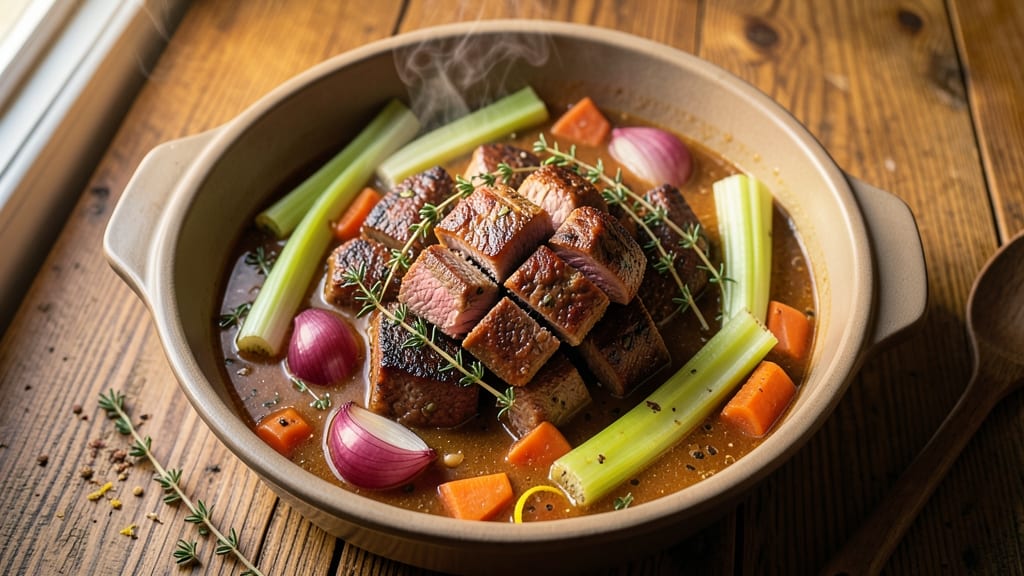
This all-natural beef stew recipe delivers deep, slow-braised richness that transforms tough cuts into melt-in-your-mouth perfection. The secret lies in grass-fed beef, natural broth, and a methodical approach that builds flavor layer by layer—no artificial shortcuts.
I've perfected this technique over years of testing, ensuring every bite carries that comforting, homey depth you crave after a long day.
The process begins with a proper sear to develop a flavorful crust on the beef, followed by a slow simmer that tenderizes the meat while allowing vegetables to soften naturally. Herb-infused depth comes from whole spices like bay leaves and thyme, which release their aromatics gradually.
This isn't just stew—it's a foolproof method that transforms simple ingredients into a restaurant-quality meal without the fuss.
What you'll end up with is a velvety, aromatic stew where beef falls apart at the touch of a fork, vegetables remain vibrant, and the broth is rich enough to spoon. The slow cooking process ensures every component is perfectly balanced—no tough meat, no bland broth.
This is the kind of dish that tastes even better the next day, making it ideal for meal prep or feeding a crowd.
Serve with crusty whole-grain bread to soak up every last drop of that herb-infused richness, or pair it with roasted root vegetables for a complete, natural meal.
The beauty of this recipe is its versatility—it works as a hearty main dish or a comforting side. Let's get started on creating your own slow-braised masterpiece.
Ingredients for all natural beef stew
Sixteen ingredients transform into a restaurant-quality beef stew with layers of herb-infused richness.
| Ingredient | Amount | Notes |
|---|---|---|
| Grass-Fed Beef Chuck Roast 🥩 | 3 lb | Pre-cut into 1.5-inch cubes |
| Yellow Onions 🧅 | 2 whole | Cut into 1-inch chunks |
| Carrots 🥕 | 4 whole | Peeled, cut into 2-inch pieces |
| Celery Stalks 🧅 | 4 whole | Cut into 1-inch pieces |
| Garlic Cloves 🧄 | 6 cloves | Smashed with side of knife |
| Fresh Thyme Sprigs 🌿 | 4 whole | Leaves stripped from stems |
| Fresh Rosemary 🌿 | 1 tbsp | Chopped, fresh preferred |
| Bay Leaves 🍃 | 2 whole | Dried, standard size |
| Beef Bone Broth 💧 | 6 cups | Homemade or high-quality store-bought |
| Red Wine 🍷 | 1 cup | Dry, bold variety like Cabernet |
| Tomato Paste 🍅 | 2 tbsp | Smooth, no sugar added |
| Extra-Virgin Olive Oil 🫒 | 2 tbsp | For initial searing |
| Kosher Salt 🧂 | 1 ½ tsp | Diamond Crystal preferred |
| Freshly Ground Black Pepper 🌶️ | 1 tsp | Coarse grind preferred |
| All-Purpose Flour 🌾 | 2 tbsp | For dredging beef cubes |
The grass-fed beef chuck roast is non-negotiable—its marbling and natural fat render during slow cooking to create a velvety, self-basting broth. Look for cuts with visible fat streaks at Whole Foods or your local butcher shop, where they can often provide pre-cubed pieces for convenience. If using a whole roast, ask for it to be cut into 1.5-inch cubes—this ensures even cooking. For the vegetables, organic carrots and celery from the grocery store's produce section (like Trader Joe's or Costco) will have better flavor than pre-cut mixes. The yellow onions should be firm with no soft spots, and the garlic should smell pungent, not musty.
No grass-fed beef? Organic beef chuck roast from the supermarket works just as well, though the flavor will be slightly less rich. Substituting beef broth for the red wine? Use 1 cup of broth plus 1 tbsp balsamic vinegar to mimic the depth. The tomato paste can be skipped entirely if you prefer a more traditional stew, but it adds a subtle sweetness that balances the acidity. For the fresh herbs, dried thyme and rosemary at one-third the amount will suffice in a pinch, though fresh is always preferable. The flour is purely for dredging the beef cubes before searing—it helps create that crucial crust for maximum flavor development.
This stew tastes even better the next day as flavors meld together, so portion into airtight containers and store in the refrigerator for up to 5 days. For longer storage, freeze individual portions in ziplock bags for up to 3 months. The broth can be reduced and frozen separately for future use in soups or sauces. When reheating, add a splash of water or broth to prevent thickening. Serve with crusty whole-grain bread or over mashed potatoes to soak up every last drop of that herb-infused richness—the true hallmark of this recipe.
Why You'll Love This Recipe
- One-Pot Magic: I swear by this—just toss the beef, onions, carrots, and celery into the same pot, let it simmer, and walk away. No chopping boards to scrub, no extra pans to wash. Honestly, the only cleanup is the good kind: licking the spoon.
- Deep, Rich Flavor: That grass-fed chuck? It melts into tender perfection, while the garlic and onions caramelize into something almost sweet. The carrots stay crisp enough to bite into—like a hug in a bowl, but better.
- Weeknight to Holiday: Between us, this stew is my lazy Sunday dinner and my Thanksgiving side. Double the batch, freeze half, and you’ve got a ready-to-heat meal when company drops by. (Yes, even on a Tuesday night.)
- Budget-Friendly Luxury: A big roast stretches for days—my kids beg for seconds, my wallet thanks me. The veggies are cheap, the beef’s hearty, and leftovers taste just as good reheated as they do fresh. Not the prettiest, but the taste makes up for it.
Step-by-step instructions for all natural beef stew
Master this slow-braised technique for beef so tender it nearly melts in your mouth.
Sear the Beef for Deep Flavor
Heat a heavy Dutch oven over medium-high heat until hot. Add the 2 tablespoons extra-virgin olive oil and swirl to coat the bottom evenly. Working in batches to avoid crowding, add the 3 lb grass-fed beef chuck roast cubes and sear for 2-3 minutes per side until deeply browned and caramelized.
This searing step creates the Maillard reaction, which develops the rich, complex flavors that form the stew's foundation. Press down gently on the beef with a spoon during the first minute to prevent curling. Once all cubes are browned, transfer them to a plate and set aside.
Build the Aromatic Base
In the same Dutch oven, add the 2 whole yellow onions, 4 whole carrots, and 4 whole celery stalks, all cut as specified. Cook for 5-6 minutes until the vegetables begin to soften and the onions turn translucent. Add the 6 smashed garlic cloves and cook for 30 seconds until fragrant.
Stir in the 2 tablespoons tomato paste and cook for 1 minute to deepen its flavor. Sprinkle with the 2 tablespoons all-purpose flour and stir vigorously for 30 seconds to create a light roux that will help thicken the stew. This aromatic base forms the flavor backbone of your stew.
Deglaze and Simmer the Stew
Pour in the 1 cup red wine and scrape up any browned bits from the bottom of the pot with a wooden spoon. This deglazing step captures all the concentrated beef flavor that would otherwise be lost. Let the wine simmer for 3-4 minutes until reduced by half.
Add the 6 cups beef bone broth, 1.5 teaspoons kosher salt, 1 teaspoon freshly ground black pepper, 4 whole fresh thyme sprigs, 1 tablespoon chopped fresh rosemary, and 2 whole bay leaves. Return the seared beef to the pot, ensuring the cubes are mostly submerged in the liquid.
Slow-Braise to Perfection
Bring the stew to a gentle simmer, then reduce heat to low and cover partially with a lid. Let it cook for 2.5-3 hours until the beef is fork-tender and easily pulls apart. The vegetables should be soft but still hold their shape.
Check occasionally and add ¼ cup water if the liquid reduces too much. The stew should be thick enough to coat the back of a spoon but still have some liquid to create a sauce. The long, slow cooking process transforms tough beef into melt-in-your-mouth tenderness while developing deep, complex flavors.
Finish and Serve
Remove the thyme sprigs and bay leaves from the stew. Taste and adjust seasoning if needed, adding more salt or pepper as necessary. Let the stew sit off the heat for 10 minutes to allow the flavors to meld and thicken slightly.
Serve the beef stew hot, ladled over crusty bread or with roasted potatoes. Each spoonful should deliver rich, savory beef with perfectly balanced vegetable flavors and a velvety sauce that coats every bite. This slow-braised technique ensures maximum tenderness and flavor extraction from every ingredient.
Pro Tips For Making All Natural Beef Stew
- Sear the Chuck Hard: I learned this the hard way—skipping a proper sear means flavorless stew. Use a heavy pot with 2 tablespoons of oil and get that beef deep brown on all sides before adding liquid. The crust locks in juices and builds depth that simmering alone can’t match.
- Cut Celery into ½-inch Chunks: I used to slice it thin for prettiness, but thick chunks hold up better during long cooking. Grass-fed beef needs tougher veggies to stand up to the slow braise—this keeps the texture satisfying, not mushy.
- Deglaze with Red Wine First: Skip the water shortcut—after searing, splash in ½ cup red wine (or broth) and scrape every bit of browned bits from the bottom. That’s where the umami magic hides, and it’s the foundation for all-natural flavor without additives.
- Check Internal Temp at 2 Hours: Grass-fed chuck can play hard to get—pull it when it hits 195°F, not 203°F like some recipes say. It’ll finish cooking in the pot, but overdoing it turns the meat dry. A meat thermometer here saves you from guessing.
Pro cooking tips for all natural beef stew
Sear Like a Pro
Don’t rush the sear—this is where all the magic happens! Use a heavy Dutch oven (like Le Creuset) and work in batches to avoid crowding. The beef should sizzle loudly and develop a deep caramelized crust on all sides.
I swear by pressing down with a spoon for the first 30 seconds to flatten the cubes—this prevents curling and ensures even browning. 🔥
Deglaze with Purpose
After searing, scrape up every last bit of browned beef from the pot—this is called fond, and it’s packed with flavor. Pour in the red wine and let it simmer until reduced by half.
This step isn’t just about cleaning the pot; it’s about building layered depth that separates homemade stew from store-bought. I like to use Cabernet Sauvignon for its bold, dry profile.
Low and Slow Wins
Resist the urge to speed things up! The 2.5-3 hour low simmer is non-negotiable for tender beef. Use a meat thermometer to check doneness—beef should reach 195-205°F internally.
If the liquid reduces too quickly, add ¼ cup broth in small increments. The goal is a thick, velvety sauce, not a dry pot.
Herb Infusion Secrets
Whole thyme sprigs and bay leaves release their flavors gradually, but don’t let them overpower the dish. Remove them 10 minutes before serving so they don’t turn bitter. For extra aroma, I like to add a sprig of fresh rosemary during the final hour of cooking.
The herbs should enhance, not dominate—the beef is the star here. 🌿
Rest Before Serving
This is my favorite part—letting the stew rest off the heat for 10 minutes before serving. It allows the juices to redistribute, making every bite juicier and richer. Skipping this step means serving stew that’s still "working" and losing flavor. Trust me, your taste buds will thank you. ✨
Equipment Upgrades
While a Dutch oven works, a slow cooker (like Instant Pot) can handle the 3-hour cook time on low. For searing, though, nothing beats a cast-iron skillet on the stovetop.
If you’re short on time, use a pressure cooker (like Fagor) to cut cooking time to 45 minutes—just monitor closely to avoid overcooking. The key is patience, but modern tools can help! ⏱️
Nutrition facts
Frequently asked questions
What's the best cut of beef for this all-natural stew?
Use grass-fed beef chuck roast—it's the perfect balance of flavor and fat content for slow cooking. The marbling renders beautifully during the 2.5-3 hour simmer, creating a rich, self-basting sauce. If chuck isn't available, beef short ribs or brisket work equally well. Never use lean cuts like sirloin—they'll dry out during the long cooking process.
Can I make this stew in a slow cooker?
Brown the beef in a skillet first, then transfer everything to your slow cooker. Cook on low for 7-8 hours or high for 4-5 hours. The key difference is you'll need to add ½ cup extra broth since slow cookers evaporate more liquid. For best results, use a 6-quart slow cooker to prevent overflow.
Why does my stew turn out watery?
Watery stew usually means one of two things: either you didn't sear the beef properly (so no flavor developed) or you used too much liquid. Start with 6 cups broth and add only ¼ cup at a time if needed during cooking. For extra thickness, remove the beef and reduce the sauce on high heat for 5-10 minutes before adding it back. The sauce should coat the back of a spoon but still be spoonable.
How do I store leftovers properly?
Let the stew cool completely, then transfer to airtight containers and refrigerate for up to 5 days. For longer storage, freeze individual portions in ziplock bags for 3 months. When reheating, add 2-3 tablespoons water or broth to prevent thickening. The flavors actually improve after 24 hours as everything melds together.
What if I don't have red wine?
No problem! Substitute with 1 cup beef broth plus 1 tablespoon balsamic vinegar for acidity, or use 1 cup apple cider for slight sweetness. For depth, add ½ teaspoon Worcestershire sauce (ensure it's all-natural). The wine's purpose is to deglaze and add complexity—any acidic liquid will work in a pinch.