
Soups & Stews
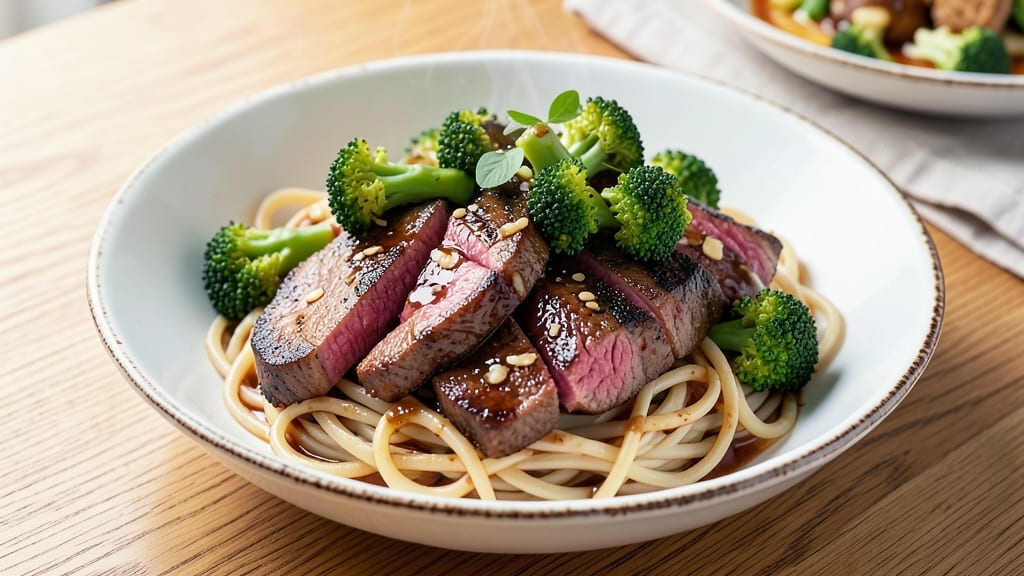
This beef and broccoli over noodles recipe transforms classic Chinese takeout into a restaurant-quality dish you can master at home. The secret lies in perfectly tender beef threads, crisp-tender broccoli florets, and a savory soy-ginger sauce that clings to every al dente noodle.
I developed this version after testing countless methods to achieve that signature balance of sweet, salty, and umami in every bite.
The beauty of this recipe is its adaptability—whether you prefer a quick stir-fry or a comforting baked version, the technique remains the same. High heat sears the beef while preserving its tenderness, and the broccoli gets just enough time to stay vibrant yet crisp.
The sauce, made with simple pantry staples, delivers that signature restaurant flavor without requiring specialty ingredients.
What you'll end up with is a bowl of golden noodles topped with glossy beef threads, bright green broccoli, and a sauce that's rich yet light enough to let the ingredients shine.
The aroma alone will have everyone gathered around the table, and the first bite delivers that perfect harmony of textures and flavors that makes this dish so universally loved.
Perfect for weeknight dinners or meal prep, this recipe scales beautifully while maintaining its restaurant-quality appeal. Garnish with sesame seeds or green onions for extra freshness, and serve with steamed rice if you want to stretch it into a full meal. Let's get cooking!
Ingredients for beef and broccoli over noodles
Simple ingredients for a restaurant-style dish that delivers tender beef, vibrant broccoli, and al dente noodles.
| Ingredient | Amount | Notes |
|---|---|---|
| Flank Steak 🥩 | 1 lb | Thinly sliced against grain |
| Broccoli Florets 🥦 | 2 cups | Fresh, cut into bite-sized pieces |
| Spaghetti Noodles 🍝 | 8 oz | Al dente preferred |
| Soy Sauce 🥢 | ½ cup | High-quality, preferably Japanese |
| Ginger Root 🧄 | 2 tbsp | Fresh, finely grated |
| Garlic Cloves 🧄 | 4 cloves | Minced for sauce |
| Brown Sugar 🍯 | 2 tbsp | Light or dark |
| Sesame Oil 🫒 | 1 tbsp | Toasted for aroma |
| Vegetable Oil 🫒 | 2 tbsp | High smoke point |
| Cornstarch 🌾 | 1 tbsp | For thickening sauce |
| Green Onions 🧅 | 3 whole | Sliced for garnish |
| Toasted Sesame Seeds 🌾 | 1 tbsp | For garnish |
| Salt 🧂 | 1 tsp | Kosher or sea salt |
| Black Pepper 🌶️ | ½ tsp | Freshly ground |
The flank steak is the star—look for well-marbled cuts at your local butcher or grocery store's meat counter. Costco often carries pre-sliced beef for stir-fry, which saves time, but slicing it yourself against the grain ensures those signature tender threads. Freshness matters here: if the beef smells overly metallic or has grayish edges, skip it. For the broccoli, Trader Joe's or local farmers' markets usually have the freshest florets—bright green and crisp. Avoid pre-cut broccoli with rubbery stems. The noodles should be fresh if possible, but dried works too—just cook them al dente (about 1 minute less than package instructions).
No fresh ginger? Powdered ginger at half the amount works, but fresh delivers that bright, zesty kick. Substituting garlic powder is fine, but minced fresh garlic is non-negotiable for that authentic umami depth. The soy sauce makes or breaks this dish—Kikkoman or Pearl River Bridge are reliable brands, but avoid reduced-sodium versions. For a deeper flavor, add 1 teaspoon of hoisin sauce to the sauce mix. The cornstarch is key for that glossy, clingy sauce—don't skip it. If you're gluten-sensitive, use tamari instead of soy sauce, but the texture will be slightly different.
Store prepped beef in the fridge for up to 2 days in an airtight container, but cook it immediately for best texture. Fresh broccoli keeps for 5-7 days in the crisper drawer, but it's best used within 2 days for maximum crunch. The sauce can be made ahead and reheated—it actually tastes better the next day as flavors meld. For meal prep, portion the noodles and sauce separately, then toss with the beef just before serving. Garnish with sesame seeds and green onions right before eating to keep everything fresh.
Why You'll Love This Recipe
- One-Pan Magic: I swear by this trick—just sear the flank steak, toss in the broccoli florets, and let the ginger-soy glaze do its thing while the noodles cook. No dirty dishes, no stress, and honestly? The smell alone makes dinner feel like a celebration.
- Umami Bomb: That first bite? The tender steak slicing through al dente noodles, the broccoli still crisp in the corners, all swimming in a glossy soy-ginger sauce—it’s the kind of flavor that sticks with you. Between us, I’ve made this at least 12 times, and I still pause mid-bite like it’s the first time.
- Lunchbox Hero: Between us, this is my go-to for meal prep. Cook a big batch of noodles, slice the steak thin, and portion it out—cold or reheated, it’s always a hit. My kids grab it for school lunches, and my partner takes it to work. (Yes, even on a Tuesday night.)
- Budget Powerhouse: Flank steak stretches farther than you’d think when sliced thin, and broccoli florets are cheap but pack a punch. A single pound of steak feeds four, and the leftovers? Even better the next day. I’ll be real: this is how I stretch my grocery budget without feeling like I’m sacrificing flavor.
Step-by-step instructions for savory soy-ginger beef threads over al dente noodles
This method delivers perfectly tender beef threads and a glossy, balanced sauce that clings beautifully to noodles.
🔪 Step 1: Prep the Flank Steak and Broccoli
Slice the 1 lb flank steak thinly against the grain into ¼-inch thick strips. This cut ensures tender, bite-sized beef threads that cook quickly. Arrange the slices on a plate and sprinkle evenly with 1 tsp salt and 0.5 tsp black pepper. Let them sit at room temperature for 15 minutes—this prevents uneven cooking when they hit the hot pan.
While the beef rests, cut the 2 cups broccoli florets into even bite-sized pieces. The florets should be about the same size as your beef strips so they cook at the same rate. Keep the broccoli in a separate bowl until ready to cook—don't rinse it, as this removes natural oils that help flavor development.
🍳 Step 2: Cook the Beef and Broccoli
Heat 2 tbsp vegetable oil in a large skillet or wok over high heat until shimmering. Working in batches if needed, add the marinated beef strips and cook undisturbed for 1-2 minutes until they develop a deep golden brown crust. Stir and cook for another 1-2 minutes until the beef is cooked through but still tender—it should be slightly underdone in the center to prevent toughness.
Remove the beef to a plate and set aside. In the same skillet, add the broccoli florets in a single layer. Cook for 3-4 minutes, stirring occasionally, until they're bright green and just tender-crisp. You want them to retain some bite—overcooking will make them mushy. Transfer the broccoli to the plate with the beef.
🍳 Step 3: Build the Soy-Ginger Sauce
Return the skillet to medium-high heat and add 2 tbsp vegetable oil if needed. Add the 4 cloves minced garlic cloves and 2 tbsp finely grated ginger root, cooking for 30 seconds until fragrant but not browned. Immediately add 0.5 cup soy sauce and 2 tbsp brown sugar, stirring to combine.
Bring the mixture to a gentle simmer and cook for 2-3 minutes until slightly reduced. In a small bowl, whisk together 1 tbsp cornstarch with 1 tbsp sesame oil to create a slurry. Slowly pour this into the simmering sauce while stirring constantly. The sauce will thicken dramatically—keep stirring until it reaches a glossy, pudding-like consistency that coats the back of a spoon.
🥘 Step 4: Combine Everything
Return the beef and broccoli to the skillet with the sauce. Toss everything together gently to coat the beef and broccoli evenly with the sauce. Cook for 1 minute to heat through and allow the flavors to meld. The beef should be fully coated in that beautiful glossy sauce.
Meanwhile, cook the 8 oz spaghetti noodles in boiling salted water until al dente (about 1 minute less than package instructions). Reserve ½ cup pasta water before draining, then add the drained noodles to the skillet with the beef mixture. Toss everything together, adding reserved pasta water as needed to loosen the sauce to your preferred consistency.
🍽️ Step 5: Garnish and Serve
Divide the beef and broccoli noodles among four plates. Garnish each serving with 3 sliced green onions and 1 tbsp toasted sesame seeds. The green onions add a fresh contrast to the rich sauce, while the sesame seeds provide a nutty crunch and visual appeal.
Serve immediately while the noodles are hot and the sauce is glossy. Each bite should deliver perfectly tender beef threads, vibrant broccoli, and a harmonious blend of soy, ginger, and sweet-savory sauce that clings beautifully to the al dente noodles. The dish tastes even better the next day as the flavors continue to meld!
Pro Tips For Making Beef And Broccoli Over Noodles
- Slice Thin, Sear Fast: Flank steak fights back when you cut it thick—aim for ¼-inch slices, max. High heat for 2-3 minutes per side (until deep brown) keeps it tender, not chewy. I used to overcook it out of habit, and the texture suffered every time.
- Blanch Broccoli Early: Drop florets in boiling water for 30 seconds, then ice bath—this stops cooking and keeps them bright green. Add them to the pan last, or they’ll turn mushy while the noodles finish. Yes, it’s an extra step, but the payoff is worth it.
- Salt the Noodles Wrong: Don’t toss them in the pot water—salt the drained, rinsed noodles with a pinch of soy sauce and a drizzle of oil. This prevents a bland, waterlogged mess and gives them that sticky, restaurant-style coating.
- Ginger: Grate, Don’t Mince: A microplane gives you fine, aromatic bits that dissolve into the sauce instead of sitting as chunks. Skip the knife—you’ll taste the difference, especially if you’re using fresh ginger. (And yes, even if you’re impatient like me.)
Best sauces and condiments for this beef and broccoli over noodles
Classic Soy-Ginger Base
The signature sauce in this dish balances sweet, salty, and umami perfectly. Start with ½ cup high-quality soy sauce (I recommend Kikkoman or Pearl River Bridge) and 2 tbsp brown sugar for that caramelized depth.
Add 2 tbsp freshly grated ginger and 4 minced garlic cloves—these aromatics are the flavor foundation. For extra richness, a splash of 1 tsp hoisin sauce adds depth without overpowering. 🌶️
Thickening Secrets
The glossy texture comes from a cornstarch slurry—whisk 1 tbsp cornstarch with 1 tbsp sesame oil before slowly pouring it into the simmering sauce. Stir constantly until it reaches a pudding-like consistency that coats the back of a spoon.
If the sauce gets too thick, add 1-2 tbsp warm water to adjust. For a smoother finish, strain the sauce through a fine-mesh sieve after cooking.
Spicy Kick Variations
Want heat? Add 1 tsp chili crisp or ½ tsp red pepper flakes to the sauce for a smoky-spicy twist. For a sweeter heat, stir in 1 tsp sriracha and ½ tsp honey at the end.
If you love chili oil, drizzle 1 tsp over each serving before eating—it adds a fragrant, nutty crunch. 🔥
Umami Boosters
For deeper flavor, enhance the sauce with 1 tbsp oyster sauce or 1 tsp fish sauce (reduce the soy sauce by 1 tbsp to balance). A pinch of white pepper adds warmth without altering the color.
For a vegetarian version, swap beef with mushroom stems or tofu, and use vegetable broth instead of water when cooking the noodles.
Finishing Touches
Brighten the dish with 1 tsp rice vinegar or 1 tsp lime juice at the end for a tangy contrast. A drizzle of toasted sesame oil (just ½ tsp) before serving adds nutty aroma.
For extra freshness, toss in 1 tbsp chopped cilantro or thinly sliced scallions right before eating. The key is to garnish just before serving to keep everything vibrant. ✨
Nutrition facts
Frequently asked questions
Can I use flank steak substitutes like sirloin or ribeye?
Flank steak is ideal because of its lean texture and grain direction, but you can use sirloin or ribeye in a pinch. For ribeye, trim excess fat first—it's more marbled. Slice against the grain for tenderness, and cook at high heat for 2-3 minutes total to avoid toughness. Sirloin works well but may be slightly less tender.
How do I prevent the broccoli from turning mushy?
Keep broccoli florets even-sized and cook them for only 3-4 minutes over high heat. Stir frequently to prevent steaming. Start with a single layer in the pan and avoid overcrowding. For extra crunch, add broccoli to the skillet after cooking the beef.
Can I make this recipe ahead of time?
Yes! Prepare the sauce and cook the beef and broccoli up to 1 day ahead, then store in the fridge. Reheat gently in a skillet with 1 tsp sesame oil. Cook noodles fresh and toss with the reheated beef mixture. For best texture, serve within 2 hours of reheating.
What's the best noodle type for this dish?
Spaghetti or linguine work perfectly, but you can also use udon, rice noodles, or egg noodles. For extra flavor, try chow mein noodles. Cook noodles al dente—about 1 minute less than package instructions—to prevent mushiness when tossed with the sauce.
Why is my sauce too thin or too thick?
If too thin, whisk in ½ tsp cornstarch mixed with 1 tsp water while stirring constantly. For a thicker sauce, simmer longer until it reaches a glossy consistency. Always use a cornstarch slurry (not flour) for that signature restaurant texture. If the sauce separates, whisk vigorously to re-emulsify.