
Soups & Stews
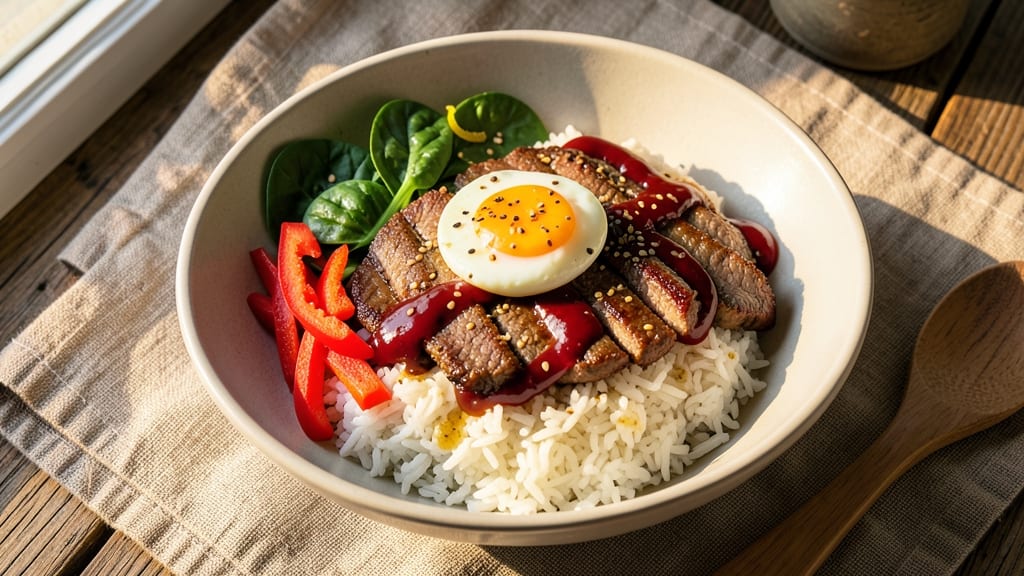
This beef bibimbap bowl recipe delivers restaurant-quality flavors with wok-hot rice, perfectly crispy vegetables, and tender marinated beef—all coming together in a vibrant, spicy-sweet gochujang sauce.
The secret lies in high-heat stir-frying each component separately to preserve textures, then assembling everything into a visually stunning bowl that's as delicious as it looks.
What sets this recipe apart is the balance of techniques: thinly sliced beef marinated in soy and sesame, vegetables stir-fried to crispy perfection, and rice cooked with a touch of sesame oil for nutty aroma.
The gochujang sauce ties everything together with its signature sweet-spicy kick, while toasted sesame seeds add a final crunchy finish. Every bite combines textures and flavors in perfect harmony.
By the time you serve this bowl, you'll have a dish that's colorful, aromatic, and packed with restaurant-quality depth—no takeout required. The beef remains tender, the vegetables stay crispy and vibrant, and the gochujang sauce delivers that signature tangy heat that makes bibimbap so addictive.
This is comfort food that feels special enough for guests but simple enough for weeknights.
The best part? Each component can be prepped ahead and assembled quickly when ready to eat, making it perfect for meal prep. Let's build this bowl step by step—your taste buds will thank you.
Ingredients for beef bibimbap bowl
These vibrant ingredients transform into a restaurant-worthy beef bibimbap bowl with crispy veggies and bold flavors.
| Ingredient | Amount | Notes |
|---|---|---|
| Short-Grain White Rice 🍚 | 1 ½ cups | Uncooked, jasmine preferred |
| Korean Gochujang Sauce 🌶️ | ¼ cup | Store-bought or homemade |
| Sesame Oil 🫒 | 1 tbsp | Toasted, for aroma |
| Rice Vinegar 💧 | 1 tbsp | White or seasoned |
| Soy Sauce 🍶 | ½ cup | Korean preferred |
| Sesame Seeds 🌰 | 2 tbsp | Toasted for garnish |
| Vegetable Oil 🫒 | ½ cup | High smoke point |
| Thinly Sliced Beef 🥩 | 1 lb | Ribeye or sirloin |
| Zucchini 🥒 | 1 medium | Thinly sliced |
| Carrots 🥕 | 1 medium | Julienned |
| Spinach 🌿 | 4 cups | Baby or fresh |
| Red Bell Pepper 🌶️ | 1 whole | Thinly sliced |
| Garlic Cloves 🧄 | 4 cloves | Minced |
| Ginger 🌿 | 1 tbsp | Freshly grated |
| Green Onions 🧅 | 4 whole | Thinly sliced |
| Salt 🧂 | 1 tsp | Kosher preferred |
| Black Pepper 🌶️ | ½ tsp | Freshly ground |
| Sugar 🍚 | 1 tsp | White or brown |
The beef is non-negotiable for texture—ribeye or sirloin slices thinly against the grain for maximum tenderness. Costco or Trader Joe's often carry pre-sliced options, but if you're slicing yourself, use a sharp knife and freeze the meat for 30 minutes first. The gochujang sauce? Mae Ploy or Gochujang by Haein are the gold standards—look for vibrant red color and no artificial additives. Fresh ginger and garlic? Buy organic if possible, and grate them fresh right before cooking for maximum punch.
No sesame oil? Toasted sesame seeds plus neutral oil works in a pinch, though the aroma won't be as rich. Swap zucchini for sweet potato or mushrooms if you prefer. The spinach can be pre-washed bagged spinach—no need to chop. For the beef marinade, mirin or honey can replace rice vinegar if you're avoiding it. And if you can't find Korean soy sauce, Japanese shoyu is a decent substitute, though the flavor profile will shift slightly. The key to crispy veggies is high heat—don't overcrowd the pan!
Prep ahead like a pro: marinate the beef and slice all veggies the night before. Store everything in airtight containers in the fridge for up to 3 days. The rice stays best at room temperature until serving—never refrigerate cooked rice for bibimbap. Toasted sesame seeds keep for 6 months in a cool, dark place. For meal prep, assemble bowls without the gochujang sauce until ready to serve—it keeps best fresh. Leftovers? Reheat gently in a dry skillet to restore crispiness.
Why You'll Love This Recipe
- Minimal Chopping Required: I swear by this—just slice the beef thin, stir-fry it fast, and toss in whatever veggies you have on hand. No fancy knife skills needed, and the gochujang sauce does the flavor work for you.
- Umami Bomb Combo: That sesame oil and soy sauce marriage? Chef’s kiss. The gochujang brings the heat, but the rice vinegar cuts through it just enough to make every bite balanced—like a spicy hug for your taste buds.
- Lunchbox Hero: Between us, this is my go-to for meal prep. Cook a big batch of rice, portion the beef and sauce separately, and assemble when you’re ready. Cold or reheated, it’s still solid—no sad, soggy leftovers here.
- Budget-Friendly Powerhouse: Short-grain rice is cheap, beef is versatile, and you can stretch this for days. Honestly, I’ve made it with whatever was in my fridge—carrots, spinach, even leftover zucchini—and it never let me down.
Step-by-step instructions for beef bibimbap bowl
Here's how to create a vibrant, wok-hot bibimbap with perfectly crispy vegetables and tender beef.
Prepare the Short-Grain White Rice
Rinse the 1.5 cups short-grain white rice thoroughly under cold water until the water runs clear. This removes excess starch and prevents gummy rice. Drain well and transfer to a pot with 2.5 cups water (1:1.66 rice-to-water ratio works perfectly for jasmine). Bring to a boil, then reduce heat to low, cover, and simmer for 15 minutes. Turn off heat and let it steam for another 10 minutes. Fluff with a fork and keep warm.
I like to use a rice cooker for this step—it maintains consistent temperature and gives you perfectly fluffy grains every time. If you're cooking ahead, spread the rice on a tray to cool quickly and prevent clumping. The rice should be hot and slightly sticky when you're ready to assemble the bowls.
Marinate and Cook the Thinly Sliced Beef
In a bowl, combine the 1 lb thinly sliced beef with 0.5 cup soy sauce, 1 tbsp sesame oil, 1 tbsp rice vinegar, 1 tsp sugar, 0.5 tsp black pepper, and 1 tbsp freshly grated ginger. Mix well and let marinate for 15-20 minutes at room temperature. This short marinade enhances the beef's natural tenderness without overpowering its flavor.
Heat 1 tbsp vegetable oil in a wok or large skillet over high heat. Add the beef in a single layer and sear for 1-2 minutes until just cooked through—it should still be slightly pink in the center. Remove from heat immediately and set aside. The beef should be tender but not rubbery; overcooking will make it tough.
Stir-Fry the Vegetables for Maximum Crisp-Tender Texture
In the same wok, add 0.25 cup vegetable oil and heat over medium-high heat. Add the 1 medium julienned carrot and 1 medium thinly sliced zucchini first, stir-frying for 2-3 minutes until they begin to soften but still retain a slight crunch. Remove and set aside in a bowl.
Add 1 whole thinly sliced red bell pepper and 4 cloves minced garlic, cooking for 1 minute until fragrant. Toss in the 4 cups spinach and stir-fry for 30 seconds until just wilted. Return all vegetables to the wok and add the 1 lb cooked beef, tossing everything together for 1 minute to combine. The vegetables should be crisp-tender with vibrant colors—this is the key to authentic bibimbap texture.
Assemble the Bibimbap Bowls with Gochujang Magic
Divide the 1.5 cups cooked rice evenly among four bowls. Arrange the vegetable-beef mixture on top of the rice in a circular pattern, creating a visually appealing presentation. Drizzle each bowl with 1 tbsp Korean gochujang sauce (about 0.25 cup total) and 1 tbsp sesame oil. The gochujang adds that signature spicy-sweet depth that ties everything together.
Garnish each bowl with 1 whole thinly sliced green onion and sprinkle with 0.5 tbsp toasted sesame seeds (about 2 tbsp total). The contrast of textures—crispy veggies, tender beef, and fluffy rice—makes every bite exciting. Serve immediately while the vegetables are still crisp and the rice is hot.
The Final Touch - Wok-Hot Assembly
Here's the moment that matters: just before serving, heat the wok over high heat and quickly stir-fry all the ingredients together for 30-60 seconds. This final wok-heat step creates that signature "bibimbap crunch" and melds all the flavors into a cohesive bowl. Transfer the hot mixture back to the bowls and serve immediately.
Each bite should deliver a perfect balance of textures—crisp vegetables, tender beef, and fluffy rice—all bound together by the spicy-sweet gochujang sauce. The contrast of temperatures and textures is what makes bibimbap so satisfying. Enjoy your homemade Korean feast!
Pro Tips For Making Beef Bibimbap Bowl
- SEAR THE BEEF FAST: I learned this the hard way—low heat means gray, rubbery beef. Crank the pan to medium-high and work in batches if needed. You want deep caramelization in 2-3 minutes, not steamed meat that clings like wallpaper.
- RICE VINEGAR FIRST: Mix the rice vinegar and soy sauce before adding gochujang. The acid cuts through the sweetness in the paste, balancing the heat. I used to toss the gochujang in first, and the bowl always tasted one-note.
- DON’T SKIP THE SESAME OIL TOAST: Heat 1 teaspoon of sesame oil in the pan after removing the beef, then swirl it into the rice. The nutty aroma hits instantly—no waiting for it to infuse. (Yes, even if you’re impatient like me.)
- CHILL THE GOCHUJANG: Refrigerate your gochujang sauce for 10 minutes before mixing. Cold paste blends smoother and coats the rice evenly. I was skeptical until I tried it—now I never skip it.
Storing and reheating your beef bibimbap bowl
Refrigerator Storage
Store cooked beef bibimbap components separately in airtight containers for up to 3 days in the fridge. Keep the rice in one container, vegetables in another, and beef in a third to maintain texture.
The gochujang sauce should be refrigerated separately—it keeps best fresh but can be stored for 1 week. I always label containers with dates to track freshness. 📅
Freezer Prep Tips
For longer storage, freeze components individually: rice (up to 3 months), beef (up to 2 months), and vegetables (up to 1 month). Spread rice on a tray before freezing to prevent clumping.
Vegetables freeze best when blanched for 30 seconds first—this preserves their crisp texture. Thaw overnight in the fridge before reheating. 🧊
Reheating for Crispy Perfection
Reheat rice in a steamer basket over boiling water for 5-7 minutes until hot. For vegetables and beef, use a non-stick skillet over high heat with 1 tsp vegetable oil—stir-fry for 2-3 minutes to restore crispness.
The wok-heat method recreates that signature bibimbap crunch. Add fresh gochujang sauce after reheating to avoid thinning. 🔥
Microwave Method
For quick meals, microwave rice and beef separately on high for 2 minutes, stirring halfway. Vegetables should be microwaved for 1 minute with a damp paper towel covering to retain moisture.
Finish by tossing everything in a hot skillet for 30 seconds to revive textures. This method works best for single servings. ✨
Meal Prep Strategy
Prep all components 2 days ahead—marinate beef, chop veggies, and cook rice. Store in separate containers and assemble bowls fresh. The gochujang sauce can be pre-mixed. When ready to serve, quickly stir-fry in a hot wok for that restaurant-quality finish. This approach saves 30 minutes on busy weeknights. 💪
Reviving Stale Rice
If rice loses its fluffiness, steam it again for 3 minutes or spread on a tray in the microwave for 1 minute with 1 tbsp water. For extra flavor, add ½ tsp sesame oil while reheating. This trick works wonders for bibimbap rice that's been stored overnight. 🍚
Nutrition facts
Frequently asked questions
Can I substitute the beef with another protein?
For a vegetarian version, use extra-firm tofu (pressed and marinated) or mushrooms (shiitake or oyster). Chicken or pork work too—just adjust marinade time (20-30 minutes) for thinner cuts. The key is keeping proteins tender and thinly sliced to mimic bibimbap's signature texture.
Why do my vegetables get soggy instead of crispy?
Overcrowding the pan or cooking at low heat causes soggy veggies. Use high heat and cook in batches if needed. Start with harder veggies (carrots, bell peppers) first, then add softer ones (spinach) last. Stir-fry for 2-3 minutes max—they should stay crisp-tender, not mushy. A wok works best for even heat distribution.
How do I adjust the spice level in the gochujang sauce?
Start with 1 tbsp gochujang per bowl and adjust to taste. For milder flavor, mix with 1 tsp honey or sugar. Need more heat? Add ½ tsp gochugaru (Korean chili flakes) or a dash of red pepper flakes. Always taste before drizzling—you can always add more, but you can't take it out!
What's the best way to make this a one-pan meal?
Cook rice in a rice cooker or instant pot first. Then use the same pan for beef (sear first) and vegetables (stir-fry in batches). Keep the rice warm in a covered pot while you finish. For assembly, transfer everything to a large platter, drizzle with sauce, and serve family-style. This cuts cleanup by 50% while keeping flavors vibrant.
Can I make this gluten-free?
Yes! Use tamari or coconut aminos instead of soy sauce in the beef marinade. Check your gochujang label—some brands contain wheat. For rice, ensure it's certified gluten-free. All other ingredients (veggies, sesame oil) are naturally gluten-free. Just verify all sauces and seasonings for hidden gluten.