
Soups & Stews
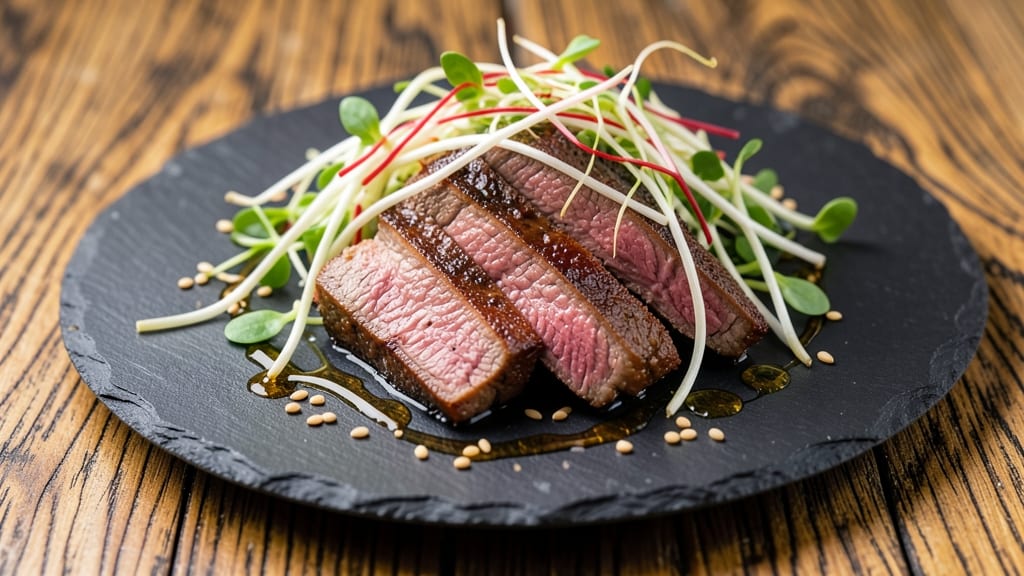
This beef and bean sprouts recipe delivers a perfect balance of wok-hot crunch and silky soy-ginger gloss that transforms a simple stir-fry into a restaurant-worthy dish.
The secret lies in high-heat searing of the beef, which creates a caramelized crust while keeping the center tender, paired with fresh bean sprouts that stay crisp even after cooking. I developed this recipe after years of testing—each element is designed to work together for maximum flavor and texture contrast.
The foundation starts with thinly sliced beef that cooks quickly over high heat, preventing toughness while developing deep umami flavors. A homemade soy-ginger sauce ties everything together, its sweet, tangy, and aromatic profile cutting through the richness of the meat.
Bean sprouts add a fresh, crunchy element that keeps every bite exciting, while scallions and sesame seeds provide bright, textural finishing touches.
What you'll end up with is a dish that's bold in flavor yet balanced in texture—crispy edges on the beef, tender yet firm sprouts, and a sauce that coats every ingredient without overwhelming.
The aroma alone will have everyone at the table anticipating the first bite, and the combination of textures makes it satisfyingly substantial for a weeknight dinner.
This recipe works equally well as a main dish or as part of a larger Asian-inspired spread. Serve it over steamed rice for a complete meal, or pair with a light beer or crisp green tea to complement the dish's vibrant flavors.
The technique is simple enough for weeknights but impressive enough for dinner guests—proof that great food doesn't require complicated methods.
Ingredients for beef and bean sprouts
High-heat searing meets delicate textures in this restaurant-quality beef and bean sprouts stir-fry.
| Ingredient | Amount | Notes |
|---|---|---|
| Flank Steak 🥩 | 1 lb | Thinly sliced against grain |
| Fresh Bean Sprouts 🌱 | 6 cups | Rinsed and drained well |
| Scallions 🧅 | ¼ cup | White and green parts, sliced |
| Sesame Seeds 🌰 | 1 tbsp | Toasted for aroma |
| Extra-Virgin Olive Oil 🫒 | 2 tbsp | High smoke point preferred |
| Sesame Oil 🫒 | 1 tbsp | For finishing aroma |
| Low-Sodium Soy Sauce 🍶 | ⅓ cup | Kikkoman preferred |
| Rice Vinegar 🍶 | 2 tbsp | Seasoned variety works |
| Fresh Ginger 🌿 | 2 tbsp | Finely grated, peeled |
| Garlic Cloves 🧄 | 4 cloves | Minced for sauce |
| Honey 🍯 | 1 tbsp | Wildflower preferred |
| Cornstarch 🌾 | 1 tbsp | For tenderizing beef |
| Diamond Crystal Kosher Salt 🧂 | ½ tsp | Adjust to taste |
| Ground Black Pepper 🌶️ | ¼ tsp | Freshly cracked |
The flank steak is non-negotiable here—its lean yet tender texture holds up perfectly to high-heat cooking. Look for USDA Choice grade with good marbling at Whole Foods or your local butcher. Slice it paper-thin against the grain (about 1/8-inch) for maximum tenderness. I always ask the butcher to slice it for me—Costco does this free of charge. For the bean sprouts, organic is worth it—they stay crisp longer and have better flavor. Rinse them thoroughly before using, but drain completely to avoid a soggy stir-fry. The scallions should be bright white and crisp—avoid wilted ones at the grocery store's back.
No flank steak? Sirloin or ribeye work in a pinch, but slice even thinner. The bean sprouts can be swapped for snow peas or shiitake mushrooms if you prefer umami over crunch. For the sauce, low-sodium soy sauce is critical—regular brands add too much salt. If you can't find Kikkoman, San-J is a solid backup. The ginger should be freshly grated (bottled loses its kick), and the garlic should be minced, not pressed—that releases more flavor. Need to make this ahead? Prep the sauce and marinate the beef up to 4 hours ahead, but don't cook the sprouts early—they lose their crunch.
This dish shines when made fresh, but components can be prepped ahead. The sauce keeps for 1 week in the fridge, and the raw beef can marinate overnight (covered tightly). Bean sprouts stay crisp for 3-4 days if stored in a sealed container with a paper towel. For maximum texture contrast, cook the beef just before serving—it reheats beautifully but loses its caramelized crust if held too long. The finished dish holds for 2 days refrigerated**, though the sprouts may soften slightly. Serve immediately over steamed jasmine rice for the full experience.
Why You'll Love This Recipe
- One-Pan Magic: I swear by this trick—just sear the flank steak, toss in the sprouts, and let the residual heat finish everything. No extra pots, no extra stress, just that perfect charred crust on the beef while the sprouts stay crisp.
- Umami Bomb: That first bite? The flank steak’s deep, savory richness cuts through the fresh crunch of the sprouts, and the toasted sesame seeds add this nutty, toasty finish. Honestly, it’s the kind of dish where I’ll pause mid-bite just to appreciate how good it is.
- Lunchbox Hero: Between us, this is my go-to for packed lunches. The steak stays tender when sliced thin, the sprouts hold their crunch, and the whole thing reheats beautifully. (Yes, even on a Tuesday night when I’m too tired to think.)
- Budget Power Move: Flank steak stretches further than you’d think when sliced against the grain, and bean sprouts are one of the most affordable fresh veggies out there. I’ve fed four people for under $15 with this—no fancy ingredients, just smart choices.
Step-by-step instructions for wok-hot beef and bean sprouts
Master this technique and you'll deliver restaurant-quality texture—crisp-tender beef with vibrant sprouts.
Tenderize and Marinate the Flank Steak
Place the 1 lb Flank Steak between two sheets of plastic wrap. Using a meat mallet, pound it to an even ¼-inch thickness—this ensures even cooking and maximum tenderness. The grain direction matters: slice against it later for the best texture.
In a bowl, combine 1 tbsp Cornstarch, 0.33 cup Low-Sodium Soy Sauce, 2 tbsp Rice Vinegar, 2 tbsp Fresh Ginger, 4 cloves Garlic Cloves (minced), 1 tbsp Honey, 0.5 tsp Diamond Crystal Kosher Salt, and 0.25 tsp Ground Black Pepper. Add the pounded steak and massage the marinade into every surface. Let it sit at room temperature for 20 minutes—this jumpstarts the cooking process and creates a silky sauce base.
Sear the Beef for Maximum Flavor
Heat a 14-inch wok or cast-iron skillet over high heat until a drop of water sizzles and evaporates instantly. Add 2 tbsp Extra-Virgin Olive Oil and swirl to coat. Working in batches if needed, add the marinated steak and sear for 1-2 minutes per side until deep golden brown with caramelized edges. The high heat is crucial—it creates that wok-hot crunch while keeping the interior silky.
Remove the beef and set aside. Don't drain the pan—those browned bits are pure flavor. If the oil starts smoking excessively, reduce heat slightly but maintain high heat for the best sear. The beef should be 85% cooked at this point—it'll finish in the stir-fry.
Build the Soy-Ginger Sauce
Return the wok to high heat and add the seared beef back in. Pour in the remaining marinade (strain if needed) and let it simmer for 1 minute to create a glossy sauce. The residual heat will finish cooking the beef while developing the sauce's depth. You're aiming for a thin, syrupy consistency—if it's too thick, add 1-2 tablespoons water to loosen.
Remove the beef from the wok and set aside again. This sauce is the heart of the dish—it should coat the back of a spoon with a smooth, velvety texture. The combination of soy, ginger, and honey creates that signature umami-sweet balance that makes this dish irresistible.
Stir-Fry the Bean Sprouts to Perfect Crisp-Tender
Add 6 cups Fresh Bean Sprouts to the wok in a single layer. Stir-fry over high heat for 2-3 minutes until they're bright green and just beginning to wilt—they should still have a crunchy bite when bitten into. Overcooking turns them mushy, so watch closely. The high heat and quick cooking preserve their freshness and texture.
Return the beef to the wok and toss everything together for 30 seconds to coat the sprouts in the sauce. The contrast between the silky beef and crisp-tender sprouts is what makes this dish so satisfying. If the sprouts seem dry, add 1 teaspoon Rice Vinegar to brighten them up.
Finish with Aromatics and Serve Immediately
Push the beef and sprouts to one side of the wok. Add 0.25 cup Scallions (white and green parts) and stir-fry for 30 seconds until fragrant. Drizzle in 1 tbsp Sesame Oil and toss everything together. Sprinkle with 1 tbsp Sesame Seeds just before serving—they add a nutty aroma that elevates the dish.
Serve immediately while the wok heat lingers. The high heat cooking ensures that first bite delivers crisp-tender texture with silky sauce clinging to every piece. This dish is all about contrast—hot wok energy, crunchy sprouts, and tender beef working together in perfect harmony.
Pro Tips For Making Beef And Bean Sprouts
- SEAR STEAK IN BATCHES: Flank steak releases a ton of juice when searing—too much at once, and you’ll steam it instead of brown it. Cut the steak against the grain into thin strips, then work in two batches. Your pan won’t be crowded, and those strips will get that crisp, caramelized edge every time.
- TRIM SPROUTS LIKE A PRO: Fresh bean sprouts come with stubborn little root ends that turn mushy when cooked. Snip the base off with kitchen shears—cleaner than chopping, faster than pulling, and you’ll avoid that sad, limp texture in your stir-fry.
- DON’T OVERSTIR THE SPROUTS: I used to toss everything like I was flipping pancakes, and the sprouts turned into a sad, wilted pile. Let them sit undisturbed for 30 seconds after adding them to the pan—just long enough to blister slightly before folding them in. They’ll stay crisp, not soggy.
- SALT THE STEAK AFTER SEARING: Seasoning flank steak before cooking dries it out, but adding salt after the initial sear locks in flavor without sucking out moisture. Sprinkle a pinch of flaky salt (or soy sauce) right after removing the strips from the pan—it’ll cling better and taste deeper.
Dietary considerations for this dish
Gluten-Free Adaptation
This dish is naturally gluten-free if you use certified gluten-free soy sauce like Kikkoman Gluten-Free Tamari. Swap the regular soy sauce for ⅓ cup tamari in the marinade and sauce. I also recommend checking your rice vinegar label—some brands process in shared facilities with gluten.
For extra safety, use apple cider vinegar instead. The texture and flavor remain identical, but now everyone at the table can enjoy it safely. 🌱
Low-Carb Options
For a lower-carb version, skip the rice and serve over cauliflower rice—it absorbs the soy-ginger sauce beautifully. I like to toast the cauliflower rice in the same wok for 2 minutes before adding the beef and sprouts to develop nutty flavors.
If you're strict keto, you can also reduce the honey to ½ tbsp (or omit entirely) and use sugar-free sweetener like erythritol instead.
Vegetarian Swap
Replace the beef with extra-firm tofu or mushrooms for a plant-based version. For tofu, press and slice 1 block (14 oz) into thin strips, then marinate in the same sauce for 20 minutes. Pan-fry until golden before adding to the wok.
Shiitake mushrooms work well too—slice 8 oz into strips and sear until deeply browned. The bean sprouts and sauce remain the same, keeping the dish's signature crunch and umami. 🌿
Allergen-Friendly Tips
For sesame allergies, omit the sesame oil and seeds—just add a pinch of toasted coconut flakes for a different nutty finish. If soy is a concern, use coconut aminos (like Coconut Secret) instead of soy sauce, though the flavor will be slightly milder.
Always check labels on rice vinegar and honey for potential cross-contamination with common allergens like peanuts or tree nuts.
Protein Alternatives
Chicken breast works well too—slice 1 lb into thin strips and marinate for 15 minutes (chicken cooks faster than beef). Shrimp lovers can use 1 lb peeled shrimp, tossed in the marinade for just 5 minutes before cooking.
For a heartier option, try thinly sliced pork tenderloin—it takes on the soy-ginger flavors beautifully and cooks in about the same time as beef. 🍤
Nutrition facts
Frequently asked questions
Can I use frozen bean sprouts instead of fresh?
Fresh bean sprouts are ideal for their crisp texture, but frozen will work in a pinch. Thaw them completely first, then drain and pat dry thoroughly to prevent a soggy stir-fry. For best results, add them to the wok just 1 minute before serving to maintain crunch.
What's the best way to slice flank steak for this recipe?
Slice the flank steak paper-thin against the grain—about 1/8-inch thick. This creates tender strips that cook quickly. Ask your butcher to slice it for you, or freeze it for 30 minutes before slicing for cleaner cuts. Never slice with the grain or the meat will be tough.
How do I prevent the bean sprouts from turning mushy?
Keep the heat high and stir-fry for only 2-3 minutes until just wilted but still crisp. Overcrowding the wok lowers the temperature—work in batches if needed. Also, make sure they're completely drained before cooking. A quick rinse and vigorous shaking in a colander works best.
Can I make this recipe ahead of time?
Prep the sauce and marinate the beef up to 4 hours ahead, but cook the sprouts fresh for maximum crunch. The finished dish holds for 2 days refrigerated, though the sprouts may soften slightly. For best texture, reheat gently in a skillet with a splash of water or sesame oil.
What's the secret to getting that perfect wok-heat flavor?
The key is high heat and proper oil—use extra-virgin olive oil (high smoke point) and let it get smoking hot before adding the beef. A 14-inch wok or cast-iron skillet works best. Never let the pan cool between steps—keep everything moving quickly to maintain that signature wok-heat energy.