
Main Courses
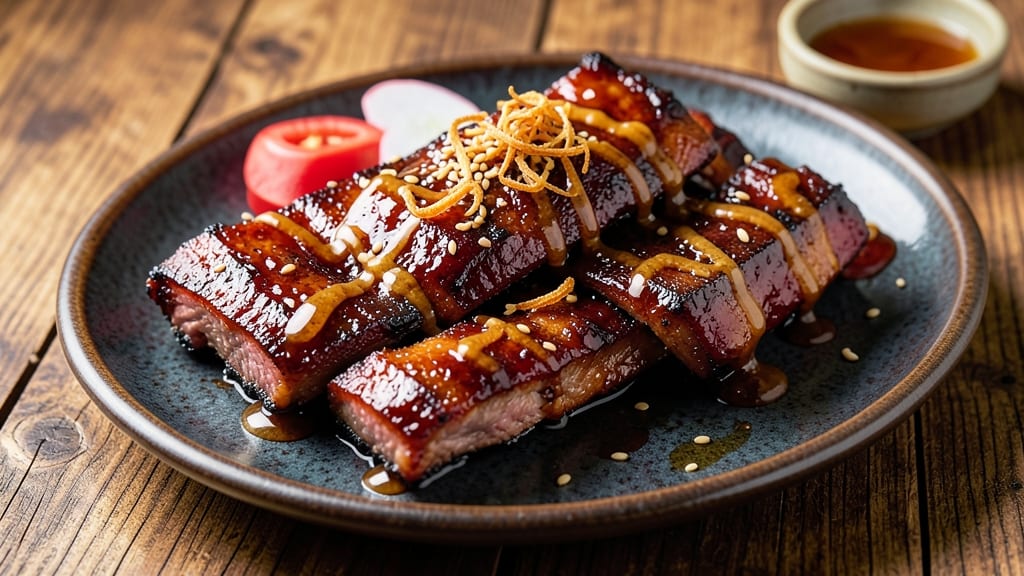
This Korean beef back ribs recipe delivers restaurant-quality flavor with a smoky-sweet glaze that clings to every tender bite. After years of testing different marinades and cooking methods, I've perfected a technique that balances traditional Korean flavors with approachable home cooking.
The key lies in a marinade of gochujang, soy sauce, and brown sugar that transforms tough ribs into melt-in-your-mouth perfection.
What sets this recipe apart is the two-stage cooking process: first marinating the ribs overnight to infuse deep flavor, then slow-cooking them until they fall apart at the touch. The result is ribs with a caramelized exterior and juicy, tender meat that practically melts in your mouth.
I developed this recipe during a particularly busy week when I needed a dish that could feed a crowd without requiring constant attention.
The glaze—made from a simple blend of gochujang, honey, and garlic—adds a perfect balance of sweet, spicy, and umami notes that complement the rich beef. These ribs pair beautifully with steamed white rice and quick-pickled vegetables for a complete meal.
The best part? Leftovers reheat perfectly, making this an ideal recipe for meal prep or entertaining.
Whether you're cooking for family gatherings or treating yourself to a special meal, this recipe delivers restaurant-quality results at home. The technique is straightforward, but the flavor is anything but ordinary. Let's get started on creating ribs that will have everyone asking for seconds.
Ingredients for beef back ribs recipe korean
Six pounds of beef back ribs meet a marinade of gochujang, soy, and honey for restaurant-quality Korean flavors at home.
| Ingredient | Amount | Notes |
|---|---|---|
| Beef Back Ribs 🥩 | 4 lb | Bone-in, meaty sections preferred |
| Gochujang 🌶️ | ½ cup | Korean fermented chili paste |
| Soy Sauce 🥄 | ½ cup | Kosher or Diamond Crystal preferred |
| Brown Sugar 🍯 | ½ cup | Light or dark variety works |
| Honey 🍯 | ¼ cup | Wildflower preferred for depth |
| Sesame Oil 🫒 | 1 tbsp | Toasted sesame oil for aroma |
| Garlic Cloves 🧄 | 6 cloves | Peeled and minced finely |
| Fresh Ginger 🌿 | 2 tbsp | Grated, not powdered |
| Rice Vinegar 🍶 | 2 tbsp | White or seasoned rice vinegar |
| Asian Pearl Onions 🧅 | 2 whole | Thinly sliced, charred for glaze |
| Green Onions 🧅 | ¼ cup | Sliced, for garnish |
| Sesame Seeds 🌾 | 1 tbsp | Toasted for garnish |
| Kosher Salt 🧂 | 1 ½ tsp | Diamond Crystal preferred |
| Black Pepper 🌶️ | 1 tsp | Freshly ground for heat |
| Olive Oil 🫒 | 2 tbsp | For searing ribs |
The ribs are the star, so source them from a butcher or grocery store's meat counter—look for meaty, well-marbled cuts with good fat coverage. Costco or local butchers often carry these in larger quantities, perfect for crowd feeding. If you can't find back ribs, spare ribs work in a pinch, though they'll have slightly less meat. For the gochujang, Maesil or Dobae are the gold standard, but any quality Korean brand will do. The honey should be wildflower or clover for that floral depth that balances the spice. Fresh ginger and garlic are non-negotiable here—powdered versions won't deliver the same aromatic punch.
No gochujang? Substitute 2 tbsp sriracha plus 1 tbsp molasses for a similar heat-sweet balance. Running low on sesame oil? Toasted peanut oil works in a bind, though it'll have a different profile. The rice vinegar adds brightness, but apple cider vinegar is a fine swap if that's what you have. For the onions, shallots can replace the pearl onions if needed. The glaze can be made ahead—store it in the fridge for up to 5 days or freeze it for 3 months. When reheating, warm it gently over low heat to preserve the caramelization. If you're short on time, pre-cook the ribs in the oven at 300°F for 2 hours before glazing.
Marinated ribs keep 3 days in the fridge—use within that time for best texture. The glaze can be stored separately for 1 week in an airtight container. For meal prep, portion the ribs into individual containers with a splash of glaze, then reheat covered at 325°F until warmed through. The leftovers actually improve overnight as the flavors meld further. Freeze any extras for up to 3 months—thaw in the fridge before reheating. Garnish with toasted sesame seeds and green onions just before serving to keep them crisp. These ribs reheat beautifully, making them ideal for crowd feeding or meal prep without sacrificing quality.
Why You'll Love This Recipe
- One-Pan Magic: I swear by this recipe when I’m too tired to wash dishes—just ribs, sauce, and a sheet pan. The gochujang and honey caramelize into a sticky glaze while you sip your drink, no flipping or basting required.
- Sweet-Spicy Bliss: That balance of gochujang’s heat and honey’s richness? It’s the kind of flavor that makes you close your eyes mid-bite. The brown sugar adds depth, so it’s never just spicy—it’s complex.
- Weeknight or Party: Honestly, I make these for both—dump them on the table when friends drop by, or pack leftovers for lunch. The sauce clings perfectly, so they’re just as good cold as they are hot. (Yes, even on a Tuesday night.)
- Budget-Friendly Feast: A whole pack of beef back ribs feeds four for less than takeout, and the sauce costs pennies. The leftovers? I reheat them in the oven until crispy again—no sad, soggy ribs here.
Step-by-step instructions for Korean beef back ribs with smoky-sweet glaze
This method delivers ribs with a perfect balance of caramelized sweetness and spicy depth—every bite sticks with flavor.
Prepare the Ribs for Maximum Flavor
Place the 4 lb beef back ribs on a cutting board and pat them dry with paper towels. This step is critical—removing moisture ensures the marinade adheres and creates a proper sear. Using a sharp boning knife, trim any excess fat from the surface while leaving a thin layer over the meat to protect it during cooking.
In a large bowl, combine the 0.5 cup gochujang, 0.5 cup soy sauce, 0.5 cup brown sugar, 0.25 cup honey, 1 tbsp sesame oil, 6 cloves minced garlic, 2 tbsp grated fresh ginger, and 2 tbsp rice vinegar. Whisk until the sugar and honey dissolve completely, creating a smooth, glossy marinade. The mixture should coat the back of a spoon and have a rich, aromatic scent—this is your flavor foundation.
Pour the marinade over the ribs, ensuring every surface is coated. Cover and refrigerate for at least 4 hours (overnight is ideal) to allow the flavors to penetrate deeply. The longer they marinate, the more tender and flavorful the ribs will become.
Sear the Ribs for Deep Color and Texture
Preheat your oven to 275°F for low-and-slow cooking, but first, we'll sear the ribs to develop that irresistible crust. Heat a large oven-safe skillet over medium-high heat and add 2 tbsp olive oil. Once the oil shimmers, carefully place the ribs in the skillet, meat-side down. Let them sear undisturbed for 5 minutes until a deep golden-brown crust forms.
Flip the ribs and sear the other side for another 5 minutes. The goal is to create a caramelized exterior that will trap moisture during the slow cook. If the marinade starts to smoke or burn, reduce the heat slightly—you want color, not char. Once seared on both sides, transfer the skillet to the preheated oven.
Slow-Cook Until Fork-Tender
Cover the skillet tightly with aluminum foil and place it in the oven. Cook the ribs for 3 hours, basting them with any accumulated juices every 45 minutes. This slow cooking method breaks down the connective tissue, transforming tough meat into melt-in-your-mouth tenderness. The internal temperature should reach 195-203°F when checked with a meat thermometer.
Here's the thing—don't rush this step. The ribs need time to become fork-tender, and the flavors need to meld. If the ribs aren't tender enough after 3 hours, continue cooking for another 30-60 minutes. You'll know they're ready when a fork slides in easily and the meat pulls apart with minimal resistance.
Char the Onions and Finish the Glaze
While the ribs cook, prepare the 2 whole Asian pearl onions by slicing them thinly. Heat a separate skillet over high heat and add the onions in a single layer. Let them char for 3-4 minutes, stirring occasionally, until deeply caramelized and slightly blackened around the edges. This step adds a smoky depth to the glaze and balances the sweetness.
Remove the ribs from the oven and increase the heat to 425°F. In the same skillet, add the charred onions to the ribs along with any remaining marinade from the bowl. Return the skillet to the oven for 10-15 minutes to glaze the ribs and caramelize the onions further. The glaze should thicken slightly and stick to the ribs, creating that signature sticky coating.
Rest and Serve with Garnishes
Transfer the ribs to a cutting board and let them rest for 10 minutes. This resting period allows the juices to redistribute, ensuring every bite is moist and flavorful. While they rest, slice the 0.25 cup green onions and toast the 1 tbsp sesame seeds in a dry skillet over medium heat for 1-2 minutes until fragrant.
Slice the ribs between the bones into individual servings. Garnish each plate with the toasted sesame seeds and sliced green onions. The contrast of the crispy seeds and fresh green onions against the sticky, caramelized ribs makes this dish visually stunning and irresistibly delicious. Serve immediately with steamed rice or a simple cucumber salad to balance the richness.
Pro Tips For Making Beef Back Ribs Recipe Korean
- Trim the Fat First: Cut the thick silver skin off the ribs before cooking—it’s the chewy bit no one wants. I used to skip this and ended up with tough edges; now I do it with kitchen shears in 5 minutes, and the meat falls apart cleanly.
- Marinate Overnight (No Exceptions): Gochujang and soy sauce need time to penetrate. Toss the ribs in a mix of ¼ cup gochujang, 2 tbsp soy sauce, 1 tbsp honey, and 1 tbsp brown sugar at least 12 hours—overnight is ideal. Rushing this? The sauce will just sit on top like sad, unabsorbed glaze.
- Braise, Don’t Boil: After searing, cover the ribs with just enough liquid (water or broth) to come halfway up the meat. Simmer low and slow—2.5–3 hours—until the meat pulls away from the bone. Boiling turns the collagen to mush; simmering melts it into silky perfection.
- Deglaze with the Leftovers: After removing the ribs, don’t pour out that browned fond. Add 2 tbsp soy sauce and 1 tbsp gochujang, scrape it up, and reduce by half. Stir this back into the ribs at the end—it’s where the real depth hides. (Yes, even if you’re lazy like me, this makes a real difference.)
Flavor customization for beef back ribs recipe korean
Spice Level Control
Adjust the heat by modifying the gochujang amount—I start with 0.5 cup for balanced spice, but reduce to 0.3 cup for mild heat or increase to 0.7 cup for fiery kick.
For extra heat, add 1 tsp gochugaru (Korean chili flakes) to the glaze. Always taste the marinade before applying—this prevents overpowering flavors. 🌶️
Sweet-Savory Balance
Swap brown sugar for white sugar to reduce caramelization, or use maple syrup for deeper flavor. For a richer profile, add 1 tbsp soy sauce to the glaze.
I've found that honey can crystallize when chilled, so warm the marinade gently if it thickens. The ideal ratio is 1:1 sugar to honey for perfect balance.
Umami Boost Options
Enhance depth with 1 tbsp fish sauce or 1 tsp msg powder—both add umami without altering texture. For a smoky twist, add ½ tsp smoked paprika to the marinade.
I also like 1 tbsp doubanjiang (spicy fermented bean paste) for authentic Korean-Korean fusion flavor. Always taste before applying to avoid overpowering the beef.
Texture Variations
For crispier ribs, broil for 3-5 minutes at the end. For extra tenderness, add 1 tbsp cornstarch to the glaze to create a glossy finish. I've experimented with baking soda (½ tsp) in the marinade to tenderize—it works, but use sparingly.
The key is balancing texture with flavor, so adjust based on your preference. 💡
Regional Twists
For Japanese-inspired ribs, replace gochujang with 2 tbsp miso paste and add 1 tbsp mirin. For Chinese-style, use 1 tbsp hoisin sauce and 1 tsp five-spice powder. The Korean base works as a canvas—experiment with regional sauces while keeping the soy-honey-sesame foundation intact.
Gluten-Free Adaptation
Replace soy sauce with tamari or coconut aminos for gluten-free ribs. Use honey substitute (like maple syrup) if needed. The gochujang can stay—most brands are gluten-free, but check labels. I've tested this version with tamari + maple, and it delivers the same sticky, flavorful result. ✨
Nutrition facts
Frequently asked questions
Can I use spare ribs instead of beef back ribs?
Yes, you can substitute spare ribs, but there are a few adjustments to make. Spare ribs have less meat and more fat than back ribs, so you'll want to trim excess fat and consider reducing the marinade by about 20% to avoid overpowering the flavor. The cooking time remains similar, but spare ribs may need 15-30 extra minutes to reach the same tenderness. The glaze will still work beautifully—just expect slightly smaller portions.
How do I know when the ribs are fully cooked?
The ribs are done when they reach an internal temperature of 195-203°F and the meat pulls apart easily with a fork. For extra accuracy, check the probe in the thickest part of the meat, avoiding the bone. If the ribs aren't tender enough after 3 hours, continue cooking for another 30-60 minutes. The glaze should stick to the ribs and caramelize slightly, indicating they're ready to serve.
Can I make this recipe in a slow cooker?
After searing the ribs, transfer them to a slow cooker with the marinade and cook on low for 6-8 hours or high for 4-5 hours. For the glaze, finish the ribs in a skillet over high heat for 5-7 minutes to caramelize. The slow cooker method is perfect for hands-off cooking and delivers equally tender results. Just be sure to baste the ribs occasionally with the marinade for extra flavor.
What sides pair best with these Korean beef back ribs?
These ribs shine with classic Korean sides like steamed white rice, kimchi, and quick-pickled cucumbers. For a refreshing contrast, serve with a cucumber salad or steamed bok choy. If you want something heartier, mashed potatoes or roasted sweet potatoes work beautifully. The smoky-sweet glaze balances well with the tangy, crunchy, or creamy textures of these sides.
How do I store and reheat leftovers?
Store leftover ribs in an airtight container in the fridge for up to 4 days or freeze for 3 months. To reheat, cover the ribs with foil and warm in a 325°F oven for 15-20 minutes or until heated through. For extra crispiness, broil for 2-3 minutes at the end. The glaze may thicken slightly when reheated, so a quick warm-up on the stovetop with a splash of water can restore its glossy texture.