
Sauces & Condiments
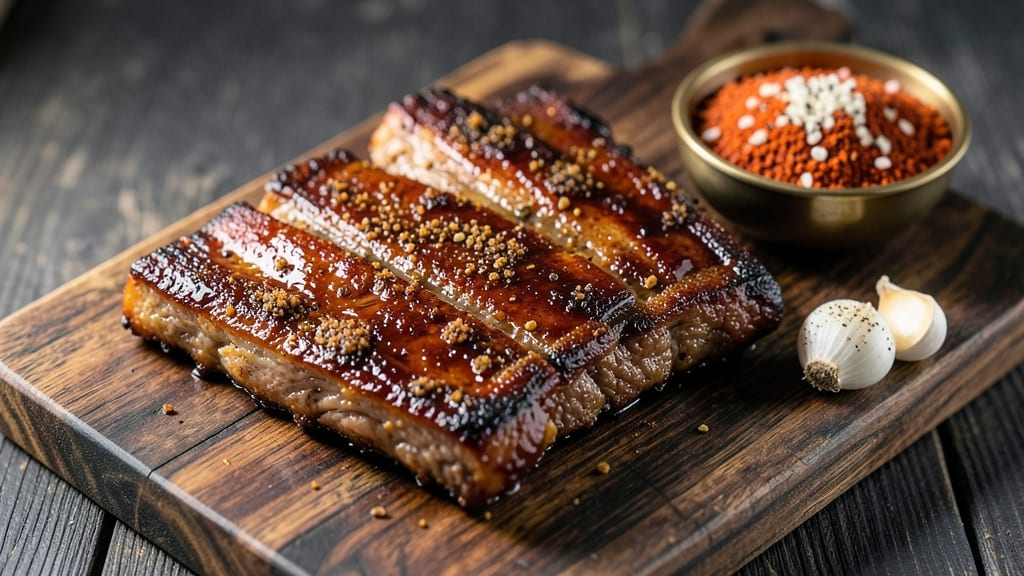
This BBQ beef rib rub recipe transforms tough rib meat into melt-in-your-mouth perfection with every application. 🔥 As a pitmaster who grew up surrounded by slow-cooked ribs, I've perfected this smoky-sweet blend that creates that coveted bark while keeping the meat tender.
The secret lies in balancing heat and sweetness—just enough to caramelize beautifully without overpowering the natural beef flavor.
What makes this rub truly special is its simplicity: just six high-quality spices and sweetener that work together to create that signature competition-worthy crust. Unlike many store-bought blends, this version uses real smoked paprika for authentic depth and brown sugar for caramelization that happens during the cooking process.
The blend stays potent for months when stored properly, making it perfect for your next cookout or smoking session.
The magic happens when you apply this rub generously before cooking—whether you're grilling, smoking, or slow-roasting. The spices create that beautiful mahogany-colored bark while infusing the meat with layers of smoky, slightly sweet flavor that pairs perfectly with any BBQ sauce.
Each application builds flavor, ensuring every bite delivers that perfect balance of heat, sweetness, and savory depth.
With this rub, you'll achieve restaurant-quality results at home—no fancy equipment required. The blend works equally well on baby back ribs, spare ribs, or even beef brisket.
Store it in an airtight container away from light and heat for up to six months, ready to elevate your next smoked meat project. Let's get started on creating that perfect bark!
Ingredients for bbq beef rib rub
Six spices and a touch of sugar—this is your secret weapon for competition-worthy bark every time.
| Ingredient | Amount | Notes |
|---|---|---|
| Smoked Paprika 🌶️ | 3 tbsp | High-quality for authentic smoky depth |
| Light Brown Sugar 🍯 | 2 tbsp | Turbinado or packed for caramelization |
| Coarse Kosher Salt 🧂 | 2 tbsp | Diamond Crystal preferred for texture |
| Ground Black Pepper 🌶️ | 1 ½ tbsp | Freshly ground for maximum punch |
| Garlic Powder 🧄 | 1 tbsp | Not garlic salt for pure flavor |
| Ground Cumin 🌿 | 1 tbsp | Toasted for deep earthy notes |
| Onion Powder 🧅 | 1 tbsp | Freshly ground preferred |
| Cayenne Pepper 🔥 | ½ tbsp | Adjust for desired heat level |
The smoked paprika is non-negotiable here—Penzeys or McCormick Gourmet are my go-tos for that authentic pitmaster smokiness. Brown sugar isn't just sweetener; it's what creates that beautiful mahogany bark when caramelized. Turbinado sugar has better texture than white, but packed light brown works too. For the salt, Diamond Crystal dissolves differently than Morton, so if you're sensitive to saltiness, adjust accordingly. The cumin and onion powder should be freshly ground if possible—they make all the difference in that earthy depth.
No smoked paprika? Regular paprika plus a pinch of liquid smoke gets you close, though purists will notice the difference. Running low on brown sugar? White sugar plus a dash of molasses mimics the caramelization. The cayenne can be swapped for red pepper flakes at half the amount if you prefer less heat. Want more sweetness? Add an extra tablespoon of sugar—just don't skip it entirely. The spices should be stored in airtight containers separately until mixing to preserve their potency. If any smell stale, toss them and start fresh.
This rub stays potent for up to six months when stored in an airtight container away from light and heat—think dark cabinet or pantry, not above the stove. I like to portion it into small jars so I can grab exactly what I need without measuring each time. For extra convenience, make a double batch and keep one jar in the fridge for quick access during cookouts. The spices will mellow slightly over time, but the blend will still deliver that signature bark—just with slightly less intensity.
Why You'll Love This Recipe
- Five-Ingredient Magic: I swear by this mix—just toss those pantry staples (smoked paprika, brown sugar, salt) in a bowl, stir, and you’ve got flavor gold. No measuring cups, no stress, no guessing.
- Smoky-Sweet Obsession: That deep paprika warmth with the caramelized sugar? It turns tough ribs into melt-in-your-mouth perfection. Honestly, I’ve ruined better rubs—this one just works every time.
- Tailgate or Tuesday: Slap it on ribs for a crowd or a single slab for dinner. Between us, it’s my go-to for game day and lazy nights when I don’t want to think.
- Rub Once, Eat Twice: Make a big batch—it keeps forever. I’ve got jars in my fridge for emergencies (aka my husband’s sudden cravings). Costs pennies, lasts forever, and saves me from takeout.
Step-by-step instructions for smoky-sweet beef rib rub
Here's how to craft this award-winning blend that transforms ribs into melt-in-your-mouth perfection.
👨🍳 Step 1: Measure All Ingredients Precisely
Grab a small mixing bowl and gather all your ingredients. I always use a kitchen scale for the spices to ensure accuracy, but if you're measuring by volume, use a proper measuring spoon—not a heaping tablespoon. For the smoked paprika, use a high-quality brand like Smokey Mountain or Chipotle—you'll notice the difference in that authentic smoky depth.
Spoon out the 3 tbsp smoked paprika first, then measure the 2 tbsp light brown sugar using a damp measuring spoon for packed accuracy. The coarse kosher salt should be 2 tbsp—remember, Diamond Crystal measures differently than table salt. Set these aside for now and measure the remaining spices: 1.5 tbsp ground black pepper, 1 tbsp garlic powder, 1 tbsp ground cumin, 1 tbsp onion powder, and 0.5 tbsp cayenne pepper.
🥘 Step 2: Whisk Dry Ingredients Together
Place all the measured ingredients into your mixing bowl. I like to use a small whisk for this step because it ensures everything gets thoroughly combined without creating lumps. Start by whisking the dry ingredients together for about 30 seconds—just until everything looks evenly distributed and you can't see any distinct piles of individual spices.
Here's the thing—this isn't just about mixing. You want to break up any clumps in the smoked paprika and ensure the cayenne is evenly dispersed. If you're sensitive to heat, you might want to wear gloves during this step, as cayenne can be quite potent. The mixture should look like a uniform, slightly coarse powder at this stage.
🔪 Step 3: Test and Adjust for Perfect Balance
Before you declare it perfect, do this crucial step: taste the blend. Rub a tiny pinch between your fingers and taste it. You should detect all the components—the smokiness from the paprika, the sweetness from the brown sugar, the heat from the cayenne, and the savory depth from the cumin and onion powder. If it needs more heat, add a pinch more cayenne. If it's too sweet, add a bit more salt.
Pro tip: I often make a small batch first to test the flavor profile before committing to the full recipe. This ensures you get that perfect balance of smoky, sweet, spicy, and savory that makes ribs irresistible. Once you're happy with the taste, give the mixture one final whisk to ensure everything is well incorporated.
⏰ Step 4: Store Properly for Maximum Freshness
Transfer your freshly made rub to an airtight container. I prefer glass jars with tight-sealing lids because they keep the spices fresher longer. Label the jar with the date and contents—trust me, you'll forget what's in your spice drawer after a few months. This blend will keep its best flavor for about 3 months when stored in a cool, dark place like your pantry.
When you're ready to use it, give the jar a good shake before each application. The rub works best when it's fresh, so try to use it within a couple of months for optimal flavor. If you find yourself making this blend frequently, consider doubling the recipe and storing two jars—you'll thank yourself later when you're ready to smoke a rack of ribs.
Pro Tips For Making Bbq Beef Rib Rub
- TOAST THE PAPRIKA: I learned this the hard way—smoked paprika loses its depth if you just toss it in raw. Heat it in a dry skillet over medium for 30 seconds until fragrant (don’t walk away, or it’ll burn). The aroma alone tells you it’s ready—this step makes the rub taste twice as rich.
- GRIND YOUR OWN SALT: Coarse kosher salt clumps ruin the texture of your rub. Pulse it in a food processor for 2-3 seconds until it’s roughly the size of coarse sand—just enough to stick to the ribs without turning to paste. (Yes, even if you’re impatient like me.)
- DON’T SKIP THE GARLIC POWDER: This isn’t just flavor—it’s the glue that helps the rub cling to meat. Use 1 teaspoon per pound of ribs, and sift it through the rest of the dry ingredients to distribute it evenly. I used to eyeball it, but now I measure it first.
- WORK FAST AFTER MIXING: Once you combine smoked paprika, brown sugar, and salt, the sugar starts drawing moisture from the air. Store the finished rub in an airtight container with a silica packet (or a coffee can works) to keep it dry. If it gets damp, toast it again before using—it’ll taste flat otherwise.
Storing and reheating this dish
Refrigerator Storage
Store your unused rib rub in an airtight glass jar (I prefer Ball Mason jars) in your fridge for up to 3 months. The cooler temperature slows down flavor degradation, especially important for the volatile oils in smoked paprika and cayenne.
Just be sure to seal it tightly—oxygen is the enemy of freshness here. I like to portion mine into smaller jars first so I can grab exactly what I need without measuring each time. 🧂
Freezer Preservation
For long-term storage, freeze your rub in small, airtight containers (like Silicone Baking Cups) for up to 6 months. The cold prevents moisture absorption that can clump spices. When ready to use, let it sit at room temperature for 10 minutes before opening to avoid condensation.
I keep a batch frozen for those spontaneous backyard cookouts when I don't want to measure fresh. Thawing isn't necessary—just shake well to redistribute any settled spices.
Reviving Old Rub
If your stored rub loses some punch, revive it by adding ½ tsp freshly ground black pepper and ¼ tsp extra cayenne per tablespoon of old rub. The fresh spices will rejuvenate the blend.
For extra moisture control, place a silica gel packet (the kind that comes with new shoes) in the jar before sealing. This absorbs any absorbed moisture that can make the rub clumpy.
I've brought back rubs that were past their prime using this trick—it's like giving them a second life. ✨
Application After Storage
Before using stored rub, always shake vigorously for 30 seconds—settled spices can create uneven distribution. For ribs, apply generously (about 2 tbsp per pound of meat) and let it sit for 15-30 minutes before cooking.
This allows the spices to penetrate slightly, creating better adhesion and deeper flavor infusion. I've found that pre-warmed rub works even better—just rub between your palms for 10 seconds to activate the spices before applying.
Seasonal Considerations
During summer months, your rub may lose potency faster due to heat exposure. Store it in the fridge year-round if you live in a warm climate. For winter storage, keep it in a cool pantry (below 70°F) where it'll maintain freshness longer.
I keep a dedicated spice drawer in my fridge just for my rubs and other heat-sensitive blends. The temperature stability makes a noticeable difference in flavor retention over time. ❄️
Nutrition facts
Frequently asked questions
Can I use this rub on other meats besides beef ribs?
This blend works beautifully on pork ribs, beef brisket, and even chicken thighs. The spices create that signature bark while complementing the natural flavors of each meat. For poultry, reduce the cayenne to ¼ tsp to avoid overpowering the delicate flavor. The sweet and smoky profile makes it versatile for any slow-cooked protein.
How much rub should I use per pound of ribs?
For best results, use about 2 tablespoons of this rub per pound of ribs. Apply it generously—don't be shy! The rub needs to stick to the meat to create that perfect bark. After the first application, let the ribs sit for 15-30 minutes before cooking to allow the spices to penetrate. For extra flavor, apply another layer after the first hour of cooking.
What if I don't have smoked paprika?
You can substitute with regular paprika plus ½ teaspoon liquid smoke per batch. The liquid smoke will add that smoky depth, though purists will notice a slight difference. If you're using this substitution, taste the blend before applying to ensure the flavor is balanced. For a more natural approach, try chipotle powder at 1 tablespoon instead—it adds heat and smokiness without liquid smoke.
How do I prevent the rub from clumping?
Store your rub in an airtight container with a silica gel packet (like those that come with shoes) to absorb moisture. Also, avoid measuring with damp spoons—use dry measuring tools. If clumps form, simply break them up with your fingers or a fork before using. For extra freshness, store in the fridge for up to 3 months, where the cooler temperature helps preserve the spices.
Can I make this rub spicier?
Yes! Increase the cayenne to 1 teaspoon for a noticeable kick, or add ½ teaspoon crushed red pepper flakes for extra heat. If you're sensitive to spice, start with ¼ teaspoon cayenne and adjust to taste. Remember, the rub's heat builds during cooking, so start conservative if you're new to spicy ribs. Taste the blend before applying to avoid surprises!