
Soups & Stews
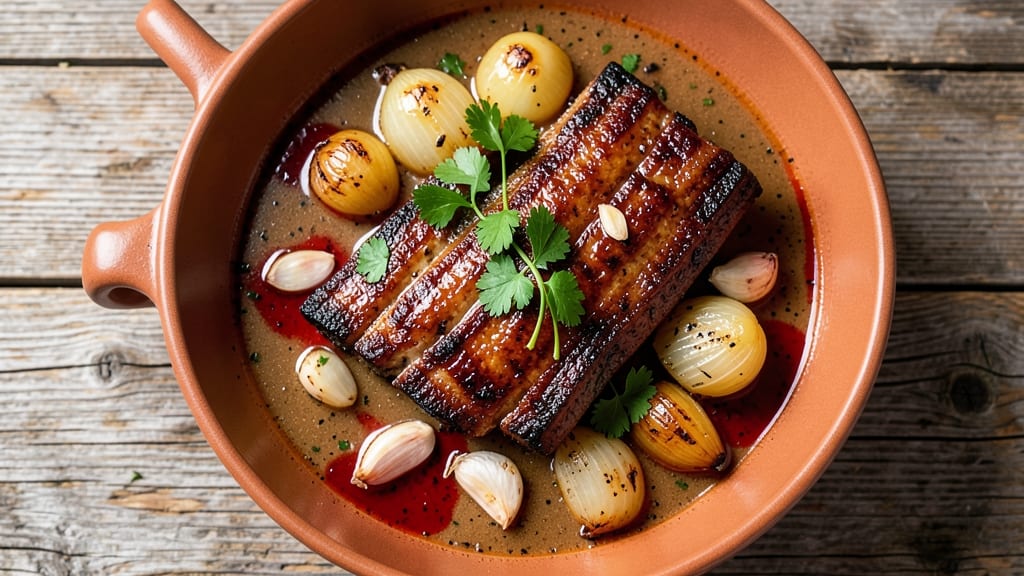
This beef back ribs stew recipe delivers melt-in-your-mouth tenderness and deep, savory flavors that transform tough cuts into luxurious bites. The secret lies in slow braising—where ribs simmer for hours until they practically fall apart at the touch of a fork.
I developed this recipe after years of perfecting the balance between rich, caramelized aromatics and the buttery richness of the meat, ensuring every spoonful is a perfect harmony of sweet, smoky, and umami notes.
The process begins with a deep sear to lock in juices, followed by a slow cook that breaks down collagen into velvety richness.
You’ll need just a few simple ingredients—beef back ribs, onions, garlic, tomatoes, and a blend of spices—but the result is restaurant-quality comfort food that tastes even better the next day.
This stew is ideal for cold evenings when you crave hearty, satisfying meals that warm you from the inside out.
By the time you’re done, you’ll have a pot of fall-off-the-bone tender ribs swimming in a deeply flavorful broth that clings to every bite. The ribs will be glossy and rich, while the sauce will be thick and aromatic, with layers of caramelized depth.
Serve with crusty bread or buttery mashed potatoes to soak up every last drop of that luxurious broth.
This recipe is designed to be foolproof—perfect for beginners or seasoned cooks looking to elevate their slow-cooked game. The long braising time means minimal effort, but the payoff is a dish that feels like a labor of love.
Let’s get started on creating a stew that will have everyone asking for seconds.
Ingredients for beef back ribs stew
Simple ingredients that transform tough ribs into melt-in-your-mouth luxury stew.
| Ingredient | Amount | Notes |
|---|---|---|
| Beef Back Ribs 🥩 | 3 lb | Bone-in, meaty cuts preferred |
| Yellow Onions 🧅 | 2 whole | Medium size, chopped |
| Garlic Cloves 🧄 | 6 cloves | Peeled, smashed slightly |
| Canned Tomato Sauce 🍅 | 1 can | 28 oz, San Marzano preferred |
| Red Wine 🍷 | 1 cup | Bold dry red like Cabernet |
| Beef Broth 💧 | 2 cups | Low-sodium preferred |
| Carrots 🥕 | 3 whole | Medium size, chopped |
| Celery Stalks 🌿 | 3 whole | Trimmed, chopped |
| Bay Leaves 🍃 | 2 whole | Fresh preferred |
| Black Peppercorns 🌶️ | 1 tsp | Freshly cracked |
| Salt 🧂 | 1 ½ tsp | Kosher or sea salt |
| Olive Oil 🫒 | 2 tbsp | Extra-virgin for searing |
| All-Purpose Flour 🌾 | 2 tbsp | For dusting ribs |
| Brown Sugar 🍯 | 2 tbsp | Light or dark |
The beef back ribs are the star—look for cuts with good meat-to-bone ratio. Costco or local butchers often have the best quality, but any grocery store beef section works. If you can't find back ribs, short ribs or beef chuck roast in chunks will work in a pinch. The carrots and celery are your flavor base, so don't skimp on freshness—wilted veggies mean watery stew. For the red wine, any bold, dry variety like Cabernet or Merlot will give you that rich depth, but if you're avoiding alcohol, beef broth with a splash of balsamic works perfectly.
No red wine? Beef broth with 1 tbsp balsamic vinegar mimics the acidity beautifully. The tomato sauce can be fresh if you're ambitious, but San Marzano canned sauce is foolproof—just stir it well to break up any settled pulp. Fresh bay leaves add complexity, but dried work at half the amount. The brown sugar isn't just for sweetness—it helps caramelize the ribs during the long cook. For extra richness, add a 1/2 cup of beef fat or 1/4 cup of butter at the end of cooking. The flour is just for dusting the ribs before searing—don't skip this step, it prevents sticking.
This stew tastes even better the next day as flavors meld. Store in an airtight container in the fridge for up to 5 days, or freeze portions for 3 months. The ribs will keep their tenderness when reheated gently—just add a splash of broth or water to prevent drying. For leftovers, I like to portion into individual containers with some broth so each serving is complete. The broth freezes beautifully too—perfect for future soups or braises.
Why You'll Love This Recipe
- One-Pot Magic: I swear by this recipe—just toss the ribs, onions, and garlic in a pot, pour in the wine and tomato sauce, then let it simmer. No chopping, no fuss, and the flavors meld together like they’ve been cooking all day.
- Wine-Infused Richness: That splash of red wine? It’s the secret weapon. The acidity cuts through the richness of the beef, while the tomato sauce keeps it hearty and deep. The first bite is always a surprise—sweet, savory, and just a little bit bold.
- Leftovers That Shine: Between us, this stew tastes better the next day. The ribs get even more tender, and the sauce thickens into something almost sauce-like. I make a double batch on Sundays and eat it for lunch all week—no sad leftovers here.
- Budget-Friendly Feast: Beef ribs might sound fancy, but they’re actually a great value when you stretch them into a stew. The onions and garlic add depth without breaking the bank, and a single bottle of wine stretches across multiple meals. Dinner for four? Done.
Step-by-step instructions for beef back ribs stew
Here's how to transform tough ribs into melt-in-your-mouth perfection through slow braising.
Sear the Ribs for Maximum Flavor
Pat the 3 lb beef back ribs completely dry with paper towels—this ensures a proper sear. Heat a large Dutch oven over medium-high heat and add the 2 tbsp olive oil. Once shimmering, place the ribs bone-side down and let them sear undisturbed for 5 minutes until deeply browned.
Flip the ribs and repeat on the meaty side for another 5 minutes. The goal is to develop a rich, caramelized crust that will infuse the stew with deep flavor. While the ribs sear, sprinkle them lightly with the 2 tbsp all-purpose flour, shaking off any excess—this creates a light coating that helps thicken the sauce later.
Build the Flavor Base
Remove the ribs from the pot and set them aside. In the same Dutch oven, add the chopped 2 whole yellow onions, chopped 3 whole carrots, and chopped 3 whole celery stalks. Cook for 5 minutes until softened. Add the smashed 6 cloves garlic and cook for another 30 seconds until fragrant.
Pour in the 1 cup red wine and scrape up any browned bits from the bottom of the pot—this releases all the flavor locked in during searing. Let the wine simmer for 3 minutes until reduced by half. Stir in the 1 can canned tomato sauce, 2 cups beef broth, and the 2 whole bay leaves, bringing everything to a gentle simmer.
Slow-Braise the Ribs to Tender Perfection
Return the ribs to the pot, bone-side up, and bring the liquid to a boil. Once boiling, reduce heat to low, cover, and let it simmer gently for 2.5 hours. This slow cooking time is crucial—it breaks down the connective tissue in the ribs, transforming them into tender, fall-off-the-bone pieces.
After 2.5 hours, check the ribs for tenderness. They should slide off the bone easily with minimal resistance. If they're not quite there, continue simmering for another 30 minutes. The liquid should have reduced slightly, creating a rich, flavorful sauce that coats the ribs beautifully.
Finish with Sweetness and Seasoning
Remove the ribs from the stew and set them aside. In the sauce, stir in the 2 tbsp brown sugar and the 1 tsp freshly cracked black peppercorns. Taste and adjust seasoning with the 1.5 tsp salt if needed. Return the ribs to the pot and let them warm through for 5 minutes.
Ladle the stew into bowls, making sure each serving gets generous portions of both ribs and sauce. The ribs should be fork-tender, the sauce rich and slightly thickened, with a perfect balance of sweetness from the brown sugar and depth from the slow-cooked vegetables. Serve immediately with crusty bread to soak up every last drop of that delicious sauce.
Pro Tips For Making Beef Back Ribs Stew
- Sear the Ribs First: The first 3 minutes in a screaming-hot pot make all the difference—get those bones blackened in spots before adding liquid. I used to skip this, and the stew just tasted flat; now my ribs add depth even after hours of simmering.
- Cut Ribs into Chunks: Don’t fight the bone structure—separate ribs at the joints into 3-4" pieces before cooking. They’ll fall apart beautifully later, and the sauce will coat every surface. (Yes, it’s messy, but your stew will taste like it came from a restaurant.)
- Deglaze with Wine Early: Add the red wine before the tomato sauce—let it bubble for 2 minutes to cook off the alcohol and build flavor. I learned this the hard way when my stew tasted like vinegar instead of wine.
- Simmer Low and Long: Crank the heat to medium-high for 20 minutes to break down the meat, then drop to a bare simmer (tiny bubbles, maybe 160°F). Rushing this step leaves ribs tough; patience here turns chewy meat into melt-in-your-mouth goodness.
Best sauces and condiments for this dish
Classic Red Wine Reduction
The base of this stew is built on a rich red wine reduction that adds depth and complexity. After searing the ribs, deglaze the Dutch oven with 1 cup bold red wine like Cabernet or Merlot—this extracts all those caramelized flavors from the bottom.
Let it reduce by half before adding tomato sauce and broth. The wine's acidity tenderizes the meat while its tannins balance the richness. 🍷
Tomato Sauce Base
Use 1 can (28 oz) San Marzano tomato sauce as the foundation—its natural sweetness and acidity create a perfect balance. Stir it in after the wine reduction and let it simmer with the aromatics.
For extra richness, I sometimes add 1/2 cup tomato paste at this stage to thicken the sauce slightly. The sauce should coat the ribs beautifully without being overly watery.
Brown Sugar Glaze
The 2 tbsp brown sugar added at the end isn't just for sweetness—it caramelizes during the final simmer, creating a glossy glaze that enhances the ribs' tenderness. Stir it into the sauce during the last 10 minutes of cooking so it doesn't burn.
This step adds a subtle molasses-like depth that complements the wine and beef perfectly.
Herb-Infused Broth
Enhance the broth with 2 fresh bay leaves and 1 tsp cracked black peppercorns for aromatic complexity. The bay leaves add an earthy note, while the peppercorns bring subtle heat. If you prefer, substitute with 1 tsp dried thyme or 1 sprig fresh rosemary for a different herbal profile.
The broth should be flavorful enough to stand alone but harmonize completely with the ribs.
Butter Finish (Optional)
For an ultra-rich finish, stir in 2 tbsp cold butter during the last 5 minutes of cooking. The butter melts into the sauce, adding a velvety texture and subtle richness.
This step is optional but transforms the stew into something truly luxurious. I like to use European-style cultured butter for its deeper flavor—look for brands like Plugrá or Kerrygold.
Crispy Onion Topping
For a textural contrast, top individual servings with crispy fried onions. Slice 1/2 cup yellow onion into thin rings, fry in 2 tbsp olive oil until golden brown, and drain on paper towels.
The crispy onions add a delightful crunch that cuts through the richness of the stew. This is especially nice if you're serving the stew with crusty bread for dipping. 🥔
Nutrition facts
Frequently asked questions
Why do the ribs need to sear before slow cooking?
The sear creates a flavorful crust that locks in juices and adds depth to the stew. When you brown the ribs deeply, you develop the Maillard reaction, which builds complex flavors that infuse into the sauce during the long simmer. Skipping this step results in bland, watery ribs that lack the rich, caramelized taste.
Can I use a slow cooker instead of a Dutch oven?
Sear the ribs in a skillet first, then transfer everything to your slow cooker. Cook on low for 6-7 hours or high for 3-4 hours until tender. The ribs will absorb all the flavors beautifully, though you may need to add 1/2 cup broth if the sauce gets too thick during cooking.
What if my ribs aren't tender after 2.5 hours?
Check for doneness by gently prodding with a fork—they should separate easily. If still tough, add 1/2 cup hot water or broth and continue cooking for 30-60 more minutes. Avoid rushing with high heat, as this can make the meat dry. The ribs will eventually tenderize with patience!
How can I make this stew spicier?
Add 1-2 tbsp hot sauce or 1/2 tsp cayenne pepper during the final 10 minutes of cooking. For smoky heat, stir in 1 tbsp smoked paprika with the brown sugar. Always taste first—you can adjust to your preference before serving.
What's the best way to reheat leftovers?
Gently reheat in a pot over low heat with 2-3 tbsp broth or water to prevent drying. Avoid microwaving—it makes the ribs tough. For extra richness, add a pat of butter or a splash of red wine when reheating. The stew tastes even better the next day!