
Main Courses
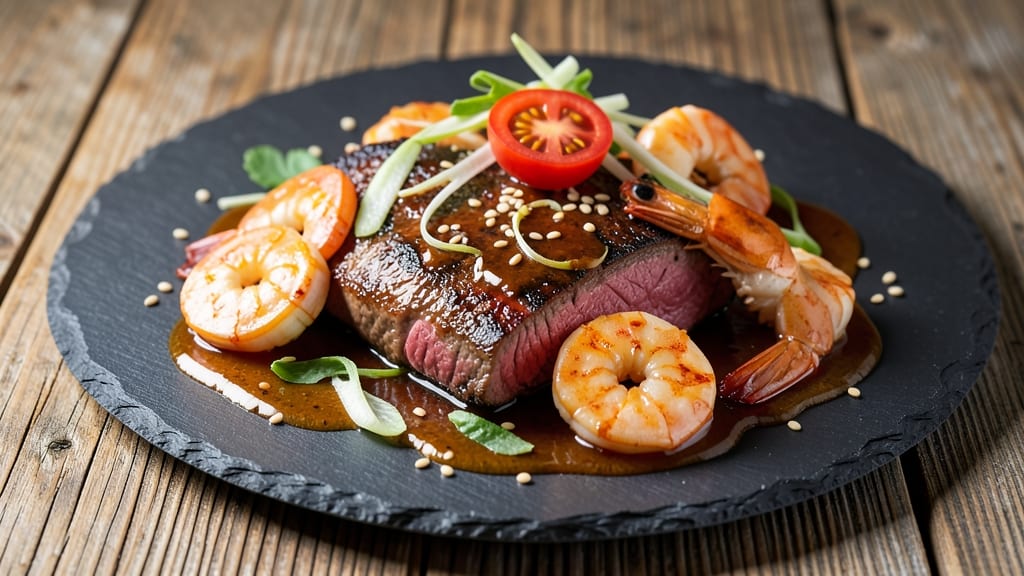
This beef and shrimp teriyaki recipe delivers a perfect balance of sweet-savory flavors with caramelized edges that'll make your taste buds dance. 🌟 The secret lies in marinating the beef and shrimp separately for maximum flavor absorption, then searing them to create that coveted crust before tossing in a homemade teriyaki glaze that's richer than anything you'll find in a bottle.
What sets this recipe apart is the dual-protein approach—tender beef strips and succulent shrimp—coated in a glaze that's perfectly balanced between sweet and umami. The marinade transforms tougher cuts into melt-in-your-mouth perfection, while the shrimp stays juicy and tender.
We'll build the teriyaki sauce from scratch using honey and soy sauce for depth, then finish with a touch of ginger and garlic for brightness.
The result is a dish that's restaurant-quality yet simple enough for weeknight cooking. Each bite delivers perfectly seared proteins with a glossy, sticky glaze that clings beautifully.
Serve over steamed rice for the full experience, or wrap in lettuce leaves for a lighter presentation. The aroma alone will have everyone gathering at the table.
Whether you're grilling outdoors or cooking on the stovetop, this recipe adapts to your preferred method. The teriyaki glaze works equally well for skewers or stir-fry, making it versatile for any occasion. Let's create this flavor-packed masterpiece together!
Ingredients for beef and shrimp teriyaki
Sweet-savory marinade, tender proteins, and a glossy glaze—here's what makes this teriyaki shine.
| Ingredient | Amount | Notes |
|---|---|---|
| Flank Steak 🥩 | 1 lb | Thinly sliced against grain |
| Large Shrimp 🦐 | 1 ½ lb | Peeled, deveined, tails on |
| Soy Sauce 🥄 | ½ cup | Low-sodium preferred |
| Honey 🍯 | ¼ cup | Wildflower for depth |
| Garlic Cloves 🧄 | 6 cloves | Minced for marinade |
| Fresh Ginger 🌿 | 2 tbsp | Finely grated |
| Sesame Oil 🫒 | 1 tbsp | Toasted sesame oil |
| Brown Sugar 🍚 | ¼ cup | Packed tightly |
| Rice Vinegar 🍶 | 2 tbsp | White or seasoned |
| Vegetable Oil 🫒 | 2 tbsp | High smoke point |
| Green Onions 🧅 | 4 whole | Sliced for garnish |
| Sesame Seeds 🌾 | 1 tbsp | Toasted for crunch |
| Salt 🧂 | 1 tsp | Kosher or sea salt |
| Black Pepper 🌶️ | ½ tsp | Freshly ground |
The flank steak is your workhorse here—look for well-marbled cuts at the butcher counter, not the pre-sliced packages. Costco or Whole Foods usually have great options, or check the frozen section for pre-sliced beef strips. Shrimp? Wild-caught is ideal—ask your fishmonger for 21-25 count per pound for perfect size. The garlic and ginger should be bright and fragrant—no musty smells. If you're short on time, jarred minced garlic works, but fresh is always better. For the soy sauce, Kikkoman or Pearl River Bridge are solid choices, but any good-quality low-sodium will do.
No honey? Maple syrup works in a pinch—just reduce the glaze by 2 minutes since it's thicker. Running out of sesame oil? Avocado oil at half the amount keeps the flavor neutral. The rice vinegar can be swapped for apple cider vinegar, but it'll taste slightly different. For the shrimp, if you can't find tails-on, deveined shrimp with tails off works fine—just skip the tail garnish. The beef marinade can sit for up to 8 hours (overnight is best), but shrimp should only marinate for 30 minutes max—they overcook fast. Want extra richness? Add 1 tbsp butter to the glaze at the end.
Marinated proteins keep 2-3 days in the fridge, covered with plastic wrap. The glaze reheats beautifully—simmer it for 2-3 minutes to restore its shine. For leftovers, store everything separately: proteins in one container, sauce in another. Reheating? Low and slow in a skillet with a splash of water to prevent drying. The teriyaki sauce freezes well for up to 3 months—just thaw overnight in the fridge. Pro tip: Double the glaze and freeze half for next time—it's perfect for quick stir-fries or rice bowls.
Why You'll Love This Recipe
- One-Pan Magic: I swear by this recipe when I’m too tired to scrub a million dishes—just sear the flank steak and shrimp in the same pan, then toss them in the teriyaki glaze. The honey caramelizes into a glossy finish while the garlic cloves sizzle into oblivion, so you’re left with one sheet pan, one spatula, and zero guilt.
- Sweet-Savory Balance: That perfect harmony of sticky-sweet teriyaki and umami-rich soy sauce? It’s like a flavor hug. The honey cuts through the richness of the beef and shrimp, while the garlic cloves add a sharp punch that makes every bite feel like a little celebration. (Yes, even on a Tuesday night.)
- Meal Prep MVP: Between us, this is my go-to for lunches all week. Cook a double batch—store the beef and shrimp separately in the fridge, then reheat with a splash of water to keep that glaze from drying out. Honestly, I’ve eaten this cold from the fridge and still craved more.
- Budget-Friendly Luxury: Flank steak feels fancy, but it’s way more affordable than ribeye, and shrimp stretches the dish without breaking the bank. The teriyaki glaze costs pennies to make, and the leftovers? They’re even better the next day when the flavors meld. My wallet and taste buds thank me every time.
Step-by-step instructions for beef and shrimp teriyaki
Here's how to create a perfect balance of caramelized edges and tender proteins.
🍳 Step 1: Marinate the Flank Steak and Shrimp
In a large bowl, combine the 0.5 cup soy sauce, 0.25 cup honey, 6 cloves minced garlic cloves, 2 tbsp finely grated fresh ginger, 1 tbsp sesame oil, 0.25 cup packed brown sugar, and 2 tbsp rice vinegar. Whisk until the brown sugar dissolves completely—this ensures a smooth, glossy glaze. Add the 1 lb flank steak and 1.5 lb large shrimp, making sure both proteins are fully coated. Cover and refrigerate for at least 30 minutes (I like to marinate for 1-2 hours if time allows). This step is crucial for tenderizing the beef and infusing the shrimp with flavor.
Pro tip: If you're short on time, slice the flank steak against the grain into ¼-inch thick strips before marinating. This makes it even more tender. The shrimp should remain whole with tails on for presentation, but if you prefer, you can butterfly them slightly to help them cook faster.
🔥 Step 2: Sear the Proteins for Maximum Flavor
Heat 2 tbsp vegetable oil in a large skillet over medium-high heat until shimmering. Remove the proteins from the marinade (reserve the marinade for later) and pat them dry with paper towels—this helps create a better sear. Add the shrimp first and cook for 2-3 minutes per side until they turn pink and opaque. Remove them and set aside on a plate.
In the same skillet, add the flank steak strips and sear for 1-2 minutes per side until they develop golden brown edges. The steak should still be slightly pink in the center—it'll finish cooking in the sauce. Transfer the steak to the plate with the shrimp. Here's the thing—don't overcrowd the pan. Cook in batches if needed to maintain even heat.
🍳 Step 3: Build the Glazed Sauce
Return the reserved marinade to the skillet and bring it to a simmer over medium heat. Let it reduce for 5-7 minutes, stirring occasionally, until it thickens slightly and coats the back of a spoon. You'll notice the sauce darkening and developing a glossy sheen—this is when the caramelization happens. If it reduces too quickly, add 1-2 tablespoons of water to help it along.
Once the sauce reaches your desired consistency (it should coat the back of a spoon but still be pourable), stir in the 1 tbsp toasted sesame oil and give it a final taste. Adjust seasoning with 1 tsp salt and 0.5 tsp black pepper if needed. The sauce should be sweet, savory, and slightly tangy—this is where all the magic comes together.
🥘 Step 4: Combine and Finish the Dish
Return the shrimp and flank steak to the skillet with the sauce. Toss everything together gently and let it cook for 1-2 minutes until the proteins are heated through and fully coated in the glaze. The shrimp should be opaque and slightly curled, and the steak should be tender with caramelized edges. If the sauce seems too thick, add a splash of water or a little more rice vinegar to loosen it.
Real talk: This is the moment that matters. The sauce should cling beautifully to both proteins, creating that perfect balance of sweet, savory, and umami flavors. If you're serving over rice, now's the time to plate it. Garnish with 4 sliced green onions and 1 tbsp toasted sesame seeds for a pop of color and texture.
⏰ Step 5: Rest and Serve with Confidence
Let the dish rest for 5 minutes before serving. This allows the juices to redistribute, especially in the steak, ensuring every bite is moist and flavorful. Serve immediately over steamed rice or noodles, and watch as the teriyaki sauce pools beautifully on the plate, ready to be drizzled over each serving.
Each bite should deliver tender beef with a perfect sear, juicy shrimp with a hint of sweetness, and that glossy glaze tying it all together. The contrast of textures and flavors makes this dish truly special—crispy edges, tender proteins, and a sauce that's both sweet and savory in every spoonful.
Pro Tips For Making Beef And Shrimp Teriyaki
- SEAR THE STEAK FIRST: High heat for 2-3 minutes per side before adding shrimp—this locks in flavor and keeps the flank steak tender. I learned this the hard way after serving a batch that was chewy as boot leather.
- PEEL SHRIMP LAST MINUTE: Leave the shells on until you’re ready to cook, then peel them right before tossing into the pan. The shells add depth to the sauce, but no one wants to eat them—better to remove them clean when they’re hot.
- DON’T BOIL THE SAUCE: Simmer the teriyaki sauce on medium-low until it thickens slightly, about 5-7 minutes. Letting it bubble hard turns it cloyingly sweet—like syrup instead of glaze.
- USE COLD SHRIMP: Pat them dry and pop them in the freezer for 10 minutes before cooking. Cold shrimp sear faster and stay juicier, especially when paired with the heat of the steak. (Yes, even if you’re impatient like me.)
Health benefits of this dish
Protein Powerhouse
This dish packs a serious protein punch with both beef and shrimp—about 40 grams per serving—making it perfect for muscle repair and satiety. The flank steak delivers lean protein with iron, while shrimp provides 24 grams per serving with minimal fat.
Together, they create a complete amino acid profile that supports energy levels and recovery. 💪
Gluten-Free Adaptable
The teriyaki glaze can easily be made gluten-free by using tamari instead of soy sauce. I always keep tamari on hand—brands like San-J Tamari or Edamame Tamari work perfectly.
Just swap it 1:1 for the soy sauce in the marinade and glaze. This makes the recipe safe for those with gluten sensitivities or celiac disease.
Rich in Antioxidants
The ginger and garlic in the marinade provide powerful antioxidants that help reduce inflammation. Ginger contains gingerol, which aids digestion, while garlic's allicin supports heart health. The sesame oil adds vitamin E, an antioxidant that protects your cells. Even the honey contributes antioxidants through its phenolic compounds.
Low-Fat, High-Flavor
With only 1 tablespoon of sesame oil and 2 tablespoons of vegetable oil in the entire recipe, this dish delivers big flavor without excess fat. The teriyaki glaze provides sweetness and umami without needing heavy cream or butter.
It's a great option for those watching their fat intake but still craving rich, satisfying flavors.
Balanced Blood Sugar
The combination of lean protein and complex carbs (when served with rice) helps stabilize blood sugar levels. The ginger in the marinade also has natural blood sugar-regulating properties.
For a lower-carb option, serve over cauliflower rice instead of traditional white rice—it keeps the dish light while maintaining that satisfying texture contrast.
Heart-Healthy Omega-3s
While beef isn't an omega-3 source, the shrimp provides about 1.5 grams of omega-3 fatty acids per serving, supporting heart health. The garlic in the marinade further enhances cardiovascular benefits by helping to lower blood pressure.
This makes the dish a smart choice for heart-healthy diets when balanced with other nutrient-rich sides like steamed vegetables.
Nutrition facts
Frequently asked questions
Can I use frozen shrimp instead of fresh? Thaw the shrimp overnight in the fridge first, then pat them dry thoroughly. The key is to remove all moisture before marinating, or the glaze won't stick properly. If you're short on time, you can thaw them in cold water for 10 minutes, but
What's the best way to slice flank steak for this recipe?
Slice against the grain into ¼-inch thick strips for maximum tenderness. Use a sharp knife and work carefully—this is where the magic happens! If you're not comfortable slicing raw beef, ask your butcher to do it for you. For extra flavor, let the slices sit at room temperature for 15 minutes before marinating.
How do I adjust the recipe for a sugar-free version?
Swap the honey and brown sugar for ¼ cup sugar-free maple syrup and 1 tbsp erythritol or monk fruit sweetener. You'll also need to reduce the soy sauce slightly (by 1 tablespoon) since it's salty. The sauce will still caramelize but with a more savory profile. Taste as you go and adjust sweetness to preference.
Can I make this ahead of time?
Yes! Marinate the proteins separately up to 2 days ahead and store in airtight containers. For the glaze, make it fresh day-of since it thickens when reheated. Cook the proteins just before serving for best texture. If reheating, warm in a skillet with a splash of water to keep things moist.
What if my teriyaki sauce is too thick?
Add 1-2 tablespoons of water or a splash of rice vinegar while heating. Stir constantly and let it simmer for 1-2 minutes. If it's still too thick, you can thin it with a little more water or even a teaspoon of honey to balance the flavors. The sauce should coat the back of a spoon but still be pourable.