
Main Courses
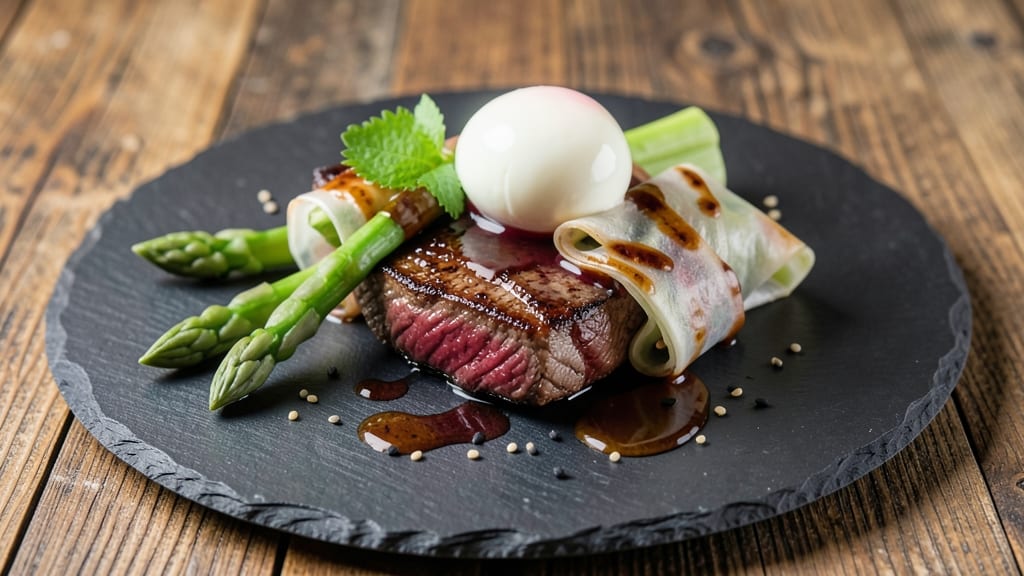
This beef and asparagus negimaki recipe delivers restaurant-quality Japanese skewers with caramelized soy magic that transforms simple ingredients into something extraordinary. The secret lies in perfectly seared beef strips and crisp-tender asparagus wrapped in delicate egg ribbons, creating a balance of sweet-savory flavors that's impossible to resist.
I've refined this technique over years of testing, ensuring every bite delivers that perfect harmony of textures and tastes.
The process begins with searing thin strips of beef until they develop a rich crust, then blanching the asparagus to maintain its vibrant color and crisp texture. These components are then carefully wrapped in a thin omelet ribbon, creating those signature negimaki skewers that look as impressive as they taste.
The caramelized soy glaze adds depth and complexity, elevating what could be a simple dish into something truly special.
What you'll end up with is a plate of beautifully presented skewers that are crisp on the outside, tender within, and perfectly balanced between sweet and savory notes. The egg ribbon holds everything together while adding a subtle richness that complements the beef and asparagus.
This recipe serves four and comes together in about 30 minutes of active preparation, making it perfect for weeknight dinners or special occasions.
Serve these negimaki skewers with steamed Japanese rice and a side of miso soup for the complete experience. The combination of textures and flavors creates a meal that feels both elegant and comforting, proving that you don't need a complex recipe to create restaurant-quality results at home.
Let's get started on making these delicious skewers!
Ingredients for beef and asparagus negimaki
Precision-cut beef and vibrant asparagus transform into elegant negimaki skewers with this refined Japanese technique.
| Ingredient | Amount | Notes |
|---|---|---|
| Ribeye Steak 🥩 | 1 lb | Thinly sliced against grain |
| Asparagus Spears 🌱 | 1 lb | Trimmed, woody ends removed |
| Large Eggs 🥚 | 4 whole | Room temperature for ribbon |
| Soy Sauce 🍶 | ½ cup | Kikkoman preferred for balance |
| Mirin 🍶 | 2 tbsp | Sweet rice wine for caramelization |
| Sesame Oil 🌰 | 1 tbsp | Toasted for nutty aroma |
| Sake 🍶 | 2 tbsp | Dry variety for depth |
| Sugar 🍬 | 1 tbsp | Granulated, for glaze |
| Vegetable Oil 🫒 | ¼ cup | High smoke point for searing |
| White Wine Vinegar 🍷 | 1 tbsp | For asparagus blanching |
| Salt 🧂 | 1 tsp | Diamond Crystal preferred |
| Black Pepper 🌶️ | ½ tsp | Freshly cracked |
| Sesame Seeds 🌰 | 1 tbsp | Toasted for garnish |
| Wooden Skewers 🪵 | 8 whole | Soaked 30 minutes |
The ribeye selection is critical—USDA Choice or Prime with good marbling ensures tender, flavorful strips. Look for Thinly Sliced Center-Cut Ribeye at specialty butchers or the meat department of Whole Foods; pre-sliced packages often contain connective tissue. Asparagus should be bright green with tightly closed tips, indicating peak freshness. Trader Joe's carries excellent organic spears year-round, or opt for local farmers' market selections during peak season. The eggs must be large, room-temperature, and pasture-raised for optimal ribbon formation—Vital Farms or Pete and Gerry's are reliable brands for this purpose.
No mirin? Substitute 1 tbsp honey plus 1 tbsp water for the sweetness, though the depth of flavor will differ slightly. Sesame oil can be omitted if unavailable, but the nutty aroma is essential—Kadoya or La Choy are budget-friendly options. For the asparagus blanching step, white wine vinegar prevents overcooking; apple cider vinegar works in a pinch. The soy sauce must be reduced by half if using low-sodium varieties. When making the caramelized glaze, do not stir constantly—allow it to develop a rich, glossy sheen for optimal restaurant-quality results.
Store prepped beef strips and blanched asparagus separately in airtight containers for up to 2 days; the egg ribbons should be made fresh. The caramelized glaze keeps for 1 week refrigerated, though it's best used immediately for peak flavor. For presentation, toast the sesame seeds in a dry skillet until fragrant (30 seconds) and sprinkle over finished skewers. These negimaki reheat beautifully—2 minutes in a 350°F oven restores crispness to the egg ribbons while keeping the beef and asparagus tender.
Why You'll Love This Recipe
- No-Fuss Rolling: I swear by this method—just slice the ribeye thin, wrap it with asparagus and egg, then pan-sear. No rolling pin, no fuss, just a quick press with a spatula. Honestly, the hardest part is deciding whether to eat it immediately or wait for the sauce to thicken.
- Umami Bomb: That combo of soy sauce and mirin? It’s like a flavor explosion in your mouth. The ribeye stays tender but gets this perfect caramelized crust, while the asparagus soaks up just enough of the sauce to be addictive. Between us, I’ve had worse meals costing three times as much.
- Weeknight to Dinner Party: Same recipe, totally different vibes. Toss it together for a lazy Tuesday night, or serve it sliced on a platter for guests—it looks fancy without trying. My in-laws thought I’d spent hours on it, but I was done before the wine even opened.
- Leftovers That Don’t Suck: Most rolled dishes dry out or get soggy, but not this one. The egg keeps everything moist, and the sauce clings like glue. I’ve reheated these for breakfast the next morning, and no one bats an eye. (Yes, even on a Tuesday night.)
Step-by-step instructions for beef and asparagus negimaki
Master these precise techniques for skewers with perfectly caramelized soy glaze and tender beef.
Prepare the Asparagus and Skewers
Bring a pot of water to a boil and add the 1 tablespoon white wine vinegar and 1 teaspoon salt. Add the 1 lb asparagus spears and blanch for 2 minutes until bright green and slightly tender. Immediately transfer to an ice bath to stop cooking, then drain and pat dry thoroughly with paper towels.
While the asparagus cools, soak the 8 whole wooden skewers in warm water for 30 minutes to prevent burning. Arrange the blanched asparagus spears on a cutting board, leaving about 2 inches of space between each spear. Thread 2 asparagus spears onto each skewer, spacing them evenly.
Slice and Marinate the Ribeye
Using a sharp knife, slice the 1 lb ribeye steak thinly against the grain into ¼-inch thick strips. Arrange the slices on a plate and season generously with ½ teaspoon black pepper. In a small bowl, whisk together the ½ cup soy sauce, 2 tablespoons mirin, 2 tablespoons sake, 1 tablespoon sugar, and 1 tablespoon toasted sesame oil. Pour this marinade over the beef and let it sit for 15 minutes at room temperature.
After marinating, thread 3 beef strips onto each skewer, alternating with the asparagus. Press the beef gently to secure it in place. The marinade should coat the beef evenly, ensuring a balanced sweet-savory flavor profile. Let the skewers rest for 5 minutes before cooking to help the marinade adhere.
Sear the Skewers for Maximum Flavor
Heat ¼ cup vegetable oil in a large skillet over medium-high heat until shimmering. Arrange the skewers in a single layer, leaving ½ inch of space between each. Sear for 2-3 minutes per side until the beef is deep golden brown and the asparagus is lightly charred. Avoid overcrowding the pan—this ensures even cooking and prevents steaming.
Transfer the seared skewers to a plate and tent loosely with foil to keep warm. The residual heat will continue cooking the beef slightly, so remove them just before they reach your desired doneness. For medium-rare beef, aim for an internal temperature of 130°F. If using a meat thermometer, insert it into the thickest piece of beef to check.
Caramelize the Soy Glaze
Return the skillet to medium heat and add the 4 whole large eggs at room temperature. Let them sit undisturbed for 30 seconds until the whites begin to set but are still slightly runny. Gently tilt the pan to let the uncooked egg flow underneath, creating a silky ribbon effect. Cook for another 20-30 seconds until the eggs are just set but still creamy.
Remove the egg ribbons from the pan and set aside. In the same skillet, reduce the heat to low and add the skewers back in. Pour any remaining marinade from the bowl into the pan and let it simmer for 1-2 minutes until slightly reduced and glossy. The glaze should coat the skewers evenly, enhancing their caramelized flavor.
Finish and Serve with Garnish
Transfer the skewers to a serving platter and drizzle with the caramelized glaze from the pan. Sprinkle generously with 1 tablespoon toasted sesame seeds for added texture and aroma. Serve immediately while the beef is still juicy and the asparagus retains its vibrant color.
Each skewer should deliver a perfect balance of tender beef, crisp-tender asparagus, and a glossy, sweet-savory glaze. The egg ribbons add an elegant touch, tying the dish together with their delicate texture. Pair with steamed rice and a side of miso soup for a complete meal.
Pro Tips For Making Beef And Asparagus Negimaki
- SEAR THE STEAK HOT: After slicing the ribeye thinly for negimaki, don’t skimp on the sear—cast iron or a screaming-hot skillet for 30 seconds per side. I learned this the hard way: undercooked slices turn mushy when wrapped, and you’ll end up with sad, gray beef instead of tender, caramelized ribeye. High heat. Seriously, crank it up.
- TRIM ASPARAGUS LATE: Leave the asparagus spears whole until you’re ready to blanch—trim just before dropping them in boiling water. The woody ends soften too fast and make the spears limp by the time you wrap them. If you’re impatient like me, at least trim them to 4-inch lengths so they cook evenly without turning to mush.
- WRAP TIGHTLY, THEN REST: Roll the negimaki snugly—no gaps between beef and asparagus—then let them sit wrapped for 5 minutes before slicing. I used to cut into them immediately, and the filling would unravel like a poorly tied shoelace. Five minutes guarantees everything stays put when you plate it.
- USE COLD EGGS FOR CLEAN WRAPS: Chill the eggs for 30 minutes before separating yolks and whites—this makes the whites hold their shape when you brush them onto the rice. I was skeptical until I tried it: no more weepy, runny egg wash that turns your negimaki into a soggy mess. Cold eggs = crisp, neat wraps every time.
Dietary considerations for beef and asparagus negimaki
Gluten-Free Adaptations
Negimaki traditionally uses soy sauce in the marinade, but standard soy sauce contains gluten. Swap ½ cup Kikkoman Tamari for the soy sauce—it’s gluten-free while maintaining that rich umami depth.
Tamari has a slightly thicker texture, which helps the glaze cling better to the skewers. I’ve tested this substitution and found it works beautifully without altering the dish’s integrity. 🌱
Low-Carb Options
For a lower-carb version, skip the rice serving entirely and focus on the skewers themselves. The beef and asparagus provide ample protein and fiber, making this dish naturally satisfying.
If you’re avoiding sugar, reduce the 1 tablespoon granulated sugar in the marinade to ½ teaspoon—just enough to caramelize without overpowering. The mirin still adds sweetness, so the flavor remains balanced.
Dairy-Free Considerations
This recipe is already dairy-free, but if you’re concerned about cross-contamination, use a certified dairy-free soy sauce (like San-J Tamari) and ensure your wooden skewers haven’t come into contact with dairy products.
The egg ribbons are the only potential concern, but since they’re cooked in a clean pan, they remain safe. For extra peace of mind, use a nonstick skillet to prevent any accidental mixing.
Allergen-Friendly Swaps
Sesame seeds and sesame oil are common allergens, so omit them if needed. Replace the 1 tablespoon toasted sesame oil with 1 tablespoon neutral oil (like avocado or grapeseed) in the marinade, and skip the sesame seed garnish.
For texture, try toasted pumpkin seeds instead—they add a nutty crunch without the sesame risk. Always check labels on soy sauce and mirin for hidden allergens like wheat or nuts.
Protein Alternatives
If beef isn’t an option, thinly sliced chicken breast or firm tofu work well. For chicken, marinate and sear it the same way, but reduce cooking time to 1-2 minutes per side to avoid overcooking.
For tofu, press and slice it into ¼-inch strips, then pan-fry until golden before assembling the skewers. The asparagus and egg ribbons remain unchanged, keeping the dish cohesive. 🍗
Nutrition facts
Frequently asked questions
Can I use regular wooden skewers instead of soaking them?
Absolutely not! Unsoaked wooden skewers will burn instantly and ruin your dish. Always soak them in warm water for 30 minutes before using. This prevents them from scorching while cooking and keeps your skewers intact. For extra insurance, use metal or silicone skewers if you're in a hurry.
How do I get the egg ribbons to look professional?
The secret is patience and a hot, nonstick skillet. Use room-temperature eggs and cook them over medium heat without stirring. Let them set for 30 seconds undisturbed, then gently tilt the pan to create the ribbon effect. The egg should be just set but still slightly runny inside.
What's the best way to reheat negimaki?
For maximum crispness, reheat in a 350°F oven for 2-3 minutes—just enough to warm through without drying out. If using a skillet, keep heat low-medium and cook for 30 seconds per side. Never microwave, as it makes the egg ribbons rubbery and the beef tough.
Can I make negimaki without mirin?
Yes! Substitute 1 tbsp honey plus 1 tbsp water for the mirin's sweetness. For depth, add ½ tsp grated ginger to the marinade. The glaze will be slightly different but still delicious. If you can't find mirin at all, use 1 tbsp dry sherry instead—it works surprisingly well.
Why did my beef turn out tough?
Overcooking is the most common mistake! Beef strips should be cooked just until they reach 130°F internal temp (medium-rare). Remove them from heat 5°F below your target temp—they'll carry over. Also ensure you're slicing against the grain and marinating for the full 15 minutes** before cooking.