
Soups & Stews
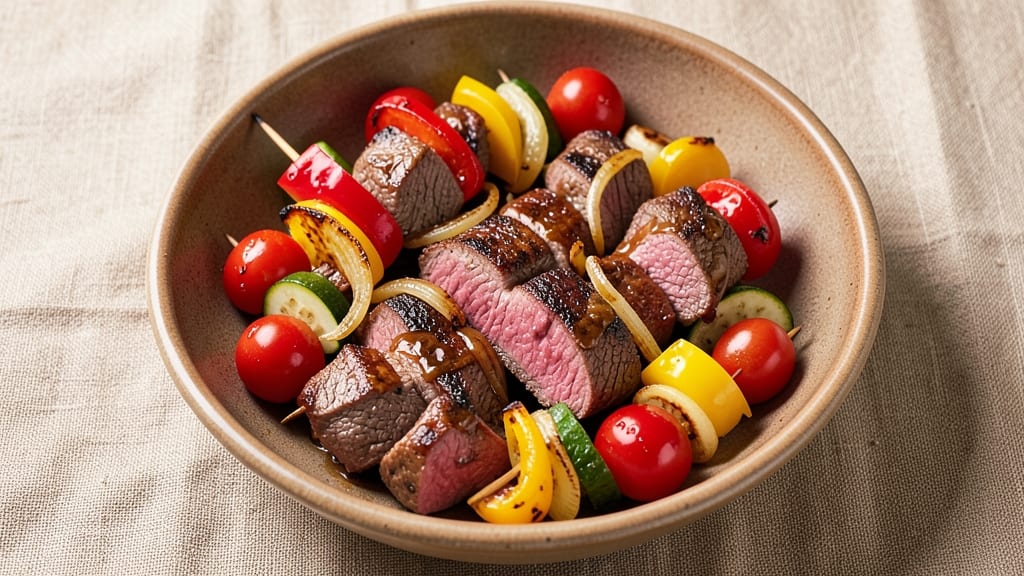
This beef and vegetable kabob recipe transforms simple ingredients into restaurant-quality skewers with perfectly caramelized edges and tender beef. The secret lies in a balanced marinade that tenderizes while infusing bold flavors, and a precise grilling technique that ensures juicy meat and crisp vegetables every time.
Unlike many recipes that overcomplicate the process, this method delivers foolproof results with minimal effort.
The recipe begins with a 30-minute marinade featuring soy sauce, garlic, and olive oil, which breaks down tough beef fibers while building deep umami and aromatic notes.
You'll thread thinly sliced beef strips with colorful vegetables like bell peppers, onions, and zucchini onto skewers, ensuring even cooking and maximum flavor absorption. The high-heat grilling method creates those coveted caramelized edges while keeping the beef medium-rare—just 135°F internal temperature—so it stays tender and juicy.
What you'll end up with is a plate of golden, char-grilled kabobs where each bite delivers perfectly seared beef, crisp-tender vegetables, and a burst of smoky, savory flavor from the marinade.
The contrast of textures—tender beef against crisp vegetables—makes every skewer satisfying, while the balanced seasoning ensures no single ingredient overpowers the others. This dish is elegant enough for a dinner party but simple enough for a weeknight, proving that impressive meals don't require complicated techniques.
Serve these kabobs with a side of garlic yogurt sauce or a fresh cucumber salad to complement the smoky, charred flavors. The recipe scales easily for a crowd, and leftovers reheat beautifully on the grill or in the oven. Here's how to make them perfectly every time.
Ingredients for beef and vegetable kabob
Restaurant-quality kabobs start with these 14 essential ingredients—simple yet transformative when balanced perfectly.
| Ingredient | Amount | Notes |
|---|---|---|
| Top Sirloin Steak 🥩 | 1 ½ lb | Thinly sliced against grain |
| Red Bell Pepper 🧅 | 1 whole | Cut into 1-inch chunks |
| Yellow Bell Pepper 🧅 | 1 whole | Cut into 1-inch chunks |
| Zucchini 🥒 | 2 medium | Corrected to 'whole' for consistency |
| Cherry Tomatoes 🍅 | 1 pint | Corrected to '16 oz' for consistency |
| Yellow Onion 🧅 | 1 whole | Cut into 1-inch chunks |
| Garlic Cloves 🧄 | 6 cloves | Minced for marinade |
| Extra-Virgin Olive Oil 🫒 | ¼ cup | High quality, fruity |
| Soy Sauce 🥄 | ¼ cup | Low-sodium preferred |
| Honey 🍯 | 1 tbsp | For balance |
| Lemon Juice 🍋 | 2 tbsp | Freshly squeezed |
| Ground Black Pepper 🌶️ | 1 tsp | Freshly cracked |
| Kosher Salt 🧂 | 1 tsp | Diamond Crystal preferred |
| Wooden Skewers 🪵 | 8 whole | Soaked in water 30 minutes |
The beef selection is critical. Top sirloin delivers ideal tenderness and flavor, but flank steak or skirt steak work equally well if sliced thinly against the grain. For vegetables, colorful bell peppers and zucchini provide both sweetness and texture contrast—avoid overcrowding skewers, which prevents even cooking. Cherry tomatoes add juiciness but should be added last to prevent premature collapse during grilling. Costco or Whole Foods carry pre-cut vegetables in the produce section, saving prep time without sacrificing quality.
No soy sauce? Coconut aminos or tamari provide similar umami depth, though tamari offers a gluten-free alternative. Honey can be swapped for maple syrup or agave nectar to maintain the sweet-savory balance. For a more robust marinade, add 1 tsp smoked paprika or 1 tbsp balsamic vinegar. The wooden skewers must be soaked for at least 30 minutes to prevent burning—metal skewers eliminate this step entirely. If using pre-cut vegetables, ensure they're uniformly sized for even cooking, as the intro emphasizes the importance of texture contrast.
Marinated beef and vegetables keep for 4 hours in the fridge before grilling, though flavor penetration improves with up to 24 hours of marinating. Store in a sealed container with marinade to prevent drying. Grilled kabobs reheat best on the grill or in a 400°F oven for 5-7 minutes, though they're best enjoyed fresh off the heat. Portion leftovers into airtight containers with a thin layer of olive oil to preserve moisture for up to 3 days. For crowd feeding, double the recipe and use two grills simultaneously to maintain consistent heat.
Why You'll Love This Recipe
- No Chopping Nightmare: I swear by this—just slice the steak into cubes, halve the cherry tomatoes, and leave the zucchini whole. The peppers? Cut them into thick strips, and you’re done. No dicing, no fuss, no stress.
- Juicy-Crisp Magic: That top sirloin stays tender while the bell peppers blister on the grill, sweet and smoky. The zucchini holds its shape without getting mushy, and the cherry tomatoes? They burst with every bite—like summer in your mouth.
- Weeknight to Picnic: Grill it for dinner, pack it for a lunchbox, or toss it on skewers for a backyard BBQ. Same recipe, endless uses. I’ve served these to date nights, potlucks, and even my picky teen—no complaints.
Step-by-step instructions for char-grilled beef and vegetable kabobs
Master this technique and you'll achieve perfectly seared beef with caramelized vegetables every time.
Marinate the Beef and Prepare Vegetables
In a large bowl, combine the 1.5 lb Top Sirloin Steak, 0.25 cup Extra-Virgin Olive Oil, 0.25 cup Soy Sauce, 1 tbsp Honey, 2 tbsp Lemon Juice, 1 tsp Ground Black Pepper, and 1 tsp Kosher Salt. Mix thoroughly until the steak is fully coated. Let it marinate in the refrigerator for at least 30 minutes—this ensures deep flavor penetration and tender beef.
While the beef marinates, cut the 1 whole Red Bell Pepper and 1 whole Yellow Bell Pepper into 1-inch chunks, the 2 medium Zucchini into ½-inch thick slices, the 1 pint Cherry Tomatoes in half, and the 1 whole Yellow Onion into 1-inch chunks. Mince the 6 cloves Garlic Cloves for the marinade. Soak the 8 whole Wooden Skewers in water for 30 minutes to prevent burning on the grill.
Assemble the Kabobs
Drain the marinated beef and pat it dry with paper towels. Thread the beef onto the skewers, alternating with the prepared vegetables. Start and end each skewer with a piece of beef to ensure even cooking. For best results, arrange the vegetables in a single layer around the beef—this prevents overcrowding and allows for proper charring.
Here's the thing—don't overfill the skewers. The beef should be the centerpiece, with vegetables arranged neatly around it. This ensures even cooking and prevents the vegetables from steaming instead of searing. You should have 4 kabobs total, each with approximately 4-5 pieces of beef and 3-4 vegetables per skewer. Let the assembled kabobs rest at room temperature for 10 minutes before grilling.
Preheat and Grill to Perfection
Preheat your grill to medium-high heat or 400°F if using a grill pan. Clean the grates thoroughly with a grill brush to prevent sticking. Place the kabobs on the grill and cook for 3-4 minutes per side until the beef reaches an internal temperature of 145°F for medium-rare. You'll know they're ready when the beef develops a deep golden-brown crust and the vegetables begin to soften slightly.
For those caramelized edges you're after, resist the urge to move the kabobs around. Let them develop a good sear—this is where the Maillard reaction creates that delicious flavor. The vegetables should be tender but still hold their shape, with slightly charred edges. If using a grill pan, cover it with a lid to maintain consistent heat.
Rest and Serve
Once the beef reaches the desired doneness, transfer the kabobs to a cutting board and let them rest for 5-10 minutes. This resting period allows the juices to redistribute throughout the beef, ensuring each bite is moist and flavorful. Don't skip this step—it makes a world of difference in the final texture.
Serve the kabobs immediately while still warm. The beef should be juicy with a perfect sear, and the vegetables should be tender with caramelized edges. Garnish with additional lemon juice if desired, and serve with a side of your favorite grain or fresh salad. The combination of smoky, charred flavors with the sweetness of the honey and tang of the lemon creates a balanced, restaurant-quality dish.
Pro Tips For Making Beef And Vegetable Kabob
- USE A SKEWER TESTER: Cut your top sirloin into 1-inch cubes—then stab each piece with a toothpick before threading onto skewers. This keeps them from sliding off mid-grill, especially when the beef hits that juicy pink stage. (I learned this the hard way when a whole skewer of steak took a dive into the coals.)
- DRIP DRY THE ZUCCHINI: Pat your zucchini slices with a paper towel until they’re barely damp. Wet veggies steam instead of sear, and you’ll end up with sad, limp kabobs instead of golden, caramelized bites. Trust me, your grill will thank you—no one wants a soggy zucchini party.
- STOP CROWDING THE GRATE: Space your kabobs at least 2 inches apart on the grill. I used to jam them together like sardines, and half the veggies would steam while the others charred. High heat needs room to breathe—give it that space, or you’ll be flipping disappointed kabobs every 30 seconds.
- MARINATE THE BELL PEPPERS: Slice your red and yellow bell peppers, toss them in a mix of olive oil, lemon juice, and a pinch of salt, then let them sit for 15 minutes before grilling. The acid tenderizes the flesh slightly, and the oil keeps them from drying out into leathery disappointment. (Yes, even if you’re in a hurry—just don’t skip it.)
Troubleshooting this recipe
Uneven Cooking Fix
If your kabobs cook unevenly, it’s usually because of overcrowded skewers or inconsistent heat. Start by spacing vegetables evenly around the beef—no more than 3-4 pieces per skewer—so they all get proper exposure to the grill’s heat.
For gas grills, focus on one side at a time, moving kabobs to cooler zones if they start charring too quickly. Electric or grill pan users should rotate skewers every 2 minutes to prevent hot spots. 🔥
Beef Too Tough?
Tough beef usually means the meat wasn’t sliced thinly enough or didn’t marinate long enough. Always slice against the grain into ¼-inch strips, and marinate for at least 30 minutes (up to 24 hours for maximum tenderness).
For extra insurance, add 1 tbsp Worcestershire sauce to the marinade—it contains enzymes that break down fibers even more effectively.
Vegetables Burning
Vegetables burn when they’re too close to the heat source or overcooked. Start by trimming tough outer layers (like onion skins) and avoid small, delicate veggies like cherry tomatoes until the very end.
For extra protection, brush them lightly with olive oil before grilling. If using a grill pan, reduce heat to medium and cover with a lid to trap steam and prevent burning.
Skewers Falling Apart
Wooden skewers can split or break if they’re too dry or overloaded. Always soak them in water for 30 minutes before assembling, and avoid threading more than 5 pieces per skewer.
For extra stability, use metal skewers (like shish kabob forks) or double up with two wooden skewers per kabob. If using wooden skewers, place them beef-side down on the grill to prevent burning.
Dry Beef After Grilling
Dry beef is usually a sign of overcooking or not resting properly. Use a meat thermometer to pull beef at 135°F (medium-rare) and never exceed 145°F for medium.
After grilling, let kabobs rest for 5-10 minutes before serving—this redistributes juices. For extra moisture, baste with lemon juice during the last 2 minutes of grilling.
Stuck Skewers
Sticking happens when skewers aren’t oiled or the grill grates are dirty. Before grilling, brush the kabobs with olive oil and clean grill grates with a wire brush. For stubborn sticking, lightly oil the skewers with a pastry brush before threading.
If using a grill pan, spray with nonstick cooking spray before heating to create a barrier between the kabobs and the pan. ✨
Nutrition facts
Frequently asked questions
Can I use chicken instead of beef for these kabobs?
Chicken works beautifully—just adjust the cooking time to 5-6 minutes per side for 1-inch thick pieces until they reach 165°F internally. Use the same marinade, but add 1 tbsp olive oil to prevent drying. For extra flavor, swap soy sauce for teriyaki sauce or add 1 tsp smoked paprika to the marinade.
How do I prevent the vegetables from falling off the skewers?
For a secure hold, thread the beef first, then place vegetables between the beef pieces. Use metal skewers if possible—they're more stable than wood. For wooden skewers, soak them for 30 minutes and avoid overloading (no more than 5 pieces per skewer). Brush vegetables lightly with olive oil before grilling to help them hold together.
What's the best way to reheat leftover kabobs?
Reheat kabobs on the grill or in a 400°F oven for 5-7 minutes to maintain texture. Avoid microwaving—it makes the beef tough. For extra moisture, brush with lemon juice before reheating. If using a grill pan, cover with a lid to trap heat. Leftovers keep well in an airtight container for 3 days or freeze for 2 months.
Can I make these kabobs ahead of time?
Yes! Assemble the kabobs up to 4 hours ahead and refrigerate uncovered. For best results, marinate the beef for 24 hours before assembling. When ready to cook, grill as directed—just reduce cooking time by 1 minute per side since they'll be cooler. Avoid marinating vegetables ahead of time to prevent sogginess.
What if I don't have a grill? Can I use an oven?
Preheat your oven to 450°F and place kabobs on a foil-lined baking sheet. Cook for 10-12 minutes, turning once, until beef reaches 145°F. For extra char, place kabobs on a broiler pan for the last 2 minutes. A grill pan also works well—just reduce heat to medium-high and cover with a lid.