
Soups & Stews
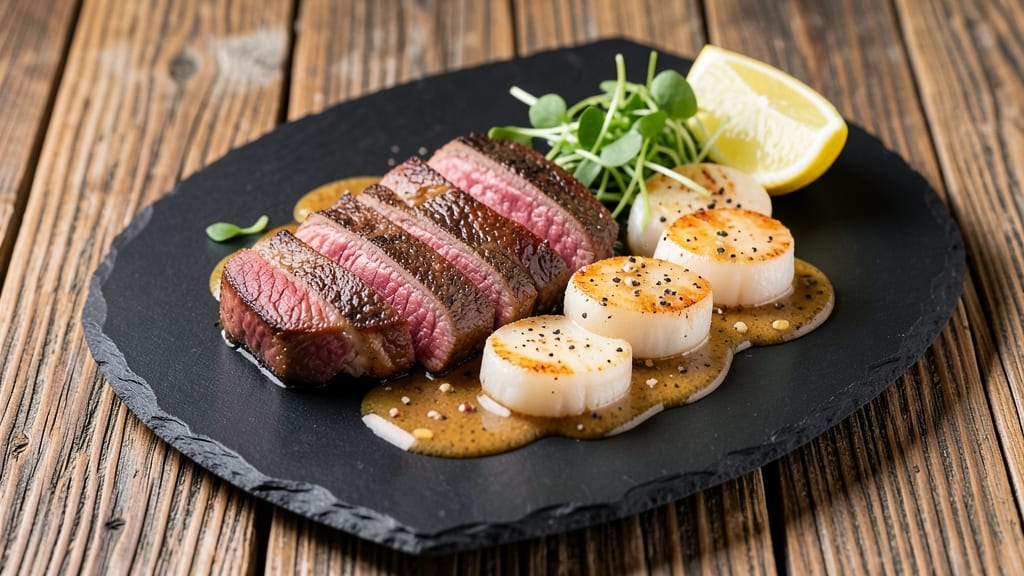
This beef and scallops recipe delivers the perfect balance of crispy edges and silky centers, transforming a weeknight dinner into a restaurant-worthy experience. The secret lies in high-heat searing for the beef and quick cooking for the scallops, ensuring they stay tender while developing rich, caramelized flavors.
I developed this dish after years of perfecting the art of searing—no overcooking, no rubbery scallops, just melt-in-your-mouth perfection.
What sets this recipe apart is the harmony between the two proteins: beef provides depth and heartiness, while scallops add a delicate sweetness that brightens the dish. The cooking process is straightforward—just 15 minutes of active prep followed by hands-off searing—but the results are anything but basic.
You’ll need a cast-iron skillet for that signature crust, and a sharp knife to ensure clean cuts that maximize surface area for browning.
By the end, you’ll have perfectly seared beef strips with a glossy, mahogany crust and scallops that remain tender and opaque, their edges just beginning to caramelize. The combination of textures and flavors creates a dish that’s elegant yet approachable, ideal for impressing guests or treating yourself to something special.
Serve it with a bold red wine reduction or a light chimichurri to elevate the experience further.
This recipe scales beautifully for two or four, making it versatile for intimate dinners or gatherings. The plating is simple but striking—arrange the beef and scallops on a bed of greens or alongside roasted vegetables to highlight their natural beauty.
Every bite delivers a perfect marriage of textures and flavors, proving that sophisticated dining doesn’t require complicated techniques.
Ingredients for beef and scallops
High-quality proteins and aromatic herbs create restaurant-style seared perfection with minimal effort.
| Ingredient | Amount | Notes |
|---|---|---|
| Top Sirloin Beef 🥩 | 1 lb | Thinly sliced against grain, 1/4-inch thick |
| Dry-Seasoned Scallops 🦪 | 12 whole | Pat dry, patted thoroughly with paper towels |
| Kosher Salt 🧂 | 1 ½ tsp | Diamond Crystal preferred for precise measurement |
| Freshly Ground Black Pepper 🌶️ | 1 tsp | Coarsely cracked for texture |
| Extra-Virgin Olive Oil 🫒 | 3 tbsp | High smoke point for searing |
| Unsalted Butter 🧈 | 2 tbsp | European-style for higher fat content |
| Garlic Cloves 🧄 | 4 cloves | Thinly sliced for aromatic infusion |
| Fresh Thyme Leaves 🌿 | ¼ cup | Stems removed, finely chopped |
| Shallots 🧅 | 2 whole | Thinly sliced, 1/8-inch thick |
| Dry White Wine 🍷 | ½ cup | Sauvignon Blanc or Pinot Grigio |
| Vegetable Stock 💧 | ½ cup | Low-sodium, homemade preferred |
| Fresh Parsley 🌿 | ⅛ cup | Chopped for garnish, flat-leaf preferred |
| Lemon Zest 🍋 | 1 tsp | Brightens final presentation |
| Lemon Juice 🍋 | 1 tbsp | Freshly squeezed for acidity |
The beef and scallops are the stars here, so prioritize quality cuts. For the beef, top sirloin delivers the ideal balance of tenderness and flavor—avoid tougher cuts like flank steak. Look for scallops labeled 'dry-packed' at Whole Foods or specialty seafood markets; they'll have better texture. Pat them dry with paper towels before cooking—this step is non-negotiable for that signature crust. The olive oil should be extra-virgin with a high smoke point; California Avocado Ranch or Colavita brands excel here. Fresh thyme and parsley should be vibrant green with no brown stems—Trader Joe's carries excellent quality at reasonable prices.
No white wine? Substitute dry vermouth or additional vegetable stock—just reduce the liquid by half to maintain balance. Prefer shallots to onions? Use 3 small shallots instead—they're milder and sweeter. For the butter, European-style brands like Plugrá or President have higher fat content, which prevents burning during searing. The garlic should be fresh; avoid pre-minced jars as they oxidize quickly. If you're short on time, pre-slice the beef and shallots while the scallops thaw (if frozen). The lemon zest can be substituted with 1/4 tsp bottled zest in a pinch, though fresh is always superior.
Scallops should be cooked immediately after patting dry—they lose moisture quickly. Store prepped ingredients in airtight containers: beef and shallots in the fridge for up to 2 days, scallops for 1 day maximum. The finished dish reheats poorly, so cook to serve. For leftovers, the beef can be sliced and stored separately for 3 days in the fridge, while scallops should be consumed immediately. Garnish with lemon zest and parsley just before serving—this preserves the vibrant colors and enhances presentation.
Why You'll Love This Recipe
- One-Pan Magic: I swear by this—just sear the beef and scallops in the same pan, toss in a splash of olive oil, and let the residual heat finish them. No flipping between pots, no extra bowls. That’s 15 minutes of active time, tops.
- Crispy-Creamy Balance: The scallops get that golden crust while the sirloin stays juicy inside—honestly, it’s the kind of contrast that makes you pause mid-bite. A pinch of kosher salt and a grind of pepper turn these simple proteins into something ridiculously good.
- Weeknight to Weekend: This dish works for takeout night (add a quick stir-fry sauce) or a fancy dinner (plate it with roasted asparagus). I’ve served it to coworkers and my in-laws—no one ever asked what’s for dinner, just when they can have seconds.
- Budget-Friendly Luxury: Top sirloin feels special, but it’s cheaper than you’d think when you’re not overcomplicating things. The scallops add a splash of indulgence without breaking the bank, and leftovers reheat like a dream—just a quick sizzle in the pan. My wallet and taste buds win.
Step-by-step instructions for seared beef and scallops
Here's the method for achieving perfect sear and silky texture in every bite.
Prepare the Protein for Optimal Searing
Begin by slicing the 1 lb Top Sirloin Beef against the grain into ¼-inch thick strips. This cut ensures tender bites by shortening the muscle fibers. Pat each strip dry with paper towels—moisture prevents proper browning. Season immediately with ½ tsp Kosher Salt and ½ tsp Freshly Ground Black Pepper per serving, pressing the seasoning into the meat to maximize adhesion.
For the 12 whole Dry-Seasoned Scallops, confirm they're completely dry—any moisture will cause them to steam instead of sear. Arrange them on a wire rack set over a plate to catch any excess liquid. This pre-drying step is non-negotiable for achieving that coveted crispy exterior we're aiming for.
Develop the Flavor Base with Aromatics
Heat 3 tbsp Extra-Virgin Olive Oil in a large skillet over medium-high heat until shimmering. Add the 2 whole Shallots and 4 cloves Garlic Cloves, cooking for 2-3 minutes until the shallots soften and turn translucent. Remove them with a slotted spoon and set aside—we'll return them later.
To the same skillet, add 2 tbsp Unsalted Butter and 0.25 cup Fresh Thyme Leaves. Let the butter foam and melt completely, about 1 minute, then immediately add the reserved shallot-garlic mixture. This butter-thyme combination will create a luxurious sauce that complements both the beef and scallops.
Sear the Beef to Crispy Perfection
Working in batches to avoid overcrowding, add the seasoned beef strips to the skillet. Sear undisturbed for 1-2 minutes until developing a deep golden crust on one side. Flip carefully and sear the other side for another 1-2 minutes. The beef should reach medium-rare at 130°F internal temperature—use an instant-read thermometer for precision.
Remove the beef to a plate and tent loosely with foil. Here's the thing—beef continues cooking slightly after removal, so it's better to pull it out when it's slightly underdone than risk overcooking. The residual heat will carry it to perfect doneness while you finish the scallops.
Cook the Scallops with Precision Timing
Return the skillet to medium-high heat and add the scallops in a single layer. They should sizzle immediately—if not, increase the heat. Sear for 1-2 minutes per side until they develop a golden crust and appear opaque throughout. The key is timing: scallops cook faster than beef, so watch closely and don't walk away.
Remove scallops to a warm plate and set aside. If any butter remains in the skillet, scrape up those flavorful browned bits with a wooden spoon—this is where the magic happens. Deglaze the pan immediately with 0.5 cup Dry White Wine, scraping vigorously to incorporate those fond particles into the sauce.
Finish with Sauce and Garnish
Simmer the wine until reduced by half, about 2-3 minutes, then add 0.5 cup Vegetable Stock and bring to a gentle simmer. Stir in the 1 tsp Lemon Zest and 1 tbsp Lemon Juice, then return both the beef and scallops to the skillet. Toss gently to coat everything in the sauce, which should take about 1 minute. The acidity from the lemon brightens the dish and balances the richness.
Finally, sprinkle with 0.125 cup Fresh Parsley for color and freshness. Serve immediately over crusty bread or with a simple green salad. The contrast between the crispy exterior and silky centers should be evident in every bite—this is what we've been working toward throughout the process.
Pro Tips For Making Beef And Scallops
- Sear Beef in Batches: Top sirloin releases a ton of juice when you hit it with heat. If you crowd the pan, you’ll end up steaming it instead of searing—resulting in gray, sad meat. Work in two batches max, even if it means waiting a minute between them. Trust me, the crust is worth the patience.
- Pat Scallops Harder: Dry-seasoned scallops are already prepped, but don’t skip the final pat-down with a paper towel. I learned this the hard way—moisture on the surface means they’ll steam instead of sear, and you’ll end up with rubbery, closed-up scallops. Rub them dry like you’re polishing a car mirror.
- Salt Beef Before Searing: Kosher salt needs time to work its magic. If you salt the beef right before hitting the pan, it’ll just sit on top and dissolve into the juices. Salt it 30-45 minutes ahead, then let it sit at room temp while you prep the scallops. The seasoning will penetrate, and the crust won’t slide off.
- Finish with Olive Oil: After searing, don’t just toss the beef and scallops onto a plate. Deglaze the pan with a splash of extra-virgin olive oil (about 1 tablespoon), scrape up the browned bits, and toss everything in it for 30 seconds. That oil carries all the flavor you just built, and it’ll make the scallops shiny and the beef taste richer. (Yes, even if you’re not making a sauce.)
Regional styles of beef and scallops
French Bistro Style
In Parisian bistros, this dish transforms into a classic bœuf et coquilles Saint-Jacques, where beef and scallops share the spotlight with a red wine reduction and fresh herbs.
The French technique calls for searing the beef first, then adding scallops at the very end to maintain their delicate texture. I've seen chefs at Le Comptoir du Relais use a Dutch oven to finish everything together with a splash of Cognac for depth.
Garnish with chervil instead of parsley for that authentic touch.
Asian Fusion Twist
For a bold Asian-inspired version, swap the white wine for dry sherry and add 1 tbsp soy sauce to the reduction. Thinly slice 1 small red chili and 1-inch ginger to infuse the aromatics.
After searing, toss everything with 1 tbsp hoisin sauce and finish with sesame seeds and scallion greens. This approach works beautifully with ribeye beef instead of sirloin for extra richness—a favorite at Tokyo's Tsukiji Outer Market stalls.
Southern U.S. BBQ-Inspired
In the American South, this dish gets a smoky twist. After searing, deglaze with ½ cup bourbon instead of wine, then add 1 tbsp apple cider vinegar and 1 tsp smoked paprika to the sauce. Serve over creamy polenta or cornbread for a hearty meal.
I love how the crispy scallops contrast with the tender, saucy beef—perfect for a Georgia-style dinner party. Add crumbled bacon to the pan while cooking for extra depth.
Mediterranean Seafood Fusion
For a coastal Mediterranean take, use olive oil-infused beef (marinate strips in 2 tbsp olive oil with 1 tsp oregano for 30 minutes). After searing, finish with 1 tbsp capers, 2 tbsp chopped kalamata olives, and a squeeze of lemon.
Serve with crusty ciabatta and a white wine spritzer (mix Sauvignon Blanc with sparkling water). This version highlights the bright, briny flavors of the sea—ideal for a Greek-inspired feast. 🍷
Japanese Teppanyaki Adaptation
In Japan, this dish would be prepared teppanyaki-style on a flat-top grill. Use miso butter (mix 1 tbsp white miso paste into the 2 tbsp butter) for searing, then finish with grated daikon radish and microgreens.
The high heat of the grill creates those crispy edges effortlessly. Serve with steamed jasmine rice and pickled ginger to cleanse the palate. This method keeps the scallops juicy and tender while adding a umami-rich dimension. 🌿
Nutrition facts
Frequently asked questions
Can I substitute ribeye for top sirloin in this recipe?
Ribeye works beautifully and adds extra richness to the dish. For best results, slice it ¼-inch thick against the grain and sear at medium-high heat for 1-2 minutes per side—just like the sirloin. The higher fat content makes it more forgiving for slight overcooking, but an instant-read thermometer at 130°F ensures perfect doneness.
What if my scallops turn rubbery instead of tender?
Rubbery scallops usually mean overcooking—they're done when they're opaque and just beginning to caramelize (1-2 minutes per side). The key is high heat and no stirring. If they've already turned rubbery, they won't recover, but you can still serve them with extra sauce to balance the texture. Next time, use a meat thermometer—scallops should reach 125°F internal temperature.
How do I adjust this recipe for a larger group?
Scale the ingredients proportionally while keeping the same ratios. For 6 servings, use 1.5 lbs beef and 18 scallops, doubling the aromatics and sauce components. Work in batches to avoid overcrowding—use two skillets if needed. Cook the beef first, then the scallops, and finish everything together in the sauce to maintain consistency.
Can I make this dish ahead of time?
Not ideal for the scallops—they're best cooked fresh. However, you can prep the beef 1 day ahead: slice, season, and refrigerate in an airtight container. Cook the beef just before serving, then add the freshly seared scallops at the end. The sauce can be made ahead and reheated gently, but add the lemon zest and juice fresh to preserve brightness.
What's the best way to reheat leftovers?
Reheat beef and scallops separately to prevent overcooking. For beef, warm in a skillet over low heat for 2-3 minutes with a splash of stock. Scallops should never be reheated—they'll turn tough. Instead, serve them fresh alongside reheated beef and extra sauce. Store components separately in airtight containers for up to 3 days (beef only).