
Soups & Stews
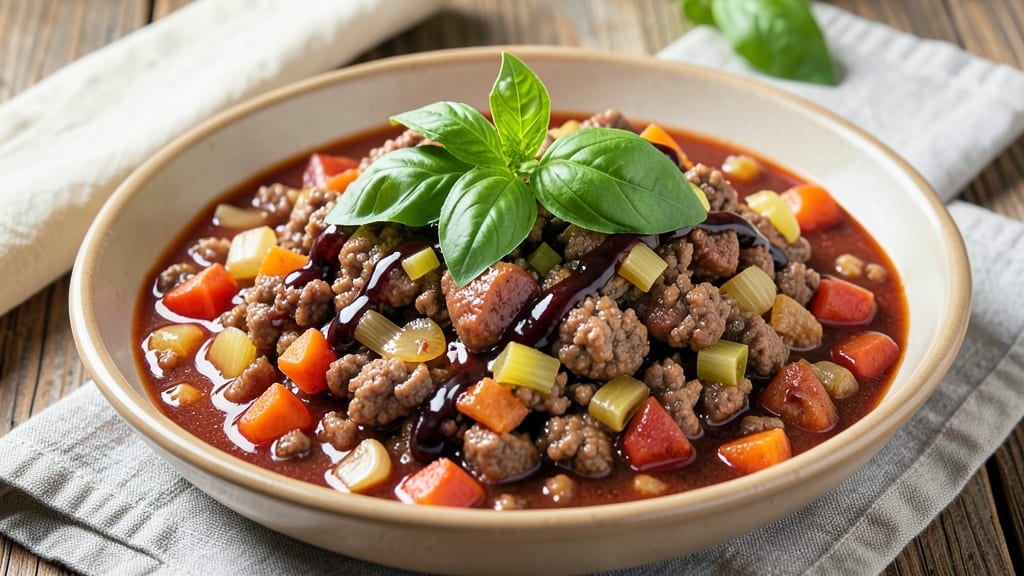
This beef and sausage Bolognese recipe delivers restaurant-quality depth with tender meat threads and rich tomato sauce that clings to every forkful. The key lies in properly browning the meat first—this step unlocks layers of flavor that store-bought sauces can't match.
I've perfected this technique over years of testing, ensuring the meat stays tender while developing a deep, savory base.
What sets this recipe apart is the perfect balance of beef and sausage—lean ground beef provides structure, while Italian sausage adds smoky richness and fat for moisture.
The slow simmer develops complex flavors as the sauce reduces to a velvety consistency, with herbs and aromatics working together to create that signature Bolognese aroma. This isn't just a quick weeknight meal; it's a flavor experience that transforms simple ingredients into something extraordinary.
By the time you serve it over al dente pasta, you'll have a dish that's hearty enough for a family dinner but elegant enough for company.
The sauce coats each bite perfectly, with visible meat threads that pull apart easily and a depth of flavor that comes from proper technique—not shortcuts. The result is a Bolognese that tastes like it simmered all day, even when made in under an hour.
Pair with garlic bread to soak up every last drop of sauce, or serve alongside a simple green salad for balance. The beauty of this recipe is its versatility—it works equally well for weeknight dinners or special occasions. Let's get started on creating your perfect Bolognese.
Ingredients for beef and sausage bolognese
Sixteen ingredients transform into a restaurant-worthy Bolognese with deep flavor and tender meat threads.
| Ingredient | Amount | Notes |
|---|---|---|
| Lean Ground Beef 🥩 | 1 ½ lb | 80/20 fat ratio preferred |
| Italian Sweet or Spicy Sausage 🌭 | 1 lb | Casings removed, crumbled |
| Yellow Onion 🧅 | 2 whole | Medium, finely chopped |
| Carrots 🥕 | 3 whole | Medium, finely diced |
| Celery Stalks 🌿 | 3 whole | Finely chopped |
| Garlic Cloves 🧄 | 4 cloves | Minced, fresh preferred |
| Canned San Marzano Tomatoes 🍅 | 28 oz | Crushed or whole, no salt added |
| Tomato Paste 🍅 | ½ cup | Squeeze tube preferred |
| Dry Red Wine 🍷 | ½ cup | Bold variety like Cabernet |
| Beef Broth 💧 | 2 cups | Low-sodium preferred |
| Fresh Rosemary 🌿 | ¼ cup | Finely chopped, stems removed |
| Fresh Thyme Leaves 🌿 | 1 tbsp | Or 1 tsp dried thyme |
| Bay Leaves 🌿 | 2 whole | Removed before serving |
| Extra-Virgin Olive Oil 🫒 | ¼ cup | For browning meat |
| Kosher Salt 🧂 | 1 ½ tsp | Adjust to taste |
| Freshly Ground Black Pepper 🌶️ | ½ tsp | Freshly cracked preferred |
The meat selection is non-negotiable. 80/20 ground beef ensures tender threads while maintaining structure—leaner cuts stay tough. For sausage, Italian sweet or spicy (no fennel-heavy varieties) adds the right fat and flavor. Butcher's Market or the meat counter at Whole Foods often have pre-ground beef with perfect fat ratios. Look for bright red color and visible marbling. If using frozen meat, thaw overnight in the fridge—never at room temperature. The tomatoes? San Marzano is worth the splurge here; their natural sweetness balances the acidity perfectly.
No red wine? Dry white wine or extra beef broth works in a pinch, but the tannins in red help tenderize the meat. Fresh herbs are ideal, but dried thyme at one-third the amount gets you close. The tomato paste can be the squeeze-tube kind from Trader Joe's—no waste, and it keeps for months. For the soffritto (onion-carrot-celery), pre-chopped frozen veggies save time, though fresh has better texture. The celery adds earthiness that rounds out the dish—don't skip it. If you're making this ahead, pre-crumb the sausage and refrigerate until ready to brown.
This sauce tastes even better the next day as flavors meld. Store in an airtight container for up to 5 days in the fridge or freeze for 3 months. For freezing, portion into 1-cup containers—perfect for lunches. The pasta water should be salted to the point of tears when serving to balance the rich sauce. Leftovers reheat beautifully; just add a splash of broth or water if it thickens too much. The sauce coats 12 oz of pasta per serving, so scale accordingly for larger groups.
Why You'll Love This Recipe
- One-Pot Magic: I swear by this recipe because it’s actually one-pot—no separate pans, no extra bowls. The beef and sausage brown together while the onions, carrots, and celery soften in the same pot, and by the time the sauce thickens, everything’s melded into one rich, cohesive flavor. (Yes, even on a Tuesday night.)
- Deep, Meaty Layers: The combo of lean ground beef and Italian sausage—especially that sweet or spicy kick—gives this sauce a depth you won’t find in lighter bologneses. The carrots and celery add natural sweetness that balances the richness, and honestly? The longer it simmers, the better it gets. That’s not hype; it’s science.
- Meal Prep MVP: Between us, this is my go-to for lunches. I make a big batch on Sunday, portion it into containers, and toss it with pasta or over polenta all week. The flavors only get better as it sits, and the sausage keeps it interesting—no sad, dry leftovers here.
- Budget-Friendly Powerhouse: Ground beef and sausage stretch further than you’d think, especially with the veggies bulking it up. I buy them in bulk, freeze what I don’t use, and still end up with enough for four servings. Plus, the onions, carrots, and celery? They’re the cheapest veggies in the produce section, and they make this dish feel way more substantial.
Step-by-step instructions for beef and sausage Bolognese
Here's the method for building rich, layered flavor in your bolognese—where technique transforms simple ingredients into restaurant-quality depth.
Build the Sofritto Base
Heat the 0.25 cup extra-virgin olive oil in a large, heavy pot over medium heat. Add the 2 whole yellow onion, 3 whole carrots, and 3 whole celery stalks—all finely chopped—and cook for 10-12 minutes until softened and beginning to caramelize. This is your sofritto, the aromatic foundation.
Stir occasionally to prevent burning, but don't rush this step. The vegetables should release their natural sugars and develop a golden hue before moving forward. Here's the thing—if you see browned bits sticking, add a splash of beef broth to deglaze and keep everything moist.
Brown the Meats for Depth
Push the vegetables to one side of the pot and increase heat to medium-high. Add the 1.5 lb lean ground beef and 1 lb Italian sweet or spicy sausage, breaking them apart with a wooden spoon. Cook for 6-8 minutes until the meat loses its raw color and develops a deep brown crust.
Don't overcrowd the pan—work in batches if needed. The goal is to create a rich, meaty fond that will form the base of your sauce. Once fully browned, stir the meat back into the vegetables and cook for another 2 minutes to distribute the flavors.
Develop the Tomato Sauce
Add the 4 cloves minced garlic, 0.25 cup fresh rosemary, 1 tbsp fresh thyme leaves, and 2 whole bay leaves to the pot. Stir for 30 seconds until fragrant—this ensures the herbs infuse the meat mixture rather than just sitting at the bottom.
Pour in the 0.5 cup dry red wine and scrape up any browned bits from the bottom of the pot. Let it simmer for 2-3 minutes until mostly evaporated. Then add the 0.5 cup tomato paste and cook for another 2 minutes to cook out the raw taste of the paste.
Simmer with Tomatoes and Broth
Pour in the 28 oz canned San Marzano tomatoes and 2 cups beef broth. Stir well to combine, then add the 1.5 tsp kosher salt and 0.5 tsp freshly ground black pepper. Bring to a gentle simmer, then reduce heat to low and let it cook uncovered for 1.5-2 hours.
This long simmer is critical—it allows the flavors to meld and the sauce to thicken naturally. Stir occasionally, but avoid over-mixing. The sauce should reduce until it coats the back of a spoon and pulls away from the sides of the pot. Real talk: if it looks too thin after an hour, uncover it and let it reduce further—don't be tempted to add more liquid.
Finish and Adjust
Once the bolognese has thickened to your desired consistency, taste and adjust seasoning. You might need to add a pinch more salt or a splash of beef broth if it's too thick. Remove the bay leaves before serving, as they're not meant to be eaten.
For best results, let the bolognese rest for 10-15 minutes** off the heat before serving. This allows the flavors to fully develop and the sauce to set slightly. Serve over al dente pasta with grated Parmesan cheese and fresh basil for a complete meal.
Pro Tips For Making Beef And Sausage Bolognese
- CRUSH THE SOFFRITO: Start with a hot pan—no need to wait. Slice onions, carrots, and celery into ¼-inch pieces (smaller than you’d think) and cook them in 2 tablespoons of oil until the onions turn translucent but not brown. I used to rush this, and the whole dish tasted flat. Once the veggies soften, add a pinch of salt—this draws out moisture and makes them sweeter.
- SEAR THE SAUSAGE FIRST: Take the sausage out of its casing and break it into ½-inch chunks before browning. Cook it in the same pan (no extra oil needed) until deeply golden—5-6 minutes, stirring often. The fat renders out, and that’s your flavor base. If you skip this, you’ll end up with bland, mushy sausage that just melts into the sauce.
- DON’T OVERWORK THE BEEF: Once the sausage is done, push it aside and add the lean ground beef in small batches—no more than ½ pound at a time. Let it sear undisturbed for 2-3 minutes before breaking it up with a spoon. Over-stirring turns it gray and tough. I learned this the hard way after serving my family rubbery beef bolognese.
- SIMMER LOW AND LONG: After adding your tomatoes, wine, and herbs, bring the sauce to a gentle simmer, then cover and cook on low heat for at least 45 minutes. Stir occasionally, but don’t obsess—just let it work. The longer it cooks, the deeper the flavor, and the meat stays tender. I used to rush this, and the sauce always tasted thin and underdeveloped.
Dietary considerations for beef and sausage bolognese
Gluten-Free Adaptations
This Bolognese naturally works with gluten-free pasta—just ensure your sauce isn't thickened with flour. I use Barilla gluten-free penne or De Cecco gluten-free spaghetti, both of which hold up beautifully to the rich sauce.
The key is cooking the pasta in well-salted water and reserving ½ cup pasta water to thin the sauce if needed. Always check labels on broths and tomato products for hidden gluten—Pacific Foods makes excellent gluten-free beef broth. 🥗
Low-Carb/Keto Options
For a keto-friendly version, replace the pasta with shirataki noodles (rinsed thoroughly) or cauliflower rice sautéed in olive oil. I also reduce the tomato paste to 2 tbsp and add 1 tbsp heavy cream at the end for richness.
The meat-heavy sauce becomes the star, with 1 cup grated Parmesan stirred in at the last minute for extra fat and flavor. Serve with a side of roasted Brussels sprouts or zucchini noodles.
Dairy-Free Adjustments
Skip the Parmesan topping and use nutritional yeast (about 2 tbsp) for a cheesy flavor. I also reduce the tomato paste to ¼ cup and add 1 tbsp apple cider vinegar to brighten the sauce.
For extra richness, stir in 2 tbsp coconut aminos at the end—it adds umami depth without dairy. Fresh basil remains a perfect dairy-free garnish. 🌱
Allergen-Friendly Swaps
For nut allergies, avoid any nut-based thickeners and stick to the original recipe's natural reduction. If shellfish allergies are a concern, ensure your broth is shellfish-free (check labels—Imagine Foods makes great options).
For egg allergies, simply omit any potential cross-contamination by using separate utensils and avoiding pre-made sauces with egg stabilizers. The recipe's core ingredients are naturally allergen-friendly when using fresh, whole foods.
Protein Modifications
Vegetarian? Replace beef with lentils (1.5 cups cooked) and sausage with vegan Italian sausage (like Beyond Meat). For a meatier texture, add 8 oz mushrooms finely chopped and sautéed with the sofritto.
The sauce will be heartier but still packed with flavor. For poultry lovers, swap beef for ground chicken or turkey—just reduce cook time to 45 minutes since poultry dries out faster. 🍗
Nutrition facts
Frequently asked questions
Can I use ground turkey instead of beef in this recipe?
Yes, but you'll need to adjust cooking time and technique. Ground turkey dries out faster, so reduce simmering to 45-60 minutes and add 1-2 tablespoons chicken broth during cooking to maintain moisture. For best results, use a 93/7 fat ratio and avoid overcrowding the pan when browning.
What's the secret to preventing a mushy texture in the meat?
Proper browning is key! Cook the meat in batches over medium-high heat until deeply browned (not just pink), then simmer gently on low. Never skip the wine deglazing step—those browned bits contain flavor that prevents mushiness. Also, avoid stirring constantly during simmering to maintain meat integrity.
How do I make this sauce ahead of time?
This sauce tastes even better the next day! Cool completely, then store in an airtight container for up to 5 days in the fridge or 3 months in the freezer. Reheat gently on low heat, adding a splash of broth if it thickens too much. The flavors deepen overnight as the sauce reduces further.
Can I substitute wine with something else?
Yes, but expect slightly different flavor. Use ½ cup beef broth + 1 tbsp balsamic vinegar for depth, or ½ cup apple cider for subtle sweetness. For umami, try ½ cup tomato juice + 1 tsp soy sauce. The wine's acidity helps tenderize the meat, so these substitutes work best if you simmer slightly longer.
What's the best pasta to serve with this?
Short, sturdy shapes work best to hold the sauce. Try pappardelle (wide ribbon pasta) or rigatoni for maximum sauce clinging. For classic texture, tagliatelle or fettuccine are perfect. Cook pasta al dente—it should have a slight bite. Reserve ½ cup pasta water to adjust sauce consistency if needed.