
Soups & Stews
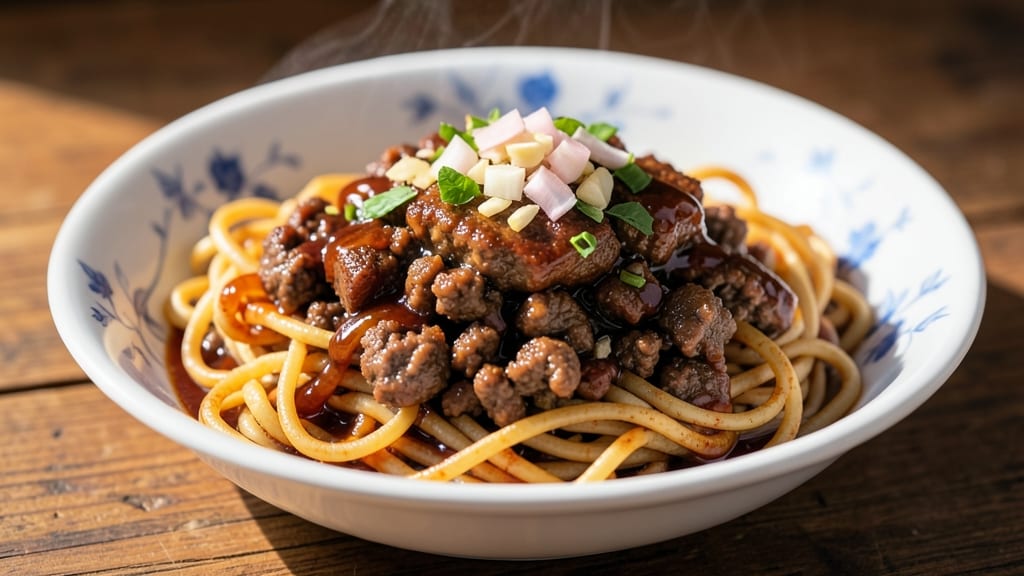
This beef and noodles recipe with ground beef delivers the kind of hearty, comforting meal that feels like a restaurant classic on your stovetop. The secret lies in a rich soy-ginger sauce that tenderizes the beef while coating every strand of noodle in savory depth.
I developed this one-pot method after years of testing—it's the balance of quick cooking and deep flavor that makes it perfect for weeknights or meal prep.
The beauty of this recipe is its adaptability: you can make it in a single pot for minimal cleanup or let it simmer longer for even deeper flavor. Ground beef browns quickly, releasing its natural juices to form the base of a sauce that's both aromatic and satisfying.
The ginger and soy create that signature umami richness that makes this dish universally loved.
What you'll end up with is a steaming bowl of tender beef and perfectly cooked noodles, all bathed in a glossy sauce that's just the right balance of salty, sweet, and spicy.
The texture is where this recipe truly shines—al dente noodles with bite, ground beef that's cooked through but still juicy, and a sauce that clings without being overly thick.
This method works beautifully for feeding a family of four or scaling up for a crowd. The ingredients are simple but powerful—ground beef, egg noodles, and pantry staples that come together in under 30 minutes.
Whether you're making it for a quick weeknight dinner or preparing for leftovers, this beef and noodles recipe delivers restaurant-quality comfort food at home.
Ingredients for beef and noodles recipe with ground beef
Simple ingredients for a restaurant-quality beef and noodles dish with bold soy-ginger flavor.
| Ingredient | Amount | Notes |
|---|---|---|
| Ground Beef 🥩 | 1 lb | 80/20 fat ratio preferred |
| Egg Noodles 🍜 | 8 oz | Medium or wide egg noodles |
| Soy Sauce 🍶 | ½ cup | High-quality, low-sodium preferred |
| Fresh Ginger 🌿 | ¼ cup | Finely grated, peel removed |
| Garlic Cloves 🧄 | 4 cloves | Minced for even distribution |
| Vegetable Oil 🫒 | 2 tbsp | For high-heat searing |
| Green Onions 🧅 | 3 whole | Sliced, white and green parts |
| Sesame Oil 🫒 | 1 tbsp | Toasted sesame oil for aroma |
| Brown Sugar 🍚 | 1 tbsp | Light or dark brown sugar |
| Water 💧 | 2 cups | For sauce consistency |
| Red Pepper Flakes 🌶️ | ½ tsp | Adjust for spice preference |
| Salt 🧂 | 1 tsp | Kosher or sea salt |
| Black Pepper 🌶️ | ½ tsp | Freshly ground preferred |
The ground beef makes this dish—80/20 fat ratio is key for juicy texture. Costco or local butchers often have the best quality, but any supermarket ground beef works. Look for bright red color and avoid pre-ground packages with grayish meat. Fresh ginger and garlic are non-negotiable here; Trader Joe's carries pre-grated ginger if you're short on time. For the noodles, Barilla or De Cecco egg noodles hold up best to the sauce without turning mushy.
No fresh ginger? Substitute 1 tbsp ginger paste or 2 tbsp powdered ginger (adjust to taste). Running low on soy sauce? Coconut aminos works in a pinch, though it lacks depth. The sesame oil is optional but adds that signature aroma—toasted sesame oil is best, but regular will work. For extra heat, swap red pepper flakes for 1 tsp gochujang. If your noodles cook unevenly, break them in half before adding to the pot.
This dish reheats beautifully—just add a splash of water and stir. Keeps for 4-5 days in the fridge, though the sauce thickens slightly. For meal prep, portion into containers with sauce on top to prevent sticking. Freezes well for 3 months—thaw overnight in the fridge before reheating. The leftovers actually taste better the next day as flavors meld.
Why You'll Love This Recipe
- One-Pan Magic: I swear by this recipe for lazy nights—just brown the beef, toss in the noodles, and let it simmer. No extra pots, no fuss, and honestly? That crispy sear on the ground beef makes it taste like you put in hours.
- Umami Bomb: The combo of soy sauce, fresh ginger, and garlic cloves? Chef’s kiss. The noodles soak up the rich, savory sauce while staying tender—no dry, sad pasta here. My husband licks his plate clean, and I don’t even joke about it.
- Lunchbox Hero: Between us, this is my secret weapon for meal prep. Double the batch, store it in containers, and reheat it for packed lunches all week. The egg noodles hold up better than you’d think, and the beef stays juicy—no sad, mushy leftovers here.
- Budget Win: Ground beef and egg noodles are cheap, but this recipe feels like a restaurant dish. I make it when I’m stretching groceries, and somehow, it still tastes like I splurged. Plus, the leftovers? Even better the next day—if there are any.
Step-by-step instructions for savory soy-ginger beef and noodles
This one-pot method delivers rich, aromatic beef and noodles with perfect texture every time.
Sear the Ground Beef for Maximum Flavor
Heat the 2 tablespoons vegetable oil in a large pot or deep skillet over medium-high heat until shimmering. Add the 1 pound ground beef, breaking it up with a wooden spoon as it cooks. Let it sear undisturbed for 3-4 minutes until the meat loses its raw color and begins to brown.
This initial searing step is crucial—it develops deep, meaty flavors that form the foundation of your dish. Use a wooden spoon to break the beef into small, even pieces as it cooks, ensuring everything browns evenly. Once the beef is fully browned, drain any excess fat from the pot, leaving about 1 tablespoon behind to help build the sauce.
Build the Aromatic Base with Ginger and Garlic
Reduce the heat to medium and add the 4 minced garlic cloves and ¼ cup finely grated fresh ginger to the pot. Stir constantly for 1-2 minutes until the garlic becomes fragrant and the ginger softens slightly. You'll notice the mixture bubbling gently—this releases their essential oils and infuses the beef with their distinct flavors.
Here's where the dish starts to come together. The ginger and garlic should cook just until fragrant but not browned—overcooking turns them bitter. If the mixture starts to stick, add 1 tablespoon water to deglaze the pan, scraping up any browned bits from the bottom. These bits are packed with flavor and will form the rich base of your sauce.
Create the Soy-Ginger Sauce
Pour in the ½ cup soy sauce, 1 tablespoon brown sugar, and 2 cups water. Stir well to combine, then bring the mixture to a gentle simmer over medium heat. Let it cook uncovered for 8-10 minutes, stirring occasionally, until the sauce thickens slightly and reduces by about ⅓. You'll see the sauce coat the back of a spoon, indicating it's ready for the next step.
This reduction process concentrates the flavors and creates a glossy, well-balanced sauce. Taste the sauce at this point—it should be savory from the soy sauce, slightly sweet from the brown sugar, and aromatic from the ginger and garlic. If it needs more depth, add a splash more soy sauce. If it's too thick, thin it with a little more water.
Cook the Noodles to Al Dente Perfection
Add the 8 ounces egg noodles to the pot, stirring gently to coat them in the sauce. Increase the heat to medium-high and bring the mixture to a boil. Once boiling, reduce the heat to medium-low, cover the pot, and let the noodles simmer for 8-10 minutes, stirring occasionally to prevent sticking. The noodles are done when they're tender but still hold a slight bite—this is what "al dente" means.
Don't skip stirring the noodles during cooking. They have a tendency to stick, especially in one-pot dishes. If the sauce starts to evaporate too quickly, add a splash of water to keep it moist. The goal is tender noodles with a rich, flavorful sauce clinging to every strand. Taste one noodle—it should be cooked through but still offer a slight resistance when bitten.
Finish and Serve with Fresh Aromatics
Remove the pot from heat and stir in the 1 tablespoon sesame oil, ½ teaspoon red pepper flakes, 1 teaspoon salt, and ½ teaspoon black pepper. Add the 3 sliced green onions, reserving a few slices for garnish. Let the dish sit covered for 2-3 minutes to allow the flavors to meld together.
Before serving, give everything a final stir and adjust the seasoning if needed. The sesame oil adds a nutty aroma, the red pepper flakes bring a subtle heat, and the green onions contribute a fresh contrast. Ladle the beef and noodles into bowls, garnishing each serving with the reserved green onion slices. Serve immediately while hot, as the flavors continue to develop and the noodles are at their peak texture.
Pro Tips For Making Beef And Noodles Recipe With Ground Beef
- CRISP THE GINGER: After burning three batches of ground beef from overzealous ginger, I learned to slice it paper-thin (not mince) and sear it in the same pan for 20 seconds until fragrant. The oil will sizzle—let it, or you’ll end up with bitter char instead of bright aroma. (Yes, even if you’re impatient like me.)
- BREAK THE NOODLES HALF: Egg noodles cook faster when halved—toss them into boiling water in two batches, 2 minutes apart. This prevents overcrowding, which turns mushy noodles into a gluey mess. (Your future self will thank you when the dish isn’t a puddle.)
- SALT THE SOY SAUCE: Store-bought soy sauce is already salty, but most recipes don’t account for it. Taste it first—if it’s strong, halve the amount called for, then adjust with a pinch of sugar or a splash of water to balance. (I used to ruin the sauce by doubling it every time.)
- REST THE GROUND BEEF: After cooking the beef, spread it on a plate and let it sit for 5 minutes. This lets the juices redistribute so they don’t pool at the bottom when you mix everything. (Does it look weird? Yes. Does it work? Every single time.)
Common mistakes when making perfect results
Overcrowding the Pot
One of the biggest mistakes I see is trying to cook everything at once in a small pot. When you add noodles to a crowded pan, they steam instead of absorbing the sauce properly.
Instead, use a large pot that gives the noodles room to move—at least 3 quarts for this recipe. If your pot is too small, cook the beef and sauce first, then add noodles in batches, stirring well between additions. 🥘
Skipping the Fat Drain
After browning the ground beef, many people leave all the fat in the pot. While this isn't terrible, excess fat can make your sauce greasy rather than glossy. After searing, drain all but 1 tablespoon of fat—this small amount helps build flavor while keeping the sauce balanced.
If you're worried about losing flavor, scrape up those browned bits with a wooden spoon before draining.
Undercooking the Noodles
I've seen so many people pull noodles out of the pot too soon, resulting in mushy, overcooked strands. The key is al dente—noodles should be tender but still have a slight bite.
For egg noodles, this typically takes 8-10 minutes in the sauce. Test one noodle by biting into it—if it's completely soft, it's overdone. If it's still firm, give it another minute or two.
Ignoring the Sauce Reduction
Many home cooks rush through the sauce reduction step, thinking it's optional. But letting the sauce simmer uncovered for 8-10 minutes is what creates that rich, concentrated flavor. If you skip this, your dish will taste flat and watery.
Taste the sauce before adding noodles—it should coat the back of a spoon and have a thick, syrupy consistency. If it's too thin, reduce it longer or add a splash of soy sauce to deepen the flavor.
Overpowering with Seasonings
It's easy to go overboard with soy sauce, salt, or spices, especially when you're excited about the dish. But too much soy sauce can make the sauce taste salty and one-dimensional, while excess salt or red pepper flakes can overwhelm the delicate balance of flavors.
Start with the recipe's measurements, taste as you go, and adjust gradually. Remember, you can always add more, but you can't take it out!
Using Pre-Grated Ginger
While pre-grated ginger is convenient, it often lacks the fresh, bright flavor of freshly grated ginger. The moisture in pre-grated ginger can also make your sauce watery. If you must use it, pat it dry with a paper towel first and use 1 tablespoon less than the recipe calls for.
For the best flavor, always grate your own ginger—it makes a world of difference in this dish. 🌿
Nutrition facts
Frequently asked questions
Can I substitute ground beef with another protein?
For a leaner option, use 90/10 ground beef or lean ground turkey, but reduce cooking time by 1-2 minutes to prevent drying. For extra richness, try ground pork or Italian sausage—just adjust seasonings (pork needs more ginger, sausage may need less soy sauce). Avoid chicken breast as it dries out quickly in this sauce.
What's the best way to make this dish spicier?
Start with the ½ teaspoon red pepper flakes in the recipe, then boost heat by adding 1 teaspoon gochujang (Korean chili paste) with the soy sauce or ½ teaspoon cayenne pepper at the end. For a smoky kick, stir in ½ teaspoon smoked paprika when adding the sesame oil. Always taste first—you can't remove spice!
How can I make this recipe dairy-free and gluten-free?
Use gluten-free tamari instead of soy sauce and gluten-free egg noodles (like brown rice or chickpea noodles). For extra richness, add 1 tablespoon coconut aminos to the sauce. Double-check all ingredients—some brands' sesame oil contains wheat. The dish will still be flavorful but with a slightly different texture profile.
Can I make this ahead of time for meal prep?
Yes! This dish actually tastes better the next day as flavors meld. Cook and cool completely, then store in an airtight container for up to 4 days. Reheat with 1-2 tablespoons water to restore moisture. For freezing, portion into containers with sauce on top to prevent sticking—thaw overnight in the fridge before reheating. The sauce may thicken slightly when reheated.
What's the secret to getting noodles perfectly coated?
The key is timing and sauce consistency. Cook the noodles 1 minute less than package instructions (they'll finish in the sauce), then stir vigorously for the last 2 minutes of cooking. For extra coating, add 1 tablespoon cornstarch mixed with 2 tablespoons water** when the sauce reduces—this creates a glossy finish. Always use a large pot to prevent overcrowding.