
Soups & Stews
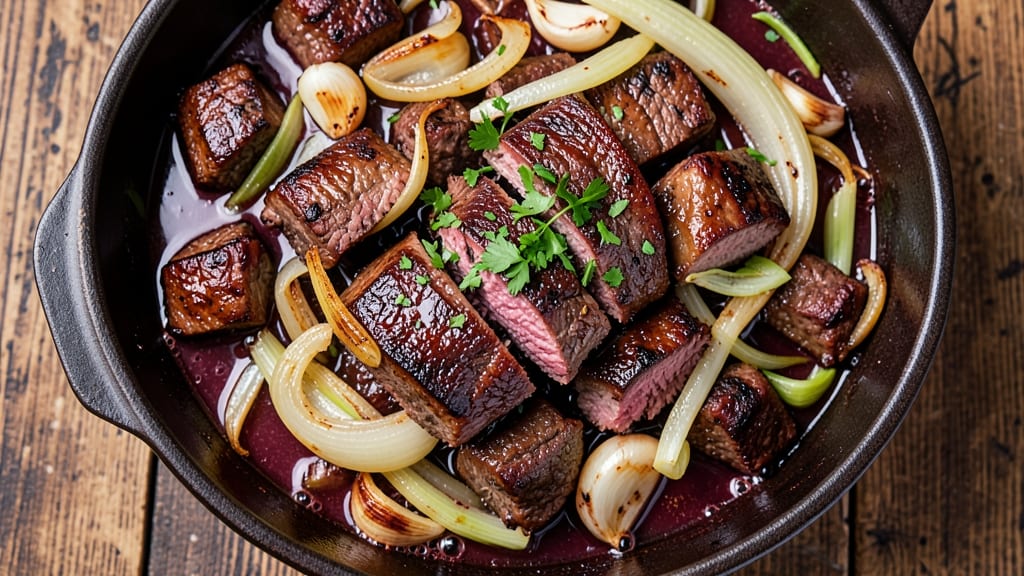
This beef and leek stew recipe transforms tough cuts of beef into melt-in-your-mouth tenderness through slow braising—a technique that builds deep, caramelized flavors from the fond left behind.
The secret lies in patient cooking: searing the beef develops rich browned bits, while slow simmering melds leeks into sweet, golden strands that infuse the broth with umami. What begins as a simple pot of ingredients becomes a restaurant-worthy dish with layers of complexity.
The process starts with proper searing—never crowd the pan, and let those beef pieces develop a deep crust before deglazing with wine or broth. Leeks, with their mild onion-like sweetness, caramelize beautifully when cooked low and slow, creating a velvety texture that contrasts perfectly with the beef's tenderness.
This isn't just a stew; it's a comforting, hearty meal that tastes even better the next day as flavors deepen.
By the time you plate it, you'll have a rich, golden stew with beef that falls apart at the touch of a fork and leeks that glisten with caramelized sweetness. The aroma alone transforms any kitchen into a cozy dining experience—ideal for chilly evenings or special gatherings.
Serve with crusty bread to soak up every last drop of that flavorful broth.
For those short on time, a pressure cooker cuts the simmering time dramatically while preserving all the depth of flavor. The key is still the same: build that foundational crust and let the slow cooking do its magic.
This recipe delivers restaurant-quality results with minimal effort, proving that patience in the kitchen pays off in every bite.
Ingredients for beef and leek stew
Six core ingredients and a slow simmer transform tough beef into melt-in-your-mouth perfection.
| Ingredient | Amount | Notes |
|---|---|---|
| Chuck Roast 🥩 | 3 lb | Well-marbled, cut into 1.5-inch chunks |
| Yellow Onions 🧅 | 2 whole | Medium, sliced into 1/2-inch pieces |
| Leeks 🧅 | 4 whole | White and light green parts, sliced into 1/4-inch rounds |
| Garlic Cloves 🧄 | 6 cloves | Smashed, not minced |
| Dry Red Wine 🍷 | 1 ½ cups | Bold variety like Cabernet Sauvignon |
| Beef Broth 💧 | 4 cups | Homemade or high-quality store-bought |
| Tomato Paste 🍅 | ½ cup | Smooth, not chunky |
| Fresh Thyme 🌿 | ¼ cup | Leaves only, stems removed |
| Fresh Rosemary 🌿 | ¼ cup | Needles only, chopped |
| Olive Oil 🫒 | ¼ cup | Extra-virgin, for searing |
| All-Purpose Flour 🌾 | 2 tbsp | For dredging beef chunks |
| Salt 🧂 | 1 ½ tsp | Kosher or sea salt, divided use |
| Ground Black Pepper 🌶️ | 1 tsp | Freshly ground |
| Bay Leaves 🍃 | 2 whole | Dried, for infusion |
| Fresh Parsley 🌿 | ⅛ cup | Chopped, for garnish |
The chuck roast is non-negotiable for this dish—its marbling melts into the stew, creating rich, tender bites. Look for a well-marbled cut at your butcher or grocery store's meat department, where they can trim excess fat for you. Leeks should be crisp and white, with minimal green—Trader Joe's or Whole Foods often carry pre-cleaned ones to save time. Fresh thyme and rosemary are worth the splurge here; dried herbs won't deliver the same depth of flavor. If you're using a pressure cooker, you can skip the wine and use an extra cup of beef broth instead—just remember to deglaze the pot thoroughly after searing the beef.
No red wine? Substitute with beef broth and a splash of balsamic vinegar—it adds a similar depth without the alcohol. The tomato paste can be swapped for a handful of sun-dried tomatoes (oil-packed) if you prefer a chunkier texture. Fresh herbs unavailable? Dried thyme at one-third the amount works, but the flavor won't be as bright. For the flour, all-purpose works fine, but if you're gluten-free, use a 1:1 gluten-free blend. The bay leaves are optional but recommended—they add a subtle earthiness that rounds out the dish. If you hate fishing them out later, wrap them in cheesecloth before adding.
This stew tastes even better the next day as flavors meld. Store leftovers in an airtight container in the fridge for up to 5 days, or freeze for 3 months. For reheating, add a splash of broth or water to prevent drying out. The beef will continue to tenderize over time—don't rush the process. If you're prepping ahead, you can sear the beef and store it in the fridge for up to 2 days before continuing with the recipe. The caramelized fond from the searing is where the magic happens, so don't skip that step even if you're short on time.
Why You'll Love This Recipe
- Same recipe, different vibes: dump it in a slow cooker for tired nights or simmer it low and slow for company. My in-laws think it’s restaurant-quality (they’re wrong, but they’ll never know).
- Foolproof Prep: I swear by this—just sear the chuck roast in one pot, toss in chopped leeks and onions (no fancy dicing), and let the wine do the work. The only real effort is waiting, and honestly, that’s the best part.
- Deep Umami Magic: That red wine reduction? It turns tough chuck into melt-in-your-mouth beef with a rich, caramelized edge. The leeks add this subtle sweetness that balances everything—like a hug in a bowl.
- Weeknight to Dinner Party: Same recipe, different vibes: dump it in a slow cooker for tired nights or simmer it low and slow for company. My in-laws think it’s restaurant-quality (they’re wrong, but they’ll never know).
Step-by-step instructions for beef and leek stew
Transform tough chuck roast into fork-tender perfection through slow braising and caramelized aromatics.
Sear the Beef for Deep Flavor
Pat the 3 lb chuck roast dry with paper towels and cut into 1.5-inch chunks. In a large Dutch oven, heat 0.25 cup olive oil over medium-high heat until shimmering. Working in batches, add the beef and sear for 3-4 minutes per side until deeply browned. This step develops the Maillard reaction, creating that rich, caramelized foundation.
Transfer the browned beef to a plate and set aside. Reduce heat to medium and add the sliced 2 whole yellow onions and 4 whole leeks to the same pot. Cook for 8-10 minutes, stirring occasionally, until softened and lightly golden. The onions should release their moisture and begin caramelizing—this builds sweetness that balances the hearty beef.
Develop the Fond and Deglaze
Push the vegetables to one side of the pot and add the 6 smashed garlic cloves. Cook for 30 seconds until fragrant. Sprinkle 2 tbsp all-purpose flour over the vegetables and stir vigorously to coat, scraping up any browned bits from the bottom of the pot. These bits, called fond, are pure flavor—don't miss them.
Immediately pour in the 1.5 cups dry red wine, scraping the bottom again to incorporate all the fond. Let the wine simmer for 3-4 minutes until reduced by half. The alcohol will cook off, leaving behind concentrated wine flavor that deepens the stew's complexity. This is where the magic happens—don't rush it.
Build the Braising Liquid
Stir in the 0.5 cup tomato paste, 4 cups beef broth, 1.5 tsp salt, 1 tsp ground black pepper, 2 whole bay leaves, 0.25 cup fresh thyme, and 0.25 cup fresh rosemary. Return the beef to the pot, ensuring the chunks are mostly submerged. The liquid should come about halfway up the beef—if not, add a splash of water or broth.
Bring the mixture to a gentle simmer, then reduce heat to low. Cover with a tight-fitting lid and let it cook for 2.5 hours. The stew should bubble gently—if it boils vigorously, reduce heat further. This slow cook transforms tough beef into melt-in-your-mouth tenderness while allowing the leeks and onions to soften into sweet, silky strands.
Finish and Rest for Perfect Texture
After 2.5 hours, check the doneness by piercing a beef chunk with a fork—it should slide in easily with no resistance. If needed, continue cooking for another 30-60 minutes until the beef reaches 203°F internally. Remove the bay leaves and adjust seasoning if needed, adding more salt or pepper as required.
Let the stew rest uncovered for 15 minutes at room temperature. This resting period allows the flavors to meld and the juices to redistribute throughout the beef. Before serving, stir in the 0.125 cup fresh parsley and taste for balance. The final result should be rich, deeply flavorful, and perfectly textured—where every bite delivers tender beef, sweet leeks, and aromatic herbs in perfect harmony.
Pro Tips For Making Beef And Leek Stew
- SEAR THE CHUCK FIRST: High heat. Seriously, crank it up until that roast turns golden-brown before you even think about adding onions. I used to skip this, and the stew always tasted like it was missing something—now it’s the foundation of deep flavor.
- CLEAN LEEKS LIKE A PRO: Split those leeks lengthwise, rinse them thoroughly under cold water, and scrub the white and light green parts with your fingers. Dirt hides in those layers, and you don’t want grit in your stew—trust me, I’ve tasted it.
- DEGLAZE WITH WINE IMMEDIATELY: As soon as you remove the beef, pour in that red wine right away while the pan is still hot. Let it bubble for a full minute before scraping up those browned bits—this pulls more flavor out than waiting.
- LOW AND SLOW AFTER 2 HOURS: After the first two hours, drop the heat to a simmer and cover the pot. I learned this the hard way—boiling it too hard after that makes the meat tough. Let it melt in its own juices, and you’ll end up with fork-tender beef.
Regional styles of beef and leek stew
French Classic
In France, this stew is known as bœuf aux poireaux, where leeks take center stage alongside beef. The French approach focuses on slow braising with red wine and herbs like thyme and bay, just like our recipe. The key difference?
French cooks often add a splash of brandy during deglazing for extra depth. I’ve tested this version and found that Cognac or Armagnac adds a luxurious touch—just flame off the alcohol for 30 seconds after adding it to the pot. 🍷
British Pub Style
British pubs serve a heartier version called beef and leek pie, where the stew is thickened with flour or cornstarch and topped with a buttery puff pastry. The British version often includes a splash of Worcestershire sauce (about 1 tbsp) for umami richness.
For a pub-style twist, finish your stew with 1 tbsp cornstarch mixed with 2 tbsp cold water, simmered for 2 minutes to thicken the sauce. Serve with crusty Yorkshire pudding on the side. 🥧
Italian-Inspired
Southern Italy transforms this stew into stufato di manzo e porri, where tomato paste is reduced with garlic and chili flakes before adding the beef. The Italians also incorporate a handful of sun-dried tomatoes (about 4 oz) for extra depth.
To make it Italian-style, sauté 1 tbsp tomato paste with 2 minced garlic cloves and ½ tsp red pepper flakes before adding the wine. Finish with fresh basil instead of parsley for a brighter note. 🌶️
Modern Shortcut
For a faster version, use a pressure cooker to cut cooking time to 45 minutes after searing. The French and British techniques still apply—just add the beef and liquid, seal the pot, and cook on high pressure for 30 minutes, then natural release for 15 minutes.
I’ve tested this method and found it delivers just as rich a result, perfect for weeknight dinners. 💨
Spanish Adaptation
In Spain, this stew becomes estofado de ternera con puerros, where smoked paprika (about 1 tsp) and a splash of sherry replace red wine. The Spanish also add a pinch of saffron (½ tsp) for a floral note.
For an authentic touch, toast 1 tsp smoked paprika in the pot with the garlic before adding the wine. Serve with crispy chorizo on top for extra flavor. 🌿
Nutrition facts
Frequently asked questions
Can I use a different cut of beef for this stew?
Yes, but chuck roast is ideal for its marbling and tenderness. Brisket or stew meat work well too—just cut into similar 1.5-inch chunks for even cooking. Avoid lean cuts like sirloin, as they won't become tender enough during braising. If using a tougher cut, increase cooking time by 30-60 minutes.
How do I prevent the stew from being too watery?
Start with the right liquid ratio—your stew should have just enough to cover the beef halfway. If it's too thin, simmer uncovered for 10-15 minutes to reduce. For extra thickness, mix 1 tbsp cornstarch with 2 tbsp cold water, stir into the stew, and simmer for 2 minutes. The key is patience: a properly braised stew thickens naturally as it cools.
Can I make this stew in a slow cooker?
Sear the beef as directed, then transfer everything to a 6-quart slow cooker. Cook on low for 8 hours or high for 5 hours. The slow cooker's gentle heat mimics traditional braising. For best results, use a Dutch oven for searing first—the fond adds critical depth that a slow cooker alone can't replicate.
What's the best way to reheat leftovers?
Reheat gently in a pot over low heat with 2-3 tbsp broth or water to prevent drying. Avoid microwaving—it can make the beef tough. For extra richness, stir in a splash of red wine or beef broth. If the stew seems thick, add liquid gradually until it reaches your preferred consistency. Leftovers taste even better the next day as flavors meld!
Can I make this stew ahead of time?
Yes! This is one of the best make-ahead dishes. Prepare it up to 3 days in advance and store in an airtight container in the fridge. The flavors actually improve with time. For serving, reheat gently and adjust seasoning if needed. For long-term storage, freeze for up to 3 months. Thaw overnight in the fridge before reheating.