
Soups & Stews
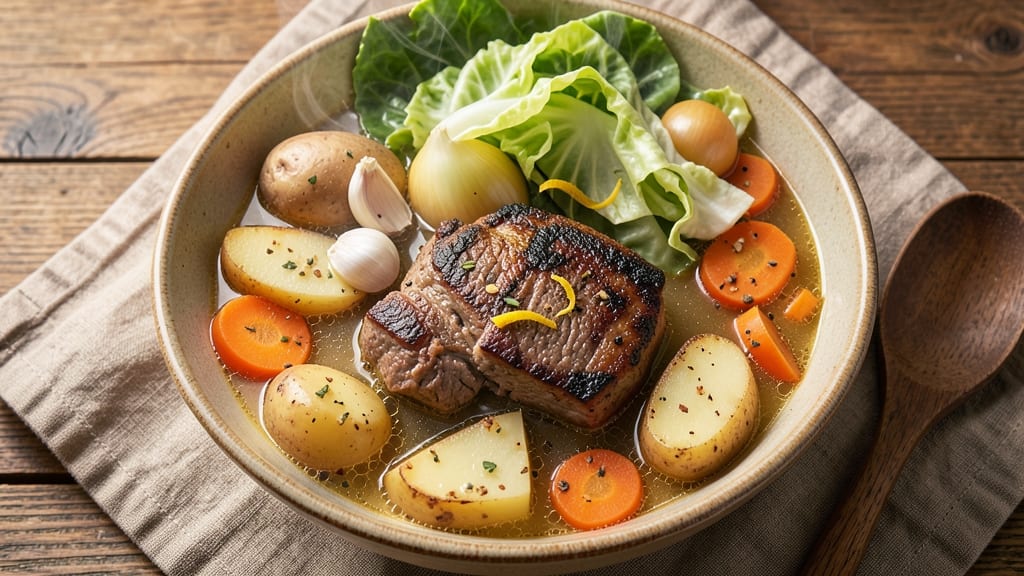
This beef and cabbage soup recipe with potatoes delivers hearty, comforting nourishment in every steaming bowl. The secret lies in slow-simmered beef that melts into tender chunks, while cabbage and potatoes soak up rich, savory broth until perfectly tender.
I developed this version after years of testing—balancing traditional techniques with modern shortcuts for foolproof results that taste like home-cooked tradition.
The beauty of this recipe is its simplicity: just one pot, minimal prep, and 30 minutes of active time before letting flavors deepen during simmering. We start with properly browned beef for maximum depth, then layer in vegetables that cook just enough to soften without disappearing.
The result is a soup that's naturally filling yet light enough for any meal, with a broth so flavorful it deserves a second bowl.
What makes this soup truly special is how the ingredients work together—cabbage's natural sweetness balances the beef's richness, while potatoes add hearty substance. The aroma alone will fill your kitchen with warmth, and each spoonful delivers that perfect combination of tender meat, crisp-tender vegetables, and deeply savory broth.
This is the kind of recipe that becomes a family staple during colder months.
Serve with crusty bread for dipping or a sprinkle of fresh parsley for brightness. The one-pot method means easy cleanup too—just the kind of dinner that feels like a hug after a long day. Let's get cooking!
Ingredients for beef and cabbage soup recipe with potatoes
One-pot simplicity meets hearty tradition with these 14 thoughtfully chosen ingredients.
| Ingredient | Amount | Notes |
|---|---|---|
| Chuck Roast 🥩 | 2 lb | Pre-cut into 1-inch cubes |
| Yellow Onion 🧅 | 1 whole | Chopped into 1/2-inch pieces |
| Carrots | 4 medium | Peeled and sliced into 1/4-inch rounds |
| Russet Potatoes | 3 medium | Peeled and cut into 1-inch cubes |
| Green Cabbage | 1 small | Cut into 1-inch wedges |
| Garlic Cloves 🧄 | 4 cloves | Minced for depth of flavor |
| Tomato Paste 🍅 | 2 tbsp | For rich, concentrated flavor |
| Beef Broth 💧 | 6 cups | Low-sodium preferred |
| Red Wine 🍷 | 1 cup | Dry variety for balance |
| Bay Leaves 🌿 | 2 whole | For aromatic depth |
| Fresh Thyme 🌿 | 1 tbsp | Leaves only, chopped |
| Salt 🧂 | 1 ½ tsp | Kosher or sea salt |
| Black Peppercorns 🌶️ | ½ tsp | Freshly cracked |
| Olive Oil 🫒 | 2 tbsp | For searing beef |
The chuck roast is the foundation—look for well-marbled cuts at Whole Foods or your local butcher for the best texture. Pre-cut cubes save time, but if buying whole, freeze for 30 minutes first to make slicing easier. Carrots and potatoes should be firm with no soft spots, and the cabbage needs vibrant green leaves. For broth, Kitchen Basics or homemade beats the sodium-heavy store brands. The red wine adds depth, so grab a bottle you'd drink—Cabernet Sauvignon works perfectly.
No red wine? Dry white wine or extra beef broth keeps the flavor profile intact. Fresh thyme is ideal, but dried at one-third the amount works in a pinch. The tomato paste can be substituted with 1/4 cup crushed tomatoes if needed. For a quicker version, swap the chuck roast for pre-cooked rotisserie chicken, but you'll lose that melt-in-your-mouth texture. Baby carrots or pre-cut potatoes save chopping time—just adjust the amount slightly since they're smaller.
This soup tastes even better the next day as flavors meld. Store in an airtight container for up to 5 days in the fridge or freeze portions for 3 months. For meal prep, double the recipe and freeze half—just thaw overnight in the fridge before reheating. The broth reduces as it cools, so add a splash of water when reheating if it's too thick. Serve with crusty bread to soak up every last bit of that savory goodness.
Why You'll Love This Recipe
- One-Pot Magic: The chuck roast practically cooks itself—just brown it, toss in chopped veggies, and let the slow simmer do the work. No fancy techniques, no last-minute scrambling.
- Rich & Rustic: That deep, savory broth from the chuck roast? It’s the star. The potatoes soak it up while the cabbage adds just enough bite—like a hug in a bowl.
- Leftovers That Win: This soup only gets better the next day. I freeze half for lazy days, and honestly? The texture’s even more tender after reheating.
- Budget-Friendly Feast: Chuck roast stretches across multiple meals, and cabbage/onions/carrots are dirt cheap. For under $10, you’ve fed four people a meal that feels special.
Step-by-step instructions for hearty beef and cabbage soup
This one-pot method delivers rich, comforting flavors with minimal cleanup—just follow the sequence.
Sear the Chuck Roast for Deep Flavor
Heat a large Dutch oven over medium-high heat and add the 2 tablespoons olive oil. Once shimmering, add the 2 lb chuck roast in a single layer, working in batches if needed. Let each piece sear undisturbed for 3-4 minutes until deeply browned on all sides—this creates the Maillard reaction that builds flavor. You'll see the meat develop a rich, caramelized crust.
Remove the roast and set aside. Add the 1 whole yellow onion and 4 medium carrots to the same pot, cooking for 5 minutes until softened. Stir occasionally to prevent burning. The onions should turn translucent while the carrots begin to caramelize slightly at the edges. This step forms the aromatic base for your soup.
Build the Soup Base with Vegetables and Wine
Return the seared chuck roast to the pot. Add the 3 medium russet potatoes, 1 small green cabbage cut into wedges, 4 cloves garlic, 2 tablespoons tomato paste, 1 cup red wine, 6 cups beef broth, 2 whole bay leaves, 1 tablespoon fresh thyme, 1.5 teaspoons salt, and 0.5 teaspoon black peppercorns. Stir everything together until the tomato paste dissolves completely into the liquid.
The wine will initially bubble vigorously—let it reduce by half before adding the remaining ingredients. This reduction concentrates the flavors and removes any alcohol sharpness. Bring the mixture to a gentle boil, then reduce heat to medium-low to maintain a simmer. The soup should bubble steadily but not violently.
Simmer Until Meat is Tender
Cover the pot and let the soup simmer gently for 2 hours. This long cooking time breaks down the tough chuck roast into fork-tender pieces. Check occasionally to ensure the liquid doesn't reduce too much—add water if needed to maintain a 1-inch depth of liquid above the ingredients.
After 2 hours, use tongs to remove the chuck roast and shred it directly in the pot with two forks. Return the shredded meat to the soup. The meat should pull apart easily with minimal resistance. If any pieces remain tough, return them to the pot and simmer uncovered for an additional 30 minutes. The cabbage should be tender but still hold its shape slightly.
Adjust Seasoning and Serve Warm
Taste the soup and adjust seasoning if needed. The 1.5 teaspoons salt and 0.5 teaspoon black peppercorns should provide a balanced foundation, but you may need to add more salt depending on your broth's sodium content. Remove the 2 bay leaves before serving—they'll be too fibrous and bitter.
Ladle the soup into bowls, ensuring each serving contains both meat and vegetables. The broth should be rich and flavorful, with tender beef that falls apart at the touch. Serve immediately with crusty bread to soak up every last drop of that hearty broth. This one-pot method delivers maximum comfort with minimal effort—perfect for chilly days.
Pro Tips For Making Beef And Cabbage Soup Recipe With Potatoes
- Sear the Chuck Roast First: After browning onions and carrots, pull the pan off heat for 30 seconds—just long enough to add the chuck roast. The residual heat lets it sear without burning, and you’ll get that deep, caramelized crust that turns bland beef into the star of the soup. (Yes, even if you’re impatient like me, resist the urge to rush this.)
- Cut Potatoes Evenly: Russet potatoes vary in size, but aim for 1.5-inch chunks—big enough to stay intact for 45 minutes of simmering, but small enough to soften without turning to mush. I learned this the hard way when I used baby potatoes and ended up with a gluey mess.
- Add Cabbage Late: Toss whole wedges of cabbage in at the 20-minute mark, not when you start the soup. This keeps the leaves crisp and vibrant instead of turning into sad, limp scraps. (Your future self will thank you.)
- Deglaze with Beer or Broth: After searing the beef, don’t just splash in water—use ½ cup of dark beer (like stout) or beef broth instead. The maltiness cuts through the richness of the chuck, and you’ll get a deeper flavor without extra salt. (Sounds weird, but it works.)
Troubleshooting your beef and cabbage soup recipe with potatoes
Broth Too Thin?
If your soup ends up watery after simmering, resist the urge to add more broth—it’ll dilute flavors. Instead, let the soup reduce uncovered on medium-low heat for 15-20 minutes, stirring occasionally. For a quicker fix, mash ½ cup cooked potatoes directly into the pot—their starch thickens the broth naturally.
If you’re short on time, stir in 1 tablespoon cornstarch mixed with 2 tablespoons cold water and simmer for 5 minutes until thickened. 💧
Meat Still Tough?
Undertender beef is usually a timing issue. For future batches, increase simmering to 2.5-3 hours or use a slow cooker on low for 8 hours. If your meat is already overcooked but still tough, try this trick: Remove the beef, shred it, and return it to the pot.
Add ¼ cup beef broth and simmer uncovered for 10 minutes—the high heat helps break down remaining fibers. For next time, cut your chuck roast into smaller ½-inch cubes to ensure even cooking.
Vegetables Overcooked?
Cabbage and potatoes can turn mushy if left too long. To prevent this, add them to the pot only 30-45 minutes before the end of cooking. For extra insurance, use a vegetable peeler to slice potatoes into ¼-inch thick rounds instead of cubes—they’ll cook faster and maintain better texture.
If your cabbage is already too soft, balance it by adding ½ cup shredded carrots or green beans during the last 15 minutes of cooking. These hold their shape better and add freshness.
Broth Too Salty?
If your soup tastes overly salty, don’t panic—there are simple fixes. For immediate correction, add ½ cup cold water or beef broth and stir well. If using low-sodium broth, you can also add 1-2 raw potatoes (peeled and cubed) and simmer for 15 minutes—potatoes absorb excess salt.
For future batches, taste your broth before adding all the salt. Start with just 1 teaspoon and adjust gradually, remembering that the beef and vegetables contribute to the overall flavor profile. 🧂
Lacking Depth of Flavor?
Flat-tasting soup often means insufficient browning or seasoning. Next time, sear the beef in 2 tablespoons butter instead of oil for richer flavor, then deglaze the pot with ½ cup red wine before adding broth.
For an instant boost, stir in 1 teaspoon Worcestershire sauce or ½ teaspoon smoked paprika during the last 10 minutes of cooking. If your soup tastes bland now, try adding 1-2 drops of fish sauce (trust me, it works) or a pinch of MSG for umami depth.
Fresh herbs like parsley or dill added at the end also brighten the dish.
Potatoes Falling Apart?
Potatoes disintegrate when overcooked or cut too small. For firmer texture, use waxy potatoes like Yukon Gold instead of russets, and cut them into 1-inch chunks.
If your potatoes are already too soft, balance them by adding ½ cup celery or fennel—these hold their shape better and add a pleasant crunch. For next time, add potatoes to the pot only 45 minutes before the end of cooking.
If you’re reheating leftovers, add a splash of water and simmer gently to prevent further breakdown.
Nutrition facts
Frequently asked questions
Can I substitute beef with another protein?
For a lighter version, use chicken thighs (simmer for 45 minutes) or pork shoulder (follow the same timing as beef). For vegetarian, swap the beef with mushrooms or lentils, but add 1 teaspoon soy sauce for umami depth. Just remember—chicken and pork cook faster than beef, so adjust your simmering time accordingly.
How do I prevent the cabbage from turning mushy?
Add cabbage only 30-45 minutes before the end of cooking to maintain its texture. For extra insurance, use a vegetable peeler to slice potatoes into ¼-inch thick rounds instead of cubes—they’ll cook faster. If your cabbage is already too soft, balance it by adding ½ cup green beans or shredded carrots during the last 15 minutes of cooking. These hold their shape better and add freshness.
Can I make this soup in a slow cooker?
Yes! Brown the beef and vegetables in a skillet first, then transfer everything to a 6-quart slow cooker. Add all remaining ingredients and cook on low for 8 hours or high for 5 hours. The slow cooker’s gentle heat ensures tender meat and perfectly cooked vegetables without monitoring. Just remove the bay leaves before serving.
What can I serve with this soup?
This hearty soup pairs perfectly with crusty bread or sourdough for dipping. For a complete meal, add a simple green salad with a tangy vinaigrette or a side of buttered noodles. If you're serving it as a main dish, consider adding a squeeze of lemon or a sprinkle of fresh parsley for brightness.
How long can I store leftovers?
Store leftovers in an airtight container in the fridge for up to 5 days or freeze for 3 months. When reheating, add a splash of water or broth to prevent thickening. For best results, reheat on low heat or in the microwave until steaming hot. The flavors actually improve after the first day as they meld together.