
Soups & Stews
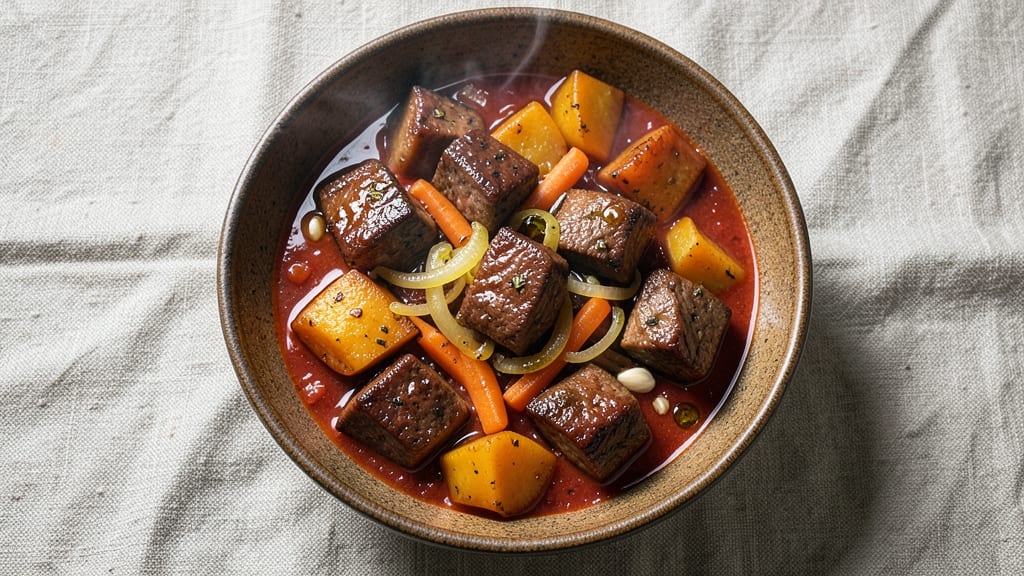
A beef and butternut squash stew recipe transforms humble ingredients into a deeply satisfying meal that balances rich beef with naturally sweet, caramelized squash. The secret lies in proper beef browning—deep, flavorful crusts that form the stew's foundation—and slow simmering that melds spices into every bite. I developed this recipe during chilly evenings when hearty, comforting dishes become essential, and it never fails to deliver restaurant-quality results at home.
The beauty of this stew is its versatility—it works equally well as a stand-alone dinner or paired with crusty bread for soaking up the savory broth.
Butternut squash adds natural sweetness that contrasts beautifully with the beef's depth, while aromatic herbs and spices create layers of flavor that develop as it simmers. The key technique is patience: letting the beef cook low and slow until tender while the squash caramelizes into tender, golden pieces.
What you'll end up with is a rich, velvety stew where each spoonful delivers perfectly tender beef, creamy squash, and a broth infused with warm spices. The aroma alone transforms any kitchen into a cozy dining experience, and the texture—tender yet substantial—makes it ideal for cold weather gatherings.
This isn't just another stew; it's a meal that feels like a warm embrace in bowl form.
Serve with a sprinkle of fresh parsley and a side of crusty bread for the complete experience. The recipe scales easily for crowds, and leftovers reheat beautifully, making it perfect for meal prep. Let's create this comforting classic that brings warmth to every table.
Ingredients for beef and butternut squash stew
The foundation of this rich stew begins with quality beef and caramelized squash, balanced by aromatic herbs and deep, savory broth.
| Ingredient | Amount | Notes |
|---|---|---|
| Chuck Roast Beef 🥩 | 1 ½ lb | Cut into 1.5-inch cubes, trimmed of fat |
| Butternut Squash 🎃 | 3 cups | Cubed, peeled, and packed |
| Yellow Onion 🧅 | 1 whole | Diced, medium size |
| Garlic Cloves 🧄 | 4 cloves | Minced, fresh preferred |
| Carrots 🥕 | 2 medium | Peeled and sliced into rounds |
| Tomato Paste 🍅 | 2 tbsp | Smooth, unsweetened |
| Red Wine 🍷 | 1 cup | Dry, bold variety |
| Beef Broth 💧 | 4 cups | Low-sodium preferred |
| Fresh Thyme 🌿 | 2 tbsp | Leaves only, chopped |
| Fresh Rosemary 🌿 | 1 tbsp | Needles only, chopped |
| Ground Black Pepper 🌶️ | 1 tsp | Freshly cracked |
| Kosher Salt 🧂 | 1 ½ tsp | Diamond Crystal preferred |
| Olive Oil 🫒 | 2 tbsp | Extra-virgin, for searing |
| Fresh Parsley 🌿 | ¼ cup | Chopped, for garnish |
The chuck roast is non-negotiable for this recipe—its marbling ensures tender, flavorful meat that holds up to slow cooking. Look for cuts with visible fat marbling at Whole Foods Market or your local butcher shop, where they can often trim it to your preference. Costco also carries excellent pre-cut chuck roast at a better price per pound. For the squash, freshly harvested butternut (not pre-cut) yields the best texture and sweetness. If using pre-cut squash, ensure it's vacuum-sealed or stored in the crisper drawer for no longer than one week. The carrots should be firm with bright orange color—avoid those with soft spots or green shoulders, as they indicate age.
No red wine? Substitute with beef broth and a splash of balsamic vinegar—it adds depth without altering the flavor profile significantly. Fresh thyme and rosemary can be swapped for one-third the amount of dried, but the flavor will be more muted. For tomato paste, Trader Joe's mini tubes are ideal—they're convenient and won't go to waste. If you're using dried herbs, toast them lightly in a dry pan for 30 seconds before adding to the stew to intensify their flavor. The beef broth should be low-sodium; if yours isn't, reduce the added salt accordingly. For a vegetarian adaptation, replace the beef with extra-firm tofu or lentils and use vegetable broth instead.
This stew tastes even better the next day as the flavors meld further. Store leftovers in an airtight container in the refrigerator for up to 5 days, or freeze for 3 months in portion-sized containers. To reheat, warm gently on the stove with a splash of water or broth to restore moisture. The fresh parsley should be stored in a damp paper towel in a sealed container to maintain its vibrant color and freshness for up to one week. For meal prep, double the recipe and freeze half—it reheats beautifully and is perfect for busy weeknights. The beef will continue to tenderize slightly with each reheating, making it even more fork-tender.
Why You'll Love This Recipe
- One-Pot Magic: I swear by this—just dump everything into one pot, and let it simmer. The chuck roast softens into shreds while the squash caramelizes right there, no extra dishes to wash.
- Deep Umami Bomb: That slow-cooked beef? It’s rich—like a hug in a bowl. The butternut squash adds natural sweetness, and the garlic-clove punch ties it all together with zero effort.
- Lunchbox Hero: Between us, this stew tastes even better the next day. Pack it in jars for work lunches, and you’ll get compliments (and second helpings) all week.
- Budget Feast: A whole chuck roast and squash for under $15? Yes, please. It stretches to feed four, and the carrots and onions bulk it up without breaking the bank.
Step-by-step instructions for beef and butternut squash stew
This method delivers rich, deeply flavorful stew with perfectly caramelized squash and tender beef.
Sear the Chuck Roast Beef for Deep Flavor
Heat a large Dutch oven over medium-high heat until it's smoking hot. Add the 2 tablespoons olive oil and swirl to coat the bottom evenly. Working in batches if needed, add the 1.5 lb chuck roast beef cut into 1.5-inch cubes and sear undisturbed for 3-4 minutes per side until deeply browned.
This searing step is critical—it develops the Maillard reaction that creates complex flavors. You'll see the beef release from the pan easily when properly browned. Transfer the seared beef to a plate and set aside. If the oil starts smoking excessively before all beef is seared, reduce heat slightly to medium to prevent burning.
Build the Aromatic Base with Onions and Carrots
In the same Dutch oven, reduce heat to medium and add the 1 whole yellow onion and 2 medium carrots sliced into rounds. Cook for 5-6 minutes, stirring occasionally, until the onions soften and begin to caramelize at the edges. The onions should smell sweet and the carrots should release their natural sugars.
Add the 4 cloves minced garlic and cook for an additional 30 seconds until fragrant. This step forms the flavor foundation of your stew. If you notice the garlic starts to brown too quickly, remove the pan from heat for 10 seconds to prevent bitterness—garlic burns in seconds.
Develop the Sauce with Wine and Tomato Paste
Pour in the 1 cup red wine and scrape up all the browned bits from the bottom of the pan using a wooden spoon. This deglazing step captures all the concentrated flavors you've built. Let the wine simmer for 3-4 minutes until reduced by half and slightly thickened.
Stir in the 2 tablespoons tomato paste and cook for another 1 minute to cook off the raw taste. This creates a rich, velvety base that will carry all the other flavors. The mixture should coat the back of a spoon and have a deep, caramelized color.
Simmer the Stew Until Tender
Return the seared beef to the Dutch oven. Add the 3 cups cubed butternut squash, 4 cups beef broth, 2 tablespoons chopped fresh thyme, 1 tablespoon chopped fresh rosemary, 1.5 teaspoons kosher salt, and 1 teaspoon ground black pepper. Bring to a gentle boil, then reduce heat to low and cover partially.
Simmer for 1 hour 30 minutes until the beef is fork-tender and the squash is easily pierced with a fork. The stew should have thickened slightly and the flavors should meld beautifully. Check occasionally and add ½ cup water if the stew becomes too thick. The butternut squash should be tender with caramelized edges.
Finish and Serve with Fresh Herbs
Remove the stew from heat and let it rest for 10 minutes to allow the flavors to fully develop. Skim off any excess fat that has risen to the surface. Taste and adjust seasoning if needed—you may need to add a pinch more salt or a crack of black pepper.
Ladle the stew into bowls and garnish with ¼ cup chopped fresh parsley. The finished stew should have tender beef that falls apart easily, sweet caramelized squash, and a rich, aromatic broth. Serve immediately with crusty bread to soak up every last bit of flavor.
Pro Tips For Making Beef And Butternut Squash Stew
- SEAR THE BEEF FIRST: Chuck roast needs that crust to lock in flavor, so don’t skip browning it before adding liquid. I used to toss it straight into the pot, and the stew always tasted bland—now I brown it in batches with a splash of broth to keep it from sticking.
- CUT SQUASH SMALL: Big chunks stay tough and undercooked. Dice the butternut squash into 1-inch cubes so it softens evenly in the stew. (Yes, even if it looks less impressive—your fork will thank you later.)
- SWEAT ONIONS LOW: High heat burns onions fast, turning them bitter. Cook them on medium-low until translucent (about 8 minutes) before adding garlic—this builds the base without sacrificing flavor.
- SALT THE POT WATER: The beef releases collagen into the broth, so add 1 teaspoon salt to the pot water before boiling. It seasons the meat from the start, cutting down on aftertaste. (I learned this when my stew tasted like plain beef broth.)
Essential equipment for this recipe
Dutch Oven Essentials
A heavy-duty Dutch oven is the secret weapon for this stew—it distributes heat evenly and retains moisture perfectly. I swear by the Lodge 5.5-quart cast iron Dutch oven for its durability and heat retention, but All-Clad Stainless Steel is another excellent choice if you prefer lighter weight.
The deep sides prevent spills while simmering, and the tight lid traps steam for tender beef and squash. 🔥
Precision Thermometer
Invest in a meat thermometer to monitor internal temperatures accurately. The ThermoWorks Smoke or Thermoworks Thermapen are my go-tos—they read quickly and have backlit displays for easy viewing. For this stew, check beef at 195°F (it'll continue cooking slightly after removal) and squash at 185°F for perfect tenderness.
A thermometer eliminates guesswork and ensures consistent results every time.
Wooden Spoon Set
A heat-resistant wooden spoon (preferably maple or hickory) is crucial for stirring and scraping up flavorful browned bits from the Dutch oven. Avoid metal utensils when deglazing with wine—they can react with acidic ingredients.
I recommend a set of 3-4 spoons in varying sizes for easy reach and maneuverability. Keep one exclusively for stews to prevent cross-contamination with other dishes.
Kitchen Scale
For precise measurements, especially with spices and broth, a digital kitchen scale ensures accuracy. The OXO Good Grips model is my favorite—it's affordable, easy to read, and has a tare function.
Weighing ingredients like salt and pepper prevents over-seasoning, while measuring broth by weight (rather than volume) gives more consistent results. This is particularly important when scaling the recipe up or down for different serving sizes.
Sharp Chef's Knife
A high-quality 8-inch chef's knife is essential for prepping ingredients efficiently. The Wüsthof Classic or Shun Premier are excellent choices that maintain sharpness longer than budget knives. For this stew, you'll need to dice onions, mince garlic, and cube beef—all tasks that require precise, clean cuts.
A sharp knife ensures safety and makes prep work faster. I recommend honing your knife before each use to maintain optimal performance.
Fine-Mesh Strainer
For skimming excess fat from the finished stew, a fine-mesh strainer with a long handle is ideal. The OXO Good Grips model works perfectly for this purpose. Skimming fat not only improves the stew's texture but also reduces saturated fat content, making it a healthier option.
I perform this step after resting the stew, when the fat naturally rises to the surface. A strainer makes this process quick and mess-free. 💫
Nutrition facts
Frequently asked questions
Can I substitute ground beef for chuck roast in this stew?
While you can use ground beef, the texture and flavor will differ significantly. Ground beef cooks much faster and won't develop the same rich, tender qualities as properly braised chuck roast. If you must substitute, use 80/20 ground beef (80% lean, 20% fat) and cook it separately until browned before adding to the stew. The fat content is crucial for flavor development.
How do I prevent the butternut squash from turning mushy?
To maintain perfect squash texture, add it to the stew only 30-45 minutes before the beef is fully cooked. The squash should be tender but still hold its shape. If using pre-cut squash, choose vacuum-sealed packages to ensure freshness. For extra insurance, parboil the squash cubes for 5 minutes before adding to the stew.
What's the best way to reheat leftovers without drying them out?
Reheat stew gently on the stove over low heat for 10-15 minutes, stirring occasionally and adding 2-3 tablespoons of water or broth to restore moisture. Never microwave directly from the fridge—this causes uneven heating and can make the stew rubbery. For best results, let the stew come to room temperature for 10 minutes before reheating.
Can I make this stew in an Instant Pot or slow cooker?
Yes! For the Instant Pot, brown the beef first, then use the "Sauté" function for onions and garlic. Add all ingredients and cook on High Pressure for 40 minutes, then natural release for 10 minutes. For a slow cooker, follow the same browning steps, then combine everything and cook on Low for 6-7 hours or High for 3-4 hours. The squash may break down more in these methods, so add it later in the cooking process.
What wine pairs best with this beef and squash stew?
A full-bodied red wine like Cabernet Sauvignon or Malbec complements the rich beef flavors beautifully. For white wine lovers, try a Chardonnay with oak aging—its buttery notes balance the stew's depth. If you prefer non-alcoholic options, sparkling apple cider or ginger beer work wonderfully with the hearty flavors.