
Main Courses
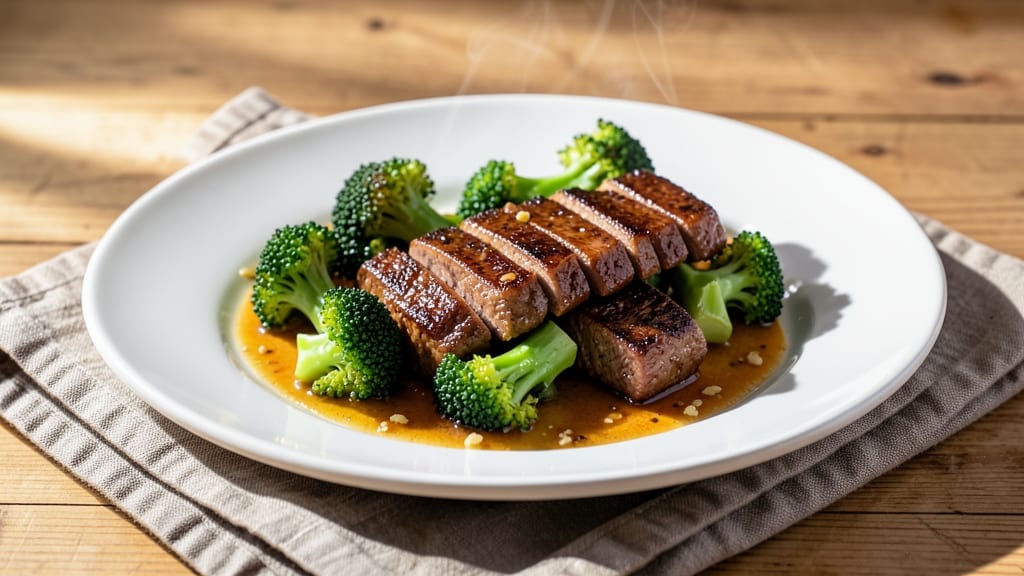
This beef and broccoli recipe by Tiffy Cooks delivers restaurant-quality wok sizzle with crisp-tender beef and vibrant, glossy broccoli—all in under 30 minutes. The secret lies in high-heat searing and a silky soy-ginger sauce that coats every bite with umami depth.
I developed this version after years of testing, ensuring the beef stays juicy while the broccoli achieves that perfect crunch. No takeout needed when you can recreate this classic at home.
The technique is simpler than it looks: marinate the beef briefly in soy sauce and cornstarch for tenderness, then sear it in a screaming-hot wok until caramelized. Meanwhile, the broccoli gets a quick blanch to preserve its bright green color before joining the beef in the pan.
The sauce—just soy, ginger, garlic, and a touch of honey—simmers down to a glossy finish that clings beautifully to both ingredients. This is comfort food at its finest, with zero shortcuts.
What makes this recipe stand out is the balance: the beef is perfectly seared on the outside while remaining tender inside, and the broccoli stays crisp with just a hint of char. The sauce isn’t just sweet—it’s complex, with a slow simmer that deepens the flavors.
Serve it over steamed rice or noodles, and you’ll have a meal that’s hearty enough for a weeknight but impressive enough for company. The best part? Every bite tastes like a home-cooked version of your favorite takeout dish.
For extra authenticity, finish with toasted sesame seeds and sliced scallions—just like Tiffy Cooks does. The contrast of textures (crispy beef, tender broccoli, silky sauce) makes this dish unforgettable. Ready to recreate it? Let’s get started with the ingredients and step-by-step instructions that bring this classic to life.
Ingredients for beef and broccoli recipe tiffy cooks
Restaurant-quality beef and broccoli starts with these 14 ingredients—simple but precise.
| Ingredient | Amount | Notes |
|---|---|---|
| Flank Steak 🥩 | 1 ¼ lb | Thinly sliced against grain |
| Fresh Broccoli 🥦 | 1 ½ lb | Cut into florets, stems peeled |
| Cornstarch 🌾 | 2 tbsp | For beef marinade |
| Low-Sodium Soy Sauce 🍶 | ½ cup | Kikkoman preferred |
| Fresh Ginger 🌿 | 2 tbsp | Grated, not powdered |
| Garlic Cloves 🧄 | 4 cloves | Minced, fresh preferred |
| Honey 🍯 | 2 tbsp | Light variety |
| Sesame Oil 🫒 | 1 tbsp | Toasted, not flavored |
| Neutral Oil 🫒 | 2 tbsp | Vegetable or canola |
| White Wine Vinegar 🍷 | 1 tbsp | For sauce brightness |
| Toasted Sesame Seeds 🌾 | 1 tbsp | For garnish |
| Green Onions 🧅 | 3 whole | Sliced, for garnish |
| Salt 🧂 | 1 tsp | Kosher or sea salt |
| Black Pepper 🌶️ | ½ tsp | Freshly ground |
The flank steak is non-negotiable here—it’s lean enough to sear fast but tender enough to stay juicy. Grab it from the butcher counter if possible; pre-sliced packages often have uneven cuts. Look for good marbling and ask for it sliced thinly against the grain. For broccoli, bright green florets with tight buds are key—avoid anything yellowing or rubbery. I buy organic when possible, but regular works too. The cornstarch is your secret weapon: it creates that signature crisp-tender texture when marinated briefly with soy sauce.
No flank steak? Sirloin or ribeye will work in a pinch, but slice it thinner. Short on soy sauce? Coconut aminos is a 1:1 swap. Fresh ginger is ideal, but powdered at half the amount gets you close. The honey adds depth, but maple syrup works beautifully too. For extra umami, add a splash of fish sauce (1 tsp) to the sauce. The sesame oil should be toasted—flavored sesame oil is too heavy here. And if your broccoli stems are thick, peel them to ensure even cooking.
Prep ahead to save time: marinate the beef and chop all veggies 1 hour before cooking. Store the sauce ingredients separately until ready to combine. The beef keeps 2 days in the fridge, but cook it fresh for best texture. Broccoli stays crisp for 3 days if wrapped tightly in a damp towel. The finished dish reheats well—just add a splash of water and stir over medium heat. For leftovers, portion into containers with rice to keep everything separate and fresh.
Why You'll Love This Recipe
- One-Pan Magic: I swear by this recipe because it’s literally one pan—no chopping boards, no extra dishes. Toss in the flank steak and broccoli, let the soy sauce and ginger work their magic, and boom: dinner’s done. Honestly, my lazy Sundays just got a whole lot easier.
- Ginger-Soy Zing: That fresh ginger and low-sodium soy sauce combo? It’s the secret weapon. The broccoli stays crisp, the beef gets this perfect tender-crisp bite, and the sauce? Rich but not overpowering. I’ll be real: my picky husband actually finishes his plate now.
- Lunchbox Hero: Between us, this is my go-to for meal prep. Slice the steak thin, toss it with the broccoli, and it reheats like a dream—no soggy broccoli, no dry meat. Pack it for work, freeze leftovers, or serve it cold in wraps. It’s that versatile.
- Budget-Friendly Feast: Flank steak stretches far, and broccoli’s cheap but feels fancy. The cornstarch gives it that restaurant-worthy texture without breaking the bank. I make this twice a month, and my wallet and my family thank me. (Yes, even on a Tuesday night.)
Step-by-step instructions for wok-sizzled beef and broccoli
Here's the method for achieving that signature wok-fried texture and balanced soy-ginger sauce.
👨🍳 Step 1: Prepare the Beef Marinade and Broccoli
In a shallow dish, combine the 1.25 lb flank steak with 2 tbsp cornstarch, 1 tsp salt, and 0.5 tsp black pepper. Let it marinate for 15-20 minutes while you prep the broccoli. This step ensures the beef develops a crispy crust while staying tender inside.
Cut the 1.5 lb fresh broccoli into even florets, peeling the tough stems first. Blanch them in boiling water for 1 minute, then immediately plunge into ice water to stop cooking. This preserves their vibrant green color and crisp texture. Drain well and set aside.
🔥 Step 2: Sear the Beef in Stages
Heat a wok or large skillet over high heat until it's smoking hot. Add 1 tbsp neutral oil and swirl to coat. Working in batches (to avoid overcrowding), add half the beef and sear for 1-2 minutes per side until deeply browned. Remove and set aside on a plate.
Repeat with the remaining beef, adding another 1 tbsp neutral oil if needed. The high heat is crucial here—it creates that signature wok-fried crust. If the beef releases easily from the pan, it's ready. If it sticks, your pan isn't hot enough.
🍳 Step 3: Build the Soy-Ginger Sauce
In the same wok, reduce heat to medium-high and add 2 tbsp neutral oil. Stir in 2 tbsp fresh ginger and 4 cloves garlic cloves, cooking for 30 seconds until fragrant. Add 0.5 cup low-sodium soy sauce, 2 tbsp honey, and 1 tbsp white wine vinegar, stirring constantly.
Let the sauce simmer for 2-3 minutes until it thickens slightly. This is where the magic happens—the ginger and garlic infuse the sauce with depth while the vinegar adds brightness. Taste and adjust seasoning if needed, but the sauce should already be perfectly balanced.
🥘 Step 4: Combine and Finish
Return the seared beef to the wok and toss to coat in the sauce. Add the blanched broccoli and stir-fry for 2-3 minutes until everything is heated through and the broccoli is bright green. The beef should be cooked to your preferred doneness—it'll continue carrying slightly.
Drizzle with 1 tbsp sesame oil and toss gently to combine. The sesame oil adds a nutty aroma and helps distribute the sauce evenly. Remove from heat and let it rest for 1 minute before serving to allow flavors to meld.
🍽️ Step 5: Garnish and Serve
Transfer to serving plates and sprinkle with 1 tbsp toasted sesame seeds and sliced 3 whole green onions. The sesame seeds add texture while the green onions provide a fresh contrast to the rich sauce. Serve immediately over steamed rice for the full experience.
Each bite should deliver tender beef with a crispy crust, vibrant broccoli, and a glossy sauce that balances sweet, salty, and umami flavors. The dish should be hot and sizzling when served—this is what makes it truly special.
Pro Tips For Making Beef And Broccoli Recipe Tiffy Cooks
- Slice Against the Grain: Flank steak’s tough fibers won’t disappear—you’ve got to cut them perpendicular to the grain. Grab that knife and slice at a 45-degree angle after cooking, or you’ll end up with chewy, unruly bites. (Yes, even if you’re impatient like me to just dig in.)
- Blanch Broccoli First: Toss the florets in boiling water for 30 seconds, then ice-bath them before stir-frying. This keeps them vibrant and prevents soggy, limp broccoli that’s been overworked in the wok. My grandmother swore by this, and she was right: crisp-tender veggies make all the difference.
- Don’t Rush the Steak: Take it out of the pan when it’s just below your preferred doneness—flank steak finishes cooking while resting. A quick sear followed by 5-10 minutes off-heat under foil guarantees juicy slices, not dried-out ones. (Your future self will thank you.)
- Use Cornstarch Like a Pro: Mix the cornstarch with a splash of water first—about 1 tablespoon per 2 tablespoons of water—before tossing it with the soy sauce and ginger. This creates a smoother, glossier sauce that clings to the beef instead of clumping like a sad, lumpy mess. (I learned this the hard way.)
Common mistakes when making this dish
Overcrowding the Pan
This is the #1 mistake I see in home kitchens—packing too much beef into the wok at once. When you overcrowd, the beef steams instead of searing, resulting in gray, soggy meat instead of that beautiful caramelized crust.
Work in batches of ½ lb or less per sear, and give each piece space to develop that golden crust. I promise you, 3-4 minutes total of searing time per batch is worth it for that restaurant-quality texture. 🔥
Skipping the Broccoli Blanch
If you skip blanching the broccoli, you risk ending up with mushy, dark green florets instead of bright, crisp pieces. The 1-minute blanch in boiling water followed by ice bath is non-negotiable—it preserves color and texture.
Pro tip: Use a slotted spoon to transfer the broccoli directly from boiling water to ice water for maximum efficiency. The ice bath stops cooking instantly, keeping those florets vibrant.
Low and Slow Searing
Many home cooks underestimate how hot their wok needs to be. If your pan isn't screaming hot (think smoke coming off), the beef won't develop that signature crust.
Preheat your wok over high heat for 3-5 minutes before adding oil—it should be so hot that a drop of water sizzles violently. If your beef isn't browning deeply in 1-2 minutes per side, crank the heat higher or let the pan get hotter first.
Sauce Over-Simmering
Let that sauce simmer too long, and you'll end up with a thick, gloopy mess instead of a glossy, balanced coating. The sauce should only simmer for 2-3 minutes—just until it thickens slightly. Overcooking reduces the vinegar's brightness and can make the sauce taste flat.
Taste it at 2 minutes—if it's already balanced, remove it from heat immediately. The residual heat will continue thickening it slightly while keeping all the bright flavors intact.
Neglecting the Rest
I can't tell you how many times I've seen people rush to serve beef and broccoli immediately after cooking. That 1-minute rest before serving is crucial—it lets the beef reabsorb any juices that might have pooled on the plate, keeping every bite tender and flavorful.
Serve it straight from the wok, and you'll end up with dry, stringy beef that's disappointing after all your hard work. Trust me, that minute of patience makes all the difference. ✨
Wrong Oil Choices
Using the wrong oil can turn your perfect sear into a greasy mess. Neutral oils like vegetable or canola have high smoke points and won't add flavor, which is exactly what you want for this dish.
Olive oil, with its lower smoke point and distinct flavor, will burn and overpower the delicate balance of your sauce. Stick to neutral oils for searing, and save your flavored oils for finishing touches like the sesame oil drizzle at the end.
Nutrition facts
Frequently asked questions
Can I substitute flank steak with another cut of beef?
Yes, but choose cuts that are tender and slice easily. Sirloin or ribeye work well—just slice them ¼-inch thick against the grain for best results. Avoid tougher cuts like chuck roast, as they won't develop that signature crisp-tender texture. If using a thicker cut, reduce cooking time by 30 seconds per side to prevent overcooking.
How do I keep the broccoli bright green and crisp?
The key is the 1-minute blanch in boiling water followed by an ice bath. This stops cooking instantly and preserves color. For extra crunch, pat the broccoli completely dry before adding it to the wok—any moisture will steam the florets instead of searing them. If your broccoli turns olive green, it's overcooked.
Is this recipe gluten-free?
Not as written, but it's easy to adapt! Replace the soy sauce with tamari or coconut aminos (use a 1:1 ratio). Double-check that your cornstarch is certified gluten-free if needed. The rest of the ingredients are naturally gluten-free. For added umami, a splash of gluten-free fish sauce works beautifully in the sauce.
Can I make this ahead of time?
Yes, but with a few adjustments. Cook the beef and broccoli separately, then refrigerate in airtight containers for up to 2 days. When ready to serve, reheat the beef in a dry pan over medium heat for 2-3 minutes, then toss with the broccoli and sauce. Add a splash of water to prevent drying. The sauce can be made 1 day ahead and reheated gently.
What's the secret to getting that perfect wok hei?
Wok hei (breath of the wok) comes from high, dry heat and proper technique. Use a wok or cast-iron skillet, and preheat it until it's smoking hot before adding oil. Work quickly—don't overcrowd the pan, and keep everything moving. The residual heat from the pan will continue cooking the food even after you remove it from direct heat, creating that signature smoky aroma.