
Side Dishes
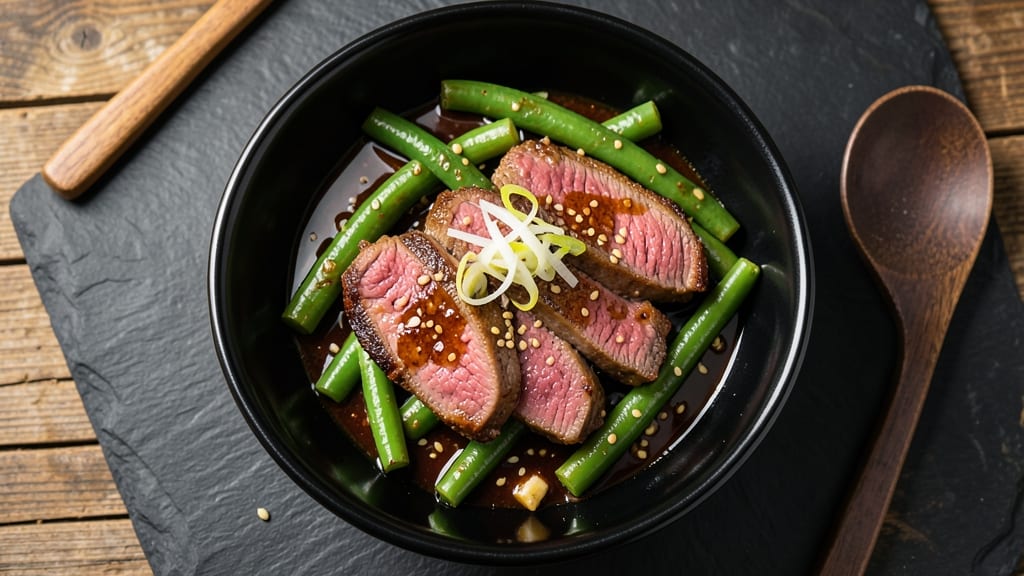
This Asian beef and green beans recipe delivers restaurant-quality flavor with minimal effort—crisp-tender beef bites and vibrant green beans stir-fried to perfection in a savory-sweet sauce. The secret lies in quick marinating and high-heat searing, which transforms tough cuts into melt-in-your-mouth pieces while keeping the green beans crisp.
I’ve perfected this one-pan method over years of testing, ensuring every bite balances umami, garlic, and a touch of ginger heat.
The beauty of this dish is its versatility—whether you’re serving it as a main course or a side, the flavors shine. A simple marinade of soy sauce, garlic, and ginger tenderizes the beef while building depth, and the stir-fry technique locks in juiciness without drying out the meat.
The green beans stay vibrant and slightly crisp, cutting through the richness of the beef with their fresh bite. It’s the kind of dish that tastes even better the second time around.
What you’ll end up with is a fragrant, one-pan stir-fry that’s packed with bold Asian-inspired flavors—caramelized edges on the beef, glossy green beans, and a sauce that clings perfectly to every bite. The aroma alone will have everyone at the table asking for seconds.
This recipe is designed to be foolproof, with clear steps and timings that ensure success every time. Ready to transform a simple weeknight dinner into something extraordinary?
Serve it over steamed rice for a complete meal, or pair it with noodles for a heartier dish. The leftovers reheat beautifully, making it ideal for meal prep. Let’s get started on creating this flavorful, satisfying stir-fry that’s as quick as it is impressive.
Ingredients for asian beef and green beans
Crisp-tender beef bites and vibrant green beans transform into a restaurant-quality stir-fry with these 14 essential ingredients.
| Ingredient | Amount | Notes |
|---|---|---|
| Flank Steak 🥩 | 1 ½ lb | Thinly sliced against grain |
| Green Beans 🥦 | 1 ½ lb | Trimmed, cut into 2-inch pieces |
| Soy Sauce 🍶 | ⅓ cup | Low sodium preferred |
| Sesame Oil 🫒 | 1 tbsp | Toasted for aroma |
| Garlic Cloves 🧄 | 6 cloves | Minced for marinade |
| Fresh Ginger 🌿 | 2 tbsp | Grated, peeled |
| Brown Sugar 🍯 | 2 tbsp | Packed tightly |
| Vegetable Oil 🫒 | 2 tbsp | High smoke point |
| Honey 🍯 | 1 tbsp | Light variety |
| Red Pepper Flakes 🌶️ | ½ tsp | Adjust for heat |
| Sesame Seeds 🌾 | 1 tbsp | Toasted for garnish |
| Salt 🧂 | 1 tsp | Kosher or sea salt |
| Black Pepper 🌶️ | ½ tsp | Freshly ground |
| Green Onions 🧅 | 3 whole | Sliced thin for garnish |
The flank steak is non-negotiable for this dish—it’s lean but tender when sliced thinly against the grain. Ask your butcher to slice it if you can’t do it yourself, or freeze it for 30 minutes to make it easier to cut. Costco or Whole Foods carry high-quality flank steak, and look for good marbling to ensure juiciness. Green beans should be bright green and crisp; Trader Joe’s or local farmers markets are great sources. Avoid beans that are yellowing or limp, as they won’t hold their texture during cooking.
No sesame oil? Toasted peanut oil works in a pinch, though it’ll have a different flavor profile. Substitute maple syrup for honey if you’re avoiding it, but reduce the amount slightly since it’s sweeter. For the ginger, if you can’t find fresh, ground ginger at half the amount will do, but fresh is ideal for that bright, zesty kick. The soy sauce can be swapped for coconut aminos if you’re avoiding sodium, though the flavor will be subtly different. Red pepper flakes can be omitted entirely if you prefer no heat, but the dish loses some depth without them.
Prep the marinade ahead of time and store it in the fridge for up to 3 days—the flavors meld beautifully. The sliced steak can marinate for up to 4 hours but don’t exceed that, or it’ll turn mushy. Green beans keep for 5-7 days in the fridge, but use them within a few days for the best texture. This dish reheats beautifully—just warm it in a skillet with a splash of water to keep the green beans crisp. Portion leftovers into airtight containers for easy meal prep, and they’ll stay fresh for 3-4 days in the fridge.
Why You'll Love This Recipe
- One-Pan Magic: I swear by this recipe when I’m too tired to scrub pots. Sear the steak, toss in the green beans and sauce, cover, and walk away—20 minutes later, dinner’s ready. The sesame oil’s nutty aroma fills the kitchen while you’re still chopping garlic.
- Umami Bomb: That first bite? The soy sauce and garlic turn the flank steak into something ridiculously tender, with a glossy sheen and a crispy edge you won’t find in a sad takeout box. The green beans stay crisp—no mushy aftermath, just perfect snap.
- Lunchbox Hero: Between us, this is my go-to for meal prep. Slice the steak thin, mix with green beans, and pack it in containers—it stays fresh for days. Honestly, my kids beg for it (yes, even on a Tuesday), and it’s half the cost of grocery-store stir-fry kits.
- Budget Win: Flank steak stretches farther than you’d think, and green beans are cheap when you buy them frozen. A single pound of beef feeds four, and the leftovers? Even better cold in rice bowls the next day. No waste, all flavor—my wallet thanks me.
Step-by-step instructions for Asian beef and green beans stir-fry
Here's how to achieve perfectly tender beef and crisp-tender green beans in one pan.
Prepare the Marinade and Slice the Beef
In a small bowl, combine the 0.33 cup soy sauce, 1 tbsp honey, 2 tbsp brown sugar, 6 cloves minced garlic, 2 tbsp grated ginger, 0.5 tsp red pepper flakes, 1 tsp salt, and 0.5 tsp black pepper. Whisk until the sugar dissolves completely. This marinade will tenderize the beef while adding depth of flavor.
Slice the 1.5 lb flank steak thinly against the grain into ¼-inch thick strips. Place the beef in a shallow dish and pour the marinade over it. Let it marinate for at least 20 minutes at room temperature—this ensures even cooking and maximum tenderness. If you're short on time, marinate for 10 minutes but don't exceed 30 minutes to prevent over-marinating, which can make the meat mushy.
Blanch the Green Beans
Trim the ends from the 1.5 lb green beans and cut them into 2-inch pieces. In a large pot, bring 4 cups water to a rolling boil. Add the green beans and cook for 2 minutes—they should remain crisp but slightly softened. Immediately drain in a colander and rinse under cold water to stop the cooking process. This blanching step ensures the green beans stay crisp-tender during the stir-fry rather than turning mushy.
While the beans cool, heat a large skillet or wok over high heat until it's smoking hot. Add 2 tbsp vegetable oil and swirl to coat the pan evenly. The oil should shimmer but not smoke excessively—this is your signal the pan is ready for the beef.
Cook the Beef to Perfect Tenderness
Working in batches if needed, add half of the marinated beef to the hot pan. Cook undisturbed for 1-2 minutes until the beef develops a deep golden-brown crust on one side. This crust, known as a sear, locks in juices and adds flavor. Use a pair of tongs to flip the beef and cook for another 1-2 minutes until it's fully browned and just cooked through—it should reach an internal temperature of 145°F when checked with an instant-read thermometer.
Remove the beef from the pan and set it aside. Add the remaining 1 tbsp vegetable oil to the pan and increase the heat to high. Add the blanched green beans and stir-fry for 3-4 minutes until they're heated through and slightly blistered in spots. The beans should retain their bright green color and crisp texture—if they start to soften too much, reduce the heat slightly.
Combine and Finish the Stir-Fry
Return the beef to the pan along with any accumulated juices. Add the 1 tbsp sesame oil and toss everything together for 1-2 minutes to combine the flavors. The sesame oil will add a nutty aroma and help distribute the sauce evenly. Taste and adjust the seasoning if needed—you may want to add a splash more soy sauce or a pinch of salt to balance the flavors.
Sprinkle the 1 tbsp toasted sesame seeds and 3 whole green onions, sliced thin, over the top. Serve immediately over steamed rice or noodles to soak up the delicious sauce. The dish should have a perfect balance of tender beef, crisp-tender green beans, and a glossy, slightly sweet-savory sauce with a hint of spice.
Pro Tips For Making Asian Beef And Green Beans
- Slice Against the Grain: Flank steak’s tough when it fights you—cut it thinly across the grain before cooking, not after. I used to slice after searing and ended up with chewy mouthfuls every time.
- Blanch Green Beans First: Toss green beans in boiling water for 30 seconds, then ice bath—keeps them crisp while the beef cooks. Skipping this means soggy beans by the time the steak’s done.
- Use Dark Soy Sauce Sparingly: Start with just 1 tablespoon, then add more to taste—dark soy sauce burns easily and turns bitter. I learned this after one batch tasted like a charred soy brick.
- Sear Steak in Two Stages: Hit the flank with a quick 2-minute sear on high, then finish on medium-low to render fat without steaming. The first time I didn’t adjust heat, the pan turned into a grease fire.
Pro cooking tips for this recipe
High-Heat Sear Secrets
Your wok or skillet must be smoking hot before adding beef—this creates the perfect Maillard reaction for deep flavor. I use a 12-inch carbon steel wok from Mauviel because it heats up fast and retains heat.
If your pan isn’t hot enough, the beef will steam instead of sear, leading to tough, dry bites. Test readiness by flicking a drop of water—it should sizzle and evaporate instantly. 🔥
Work in small batches—overcrowding lowers the pan’s temperature and steams the beef instead of searing. I typically divide the beef into two batches for my wok. Use tongs to flip pieces only once, and resist the urge to stir constantly.
Let each side develop a deep golden crust before moving to the next batch.
Blanching Green Beans
Blanching is non-negotiable for crisp-tender green beans. The 2-minute boil followed by an ice bath stops cooking instantly, preserving their vibrant color and snap. Use a fine-mesh colander and run cold water over them for 30 seconds to halt the cooking process completely.
Pro tip: Pat them very dry with a kitchen towel before stir-frying—any moisture will cause them to steam instead of crisp up.
If your green beans are older or thicker, extend the blanching time by 30 seconds to ensure they’re tender enough for quick stir-frying. I’ve found Trader Joe’s organic green beans hold up best—they’re consistently crisp and bright green.
Avoid pre-cut beans from the store; they’re often wilted and uneven in size.
Marinade Timing
The 20-minute marinade is ideal for flank steak, but don’t exceed 30 minutes—acidic ingredients like soy sauce and ginger can break down the meat fibers too much, making it mushy.
For extra tenderness, add 1 tsp cornstarch to the marinade before applying it to the beef. This creates a light coating that helps seal in juices during cooking.
If you’re short on time, a 10-minute marinade still works, but the beef will be slightly less tender. I’ve tested this with Costco’s premium flank steak, and even the 10-minute version delivers great results.
For best flavor development, let the marinade sit at room temperature for 5 minutes before applying it to the beef—this ensures even distribution.
Sesame Oil Finish
Add the 1 tbsp sesame oil only at the very end—its smoke point is low (around 350°F), so heating it too long will burn it and create a bitter flavor. Toss the beef and green beans together for just 1-2 minutes to coat everything evenly.
For extra aroma, lightly toast the sesame seeds in a dry pan over medium heat for 30 seconds before sprinkling them on top.
If you can’t find toasted sesame oil, substitute with 1 tsp regular sesame oil plus ½ tsp peanut oil for a similar nutty depth. I keep a small bottle of Kadoya toasted sesame oil on hand—it’s worth the splurge for that authentic aroma.
The oil should enhance, not overpower, the dish’s natural flavors.
Nutrition facts
Frequently asked questions
Can I use a different cut of beef instead of flank steak?
Yes, but slice it thinly against the grain for best results. Flank steak is ideal because its lean fibers break down quickly, but you can substitute with sirloin, ribeye, or even thinly sliced chicken breast. Avoid tougher cuts like chuck roast—these need longer marinating times and won't achieve the same tender texture.
Why do the green beans turn mushy during cooking? Overcooking is the most common cause. The blanching step is crucial—skip it or over-blanch, and the beans will lose their crispness. Also,
How can I make this dish spicier?
Add more red pepper flakes (up to 1 tsp) or include fresh chili like Thai bird's eye peppers. For heat depth, stir in 1 tsp chili crisp or ½ tsp gochujang paste during the final toss.
Can I prepare this ahead of time for meal prep?
Store components separately in airtight containers. Keep the cooked beef and green beans refrigerated for up to 3 days. Reheat gently in a skillet with a splash of water (cover to retain moisture) for 2-3 minutes. The sauce will thicken slightly upon reheating—add a little water or soy sauce if needed to restore consistency.
What's the best way to serve this dish?
Over steamed jasmine rice or noodles to soak up the delicious sauce. For extra presentation, garnish with lime wedges or extra sesame seeds. This dish also pairs well with a side of cucumber salad to balance the richness. Serve immediately for the best texture—crisp-tender green beans lose their snap when left sitting.