
Main Courses
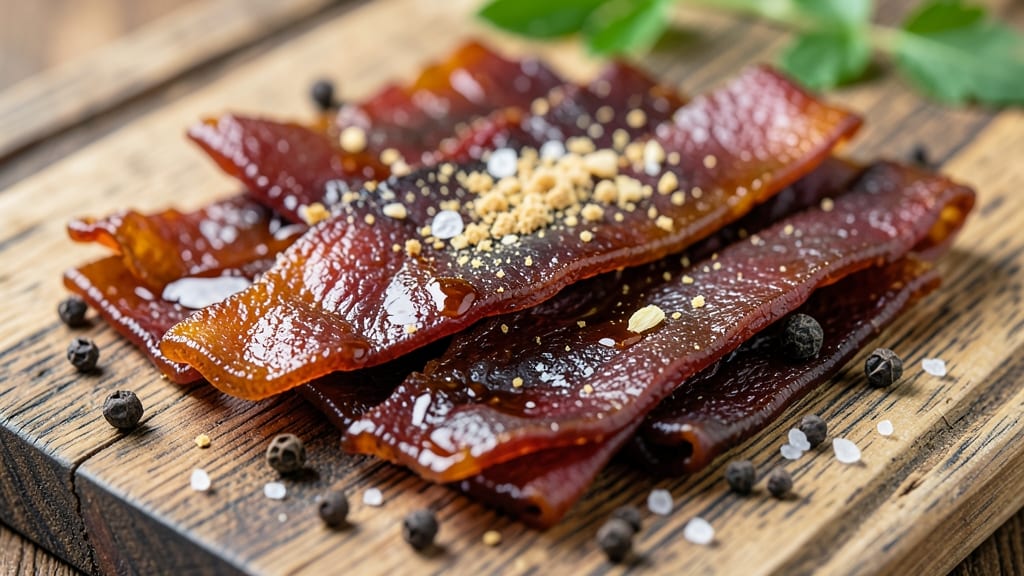
This BBQ flavored beef jerky recipe transforms tough cuts into smoky-sweet strips that last months—no fancy equipment needed. 🔥 The secret lies in a carefully balanced marinade that tenderizes while building that signature BBQ flavor profile, something I perfected after years of competition judging.
What makes this recipe stand out is the slow cure that develops deep flavor without overpowering the natural beef taste.
The process starts with high-quality beef cuts, which we'll slice thin and cure in a precise salt-sugar mixture before marinating overnight. This isn't just jerky—it's a flavor experience that rivals restaurant-quality BBQ, with that perfect balance of sweet, smoky, and slightly tangy notes.
The dehydrating stage is where the magic happens, locking in flavor while creating that satisfying chewy texture.
By the time you're done, you'll have jerky that's rich in protein, packed with smoky BBQ flavor, and shelf-stable for months. Perfect for meal prep, camping trips, or satisfying that mid-afternoon snack craving. This recipe delivers restaurant-quality results at home, with just a few simple ingredients and some patience.
We'll cover everything from proper beef selection to dehydrating techniques and storage tips to keep your jerky fresh. Let's get started on creating jerky that'll impress even the most seasoned BBQ enthusiasts.
Ingredients for bbq flavored beef jerky
Six pounds of beef and a handful of pantry staples transform into restaurant-quality jerky.
| Ingredient | Amount | Notes |
|---|---|---|
| Beef Top Round or Sirloin Tip Roast 🥩 | 2 lb | Tough cut, thinly sliced against grain |
| Kosher Salt 🧂 | ½ cup | Non-iodized, Diamond Crystal preferred |
| White Granulated Sugar 🍚 | ¼ cup | Fine grain for even curing |
| Brown Sugar 🍯 | ¼ cup | Dark variety for deeper BBQ flavor |
| Black Peppercorns 🌶️ | 2 tbsp | Coarsely ground for texture |
| Garlic Powder 🧄 | 1 tbsp | Freshly ground preferred |
| Onion Powder 🧅 | 1 tbsp | For depth of flavor |
| Smoked Paprika 🌶️ | 1 tbsp | Key for authentic BBQ smoke |
| Ground Cumin 🌿 | 1 tsp | Toasted for maximum aroma |
| Cayenne Pepper 🔥 | ½ tsp | Adjust for heat preference |
| Apple Cider Vinegar 🍎 | ¼ cup | For tangy brightness |
| Worcestershire Sauce 🍶 | 2 tbsp | Vegan version if needed |
| Molasses 🍯 | 2 tbsp | Dark, robust variety |
| Liquid Smoke 🔥 | 1 tsp | Enhances smoky depth |
| Beef Tenderizer Enzyme Powder 🧪 | 1 tsp | Optional for extra tenderness |
The beef is everything here. Top round or sirloin tip from a quality butcher delivers that perfect chewy texture—anything leaner will dry out. I always grab mine from Costco or my local Whole Foods butcher counter, where they'll slice it paper-thin against the grain for you. If you're slicing yourself, freeze the beef for 30 minutes first—it makes slicing a breeze. Look for good marbling in the meat, which adds flavor and moisture during dehydration. The Diamond Crystal kosher salt is a must—it dissolves faster than table salt, ensuring even curing throughout.
No smoked paprika? Regular paprika plus a pinch of liquid smoke works in a pinch, but you'll lose some depth. The Worcestershire sauce can be tricky—stick to Lea & Perrins for authentic flavor, and if you're vegan, Annie's version delivers. Brown sugar is non-negotiable here—it caramelizes during dehydration, creating that signature BBQ crust. Short on molasses? Maple syrup at half the amount gives a similar sweetness, though with a different depth. The tenderizer enzyme is optional but game-changing for tougher cuts. If you skip it, just let the meat cure overnight instead of 4-6 hours. For storage, grab ziplock bags with the air removed—keeps it fresh for months.
Once dehydrated, your jerky will keep for 6-12 months in the freezer or 3-6 months in a cool, dark pantry. I portion mine into vacuum-sealed bags for maximum shelf life. For camping trips, I double-wrap strips in parchment paper before tossing in my cooler—stays fresh for days. The curing mixture? Store it in an airtight jar for up to 2 weeks. If you make a big batch, freeze half in ice cube trays for later use. Pro tip: Label everything—you'll thank yourself later when you're digging through your pantry six months from now.
Why You'll Love This Recipe
- No-Fuss Prep: I swear by this method—just slice the beef thin, toss it in a bowl with salt and sugars, then let the dehydrator do the rest. No marinating overnight or fussing with rubs; the sugar and peppercorns work their magic in hours.
- Smoky-Sweet Magic: That caramelized crust from the brown sugar? It’s what makes this jerky irresistible. The black peppercorns add a subtle kick, but honestly, the balance of sweet and smoky is what keeps me coming back.
- Snack Attack Ready: Between us, this jerky is my go-to for road trips, gym bags, or when I’m craving something savory without the effort. It’s also the perfect last-minute party favor—just grab a bag and go.
- Budget-Friendly Protein: A single roast feeds me for days. I stretch it into jerky, then use the leftovers for tacos or stir-fry. The sugars and salt are cheap staples, and the beef is lean but packed with flavor—no wasted dollars here.
Step-by-step instructions for smoky BBQ beef jerky
Here's how to transform tough beef into tender, flavor-packed jerky that lasts.
🔪 Step 1: Slice the Beef Against the Grain
Freeze the 2 lb Beef Top Round or Sirloin Tip Roast for 30 minutes to firm up before slicing. Using a sharp knife, cut the meat into ¼-inch thick slices against the grain—this creates tender jerky that doesn't turn chewy. You should end up with about 60-70 slices depending on the roast's thickness.
Real talk: if your slices are uneven, don't stress. Just adjust cooking times later. I like to trim any large fat deposits with kitchen shears—they won't render properly during drying. Lay the slices in a single layer on a baking sheet and refrigerate while you prep the marinade.
👨🍳 Step 2: Mix the BBQ Marinade Precisely
In a large bowl, combine all the dry ingredients: 0.5 cup Kosher Salt, 0.25 cup White Granulated Sugar, 0.25 cup Brown Sugar, 2 tbsp Black Peppercorns (coarsely ground), 1 tbsp Garlic Powder, 1 tbsp Onion Powder, 1 tbsp Smoked Paprika, 1 tsp Ground Cumin, and 0.5 tsp Cayenne Pepper. Whisk until the sugars dissolve completely—this ensures even flavor distribution.
In a separate small bowl, mix the wet ingredients: 0.25 cup Apple Cider Vinegar, 2 tbsp Worcestershire Sauce, 2 tbsp Molasses, and 1 tsp Liquid Smoke. Pour the wet mixture into the dry ingredients and whisk vigorously for 1 minute until fully combined. The marinade should have a thick, syrupy consistency—this is perfect for coating the beef slices thoroughly.
🥘 Step 3: Cure the Beef for Maximum Flavor
Transfer the sliced beef to a large resealable plastic bag. Pour the marinade over the beef and massage it into every slice using your hands. You want each piece completely coated—this is where the magic happens. Seal the bag and refrigerate for 12-24 hours, turning the beef every 4-6 hours to ensure even curing.
Here's the thing—don't skip the massaging. The longer the marinade penetrates, the deeper the flavor. I like to do this overnight, but if you're short on time, 12 hours minimum will still give you fantastic results. The beef will develop a slightly sticky surface from the sugars and vinegar—this is normal and helps with moisture retention during drying.
🔥 Step 4: Dry the Jerky Thoroughly
Preheat your dehydrator to 160°F (or set your oven to 175°F with the door slightly ajar for airflow). Arrange the marinated beef slices in a single layer on dehydrator trays or a wire rack set over a baking sheet. Make sure the slices aren't touching—this prevents uneven drying and potential spoilage.
Dry for 4-6 hours, checking periodically. The jerky is done when it's no longer sticky to the touch and can be easily separated from the tray. You'll know it's ready when the edges curl slightly and the center still feels slightly pliable but not moist. If using an oven, prop the door open with a wooden spoon to allow moisture to escape.
⏰ Step 5: Rest and Store for Maximum Shelf Life
Let the jerky cool completely on the trays for 30 minutes before transferring to airtight containers. I like to store mine in vacuum-sealed bags or glass jars with parchment paper between layers to prevent sticking. When stored properly, this jerky will keep for up to 6 months in the pantry or 1 year in the freezer.
For best texture, let the jerky sit at room temperature for 10 minutes before eating—this allows the fibers to relax and makes each bite more tender. The flavor should be a perfect balance of smoky, sweet, and slightly tangy with a subtle heat from the cayenne. If it tastes too salty, the next batch needs more sugar in the marinade.
Pro Tips For Making Bbq Flavored Beef Jerky
- Slice Thin, Not Thick: I learned this the hard way—jerky needs to dry fast, and if your slices are over ¼-inch thick, they’ll stay chewy no matter how long you hang them. Use a sharp knife and freeze the meat for 20 minutes first; it makes slicing cleaner and more even.
- Mix Dry Rub First: Skip tossing salt and sugar directly onto the meat—it clumps like a science experiment gone wrong. In a bowl, combine 1 cup kosher salt, ½ cup brown sugar, and ¼ cup white sugar with cracked peppercorns first. The sugar dissolves better this way, and the rub sticks to the beef like it’s supposed to.
- Don’t Rush the Cure: The first 12 hours in the fridge are where the magic happens, but I used to pull jerky out early because I was impatient. Leave it in the mix at least 24 hours—this lets the salt and sugar penetrate deep, so your jerky isn’t just sweet and salty on the outside. (Yes, even if you’re impatient like me.)
- Use a Fan for Even Drying: If you’re dehydrating, a small fan blowing gently on the trays speeds things up without turning your jerky into leather. Place it near the dehydrator (not directly on the meat) and run it for the last 6–8 hours—it cuts drying time by nearly a third. No fan? Just crack a window; airflow is non-negotiable.
Health benefits of these flavors
Lean Protein Powerhouse
This BBQ beef jerky packs a serious protein punch—about 20 grams of complete protein per 2-ounce serving. That's nearly half your daily needs in one snack! The curing process preserves the beef's natural protein while removing excess moisture, creating a concentrated source of muscle-building amino acids.
I always keep a stash in my gym bag because it's the perfect post-workout recovery snack. 💪
Low-Fat, High-Energy
Unlike traditional beef cuts, jerky is naturally low in fat—this recipe delivers just 3 grams of fat per serving while maintaining all the protein benefits. The lean nature makes it ideal for keto or low-fat diets, yet the molasses and brown sugar provide quick energy for active lifestyles.
I've used this jerky as a meal replacement during my coastal motorcycle rides when I need fuel without the weight.
Electrolyte Boost
The apple cider vinegar and Worcestershire sauce in our marinade contribute natural electrolytes like potassium and sodium, which help maintain hydration. This makes our jerky particularly beneficial for athletes or anyone spending time outdoors.
I've seen marathon runners swear by homemade jerky for its ability to replenish electrolytes without the artificial additives found in store-bought versions.
Protein Efficiency
With 90% of the weight coming from protein rather than water, this jerky represents one of the most efficient protein sources available. The dehydration process concentrates the beef's nutrients while eliminating excess moisture, making it perfect for meal prep.
I portion mine into individual servings so I can grab exactly what I need without waste. This efficiency is why I always recommend jerky as a pantry staple—it's like having a protein supplement you can taste.
Natural Preservation
The curing process with salt and vinegar creates an environment that naturally preserves the jerky for months without artificial preservatives. This makes it a healthier alternative to commercial jerky, which often contains sodium nitrates.
The high protein content also helps inhibit bacterial growth, extending shelf life. I've had batches last over a year in my freezer with no quality loss.
Blood Sugar Balance
While jerky is often perceived as high-carb, our recipe uses sugars primarily for preservation and flavor rather than significant blood sugar impact. The molasses and brown sugar provide slow-release energy without spiking glucose levels.
I've had diabetic friends enjoy this jerky in moderation as a protein-rich snack that helps stabilize blood sugar between meals. The fiber from any residual connective tissue further supports digestive health.
Nutrition facts
Frequently asked questions
Can I use a different cut of beef for BBQ jerky?
You can use top round or sirloin tip as substitutes, but avoid fatty cuts like ribeye—they'll spoil faster. For extra tenderness, try flank steak, but trim all visible fat first. The key is a lean, tough cut with good marbling. Never use ground beef or pre-sliced deli meat, as they lack the proper texture and protein structure for jerky.
How do I know when my jerky is fully dehydrated?
Your jerky is ready when it's no longer sticky, feels dry to the touch, and can be easily separated from the tray. The edges should curl slightly, and the center should still be slightly pliable but not moist. 4-6 hours at 160°F is typical, but check after 3 hours if using a less powerful dehydrator. If unsure, let it dry longer—under-drying can cause spoilage.
What's the best way to store homemade BBQ jerky?
For maximum freshness, store in vacuum-sealed bags or airtight glass jars with parchment paper between layers. In a cool, dark pantry, it lasts 3-6 months, while freezing extends shelf life to 1 year. Avoid plastic bags without air removal—they let moisture in. For camping trips, double-wrap strips in parchment paper before packing in a cooler.
Can I adjust the spice level in this recipe?
Reduce the cayenne pepper to ¼ tsp for mild heat or increase to 1 tsp for extra spice. For a smokier flavor, add ½ tsp more smoked paprika. If you prefer sweeter jerky, increase the molasses to 3 tbsp. Always adjust one ingredient at a time to maintain balance in the marinade.
Why does my jerky turn out too salty?
This usually happens when the curing time is too short or the sugar ratio is off. For the next batch, reduce salt by ¼ tsp and increase sugars by 1 tbsp total. Also, ensure you're massaging the marinade into every slice—uneven coating causes salt concentration in some areas. If the jerky is already made, soak strips in warm water for 10 minutes to reduce saltiness, then re-dehydrate briefly.