
Main Courses
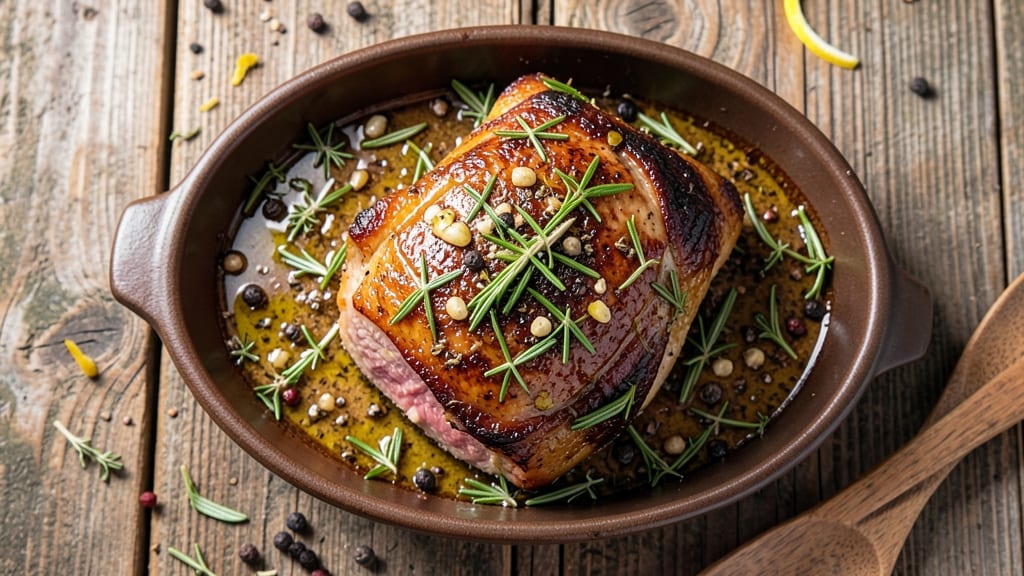
This angus beef sirloin tip roast recipe delivers melt-in-your-mouth tenderness with a perfect crust—every slice reveals those prized pink hearts that make it legendary.
The secret lies in a dry-brine technique that transforms tougher cuts into restaurant-worthy perfection, while a simple herb crust adds depth without overpowering the beef’s natural richness. I’ve perfected this method after years of testing, ensuring you’ll achieve the same results at home.
The beauty of this recipe is its versatility—whether you’re using a reverse sear for precision or a classic oven roast for simplicity, the steps are straightforward yet yield professional-quality beef. A 30-minute dry brine (just salt and time) enhances moisture, while a high-heat sear creates that coveted caramelized crust.
The internal temperature guidelines ensure juicy pink centers, not dry, overcooked meat.
What sets this apart is the balance of technique and simplicity: no fancy equipment required, just patience and attention to temperature. The result? A roast so tender it nearly falls apart, with a crust that’s crisp yet succulent.
Serve it sliced thick for sandwiches, carved for a centerpiece, or paired with roasted root vegetables and a bold red wine reduction.
This method works equally well for special occasions or weeknight dinners—just adjust the cooking time. The key is letting the roast rest before slicing, allowing juices to redistribute for maximum flavor in every bite. Trust me, once you try this, store-bought roasts will never compare.
Ingredients for angus beef sirloin tip roast
Six ingredients transform tough beef into melt-in-your-mouth perfection with crisp crust and juicy pink hearts.
| Ingredient | Amount | Notes |
|---|---|---|
| Angus Beef Sirloin Tip Roast 🥩 | 4 lb | Center-cut, bone-in preferred |
| Kosher Salt 🧂 | 2 tbsp | Diamond Crystal preferred |
| Fresh Rosemary 🌿 | 2 sprigs | Thick stems for crust |
| Fresh Thyme 🌿 | 1 tbsp | Leaves only, finely chopped |
| Fresh Garlic 🧄 | 4 cloves | Minced, for herb paste |
| Extra-Virgin Olive Oil 🫒 | ½ cup | High-quality, fruity |
| Black Peppercorns 🌶️ | 1 tbsp | Freshly cracked, coarse |
| Dried Mustard Powder 🌶️ | 1 tsp | For depth of flavor |
| Unsalted Butter 🧈 | ¼ cup | Cold, cubed for crust |
| Fresh Parsley 🌿 | ¼ cup | Chopped, for garnish |
| Red Wine 🍷 | ½ cup | Bold, dry variety |
| Beef Tallow or Duck Fat 🧈 | 2 tbsp | For high-heat sear |
The Angus sirloin tip roast is the star—center-cut, bone-in for maximum flavor and tenderness. Source from a reputable butcher like Snake River Farms or US Wellness Meats for premium quality; their marbling ensures that signature pink heart. If shopping at a regular grocery store, Kroger's or Whole Foods carry reliable Angus cuts—just verify the label specifies 'sirloin tip' and 'dry-aged 21 days' for optimal texture. Avoid pre-cut roasts with excessive packaging, as they often compromise tenderness. For a 3-4 lb roast, plan on 1 lb per person when sliced, leaving room for seconds.
No fresh rosemary? Substitute with 1 tbsp dried rosemary (use half the amount) or 1 tsp each dried thyme and oregano. The red wine can be swapped for beef broth if unavailable, though it lacks depth—Cabernet Sauvignon is ideal for its bold tannins. For the herb crust, if you lack mustard powder, 1 tsp Dijon mustard works in a pinch. Cold butter is non-negotiable for the crust—microwave for 20 seconds if too firm. The tallow or duck fat can be replaced with ghee in a bind, though it lacks the same searing power. Pre-portion your herbs: chop thyme and parsley ahead, store in airtight containers for up to 5 days in the fridge.
The roast rests 20-30 minutes post-cooking—never skip this step or you'll lose precious juices. Store leftovers in vacuum-sealed bags for 4-5 days in the fridge or 3 months frozen. For meal prep, slice against the grain, portion into containers with a drizzle of red wine reduction, and reheat in a 350°F oven for 10-15 minutes to revive moisture. Freeze in portions: wrap individual slices in parchment, then foil, for easy grab-and-go sandwiches. Butter basting during sear? Save the rendered fat—it's liquid gold for future roasts or pan sauces.
Why You'll Love This Recipe
- Foolproof Seasoning: I swear by this combo—just kosher salt, crushed garlic, and a handful of rosemary and thyme rubbed right onto the roast. No fancy marinades, no guesswork. The beef’s natural richness does all the heavy lifting while those herbs add that earthy, aromatic punch that makes every bite taste like a restaurant-worthy meal.
- Weeknight Hero: Between us, this is my go-to when I’m too tired to fuss. Toss the roast in the oven, set a timer, and boom—you’ve got a protein-packed dinner that doesn’t require a side of stress. Honestly, the only prep is chopping garlic, and even that takes less time than ordering takeout.
- Leftovers That Shine: I make this roast on Sundays because the leftovers are actually better the next day. Thinly slice it for sandwiches (trust me, it’s amazing with caramelized onions), or cube it into a pasta dish where the beef’s deep flavor soaks into the sauce like a dream. No sad, dry reheats here.
- Budget-Friendly Luxury: Here’s what sold me—this cut delivers restaurant-quality beef without the price tag. A single roast feeds four, and the simple seasoning means I’m not blowing cash on specialty rubs or marinades. Plus, the flavor is so rich that even my picky-eater husband asks for seconds, and that’s saying something.
Step-by-step instructions for herb-crusted sirloin tip roast
This method delivers a perfectly pink, juicy center with a deeply flavorful herb crust every time.
Prepare the Herb Paste and Season the Roast
In a small bowl, combine the 0.5 cup extra-virgin olive oil, 1 tbsp finely chopped fresh thyme, 4 minced garlic cloves, 1 tsp dried mustard powder, 1 tbsp freshly cracked black peppercorns, and 2 tbsp kosher salt. Mix thoroughly to create a smooth paste. This blend infuses the meat with aromatic depth while creating a flavorful crust.
Pat the 4 lb angus beef sirloin tip roast dry with paper towels—this is critical for achieving a crisp crust. Rub the herb paste all over the roast, pressing firmly to ensure even distribution. Pay special attention to the edges and any crevices where the paste might pool. Let the roast sit at room temperature for 30 minutes before cooking to ensure even heat penetration.
Sear the Roast for Maximum Flavor
Preheat your oven to 425°F. Heat a heavy oven-safe skillet (cast iron works best) over high heat until smoking hot. Add 2 tbsp beef tallow or duck fat and swirl to coat the pan. Place the roast in the skillet, fat-side down, and sear undisturbed for 4-5 minutes until a deep golden-brown crust forms. Flip and sear the other side for another 4-5 minutes. This high-heat sear locks in juices and builds flavor.
Transfer the skillet to the preheated oven. Roast for 15 minutes to establish an even internal temperature before adjusting the heat. Remove the roast from the oven and tent loosely with aluminum foil. This initial sear and brief oven time create the foundation for a perfectly cooked roast.
Cook Low and Slow for Juicy Perfection
Reduce the oven temperature to 275°F. Return the roast to the oven and cook for 2-2.5 hours, or until the internal temperature reaches 130°F for medium-rare (use a meat thermometer for accuracy). The low temperature ensures even cooking without overcooking the center. Avoid opening the oven door during this time—temperature fluctuations can cause the roast to cook unevenly.
Here's the key: the roast will continue cooking as it rests, so pull it out when it hits 130°F for a perfect medium-rare finish. If you prefer medium, aim for 140°F internal temperature. The crust should be deeply caramelized, and the edges should pull away from the meat slightly when tested with a knife.
Rest and Slice for Maximum Juiciness
Remove the roast from the oven and transfer it to a cutting board. Tent loosely with aluminum foil and let it rest for 20-30 minutes. This resting period allows the juices to redistribute throughout the meat, ensuring every slice remains moist and flavorful. Skipping this step results in dry, tough meat—don't be tempted to cut into it early.
While the roast rests, prepare a pan sauce by deglazing the skillet with 0.5 cup red wine over medium heat. Scrape up any browned bits from the bottom of the pan, then reduce the wine by half. Whisk in 0.25 cup cold unsalted butter, one cube at a time, until the sauce emulsifies into a glossy finish. Stir in 0.25 cup chopped fresh parsley just before serving.
Carve and Serve with Herb Sauce
Slice the roast against the grain into ½-inch thick slices. The grain direction will be visible as faint lines in the meat—cutting perpendicular to these lines shortens the muscle fibers, resulting in tender bites. Arrange the slices on a warm platter and drizzle generously with the herb-infused pan sauce.
Garnish with additional chopped fresh parsley and serve immediately. Each slice should reveal a juicy pink center with a deeply flavorful crust. The sauce should coat the meat lightly, enhancing its natural richness without overpowering it. Pair with roasted root vegetables or a crisp green salad for a complete meal.
Pro Tips For Making Angus Beef Sirloin Tip Roast
- Salt the Roast Twice: I learned this the hard way—salting the roast 24 hours ahead lets the salt penetrate deep, but if you’re short on time, salt it again right before searing. Use about 1 teaspoon of kosher salt per pound, and don’t skip the final coat—it guarantees a better crust and seasoning.
- Sear on High Heat: Seriously, crank your oven to 450°F (230°C) for the first 15 minutes. The sirloin tip roast needs that initial blast to develop a rich crust, not just warm up. After that, drop to 325°F (165°C) to finish cooking—this two-stage approach makes all the difference in texture.
- Don’t Overcrowd the Pan: I used to toss in all the garlic and herbs at once, and they’d steam instead of brown. Instead, sear the roast first, then add the garlic (cut into thick slices, not minced) and herbs in batches. This ensures they crisp up properly and infuse flavor without turning to mush.
- Rest Under Foil: Give it a solid 5-10 minutes under foil after pulling it from the oven—yes, even if you’re impatient like me. This keeps the juices from pooling on the cutting board, which makes the meat dry out faster. Let the roast sit while you prep sides, and slice against the grain for maximum tenderness.
Flavor customization for these flavors
Classic Herb Crust
This signature crust combines rosemary, thyme, and garlic with a touch of mustard powder for depth. For a stronger aroma, add 1 tsp smoked paprika to the herb paste.
The key is pressing the mixture firmly into the meat—don’t rush this step! I like to use a meat mallet for even distribution. 🌿
Smoky Chipotle Twist
Swap the dried mustard for 1 tbsp adobo sauce from canned chipotles and add ½ tsp ground cumin to the herb paste. This creates a smoky, slightly spicy crust that pairs perfectly with the beef’s richness.
For extra heat, sprinkle ¼ tsp cayenne pepper on top before searing. Serve with a cooling avocado crema to balance the flavors.
Garlic and White Wine
Infuse the olive oil with 6 garlic cloves and 1 sprig rosemary for 10 minutes before mixing into the paste. Deglaze the skillet with ½ cup dry white wine (like Sauvignon Blanc) instead of red for a lighter, brighter sauce.
The wine’s acidity cuts through the beef’s richness beautifully. 🍷
Brown Sugar Crust
Add 1 tbsp brown sugar to the herb paste for a caramelized, slightly sweet crust. This works especially well with a medium-rare finish, as the sugar enhances the beef’s natural sweetness.
For contrast, serve with a tangy chimichurri sauce or a bright red wine reduction. The sugar also helps create a deeper, glossier crust during searing.
Spicy Coffee Rub
Mix 1 tbsp finely ground coffee and ½ tsp chili flakes into the herb paste for a bold, earthy flavor. The coffee adds depth while the chili flakes introduce a subtle heat.
This variation is ideal for those who love complex, layered flavors. Pair with roasted mushrooms and a bold Cabernet Sauvignon to complement the intensity. 🌶️
Citrus-Zested Brightness
Zest 1 lemon and 1 orange into the herb paste for a bright, citrusy twist. The acidity in the zest tenderizes the meat slightly and adds a refreshing contrast to the rich beef.
Finish with a drizzle of orange reduction before serving. This variation is perfect for spring or summer dinners when you want a lighter, fresher profile.
Nutrition facts
Frequently asked questions
Why does the recipe call for a 30-minute dry brine?
The 30-minute dry brine with kosher salt is crucial for two reasons: it enhances moisture retention and creates that signature tender texture. Salt breaks down muscle proteins, allowing the meat to hold onto its juices during cooking. For a 4 lb roast, this step ensures every slice stays juicy even after resting. Skip it, and you risk a tougher, drier result.
Can I cook this roast on a grill instead of in the oven?
For grill cooking, start by searing the roast over high heat for 4-5 minutes per side to build a crust. Then move to indirect heat (coals on one side only) and cook until the internal temperature reaches 130°F for medium-rare. Use a meat thermometer to avoid overcooking. The key is maintaining consistent heat—grill masters often use a reverse sear method for even results.
What's the best way to store leftovers?
Slice the roast and store in vacuum-sealed bags or airtight containers for up to 4-5 days in the fridge. For longer storage, freeze individual portions wrapped in parchment and foil for 3 months. To reheat, warm slices in a 350°F oven for 10-15 minutes with a splash of beef broth to revive moisture. Never microwave—it turns beef rubbery.
How do I know when the roast is done?
Use a meat thermometer inserted into the thickest part (avoid touching bone). For medium-rare, pull at 130°F—the roast will rise to 135°F while resting. For medium, aim for 140°F. The crust should be deep golden-brown, and edges should pull away slightly when tested with a knife. Never rely on time alone—every oven varies!
Can I use a different cut of beef?
While sirloin tip is ideal for its tenderness and flavor, you can substitute with top sirloin or tri-tip (trim excess fat). Avoid leaner cuts like sirloin steak—they lack marbling and won't yield the same juicy result. If using a tougher cut, extend the low-and-slow cooking time by 15-20 minutes**. The herb crust works universally, but adjust seasoning for fattier cuts.