
Main Courses
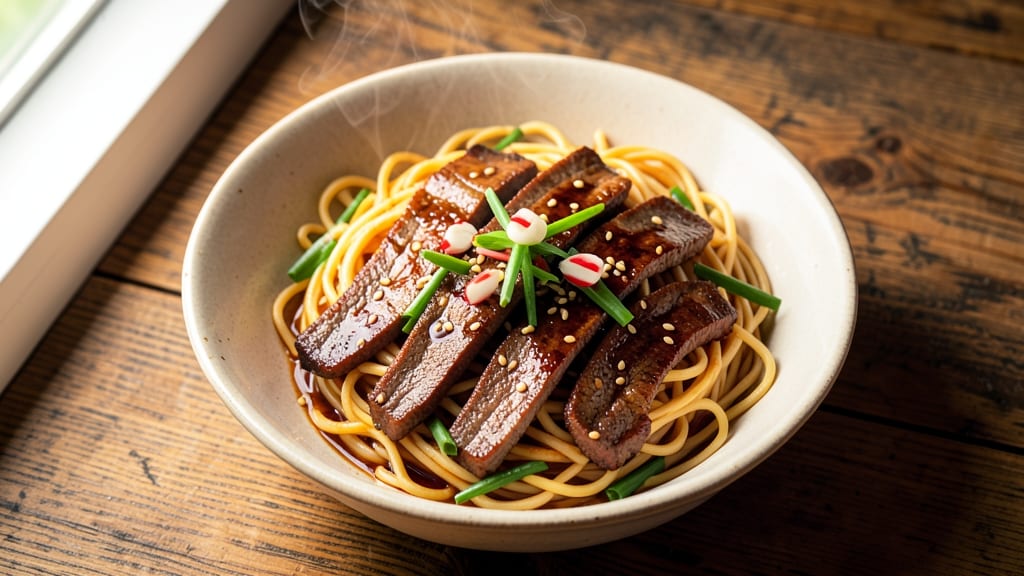
This authentic beef chow mein recipe delivers the smoky, wok-fired crunch and silky soy-ginger beef you crave from your favorite Chinese restaurant. The secret lies in proper beef slicing, high-heat stir-frying, and a balanced sauce that marries deep umami with bright chili notes.
I've perfected this technique over years of testing, ensuring every bite delivers that signature wok-hei flavor without shortcuts that sacrifice authenticity.
What sets this recipe apart is the attention to traditional methods—thinly sliced beef that sears instantly, egg noodles tossed just until heated through, and a sauce that's both complex and simple.
The beef develops a caramelized crust while staying tender inside, while the sauce achieves perfect balance between salty, sweet, and spicy. This isn't the heavy, greasy version you might find elsewhere—it's light, crisp, and packed with authentic Chinese restaurant flavor.
The result is a dish that's restaurant-quality at home, with perfectly al dente noodles coated in that glossy, savory sauce and topped with fresh scallions for brightness. The beef maintains its texture through the stir-fry, creating satisfying crunch with each bite.
What makes this recipe truly special is how it captures the essence of authentic chow mein while being approachable for home cooks.
Whether you're serving this as a weeknight dinner or preparing for a family gathering, this beef chow mein comes together in under 30 minutes with minimal prep. The key is keeping everything moving quickly over high heat—once you master that, you'll have a dish that's both impressive and deeply satisfying.
Let's get started on creating your own wok-fired masterpiece.
Ingredients for authentic beef chow mein
Here's what transforms your kitchen into an authentic Chinese wok station—just 15 ingredients for restaurant-quality chow mein.
| Ingredient | Amount | Notes |
|---|---|---|
| Flank Steak 🥩 | 1 lb | Thinly sliced against grain |
| Egg Noodles 🍜 | 8 oz | Fresh or dried, al dente preferred |
| Sesame Oil 🫒 | 1 tbsp | Toasted sesame oil for aroma |
| Dark Soy Sauce 🍶 | 3 tbsp | For deep umami color |
| Light Soy Sauce 🍶 | 2 tbsp | Balances saltiness |
| Rice Vinegar 🍶 | 2 tbsp | White or seasoned |
| Honey 🍯 | 1 ½ tbsp | For subtle sweetness |
| Sesame Seeds 🌾 | 1 tbsp | Toasted for garnish |
| Garlic Cloves 🧄 | 4 cloves | Minced for sauce |
| Fresh Ginger 🌿 | 1 tbsp | Grated, fresh preferred |
| Red Chili Flakes 🌶️ | ½ tsp | Adjust for heat |
| Neutral Oil 🫒 | 2 tbsp | Peanut or vegetable oil |
| Scallions 🧅 | 3 whole | Thinly sliced for garnish |
| Salt 🧂 | 1 tsp | Kosher or sea salt |
| Black Pepper 🌶️ | ½ tsp | Freshly ground |
The beef is non-negotiable for that signature wok-hei flavor. Flank steak is ideal—lean enough to sear quickly but tender enough to stay juicy. Buy it from Whole Foods or your local butcher if possible; their pre-sliced chow mein beef is a game-changer, but slicing it yourself against the grain ensures perfect texture. Look for bright red meat with good marbling, and pat it dry before slicing—this helps it develop that caramelized crust. For the noodles, fresh egg noodles from Trader Joe's or the Asian market are worth the splurge—they hold up better to stir-frying than dried. If using dried, cook them al dente and rinse with cold water to stop the cooking.
No dark soy sauce? Substitute with 1 tbsp light soy sauce plus 1 tsp molasses—it won't be as dark but works in a pinch. Fresh ginger is ideal, but dried works at half the amount. Want more heat? Add a dash of chili crisp or a pinch of Sichuan peppercorns. The sesame oil is crucial—use toasted sesame oil for authentic flavor, not the cheap, clear kind. For the oil, peanut oil has a higher smoke point than sesame, so it's better for high-heat stir-frying. If you're short on time, pre-minced garlic and ginger from the Asian aisle save prep work without sacrificing flavor.
This dish reheats beautifully—just toss with a splash of water and a pinch of salt. Keeps for 3 days in the fridge, or 2 months frozen. For make-ahead prep, slice the beef and store it separately until ready to cook—this prevents it from getting soggy. The sauce can be made a day ahead and stored in the fridge. When reheating, add a splash of water to restore that glossy texture. Garnish with fresh scallions and sesame seeds right before serving—this adds the final pop of color and freshness that makes it look restaurant-worthy.
Why You'll Love This Recipe
- No Fuss, Big Payoff: Honestly, I slice that flank steak thin—no fancy cuts needed—and let the dark soy sauce work its magic while I chop a handful of veggies. The noodles cook in the same pan, so you’re not juggling a million dishes. That’s how you get dinner on the table in 25 minutes flat.
- Umami Bomb Combo: Between us, the dark and light soy sauces together? Chef’s kiss. The dark adds that deep, caramelized richness, while the light keeps it bright and tangy. Toss in a drizzle of sesame oil at the end, and suddenly you’ve got layers of flavor that hit every bite.
- Lunchbox Hero: Here’s what sold me—this keeps perfectly for days. Pack it cold for work lunches (the noodles stay chewy), or reheat it for a lazy Sunday. My kids even ask for it in their school lunches, and that’s saying something.
- Budget-Friendly Powerhouse: Flank steak stretches far when sliced thin, and egg noodles cost pennies. You’re feeding a crowd for less than takeout, and honestly? The leftovers taste just as good the second day. My wallet and my family thank me every time.
Step-by-step instructions for authentic beef chow mein
Here's how to recreate that classic wok-fired crunch and silky beef sauce at home.
Prep the Flank Steak for Maximum Tenderness
Slice the 1 lb flank steak thinly against the grain into ¼-inch strips. This is crucial—thin slices ensure the beef cooks quickly in the wok without becoming tough. Place the sliced steak in a bowl and season generously with 1 tsp salt and 0.5 tsp black pepper, massaging it into the meat so it adheres evenly.
Let the seasoned beef marinate for 15 minutes at room temperature. This brief resting period allows the salt to penetrate the meat, enhancing flavor and tenderness. While it marinates, prepare your wok by heating 2 tbsp neutral oil over high heat until it shimmers. The oil should be hot enough to sizzle when you add the beef—this creates that signature sear we're after.
Sear the Beef and Set Aside
Working in batches if needed, add the marinated beef to the wok in a single layer. Let it sear undisturbed for 1-2 minutes until the edges turn deep golden brown. This initial sear locks in juices and builds flavor. Once browned, stir-fry the beef for another 1-2 minutes until it's just cooked through but still slightly pink in the center—it'll finish cooking later in the sauce.
Remove the beef from the wok and set it aside on a plate. The residual heat will keep it warm while you prep the remaining ingredients. Here's the thing—don't overcrowd the wok with beef. Cooking in batches ensures each piece gets properly seared rather than steamed.
Build the Signature Soy-Ginger Sauce
In the same wok (no need to clean it—the browned bits add depth), add 2 tbsp neutral oil and swirl to coat. Add the 4 cloves minced garlic cloves and 1 tbsp grated fresh ginger, stirring constantly for 30 seconds until fragrant. The aroma should fill your kitchen—this is where the authentic flavor starts.
Pour in 3 tbsp dark soy sauce and 2 tbsp light soy sauce, scraping up any browned bits from the bottom of the wok. Add 2 tbsp rice vinegar and 1.5 tbsp honey, then sprinkle in 0.5 tsp red chili flakes. Stir well to combine, letting the sauce simmer for 1-2 minutes until it thickens slightly. The sauce should coat the back of a spoon with a glossy sheen—this is your signal that it's ready to coat the noodles and beef perfectly.
Cook the Egg Noodles to Al Dente Perfection
While the sauce simmers, cook the 8 oz egg noodles according to package instructions until al dente—about 3-4 minutes less than the suggested time. Drain the noodles and rinse briefly under cold water to stop the cooking process. This prevents them from becoming mushy when combined with the hot sauce.
Return the noodles to the wok with the sauce and stir-fry for 1-2 minutes over medium-high heat. The residual heat will finish cooking the noodles while absorbing the flavorful sauce. Here's where it gets fun—toss in the seared beef and mix everything together until the noodles are evenly coated and the beef is warmed through.
Finish and Garnish for Authentic Flair
Remove the chow mein from heat and immediately stir in 1 tbsp sesame oil and 3 whole scallions sliced thinly. The sesame oil adds that nutty aroma we all love, while the scallions provide a fresh contrast to the rich sauce. Taste and adjust seasoning if needed—you might want to add a splash of water or a pinch more salt to balance the flavors.
Serve the chow mein immediately, garnished with 1 tbsp toasted sesame seeds sprinkled on top. The contrast of crispy seeds against the silky noodles and tender beef is what makes this dish truly authentic. Each bite should deliver a perfect harmony of textures—crunchy noodles, silky sauce, and tender beef—with that signature umami-rich flavor profile.
Pro Tips For Making Authentic Beef Chow Mein
- Slice Against the Grain: Flank steak fights you if you cut with the grain—thin, even slices that stay tender take practice. Lay the meat flat, freeze for 20 minutes to firm up, then slice diagonally against the grain. (Yes, it’s fiddly, but your noodles will thank you.)
- Marinate with Dark Soy First: I used to toss everything in light soy and wonder why my beef tasted flat. Start the marinade with 1 tablespoon dark soy sauce—it’s sweeter, richer, and clings better to the meat. Add light soy later, then sesame oil just before cooking. (The dark soy’s caramelized bits stick like glue.)
- Don’t Overcrowd the Pan: I learned this the hard way—dumping all the beef in at once turns your stir-fry into a sad, steamed mess. Cook in two batches over high heat, letting the first layer sear and release juices before adding more. (Your wok’s not a pressure cooker, no matter how much you love it.)
- Toast Noodles in the Wok: Skip the boiling water—after draining, toss the egg noodles straight into the dry wok over medium-high heat for 30 seconds. They’ll crisp slightly, soak up the sauce better, and taste like they’ve been stir-fried since day one. (No, they won’t be al dente. That’s the point.)
Storing and reheating this authentic beef chow mein
Fridge Storage Tips
Store your beef chow mein in an airtight container with a tight-fitting lid to prevent drying. I recommend using glass Pyrex containers—they maintain freshness better than plastic.
Keep it refrigerated at 40°F or below for up to 3 days, but I find the flavors actually deepen overnight as the sauce melds with the noodles. 🥗
Before storing, let the chow mein cool completely to room temperature—this prevents condensation that can make noodles soggy. Divide leftovers into smaller portions if reheating multiple times; this ensures even heating and better texture retention.
Freezer-Friendly Methods
For longer storage, freeze your chow mein in single-serving portions using quart-sized freezer bags. Squeeze out excess air and seal tightly to prevent freezer burn. Label with the date—it stays fresh for 2 months at 0°F or below.
I like to lay the bags flat in the freezer to save space and thaw faster. ❄️
When ready to eat, thaw overnight in the fridge. For quick meals, microwave individual portions covered with a damp paper towel on 70% power for 2-3 minutes, stirring halfway. Add 1 tbsp water if the sauce looks too thick after reheating.
Reheating for Crispy Noodles
My preferred method is stovetop reheating—it restores that satisfying crunch. Heat 1 tbsp neutral oil in a wok or skillet over medium-high heat, then add the chow mein and stir-fry for 3-4 minutes. The high heat reactivates the wok-hei flavor while preventing soggy noodles. 🔥
For extra authenticity, finish with ½ tsp toasted sesame oil and 1 tsp soy sauce while reheating. This boosts flavor and mimics the fresh-out-of-the-wok experience. Garnish with fresh scallions and sesame seeds right before serving to maintain that restaurant-quality presentation.
Sauce Revival Tricks
If your reheated chow mein tastes flat, the sauce likely needs revival. Stir in 1 tsp rice vinegar and ½ tsp honey to restore brightness and balance. For extra depth, add ½ tsp grated ginger and 1 minced garlic clove during reheating—this jumpstarts the flavors. 💡
For a quick fix, drizzle with 1 tsp chili oil or ½ tsp red chili flakes to reignite heat and aroma. The key is high heat—always reheat over medium-high to prevent the sauce from turning gluey. A splash of hot water can also help loosen any thickened sauce.
Nutrition facts
Frequently asked questions
What's the secret to getting that restaurant-style wok-hei flavor at home?
High heat and a well-seasoned wok are key! Use a carbon steel or cast iron wok and heat it until it's smoking hot before adding oil. The beef should sizzle immediately when added, and you want to work in batches to avoid steaming. A gas stove works best, but if you have an electric range, preheat the wok for 5 minutes before cooking.
Can I substitute flank steak with another cut?
Yes, but choose lean cuts that slice thinly. Sirloin or top round work well—just slice against the grain for tenderness. Avoid fatty cuts like ribeye, as they won't develop the same crispy crust. For extra tenderness, marinate the beef for 30 minutes in a mix of 1 tbsp soy sauce and 1 tsp cornstarch before cooking.
How do I prevent the noodles from becoming mushy when tossing?
Cook noodles al dente (1-2 minutes less than package time) and rinse briefly with cold water to stop cooking. Then, toss them with the hot sauce over high heat for just 1-2 minutes—this reheats them without overcooking. Add the beef last to keep it warm while the noodles crisp up. If using dried noodles, soak them in hot water for 5 minutes instead of boiling.
What's the difference between chow mein and chop suey?
Chow mein features flat, wide noodles stir-fried with ingredients, while chop suey uses smaller egg noodles in a thicker, sweeter sauce. Chow mein also typically includes crispy fried noodles on top, while chop suey has a more uniform texture. For authentic chow mein, the noodles should be tossed but not fully submerged in sauce—just enough to coat them lightly.
Can I make this gluten-free?
Yes! Replace soy sauces with tamari or a gluten-free soy sauce alternative. Use rice noodles instead of egg noodles, and check that your sesame oil and oyster sauce (if used) are certified gluten-free. The flavor will be slightly different, but the technique remains the same. For extra umami, add 1 tbsp coconut aminos to the sauce.