
Main Courses
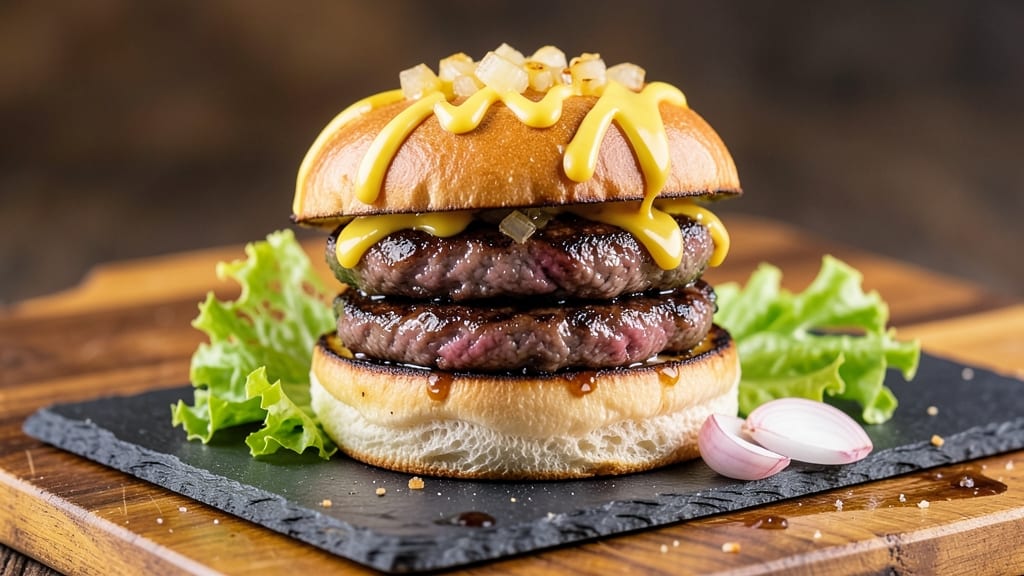
This Angus ground beef burger recipe delivers the perfect balance of ultra-juicy meat and a caramelized crust that locks in flavor—no dry bites here. The secret lies in high-quality beef and a precise cooking technique that transforms simple ingredients into a restaurant-worthy burger.
I’ve refined this recipe over years of grilling, ensuring every patty stays tender while developing that coveted crust.
The key to success is using Angus ground beef (80/20 fat ratio) for moisture and flavor, then handling the patties with care—no overworking the meat.
A quick sear in a hot pan or on the grill creates that caramelized crust, while a gentle press at the end ensures juices stay inside. This method guarantees a burger that’s tender, flavorful, and impossible to resist, even for picky eaters.
Toppings and buns are where you can get creative—classic cheeseburger staples like cheddar and pickles work perfectly, but modern twists like caramelized onions or truffle aioli elevate it to gourmet status. Serve on a toasted brioche bun for extra richness, or keep it simple with a soft sesame roll.
The possibilities are endless, but the foundation is always the same: juicy, perfectly cooked beef.
Pair with crispy fries, a fresh garden salad, or grilled vegetables for a complete meal. This recipe isn’t just about the burger—it’s about the experience of sinking your teeth into a patty that’s so tender it melts, with a crust that’s crisp enough to stand up to bold toppings.
Let’s get cooking!
Ingredients for angus ground beef burger
High-quality beef and precise seasoning create the foundation for ultra-juicy burgers with perfect caramelized crusts.
| Ingredient | Amount | Notes |
|---|---|---|
| Angus Ground Beef (80/20 fat ratio) 🥩 | 1 ½ lb | Freshly ground preferred |
| Yellow Onion 🧅 | 1 whole | Medium size, finely diced |
| Garlic Cloves 🧄 | 4 cloves | Fresh, minced for seasoning |
| Yellow Mustard 🍯 | 1 tbsp | Dijon preferred for depth |
| Worcestershire Sauce 🥫 | 1 tbsp | High-quality, anchovy-free |
| Kosher Salt 🧂 | 1 ½ tsp | Diamond Crystal preferred |
| Ground Black Pepper 🌶️ | 1 tsp | Freshly cracked |
| Vegetable Oil 🫒 | 1 tbsp | For greasing patties |
| American Cheese Slices 🧀 | 4 slices | Thin-cut preferred |
| Brioche Buns 🍞 | 4 whole | Toasted for serving |
| Iceberg Lettuce 🥬 | 4 leaves | Crisp outer leaves |
| Dill Pickle Slices 🥒 | 4 slices | Thinly sliced |
| Mayonnaise 🥫 | 2 tbsp | For topping |
The Angus ground beef (80/20 fat ratio) is non-negotiable—this fat content ensures juiciness while building that coveted crust. Butcher shops often carry freshly ground Angus, but most grocery stores stock pre-packaged 80/20 blends. Look for bright red color and visible fat marbling. If you can't find pre-ground, ask your butcher to grind it fresh for you. The yellow onion and garlic should be fresh, with no signs of sprouting or wilting. For the Worcestershire sauce, Lea & Perrins is the gold standard, but any high-quality brand will work. The American cheese matters too—Kraft Singles are reliable, but if you want to splurge, Sargento or Boar's Head melt beautifully.
No Dijon mustard? Yellow mustard at half the amount works in a pinch, though you'll lose some depth. Freshly cracked pepper is ideal, but pre-ground works if it's labeled 'freshly ground.' For the brioche buns, Pepperidge Farm or Thomas' English Muffins are great store-bought options. If you prefer sesame buns, Martins Pottery makes excellent ones. The iceberg lettuce should have crisp outer leaves—avoid wilted or browned lettuce. For the dill pickles, Heinz Sweet Gherkins are a reliable choice, but any brand with firm, crisp pickles will do. The mayonnaise can be any brand you prefer, but Hellmann's or Best Foods are tried-and-true options.
The ground beef should be used within 2 days for best results, though you can freeze it for up to 3 months. Keep the garlic in a cool, dark place, and the onion in the fridge once cut. Brioche buns stay fresh for 3-4 days at room temperature, but toast them just before serving for maximum crispness. The cheese can be stored in its original packaging for up to 2 weeks in the fridge. For the pickles and lettuce, they'll last 1-2 weeks in the fridge, but use them sooner for the best texture. Portion your toppings ahead of time to streamline assembly—just keep the mayonnaise separate until ready to serve.
Why You'll Love This Recipe
- Five-Ingredient Magic: I swear by this combo—just beef, onion, garlic, mustard, and Worcestershire. That 80/20 fat ratio keeps it juicy, and the mustard cuts through the richness like a secret handshake.
- Weeknight Miracle: No fancy prep, no stress. Brown the beef in one pan, mix in the aromatics, and you’re done in 15 minutes. My kids call it "dinner when I’m exhausted" and they’re not wrong.
- Leftovers That Don’t Suck: Between us, most burger leftovers turn sad. Not this. The Worcestershire keeps it flavorful cold or reheated—perfect for sloppy joes, breakfast hash, or even stuffed into a tortilla the next day.
- Budget Beef Boost: Angus beef feels fancy, but the 80/20 ratio stretches further than leaner cuts. A pound feeds four, and the onion/garlic/mustard mix makes it taste like you spent twice as much. Smart move.
Step-by-step instructions for ultra-juicy Angus ground beef burgers
Here's the method that guarantees a caramelized crust with melt-in-your-mouth juiciness every time.
Prepare the Patty Mixture with Precision
In a large mixing bowl, gently combine the 1.5 lb angus ground beef (80/20 fat ratio) with the finely diced 1 whole yellow onion and minced 4 cloves garlic. The 80/20 fat ratio is crucial—it delivers that signature beefy flavor while keeping the patties tender. Use your hands to mix just until the ingredients come together, being careful not to overwork the meat, which would develop gluten and make the burgers tough.
In a small separate bowl, whisk together the 1 tbsp Dijon yellow mustard, 1 tbsp Worcestershire sauce, 1.5 tsp kosher salt, and 1 tsp freshly cracked ground black pepper. The Dijon mustard adds depth while the Worcestershire sauce introduces umami complexity. Pour this mixture over the beef and gently fold together until evenly distributed. Avoid compacting the mixture too tightly—this ensures an even cook and prevents dense patties.
Form and Rest the Patties for Perfect Shape
Divide the mixture into 4 equal portions (about 5 ounces each for 4-inch patties). Using your hands, gently shape each portion into a ¾-inch thick patty, creating a slight dimple in the center with your thumb. This prevents the patties from puffing up during cooking. Place them on a plate and cover with plastic wrap. Rest in the refrigerator for 30 minutes—this crucial step allows the flavors to meld and the patties to firm up slightly for better handling.
While the patties rest, lightly grease a griddle or skillet with 1 tbsp vegetable oil and preheat over medium-high heat until it shimmers. The oil should be hot enough to sizzle when the patties hit the surface—this creates that coveted caramelized crust. If your patties stick, don't force them; instead, wait until the surface is properly heated before attempting to flip.
Cook the Patties to Medium-Rare Perfection
Carefully place the rested patties on the preheated griddle, spacing them about 2 inches apart to allow for even cooking. Cook for 3-4 minutes per side until the edges develop a deep golden-brown crust and the internal temperature reaches 130°F (measured with an instant-read thermometer). The high fat content in the 80/20 blend ensures a juicy interior while the crust forms that irresistible caramelization. Resist the urge to press down on the patties—they'll release naturally when properly cooked.
During the last 30 seconds of cooking, place a slice of American cheese on each patty. The residual heat will melt the cheese perfectly, creating a gooey center. Transfer the cooked patties to a plate and tent loosely with foil to keep them warm while you prepare the buns.
Assemble Burgers with Crispy Buns and Fresh Toppings
Toast the 4 whole brioche buns in a dry skillet over medium heat for 1-2 minutes per side until golden and crisp. The brioche's buttery texture contrasts beautifully with the savory beef. While the buns toast, spread ½ tbsp mayonnaise on each bottom half—this adds a creamy element that balances the rich beef flavors.
Layer each bottom bun with 1 crisp iceberg lettuce leaf, 1 slice dill pickle, and a cooked patty topped with its melted cheese. Place the top bun on immediately to maintain warmth. Serve with any remaining pickles and lettuce on the side for customization. The combination of crispy bun, juicy beef, and tangy pickles creates a harmonious bite that delivers on every promise of juiciness and texture.
Pro Tips For Making Angus Ground Beef Burger
- USE A COOLING TRACK: The 80/20 fat ratio in Angus beef is your friend, but it’ll turn greasy if you rush the patties. After shaping, pop them in the fridge for 15-20 minutes—this firms them up without drying them out. (Yes, even if you’re impatient like me.)
- MINCE THE ONION FINE: Skip the chopping knife for this recipe. Pulse the yellow onion in a food processor until it’s almost paste-like—this distributes flavor evenly and cuts down on prep time. Just don’t overdo it, or you’ll end up with a mushy patty.
- DON’T OVERMIX THE PATTIES: I learned this the hard way—kneading the beef like dough tightens the fibers and makes the burgers dense. Gently press the seasoned mix into patties, then leave fingerprints in the top. That’s your cue to stop.
- SEAR IN BATCHES: Crowding the pan turns your sizzle into a sad hiss. Cook the patties in a single layer over medium-high heat, and resist the urge to flip too soon—wait for a deep crust to form, about 3-4 minutes per side. (Your future self will thank you.)
Storing and reheating your angus ground beef burger
Refrigerator Storage
Store cooked beef patties in an airtight container for up to 4 days in the refrigerator. I recommend using glass Pyrex containers with tight-sealing lids to maintain freshness. Let the patties cool completely before storing to prevent condensation buildup, which can make them soggy.
When reheating, I always add a splash of beef broth to restore moisture and prevent dryness. 💛
Freezer Storage
For longer storage, freeze cooked patties for up to 3 months in freezer-safe bags or airtight containers. I use quart-sized Ziploc bags because they're space-efficient and prevent freezer burn.
Label each bag with the date and thaw overnight in the fridge before reheating. Never refreeze patties after thawing—they lose texture and flavor. 🥶
Reheating Methods
For stovetop reheating, place patties in a nonstick skillet over medium-low heat with 1 tablespoon beef broth per patty. Cover and heat for 3-4 minutes, flipping once, until reaching 165°F internal temperature.
This method preserves juiciness better than microwaving. For microwave reheating, use 50% power for 1-2 minutes with a damp paper towel covering to retain moisture. 🔥
Bun Preservation
Toasted brioche buns stay fresh for 2 days at room temperature in a paper bag. For longer storage, freeze untoasted buns for up to 1 month in a ziplock bag.
Toast directly from frozen in a toaster oven for 3-4 minutes until crisp. Never reheat already-toasted buns in the microwave—they become rubbery. 🍞
Topping Safety
Store lettuce and pickles separately in resealable containers with paper towels to absorb excess moisture. Lettuce lasts 5 days in the fridge, while pickles remain crisp for 2 weeks.
Keep mayonnaise in its original container in the fridge—it's shelf-stable but tastes best refrigerated. Always assemble burgers fresh to maintain crispness. 🥬
Make-Ahead Tips
Prepare all components ahead of time for stress-free assembly. Cook and freeze patties, toast and freeze buns, and chop toppings in advance. When ready to serve, simply reheat patties and assemble burgers. This method saves 30 minutes of active cooking time while keeping everything fresh-tasting. 💡
Nutrition facts
Frequently asked questions
Why does the recipe specify 80/20 fat ratio for the beef?
The 80/20 fat ratio is essential for juicy burgers—the fat keeps the meat tender while cooking and creates that perfect caramelized crust. The higher fat content (20%) ensures you won't end up with dry patties, even when cooked to medium-rare. This is especially important for Angus beef, which has a naturally rich flavor that benefits from the extra fat.
Can I use leaner ground beef like 90/10?
While you can use 90/10 ground beef, your burgers will be significantly less juicy and more prone to drying out. The extra fat in 80/20 is what makes these burgers melt-in-your-mouth perfect. If you're concerned about fat content, try adding 1 tablespoon of olive oil to the mixture to compensate—but it won't match the flavor or texture of the 80/20 blend.
How do I know when the patties are done cooking?
Use an instant-read thermometer to check the internal temperature—130°F for medium-rare (recommended) or 145°F for medium. The edges should be deep golden-brown with a crust forming. If you don't have a thermometer, cut into one patty: it should be slightly pink in the center for medium-rare.
What's the best way to make these burgers ahead of time?
Cook the patties 1-2 days ahead and store them in an airtight container in the fridge. Reheat in a skillet with beef broth over medium-low heat for 3-4 minutes to restore juiciness. Toast the buns fresh and assemble just before serving. For longer storage, freeze cooked patties for up to 3 months—thaw overnight in the fridge before reheating.
Can I grill these burgers instead of pan-searing?
Grilling works beautifully—just preheat your grill to medium-high heat (about 400°F) and cook the patties for 3-4 minutes per side for medium-rare. The high heat will create that same caramelized crust. For extra flavor, add wood chips (like hickory or mesquite) to the grill 10 minutes before cooking. Just be sure to clean and oil the grates well first to prevent sticking.