
Main Courses
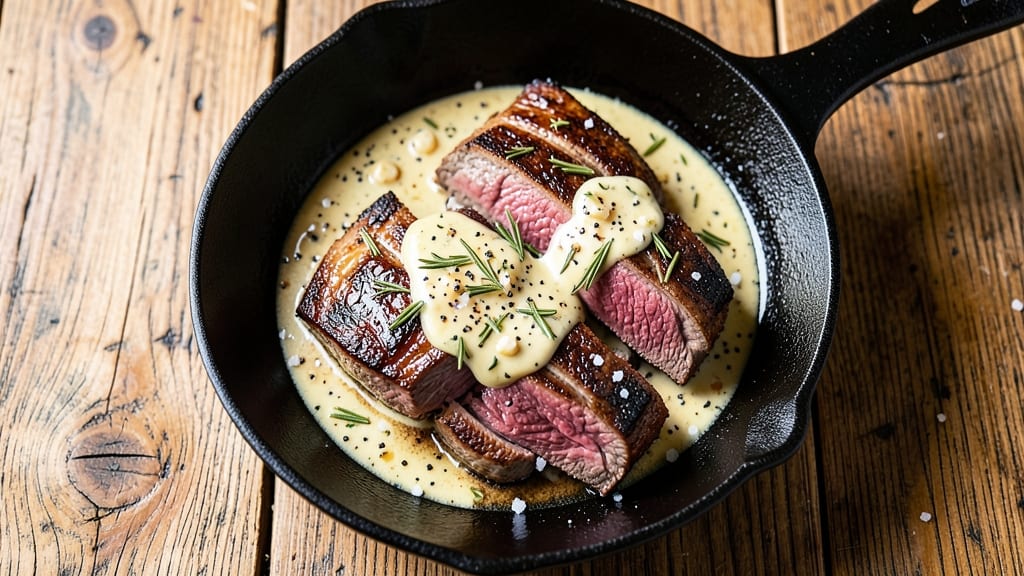
This oven-baked Angus beef steak recipe delivers the perfect marriage of buttery crust and juicy pink centers—no grill required. I've perfected this technique after years of testing, and it consistently yields steaks with restaurant-quality results at home. The secret lies in precise temperature control and proper resting, ensuring every bite is tender and flavorful.
What sets this recipe apart is the combination of a dry brine for enhanced tenderness and a high-heat oven finish that creates a beautiful crust. Unlike traditional grilling, baking allows for even cooking throughout the steak while keeping the process simple and mess-free.
With just a few key ingredients and careful timing, you'll achieve steaks that impress even the most discerning meat lovers.
By the time you're done, you'll have perfectly cooked steaks with a rich, caramelized crust and succulent centers that are just shy of well-done. The internal temperature will reach 130-135°F for medium-rare perfection, and the resting period ensures those juices stay locked inside.
This method transforms a simple protein into an elegant centerpiece for any meal.
Pair with classic sides like roasted garlic potatoes or grilled asparagus to complete the dining experience. The technique is straightforward, but the results are undeniably impressive—ideal for special occasions or when you want to elevate weeknight dinners. Let's get cooking!
Ingredients for angus beef steak recipe oven
Restaurant-quality steaks start with premium Angus beef and precise seasoning for that perfect crust.
| Ingredient | Amount | Notes |
|---|---|---|
| Angus Beef Steaks 🥩 | 1 ½ lb | 2 steaks, 1.5 inches thick, dry-brined overnight |
| Kosher Salt 🧂 | 2 tbsp | Diamond Crystal preferred, coarse grain |
| Freshly Ground Black Pepper 🌶️ | 1 tbsp | Cracked peppercorns preferred |
| Unsalted Butter 🧈 | ½ cup | Cold, cut into 8 pieces for crust |
| Garlic Cloves 🧄 | 6 cloves | Minced, for butter compound |
| Fresh Rosemary 🌿 | ¼ cup | Finely chopped, for butter compound |
| Fresh Thyme Leaves 🌿 | ¼ cup | Finely chopped, for butter compound |
| Extra-Virgin Olive Oil 🫒 | 2 tbsp | High smoke point, for searing |
| Vegetable Oil 🫒 | 1 tbsp | For oven rack stability |
| Baking Dish 🍽️ | 1 piece | Heavy gauge, oven-safe |
| Meat Thermometer 🌡️ | 1 piece | Instant-read preferred |
The quality of your Angus beef makes all the difference here. Look for USDA Prime or Choice grades with at least 1.5 inches of thickness—thinner cuts won't develop that coveted crust. Butcher shops or specialty grocers like Whole Foods or D'Artagnan carry the best cuts, though high-end supermarkets often stock premium Angus. The steaks should have good marbling (white flecks of fat) throughout the meat, which ensures juiciness. If your steaks arrive vacuum-sealed, remove them from the package at least 2 hours before cooking to allow for proper temperature equalization in the fridge.
No dry brine? Wet brine with 1/4 cup kosher salt per 2 cups water works in a pinch, but dry brining overnight is ideal for maximum tenderness. Short on rosemary or thyme? Fresh parsley works at double the amount, though it lacks the piney depth. The butter compound is non-negotiable—European-style unsalted butter like Plugrá or Kerrygold has higher fat content for better crust formation. For the oil, avocado oil has the highest smoke point if you're concerned about burning. And yes, you can use a regular baking dish, but a cast iron skillet with a lid is ideal for the oven finish if you have one.
Steaks should rest at room temperature for 1-2 hours before cooking—this ensures even doneness. The butter compound can be prepped 1 day ahead and stored in the fridge. Once cooked, steaks rest for 10-15 minutes before slicing to retain juices. Leftovers? Reheat gently in a skillet—microwaving makes them tough. For maximum flavor, portion the butter compound into small containers and freeze extras for up to 3 months. The dry-brined steaks actually keep better than regular steaks, staying tender for 4-5 days in the fridge when properly wrapped.
Why You'll Love This Recipe
- Foolproof Timing: I swear by this method—just season, sear, and bake. No hovering over a grill or guessing temperatures; the oven does all the heavy lifting while I sip my coffee.
- Butter-Garlic Magic: That first crack of butter and garlic on the steak? It’s like a flavor hug. The crust locks in the richness, and every bite tastes like a restaurant-quality melt.
- Weeknight Hero: Between us, this is my go-to for busy nights. Slice it for sandwiches, serve it as-is, or toss it into salads—it’s the one dish that never feels like a chore to pull together.
- Leftovers That Shine: Cook once, enjoy twice. The steak reheats beautifully for breakfast hash or lunch wraps, and honestly? The second day’s just as good as the first. No sad, dry meat here.
Step-by-step instructions for perfectly cooked Angus beef steaks
Master this technique and you'll achieve restaurant-quality steaks with a buttery crust and perfectly juicy centers every time.
Prepare the Herb Butter Compound
In a small mixing bowl, combine the 0.5 cup unsalted butter with the 6 cloves minced garlic, 0.25 cup finely chopped fresh rosemary, and 0.25 cup finely chopped fresh thyme leaves. Mix thoroughly with a fork until evenly distributed and the butter reaches a smooth, pale yellow consistency. This herb butter will create the signature crust while infusing flavor throughout the steaks.
Transfer the mixture to a small ramekin or shallow dish and refrigerate for at least 30 minutes until firm but still spreadable. The cold butter will adhere beautifully to the steaks when you're ready to cook. I like to press the mixture into a flat log shape for easier application later—this ensures even coverage on each steak.
Preheat and Season the Steaks
Preheat your oven to 425°F with the baking dish inside for 20 minutes. This ensures even heat distribution when you add the steaks. While the oven preheats, pat the 1.5 lb angus beef steaks completely dry with paper towels—this is critical for achieving that perfect crust. Season both sides generously with the 2 tbsp kosher salt and 1 tbsp freshly ground black pepper, pressing the seasoning into the meat.
Place the steaks on a wire rack set over a baking sheet (this allows air circulation for even cooking). Let them sit at room temperature for 30 minutes before cooking. This step is essential for uniform doneness—cold steaks take longer to cook through and can lead to overcooked exteriors before the centers reach temperature.
Sear and Create the Buttery Crust
Remove the steaks from the wire rack and place them in the preheated baking dish. Spread half of the herb butter compound evenly over the top of each steak, pressing gently to ensure full contact. The butter should melt slightly from the oven's heat, creating a thin coating that will develop into a golden crust.
Return the baking dish to the oven and bake for 10 minutes. This initial sear is crucial—you'll see the butter begin to bubble and the edges of the steaks turn golden brown. After 10 minutes, carefully flip each steak using tongs and spread the remaining herb butter over the newly exposed surfaces. Return to the oven for another 10 minutes.
Monitor Temperature and Finish Cooking
Use your meat thermometer to check the internal temperature of the steaks after the second 10-minute bake. For medium-rare doneness (the ideal texture for Angus beef), the temperature should reach 130-135°F at the thickest part of the steak. If the steaks haven't reached this temperature, continue baking in 5-minute increments until they do.
Here's the key: the steaks will continue cooking slightly after removal from the oven due to carryover heat. Remove them when they reach 125-130°F if you prefer a slightly cooler center. The crust should be deep golden brown with visible cracks—this indicates proper butter rendering and crust formation.
Rest and Serve with Confidence
Transfer the steaks to a cutting board and let them rest for 10-15 minutes before slicing. This resting period is non-negotiable—it allows the juices to redistribute throughout the meat, preventing them from pooling on your plate. Tent loosely with aluminum foil to keep warm during resting.
Slice the steaks against the grain into ½-inch thick pieces. Each slice should reveal a beautiful pink center with a buttery, herb-infused crust. The internal temperature should rise 5-10°F during resting, so your final doneness will be perfect. Serve immediately with your choice of sides to enjoy the full flavor experience.
Pro Tips For Making Angus Beef Steak Recipe Oven
- USE A CAST-IRON SKILLET FIRST: Start your steaks on high heat in a screaming-hot cast-iron pan for 2-3 minutes per side before finishing in the oven. I learned this the hard way—rushing straight to the oven leaves you with dull, gray steaks instead of the caramelized crust you’re after. The pan sear builds flavor and texture the oven alone can’t replicate.
- SALT THE STEAKS 40 MINUTES EARLY: Season your Angus steaks with kosher salt before bringing them to room temperature—let them sit uncovered on a wire rack for at least 40 minutes. This isn’t just about seasoning; it’s about drawing out moisture so the crust forms properly. I used to skip this, and my steaks always ended up soggy, no matter how hot the oven got.
- WATCH THE OVEN TEMP SWING: If your oven runs hot or cold, test it with an oven thermometer—Angus deserves a steady 400°F (200°C) for that perfect medium-rare finish. I once burned a batch because my oven was actually 450°F, and by the time I realized, the steaks were leather. A quick check saves you from disaster.
- SMASH THE GARLIC FIRST: Peel and smash the garlic cloves with the flat side of your knife before adding them to the butter—this releases more flavor and prevents burning. I was skeptical until I tried it; now I never go back to mincing. Just don’t skip the butter—it’s what carries that garlic goodness onto the steak.
Creative variations of this recipe
Portland-Style Coffee Rub
Channel Pacific Northwest flavors with a bold coffee rub that pairs perfectly with Angus beef. Mix 2 tbsp finely ground dark roast coffee (I love Stumptown or Heart Coffee from Portland) with 1 tbsp smoked paprika, 1 tsp brown sugar, and ½ tsp coarse sea salt.
Rub this mixture over steaks before the herb butter—it adds a deep, smoky complexity that complements the buttery crust. The coffee grounds can be discarded after application, so no extra cleanup. 🌟
Bourbon-Glazed Crust
For a decadent Southern twist, replace half the herb butter with a bourbon glaze. Simmer ¼ cup bourbon (I prefer Woodford Reserve) with 1 tbsp balsamic vinegar and 1 tsp maple syrup until reduced by half.
Brush this glaze over steaks during the final 5 minutes of baking. The caramelized glaze adds a sweet-savory depth that pairs beautifully with the herb butter. Save any leftover glaze for drizzling over mashed potatoes. 🥃
Asian-Inspired Ginger-Soy Crust
Swap the herb butter for a vibrant Asian-inspired crust by mixing ½ cup unsalted butter with 2 tbsp soy sauce, 1 tbsp grated fresh ginger, 1 tbsp honey, and 1 tsp sesame oil.
This fusion twist adds umami and sweetness that cuts through the richness of the beef. Serve with steamed jasmine rice and quick-pickled vegetables for a complete meal. The ginger also helps tenderize the meat slightly during cooking. 🌶️
Smoked Paprika & Chili Flare
For a spicy kick, add 1 tbsp smoked paprika and ½ tsp cayenne pepper to your herb butter mixture. This Southwestern-inspired variation adds heat and depth that pairs exceptionally well with the beef's natural richness.
To balance the spice, serve with cooling sides like avocado slices or a creamy chimichurri sauce. The smoky paprika also enhances the crust's color, giving it a deeper, more pronounced hue. 🌶️
Classic Red Wine Reduction
Elevate your steak night with a rich red wine reduction. Deglaze the baking dish after removing the steaks with ½ cup dry red wine (like Pinot Noir or Cabernet Sauvignon) and 1 tbsp beef stock.
Simmer until reduced by half, then drizzle over sliced steaks. This luxurious touch transforms your dish into a restaurant-worthy main course. The wine's acidity also helps cut through the richness, balancing the meal beautifully. 🍷
Herb Butter Variations
Customize your herb butter to match your favorite flavors. Swap rosemary and thyme for fresh tarragon and chives for a brighter, more delicate flavor profile. Or try lemon zest and parsley for a citrusy twist that pairs wonderfully with the beef's richness.
For a Mediterranean touch, add dried oregano and a pinch of cinnamon**—unexpected but delicious. Each variation adds a unique dimension to the classic crust. ✨
Nutrition facts
Frequently asked questions
Why do you recommend dry-brining the steaks overnight?
Dry-brining for 12-24 hours transforms the steaks by drawing moisture to the surface, creating that coveted crust while keeping the interior juicy. The salt also breaks down proteins slightly, resulting in a more tender texture. For busy schedules, a 4-hour wet brine (1/4 cup salt per 2 cups water) works in a pinch, but dry-brining delivers superior results.
Can I use thinner steaks (under 1.5 inches) with this method?
Thinner steaks (less than 1.25 inches) will cook too quickly and risk overcooking before the crust forms. For thinner cuts, reduce oven temperature to 375°F and bake for 8-10 minutes total, flipping once at 5 minutes. Use a meat thermometer to pull them at 125°F for medium-rare. The butter crust will still form but may be slightly less pronounced.
What's the best way to reheat leftover steaks?
Never microwave—it makes steaks tough. Instead, slice the steaks and reheat in a skillet over medium-low heat with a splash of beef stock or water for 2-3 minutes per side. For oven reheating, wrap slices in foil with a pat of butter and bake at 300°F for 10 minutes. The goal is to gently warm without drying out. Leftovers keep 3-4 days in the fridge when properly wrapped.
How do I adjust for different doneness levels?
Use these target temperatures: medium-rare (130-135°F), medium (140-145°F), medium-well (150-155°F). For well-done (160°F+), reduce oven temp to 350°F and bake 5 minutes longer per side. Remember: steaks rise 5-10°F during resting, so pull them 5°F below your target. The herb butter adds moisture, so doneness may appear slightly darker than traditional methods.
Can I make this recipe with a cast iron skillet?
Preheat your skillet in the oven at 425°F for 20 minutes, then place steaks inside with the butter compound. Cover with the lid and bake for 10 minutes per side, checking temps with a thermometer. The skillet's even heat distribution works beautifully for this method. Just ensure your skillet has oven-safe handles—cast iron is ideal for this technique.