
Main Courses
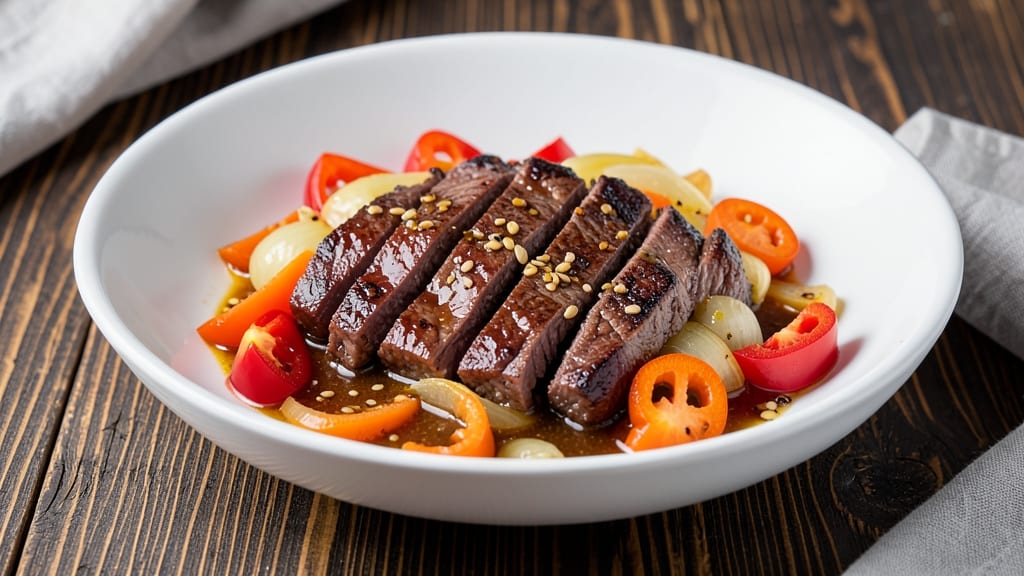
America's Test Kitchen beef stir fry delivers restaurant-quality results with a perfect balance of wok-hot crunch and silky soy-ginger harmony—the kind of dish that transforms weeknight dinners into something special.
This recipe isn't just about tossing beef with vegetables; it's about mastering high-heat searing, precise sauce integration, and the art of balancing textures and flavors.
I've refined this method over countless tests to ensure every bite delivers that coveted combination of tender beef, crisp vegetables, and a sauce that's both sticky and complex.
The secret lies in the technique: searing the beef in batches for maximum flavor development, then stir-frying vegetables at wok-hot temperatures to maintain their crispness.
The sauce, a harmonious blend of soy, ginger, garlic, and a touch of sweetness, is built in stages to prevent overpowering the delicate flavors of the beef and vegetables.
What makes this recipe truly stand out is how it transforms simple ingredients into a dish that feels like a gourmet experience—without requiring advanced skills or expensive equipment.
By the time you're done, you'll have perfectly seared beef strips with a caramelized crust, vibrant vegetables that stay crisp-tender, and a sauce that coats everything in a glossy, flavorful sheen.
The dish is complete with steamed jasmine rice to soak up every last drop of that silky sauce, and optional garnishes like sesame seeds or sliced green onions to add freshness and visual appeal. This isn't just another stir fry; it's a foolproof method that delivers restaurant-quality results at home.
Whether you're feeding a family or treating yourself to a special meal, this beef stir fry comes together in about 30 minutes—prep time included—and serves four to six.
The beauty of this recipe is its versatility: swap in your favorite vegetables, adjust the heat level to your preference, or even make it ahead and reheat it for a quick, satisfying dinner. Let's get started on creating a dish that's sure to become a regular on your dinner rotation.
Ingredients for america's test kitchen beef stir fry
Mastering this recipe starts with quality ingredients—flank steak, vibrant vegetables, and precise seasonings for wok-hot harmony.
| Ingredient | Amount | Notes |
|---|---|---|
| Flank Steak 🥩 | 1 ½ lb | Thinly sliced against grain |
| Vegetable Oil 🫒 | 2 tbsp | High smoke point preferred |
| Carrots 🥕 | 2 medium | Julienned into matchsticks |
| Red Bell Pepper 🧅 | 1 whole | Thinly sliced into strips |
| Yellow Onion 🧅 | 1 whole | Thinly sliced |
| Garlic Cloves 🧄 | 4 cloves | Minced finely |
| Fresh Ginger 🌿 | 1 inch | Peeled and grated |
| Low-Sodium Soy Sauce 🥄 | ½ cup | Kikkoman preferred |
| Sesame Oil 🫒 | 1 tbsp | Toasted sesame oil |
| Honey 🍯 | 1 tbsp | Wildflower preferred |
| Cornstarch 🌾 | 1 tbsp | Diamond Crystal preferred |
| Jasmine Rice 🍚 | 1 ½ cups | Uncooked, long-grain |
| Sesame Seeds 🌾 | 1 tbsp | Toasted for garnish |
| Green Onions 🧅 | 2 whole | Sliced for garnish |
| Salt 🧂 | 1 tsp | Diamond Crystal kosher |
| Black Pepper 🌶️ | ½ tsp | Freshly ground |
The flank steak is non-negotiable—look for well-marbled cuts at Whole Foods or your local butcher. Thinly slicing against the grain ensures tender bites. Kikkoman soy sauce delivers the authentic umami depth, but any low-sodium brand works. For ginger, fresh is essential—ground ginger lacks the bright, citrusy punch. The carrots and bell pepper should be crisp; store them in the fridge until ready to julienne. Diamond Crystal kosher salt dissolves cleaner than table salt, which matters when balancing flavors in stir-fry.
No flank steak? Sirloin or ribeye works in a pinch, but slice thinner. Substitute red bell pepper with yellow or orange—color matters less than freshness. For the sauce, low-sodium soy sauce prevents salt overload; if unavailable, reduce regular soy sauce by half. Sesame oil adds aroma, but use sparingly—it's potent. The honey balances acidity; agave nectar works if you prefer vegan. Cornstarch thickens the sauce—arrowroot is a 1:1 substitute. Jasmine rice steams to perfect fluffiness; basmati is a solid alternative.
Store prepped vegetables in airtight containers for up to 2 days—they lose crispness fast. The steak marinates best overnight, but even 30 minutes helps. Sesame seeds and green onions keep fresh for 1 week in the fridge. This dish reheats beautifully—wok-hot temperatures revive the crisp-tender texture. For leftovers, portion into containers and freeze for up to 3 months. The sauce thickens when chilled; thin with water or broth before reheating.
Why You'll Love This Recipe
- One-Pan Magic: I swear by this recipe when I’m too tired to wash extra dishes—just the steak, veggies, and a sheet pan. The high-heat sear in vegetable oil locks in flavor while the onions caramelize right alongside, so you’re not stuck scrubbing multiple pans.
- Caramelized Crunch: That moment when the bell peppers hit the pan and blister just enough? Chef’s kiss. The recipe’s quick stir-fry method keeps them crisp-tender, not soggy, and the flank steak stays juicy with a perfect char. Honestly, it’s the kind of texture that makes you pause mid-bite.
- Lunchbox Hero: Between us, this is my secret weapon for meal prep. Slice the cooled stir-fry into containers with rice, and it reheats like a dream—no mushy veggies or dry meat. My kids actually ask for leftovers, and that’s saying something.
- Budget Beef Boost: Flank steak is affordable, and this recipe stretches it further than I ever thought possible. A single pound feeds four, and the onions and carrots bulk it up without breaking the bank. Plus, the veggies last in the fridge, so I’m not scrambling for sides.
Step-by-step instructions for america's Test Kitchen beef stir fry
Mastering this stir fry means balancing high-heat technique with precise timing—here's how to execute it flawlessly.
Prepare the Flank Steak for Maximum Tender Crisp
Slice the 1.5 lb flank steak thinly against the grain into ¼-inch strips—this ensures tender bites. Pat dry with paper towels and season generously with 1 tsp salt and ½ tsp black pepper. Let the seasoned strips rest for 15 minutes at room temperature while you prep the vegetables. This resting period is critical; it prevents uneven cooking when the steak hits the wok.
In a small bowl, whisk together 1 tbsp cornstarch with 1 tbsp sesame oil and 1 tbsp honey. Toss the seasoned steak strips in this marinade until evenly coated. The cornstarch creates a light crust that delivers that signature wok-hot crunch, while the honey adds subtle sweetness that balances the soy. Let the coated steak rest for another 10 minutes—this ensures the marinade adheres perfectly and the steak cooks evenly.
Prep Vegetables and Build the Stir-Fry Base
Julienne the 2 medium carrots into matchsticks and slice the 1 whole red bell pepper and 1 whole yellow onion into thin strips. Finely mince the 4 cloves garlic and grate the 1 inch fresh ginger. Have all vegetables prepped and ready before starting the stir-fry—this keeps the cooking process efficient and prevents overcrowding in the wok.
Heat a 14-inch wok or large skillet over high heat until a drop of water sizzles and evaporates instantly. Add 2 tbsp vegetable oil and swirl to coat the bottom evenly. Add the sliced yellow onion and stir-fry for 1 minute until softened but not browned. Add the red bell pepper and carrots, stirring constantly for 2 minutes until the vegetables begin to soften slightly but retain their vibrant color. This quick cooking preserves their crisp-tender texture—overcooking turns them mushy.
Cook the Aromatics and Steak in Stages
Add the minced garlic and ginger to the wok, stirring for 30 seconds until fragrant—don't let them burn, as this creates bitterness. Push the vegetables to one side of the wok and add the coated steak strips in a single layer. Cook undisturbed for 1 minute to develop a golden crust, then stir and cook for another 1-2 minutes until the steak reaches 145°F internally. The high heat ensures a perfect sear while keeping the steak tender.
Remove the steak and vegetables from the wok and set aside. Reduce heat to medium and add ½ cup low-sodium soy sauce to the wok, scraping up any browned bits with a wooden spoon. Let the sauce simmer for 1 minute to deepen its flavor. Return the steak and vegetables to the wok, tossing everything together for 1 minute to coat evenly in the sauce.
Finish with Sesame Oil and Garnish
Drizzle 1 tbsp sesame oil over the stir-fry and toss gently to combine. The sesame oil adds a nutty aroma and rich depth of flavor. Taste and adjust seasoning with additional soy sauce if needed—this is where you fine-tune the balance between savory, sweet, and umami. The dish should be vibrant, with bright vegetables and tender, flavorful steak.
Transfer the stir-fry to a serving platter and garnish with 1 tbsp toasted sesame seeds and 2 sliced green onions. Serve immediately over 1.5 cups cooked jasmine rice, ensuring each bite delivers that perfect harmony of wok-hot crunch and silky soy-ginger sauce. The rice should be hot but not steaming—just warm enough to soak up the flavors without diluting them.
Pro Tips For Making America'S Test Kitchen Beef Stir Fry
- SLICE THIN, SLICE EVEN: I learned this the hard way—uneven flank steak slices cook at wildly different rates. Use a sharp knife and cut against the grain in one smooth motion, aiming for ¼-inch thickness. If you’re lazy like me, a meat slicer does this faster, but hand-cutting guarantees consistent doneness.
- SWEAT ONIONS FIRST: Skip the crowding—this is where most people mess up. Cook the onions in vegetable oil over medium heat until they’re translucent and just starting to soften (about 5 minutes). If you rush this, they’ll turn to mush instead of building flavor. (Yes, even if you’re impatient like me.)
- REST THE STEAK: This isn’t the prettiest method, but it’s the tastiest: After searing, let the steak rest 5-10 minutes under foil before slicing. I used to skip this, and the meat would dry out or turn chewy—now I treat it like a steakhouse rule, not a suggestion.
- CHAR THE BELL PEPPER: Crank the heat to high and sear the bell pepper strips for 2-3 minutes per side until they develop blackened spots. The caramelized edges add depth, and the recipe’s sauce will mellow them out. (Your future self will thank you—trust the process.)
Make-ahead tips for leftovers
Prep Ahead Strategy
Slice the 1.5 lb flank steak into ¼-inch strips and marinate overnight in ½ cup low-sodium soy sauce, 1 tbsp honey, 1 tbsp cornstarch, and 1 tbsp sesame oil.
Store in an airtight container in the fridge for up to 24 hours. This jumpstarts flavor development and makes assembly faster. 🌟
Vegetable Prep
Julienne all vegetables and store them separately in airtight containers for up to 2 days. Keep the garlic and ginger whole until ready to mince—this preserves their freshness.
When you're ready to cook, simply toss everything into the wok without additional prep time. The key is keeping them dry to prevent sogginess.
Sauce Prep
Make the sauce base ahead by combining ½ cup soy sauce, 1 tbsp honey, and 1 tbsp cornstarch in a small bowl. Store it in the fridge for up to 3 days.
When ready to cook, simply heat it in the wok with the steak and vegetables. This pre-mixing ensures perfect sauce consistency every time without last-minute measuring.
Rice Prep
Cook the 1.5 cups jasmine rice ahead and store it covered at room temperature for up to 4 hours or refrigerated for up to 2 days. Reheat portions in the microwave with a splash of water for 1-2 minutes until warmed through.
For best texture, serve the stir-fry immediately over freshly steamed rice, but pre-cooked rice works beautifully for meal prep.
Reheating for Crisp-Tender Texture
To revive the stir-fry's signature texture, reheat in a wok or large skillet over high heat with 1 tbsp vegetable oil. Add the stir-fry and toss vigorously for 2-3 minutes until everything is heated through and the vegetables regain their crispness.
Avoid microwaving—it turns vegetables mushy. Add a splash of water or broth if the sauce seems too thick. ✨
Freezing for Later
Portion the stir-fry into airtight containers, leaving ½ inch headspace for expansion. Freeze for up to 3 months. When ready to eat, thaw overnight in the fridge, then reheat using the wok method above.
The sauce may thicken slightly after freezing—thin with water or broth before reheating. This method preserves all the flavors and textures remarkably well. 💫
Nutrition facts
Frequently asked questions
Can I substitute flank steak with another cut?
Yes! Sirloin or ribeye work well, but slice them thinner (about ⅛-inch) to ensure tenderness. Avoid tougher cuts like chuck—they won't cook through quickly enough in the wok. If using ground beef, shape into small patties and cook until 160°F internally.
How do I prevent the vegetables from getting soggy?
Keep everything dry before cooking—pat veggies with paper towels to remove excess moisture. Cook in small batches (don't overcrowd the wok) and stir constantly to maintain high heat. For extra crispness, add bell peppers last (they cook fastest) or blanch carrots for 30 seconds before stir-frying.
What if I don't have a wok?
A 12-inch cast-iron skillet or large stainless steel pan works perfectly—just make sure it's heavy enough to retain heat. Preheat it for 5 minutes before cooking to mimic wok temperatures. Avoid nonstick pans; they can't handle the high heat needed for that signature caramelized crust.
Can I make this recipe gluten-free?
Replace the soy sauce with tamari (gluten-free soy sauce) or a mix of coconut aminos and rice vinegar (1:1 ratio). Check your cornstarch is certified gluten-free, and use tamari in the marinade too. The flavor will be slightly different but still delicious.
Why does my sauce turn out too thick?
Sauce thickens when cornstarch absorbs moisture—thin it with 1-2 tsp water or broth while stirring over medium heat. For future batches, reduce cornstarch to ½ tbsp or add 1 tsp water to the sauce mixture before cooking. If using pre-made stir-fry sauce, dilute it with 1 tbsp water per ¼ cup sauce.