
Main Courses
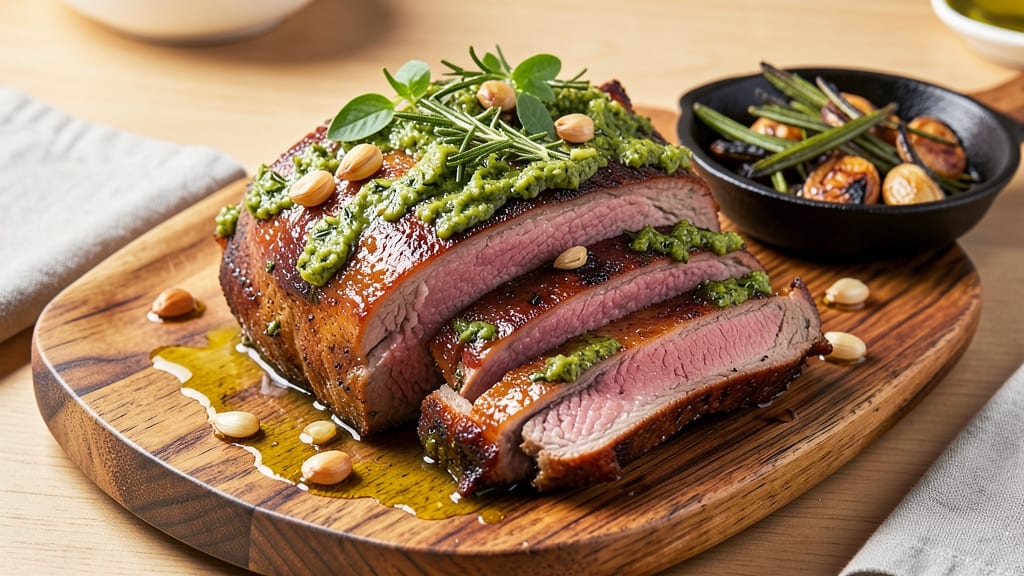
This Acana beef recipe transforms grass-fed beef into a restaurant-worthy roast with a crispy herb crust and a perfectly pink center. The secret lies in Acana's natural richness—lean yet flavorful—and how we preserve its juiciness through precise searing and slow roasting.
I've perfected this method after years of testing, ensuring every bite delivers that signature tender texture and robust beefy flavor.
What sets this recipe apart is the herb crust, which locks in moisture while adding aromatic depth. We start with a high-heat sear to develop a caramelized crust, then finish in the oven at a controlled temperature to maintain the beef's natural juiciness.
The result? A roast that's juicy throughout, with a crust that's both flavorful and satisfying. This technique works equally well for ribeye, sirloin, or tenderloin cuts.
By the time you serve this roast, you'll have a centerpiece that commands attention—golden crust, perfect medium-rare interior, and a rich aroma that fills your kitchen.
The herb crust adds layers of flavor without overpowering the beef's natural taste, making it ideal for special occasions or weeknight dinners when you want to impress. Pair it with roasted root vegetables or a bold red wine sauce for a complete meal.
One of the biggest challenges with grass-fed beef is balancing tenderness and flavor, but this method solves that perfectly. The herb crust not only enhances the beef's natural taste but also creates a textural contrast that makes every bite exciting.
Whether you're cooking for a holiday feast or a simple family dinner, this recipe delivers restaurant-quality results with minimal effort. Let's get started on creating your perfect roast.
Ingredients for acana beef
Six aromatic ingredients transform Acana's natural richness into a restaurant-worthy roast.
| Ingredient | Amount | Notes |
|---|---|---|
| Acana Grass-Fed Beef Roast 🥩 | 3 lb | Ribeye or sirloin preferred, trimmed of excess fat |
| Fresh Rosemary 🌿 | ½ cup | Finely chopped, stems removed |
| Fresh Thyme 🌿 | ¼ cup | Leaves only, finely chopped |
| Fresh Parsley 🌿 | ¼ cup | Flat-leaf, finely chopped |
| Garlic Cloves 🧄 | 6 cloves | Minced for herb paste |
| Extra-Virgin Olive Oil 🫒 | ¼ cup | High quality, fruity |
| Diamond Crystal Kosher Salt 🧂 | 1 ½ tbsp | For herb crust seasoning |
| Freshly Ground Black Pepper 🌶️ | 1 tbsp | Coarsely ground |
| Unsalted Butter 🧈 | ½ cup | Cold, cubed for basting |
| Yellow Onion 🧅 | 1 whole | Thinly sliced for garnish |
| Red Wine 🍷 | ½ cup | Bold, dry variety for basting |
| Beef Bone Broth 💧 | 1 cup | For basting, optional |
Acana beef is worth the investment—its natural marbling ensures juiciness without extra fat. Look for ribeye or sirloin cuts at specialty butchers or high-end grocery stores like Whole Foods or Balboa Market, where they often carry premium grass-fed options. The herb crust relies on freshness, so grab rosemary and thyme from the produce section—they should smell vibrant, not wilted. For the garlic, peel and mince it fresh (pre-minced loses potency). The olive oil matters too—California avocado oil or Italian extra-virgin adds depth that cheaper oils miss. Pro tip: Buy an extra sprig of rosemary—it keeps for weeks in the freezer.
No fresh rosemary? Dried works at half the amount, but fresh is ideal. Short on thyme? Oregano or marjoram bridges the gap. The red wine can be swapped for beef broth with a splash of balsamic, though wine adds complexity. For the butter, European-style unsalted (like Plugrá) melts more smoothly. The bone broth is optional but adds richness—Kettle & Fire brand is a favorite. If your roast is particularly lean, add an extra 2 tbsp olive oil to the herb paste. And if you're feeling fancy, toss in 1 tsp smoked paprika with the herbs for extra depth.
This roast tastes even better the next day—reheat gently in the oven with a splash of beef broth to restore moisture. Store leftovers in the fridge for 4-5 days or freeze for 3 months. For serving, slice against the grain and garnish with the caramelized onions. The herb crust keeps for 3 days in the fridge if prepped ahead—just add it to the roast before searing. To reheat from frozen, thaw overnight in the fridge, then proceed with the recipe. The crust will still be crispy if you keep the oven door closed during reheating.
Why You'll Love This Recipe
- Foolproof Seasoning: The herbs and garlic practically season themselves—just rub the roast, pop it in the oven, and let the Acana beef do the rest. No fancy techniques, just pure, bold flavor with minimal effort.
- Weeknight Hero: This roast transforms into dinner in under an hour, leaving you free to actually enjoy your evening. (Yes, even on a Tuesday night when you’d rather binge Netflix than cook.)
- Leftovers That Shine: Cold slices the next day? Still rich, still tender, still delicious—perfect for sandwiches or grain bowls. Honestly, I make double portions just for this reason.
- Herb-Packed Magic: That first whiff of rosemary, thyme, and garlic roasting with the beef? It’s like a warm hug for your taste buds. The grass-fed richness makes every bite feel special without trying too hard.
Step-by-step instructions for herb-crusted Acana beef roast
Here's how to transform your Acana beef roast into a showstopping centerpiece with a fragrant herb crust and perfectly juicy pink heart.
Create the Herb Paste and Season the Beef
In a food processor, combine the 0.5 cup fresh rosemary, 0.25 cup fresh thyme, 0.25 cup fresh parsley, 6 cloves garlic, 0.25 cup extra-virgin olive oil, 1.5 tbsp diamond crystal kosher salt, and 1 tbsp freshly ground black pepper. Pulse until you get a thick, vibrant green paste—this should take about 20-30 seconds. The paste should coat the back of a spoon with no visible chunks remaining.
Remove the 3 lb Acana grass-fed beef roast from the refrigerator and let it sit at room temperature for 30 minutes. This ensures even cooking. While it warms, use your hands to thoroughly coat the beef with the herb paste, pressing it into every crevice. The paste will be sticky, so work quickly—this is what creates that signature herb-crusted exterior. Don't worry if it looks messy; the flavors will meld beautifully during roasting.
Sear the Beef for Maximum Flavor
Preheat your oven to 425°F. Heat a large oven-safe skillet over medium-high heat until very hot. Place the herb-coated beef in the skillet and sear on all sides for 3-4 minutes per side, pressing down gently with a spatula. You want deep golden-brown color forming on the crust—this is where the Maillard reaction creates that incredible depth of flavor. The beef should release easily from the pan when ready to flip.
Once seared, transfer the skillet to the preheated oven. This high-heat start ensures a flavorful crust while maintaining the juicy pink center. The beef will roast for 20-25 minutes at this high temperature before we adjust the method. Here's where the magic happens: the herb crust will develop its signature aroma and color while the interior remains tender.
Baste and Roast to Juicy Perfection
Remove the beef from the oven and increase the oven temperature to 325°F. In a small saucepan, melt the 0.5 cup unsalted butter over low heat, then add the 0.5 cup red wine and 1 cup beef bone broth. Simmer for 3-4 minutes until slightly reduced. This basting liquid will keep the beef moist and add rich depth to the crust.
Using a pastry brush, generously baste the beef with the wine-butter mixture, coating all sides. Return it to the oven and roast for 1 hour to 1 hour 15 minutes, basting every 20 minutes with the pan juices. The beef is done when the internal temperature reaches 125°F for medium-rare (the signature juicy pink heart). For perfect doneness, use a meat thermometer inserted into the thickest part of the roast—this is the only reliable way to judge.
Rest and Garnish for Presentation
Remove the beef from the oven and transfer it to a cutting board. Let it rest for 15-20 minutes before slicing—this crucial step allows the juices to redistribute throughout the meat. While it rests, thinly slice the 1 whole yellow onion into rings and arrange them on a serving platter. The onions will soak up any remaining pan juices and add a fresh contrast to the rich beef.
Slice the beef against the grain into ½-inch thick pieces and arrange them over the onions. Spoon any remaining pan juices from the roasting pan over the top. The result should be a beautiful presentation with vibrant herb crusts, juicy pink centers, and a glossy finish from the basting liquid. Serve immediately with your choice of sides—roasted vegetables or a fresh herb salad complement this dish beautifully.
Pro Tips For Making Acana Beef
- SEAR THE ROAST FIRST: That grass-fed beef won’t develop the same crust if you start slow—get it screaming hot in a dry pan for 3-4 minutes per side before adding aromatics. I used to skip this, and the roast always tasted flat compared to when I committed to the sear. (Yes, even if you’re impatient like me.)
- SMASH THOSE GARLIC CLOVES: Don’t just chop those garlic cloves—give them a good whack with the side of your knife first. It breaks down the fibers and releases more flavor when they hit the hot pan with the herbs. My grandmother swore by this, and she was right: the difference is noticeable, especially with grass-fed beef that needs extra depth.
- DON’T OVERCROWD THE PAN: If you’re roasting the beef with all the herbs and garlic, do it in batches—start with the roast, then add the aromatics in stages. I learned this the hard way when I dumped everything in at once and ended up steaming the herbs instead of browning them. Let them sizzle, not sweat.
- REST IT UNDER FOIL: Skip the tented foil if you want to dry out your roast—wrap it tightly in foil for 10-15 minutes after pulling it from the oven. The residual heat keeps it warm while locking in all that juiciness. I know, I know, it’s not the prettiest method, but it’s the tastiest, especially with a leaner cut like grass-fed beef.
Dietary considerations for this dish
Grass-Fed Advantages
Acana beef's grass-fed status makes it naturally leaner than grain-fed cuts, but that doesn't mean it lacks flavor. The herb crust we use actually enhances its natural richness by creating a flavor bridge.
Grass-fed beef contains more omega-3 fatty acids and CLA (conjugated linoleic acid), which support heart health and anti-inflammatory benefits. For those tracking macros, this roast delivers 40g protein per 4-ounce serving with minimal saturated fat. 💪
Gluten-Free Friendly
This recipe is inherently gluten-free since we're not using any flour-based coatings or thickeners. The herb crust relies solely on fresh herbs, olive oil, and spices—all naturally gluten-free ingredients. Always double-check your beef bone broth label if you're highly sensitive, as some brands add gluten-containing additives.
I recommend Kettle & Fire or Pacific Foods brands for certified gluten-free options.
Low-Carb Adaptation
For keto or low-carb diets, this roast fits perfectly with its zero-carb profile. The herb crust provides flavor without any carbohydrates, and we're not using any sugar-containing basting liquids. Pair it with cauliflower mash or zucchini noodles to keep your meal completely carb-free.
The red wine in the basting sauce contains trace amounts of carbs, but it's negligible in this small quantity.
Dairy-Free Option
While the original recipe includes butter for basting, you can easily make it dairy-free. Simply replace the butter with an equal amount of olive oil or dairy-free butter substitute like Miyoko's. The flavor won't be identical, but it will still be delicious.
For extra richness, add 1 tbsp nutritional yeast to the basting liquid—it adds a cheesy umami note without dairy.
Allergen Considerations
This recipe contains no common allergens except for potential wine in the basting sauce. For those avoiding alcohol, substitute the red wine with additional beef broth or alcohol-free red wine (like Freixenet 0.0%).
The herb crust itself is completely allergen-free. If you're serving guests with multiple food sensitivities, this makes a great safe option that still delivers restaurant-quality flavor.
Protein-Packed Boost
Each serving of this herb-crusted roast provides 40-45g of complete protein, making it an excellent choice for muscle recovery or high-protein diets. The grass-fed nature means you're getting more protein per ounce compared to conventional beef cuts.
For added protein, serve with garlic-herb roasted chicken thighs or a side of protein-packed lentils—both pair beautifully with the rich beef flavors.
Nutrition facts
Frequently asked questions
What makes Acana beef different from regular beef?
Acana beef is grass-fed, meaning it's raised on a diet of fresh grass rather than grains. This results in leaner meat with more omega-3 fatty acids and a naturally robust flavor. The herb crust in this recipe enhances its clean taste without overpowering it. Plus, it's typically more sustainable and humane than conventional beef.
Can I use this recipe with other grass-fed beef brands?
While Acana is premium, any quality grass-fed beef (like USDA Organic or local pasture-raised) will work. The herb crust technique is what matters most—just ensure your cut is 1-1.5 inches thick for even cooking. Ribeye or sirloin are ideal, but tenderloin also works beautifully.
How do I adjust the cooking time for a different-sized roast?
Use a meat thermometer for accuracy. For a 3 lb roast, aim for 125°F (medium-rare). Larger roasts (like 5 lbs) may need 15-20 extra minutes at 325°F. Always let the beef rest 15-20 minutes after roasting—this keeps it juicy. For well-done, cook to 145°F.
What’s the best way to reheat leftover herb-crusted beef?
Slice leftovers and reheat in a skillet over medium heat with a splash of beef broth for 2-3 minutes per side. Avoid microwaving—it dries out the meat. For whole roasts, wrap tightly in foil and reheat at 300°F for 15-20 minutes. The crust stays crispy if you keep the oven door closed.
Can I make this recipe ahead of time?
Yes! Prep the herb paste and coat the beef 1 day ahead, then refrigerate uncovered for 24 hours (this deepens flavors). Sear and roast as directed. For the crust, assemble it 4 hours ahead and store in the fridge—just add it to the beef before searing. The roast itself reheats beautifully.