
Soups & Stews
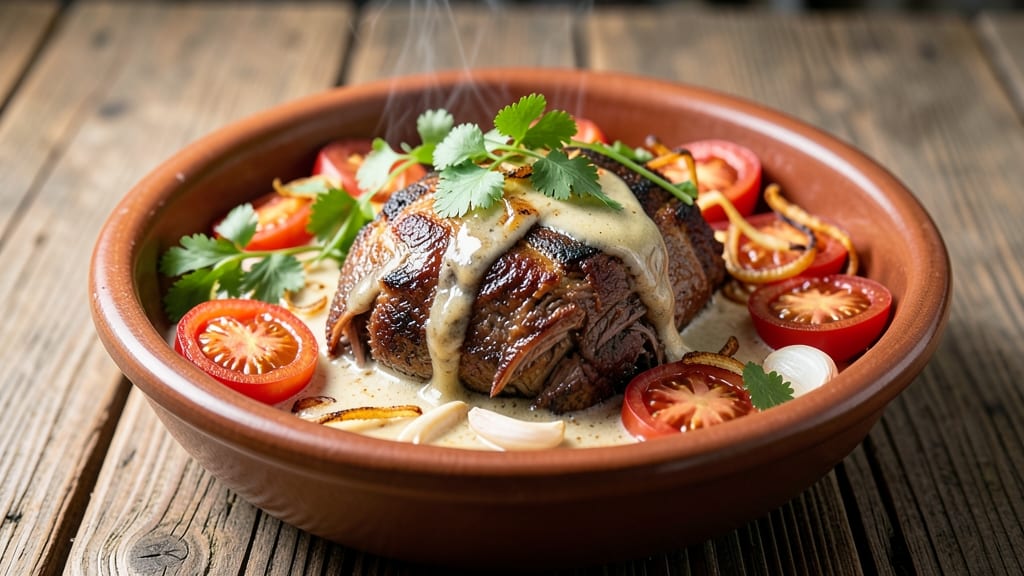
This beef bafat recipe transforms tough cuts into melt-in-your-mouth tenderness through slow-braised spice harmony. The secret lies in marinating beef with aromatic spices like cumin, coriander, and bay leaves before braising it with coconut milk—a technique rooted in Middle Eastern traditions.
What makes this dish special is how the spices meld with the rich coconut broth, creating layers of flavor that elevate simple ingredients into something extraordinary.
The process begins with marinating the beef overnight, allowing the spices to penetrate deeply. After searing for a caramelized crust, the beef braises slowly until fork-tender, absorbing the fragrant coconut milk and spiced broth.
This method ensures every bite delivers both robust beef flavor and delicate coconut sweetness in perfect balance. The result is a dish that feels both comforting and sophisticated.
By the time you serve this beef bafat, you'll have a one-pot wonder that pairs beautifully with basmati rice, warm flatbread, or a fresh salad. The aromatic spices and creamy coconut sauce make it ideal for family dinners or special occasions.
Each component comes together seamlessly, delivering restaurant-quality results without the fuss.
The beauty of this recipe lies in its versatility—adjust spice levels to taste or add vegetables like potatoes and carrots for extra heartiness. Whether you're introducing Middle Eastern flavors to your menu or simply craving a rich, slow-cooked meal, this beef bafat delivers satisfaction in every bite.
Let's create this flavorful masterpiece together.
Ingredients for beef bafat
Sixteen ingredients blend Middle Eastern spices with tender beef and rich coconut for a restaurant-quality one-pot masterpiece.
| Ingredient | Amount | Notes |
|---|---|---|
| Beef Chuck Roast 🥩 | 3 lb | With visible fat marbling |
| Coconut Milk 🥥 | 2 cans | Full-fat, 13.5 oz each |
| Yellow Onion 🧅 | 1 whole | Medium size, sliced |
| Garlic Cloves 🧄 | 6 cloves | Peeled and minced |
| Fresh Ginger 🌿 | 2 tbsp | Finely grated |
| Ground Cumin 🌿 | 1 tbsp | Toasted for depth |
| Ground Coriander 🌿 | 1 tbsp | Freshly ground preferred |
| Bay Leaves 🌿 | 2 whole | Dried, standard size |
| Ground Turmeric 🌶️ | ½ tsp | Bright yellow color |
| Ground Black Pepper 🌶️ | ½ tsp | Freshly cracked |
| Salt 🧂 | 1 ½ tsp | Kosher or sea salt |
| Vegetable Oil 🫒 | 2 tbsp | High smoke point |
| Fresh Cilantro 🌿 | ¼ cup | Chopped for garnish |
| Lemon Juice 🍋 | 2 tbsp | Freshly squeezed |
The beef cut is everything here—chuck roast with visible marbling delivers that melt-in-your-mouth texture. Most grocery stores carry it pre-cut, but if buying whole, look for well-marbled pieces at the butcher counter. For coconut milk, full-fat canned versions like Thai Kitchen or Goya work best—they create a luxurious sauce. Fresh ginger and garlic should smell vibrant, not musty. If using dried spices, toast them in a dry pan for 30 seconds to awaken their flavors before grinding. Penzeys Spices or bulk bins at Whole Foods are great for quality aromatic blends.
No fresh ginger? Substitute with 1 tbsp ground ginger, but reduce by half. Running low on bay leaves? Dried thyme at one-third the amount mimics the earthy depth. The vegetable oil can be swapped for ghee or butter if you prefer richer searing. For extra heartiness, add 1 lb baby potatoes and 2 carrots with the onions. The lemon juice brightens the dish—Mexican limes add a unique tang if you can find them. Store-bought spices? Check the 'best by' date—old spices lose their punch fast.
This dish tastes even better the next day as flavors meld. Store leftovers in an airtight container in the fridge for up to 5 days, or freeze portions for 3 months. The sauce thickens as it cools, so add a splash of water or coconut milk when reheating. For serving, garnish with fresh cilantro and a squeeze of lemon. The aromatic spices linger beautifully, so make a double batch—it reheats like a dream for quick lunches all week.
Why You'll Love This Recipe
- One-Pot Magic: I swear by this recipe when I’m too tired to dirty multiple pans. The chuck roast simmers right in the coconut milk with onions and garlic—no flipping, no fuss—just tender beef melting off the bone. (And yes, the leftovers taste even better the next day.)
- Ginger-Garlic Bomb: Between us, that fresh ginger and garlic combo is chef’s kiss. The slow simmer lets the flavors meld into something rich and aromatic—like a hug in a bowl. Honestly, I’ve tried store-bought versions, but nothing beats the real deal.
- Weeknight to Party: This dish works for everything: a lazy Tuesday, a dinner party, or when my in-laws drop by unannounced. Serve it with rice for a quick meal, or plate it fancy with naan and a sprinkle of cilantro. It’s that adaptable.
- Budget Stretch: A chuck roast feeds my family for days, and coconut milk makes it feel luxurious without breaking the bank. I’ve made this for under $12 per serving—better than takeout, and way more satisfying. (My wallet thanks me.)
Step-by-step instructions for beef bafat: slow-braised spice and coconut harmony
Transform tough beef chuck into tender, aromatic perfection using this method.
Sear the Beef Chuck for Deep Flavor
Heat the 2 tablespoons vegetable oil in a large Dutch oven over medium-high heat until shimmering. Pat the 3 lb Beef Chuck Roast dry with paper towels and season generously with 1.5 teaspoons salt, 0.5 teaspoon ground black pepper, and 0.5 teaspoon ground turmeric. Press the seasoning firmly into the meat.
Sear the beef on all sides until deeply browned, about 8-10 minutes. This step develops the Maillard reaction, creating complex flavors that will infuse the braising liquid. I press down gently on the roast during the first 2 minutes of searing to prevent curling. Remove the beef and set it aside on a plate.
Build the Aromatic Base
In the same Dutch oven, add the sliced 1 whole Yellow Onion and cook over medium heat for 5-6 minutes until softened and beginning to caramelize. Add the 6 cloves minced Garlic Cloves and 2 tablespoons finely grated Fresh Ginger, cooking for another 1 minute until fragrant.
Stir in the 1 tablespoon Ground Cumin, 1 tablespoon Ground Coriander, and 2 whole Bay Leaves. Cook for 30 seconds to toast the spices and release their essential oils. This aromatic base forms the flavor foundation of your beef bafat, so don't rush this step. The spices should be sizzling gently but not burning.
Braise with Coconut Milk Until Tender
Pour in the 2 cans Coconut Milk and scrape up any browned bits from the bottom of the pot. Return the seared beef to the Dutch oven, along with any accumulated juices. Bring the mixture to a gentle simmer over low heat, then cover and transfer to a preheated 300°F oven.
Braise for 3-3.5 hours until the beef is fork-tender and easily pulls apart. The liquid should reduce to a thick, velvety consistency that coats the back of a spoon. I check for doneness by inserting a meat thermometer into the thickest part of the beef - it should read 205°F and the meat should shred effortlessly. If the liquid reduces too quickly, add ¼ cup water to maintain moisture.
Finish with Bright Acid and Fresh Herbs
Remove the beef from the braising liquid and transfer it to a serving platter. Strain the cooking liquid through a fine-mesh sieve to remove any impurities, then return it to the pot. Stir in the 2 tablespoons Lemon Juice and simmer for 2-3 minutes to brighten the flavors.
Shred the beef using two forks, then return it to the sauce. Sprinkle with the 0.25 cup chopped Fresh Cilantro and adjust seasoning if needed. The finished dish should have tender, melt-in-your-mouth beef swimming in a rich, aromatic coconut sauce with bright, balanced flavors. Serve immediately with steamed basmati rice or crusty bread to soak up the delicious sauce.
Pro Tips For Making Beef Bafat
- SEAR THE CHUCK FIRST: After browning the onions and ginger, pull the pan off heat, add the chuck roast, and sear it hard on all sides—even if it’s not perfectly even. That crust locks in flavor, and I learned this the hard way when my first batch tasted like it was missing something. Use medium-high heat and don’t rush it; the meat should be deep golden, not just lightly colored.
- PEEL AND GRATE GINGER FRESH: Skip the jarred ginger paste—it’s watery and dull. Instead, peel a 2-inch knob of fresh ginger, then grate it directly into the pan while the onions cook. The raw, sharp bite it adds is what makes this dish sing, and it blends in seamlessly without needing to be pre-cooked. (Yes, even if you’re impatient like me.)
- LOW AND SLOW WITH LIDS: Once the meat and aromatics are in the coconut milk, cover the pot and simmer on actual low heat—think a gentle bubble, not a rolling boil. I used to crank it up, and the milk would split, turning the sauce grainy. A tight-fitting lid keeps steam circulating, and checking it every 20 minutes guarantees tender, pull-apart meat.
- STRAIN THE COCONUT MILK: Before adding the coconut milk, strain it through a fine-mesh sieve to remove the thick pulp—unless you’re okay with a slightly grainy texture. I skip this sometimes, but when I don’t, the sauce feels lighter and the flavors shine through cleaner. It’s an extra 30 seconds that makes a real difference, especially if you’re using canned milk.
Pro cooking tips for this dish
Searing Secrets
The key to deep flavor starts with a proper sear—use a large Dutch oven (like All-Clad) for even heat distribution. Pat the beef extremely dry before seasoning to ensure maximum crust formation.
I press down gently with tongs during the first 2 minutes of searing to prevent curling, which helps create that perfect golden-brown crust on all sides. 🔥
Spice Toasting
Never skip toasting your spices! Heat the cumin and coriander in the Dutch oven for 30 seconds after the onions caramelize. This releases their essential oils, creating that signature aromatic depth. I use a small slotted spoon to stir constantly and prevent burning—burnt spices will make your dish taste bitter.
Freshly ground spices work best, but if using store-bought, toast them first to revive their flavor.
Braising Temperature
Low-and-slow is non-negotiable for beef bafat. Maintain a consistent 300°F in your oven using an oven thermometer—I recommend the ThermoWorks Oven Thermometer. The beef needs 3-3.5 hours to become fork-tender, but don't rush it.
If your sauce reduces too quickly, add ¼ cup water—this keeps the beef moist while still allowing the flavors to concentrate beautifully.
Lemon Juice Timing
Adding the lemon juice at the very end is crucial—it brightens the rich coconut sauce without overpowering the spices. I stir it in for just 2-3 minutes before serving.
For extra zing, I sometimes add a thin lemon slice to each serving plate. This acidity cuts through the richness and makes every bite taste fresh, even after reheating.
Resting and Shredding
Let the beef rest for 10 minutes after braising before shredding. This allows the juices to redistribute, preventing dry meat. I use two forks to shred it directly in the sauce, which keeps everything moist and flavorful.
For extra presentation, I arrange the shredded beef on a platter and spoon the sauce over it before garnishing with cilantro. The sauce will thicken slightly as it cools, so add a splash of water if needed when reheating.
Equipment Upgrades
While you can use any heavy pot, a Dutch oven is ideal for even heat distribution. I prefer Le Creuset for its durability, but Lodge cast iron works perfectly too. For precise temperature control, consider a meat thermometer—I never cook without mine.
The Thermoworks Smoke is my go-to for both oven and meat temperatures, and it's worth every penny for restaurant-quality results. 💡
Nutrition facts
Frequently asked questions
Can I use a different cut of beef for this recipe?
While chuck roast is ideal for its marbling and tenderness, you can substitute with brisket or short ribs for similar results. Avoid lean cuts like sirloin—they won't become as tender during braising. If using brisket, slice it against the grain after cooking for maximum tenderness. The braising time may vary slightly depending on the cut.
How do I adjust the spice level for picky eaters?
Start by reducing the ground cumin and coriander to ½ teaspoon each and omit the turmeric for a milder profile. You can still use the bay leaves and black pepper for depth without overpowering flavors. For extra mildness, add a pinch of sugar (½ teaspoon) to balance the spices. Taste the sauce before serving and adjust with more salt or a splash of lemon juice if needed.
Can I make beef bafat in a slow cooker?
Sear the beef first, then transfer everything (including the spices and coconut milk) to a 6-quart slow cooker. Cook on low for 8 hours or high for 4-5 hours until the beef is fork-tender. The sauce will be thinner than oven-braised, so reduce it on the stovetop with a splash of water or cornstarch slurry before serving. The slow cooker method is perfect for hands-off cooking.
What's the best way to reheat leftovers?
Reheat beef bafat gently to avoid drying out the beef. Place the dish in a 350°F oven for 20-30 minutes covered with foil, or warm it on the stovetop over low heat for 10-15 minutes, stirring occasionally. If the sauce thickens too much, add 1-2 tablespoons water or coconut milk to restore creaminess. Avoid microwaving—it can make the beef tough and the sauce uneven.
Can I make this dish vegetarian?
While beef bafat is traditionally made with meat, you can create a vegetarian version using chickpeas or hearty mushrooms as the base. Sauté the chickpeas with the spices and coconut milk, then simmer until the sauce thickens. Add 1 cup vegetable broth if needed for moisture. For a protein boost, include tofu or tempeh (pressed and cubed) along with the chickpeas. The flavors will still be rich and aromatic!