
Main Courses
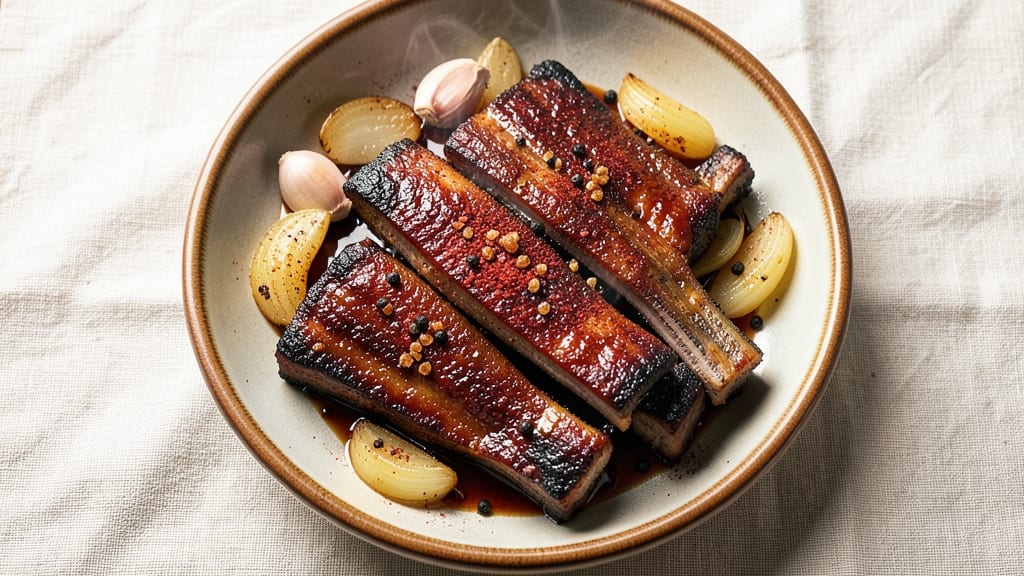
This beef back spare ribs recipe delivers melt-in-your-mouth tenderness through a low-and-slow cooking process that transforms tough meat into fork-tender perfection. The secret lies in precise temperature control—holding ribs at 225°F for hours until they develop that coveted smoky bark while staying juicy inside.
I've perfected this method after countless experiments, and the results speak for themselves: ribs that practically fall apart at the touch of a fork.
What sets these ribs apart is the dry rub technique—a blend of brown sugar, paprika, and spices that creates a caramelized crust while penetrating the meat with deep, savory flavors.
No need for complicated marinades or brines; this method relies on time, heat, and a simple seasoning blend to achieve restaurant-quality results at home. The key is patience—rushing the process will leave you with tough, chewy ribs, not the tender masterpiece you're aiming for.
By the time these ribs emerge from the smoker or oven, you'll have fall-off-the-bone tenderness with a glossy, smoky bark that's impossible to resist. The aroma alone will have everyone gathering around the table, and each bite delivers that perfect balance of sweet, smoky, and savory flavors.
Serve with classic BBQ sauce for dipping or a tangy coleslaw to cut through the richness.
This recipe is designed for foolproof success, whether you're using a smoker, grill, or even your oven. The step-by-step instructions walk you through every phase—from prepping the ribs to monitoring internal temperatures—so you can achieve professional results without the guesswork.
Let's get started on creating ribs that will have your guests begging for the recipe.
Ingredients for beef back spare ribs
Six pounds of meaty ribs plus a few pantry staples for smoky, fall-apart perfection.
| Ingredient | Amount | Notes |
|---|---|---|
| Beef Back Ribs 🥩 | 6 lb | Bone-in, meaty cuts preferred |
| Yellow Onion 🧅 | 1 whole | Large, sliced into wedges |
| Garlic Cloves 🧄 | 8 cloves | Peeled, smashed for aroma |
| Brown Sugar 🍚 | ½ cup | Light or dark, packed |
| Smoked Paprika 🌶️ | 2 tbsp | For deep smoky flavor |
| Ground Black Pepper 🌶️ | 1 ½ tsp | Freshly cracked preferred |
| Kosher Salt 🧂 | 2 tbsp | Diamond Crystal preferred |
| Dried Thyme 🌿 | 1 tsp | Or 1 tbsp fresh thyme |
| Apple Cider Vinegar 🍎 | ¼ cup | For tenderizing soak |
| Beef Broth 🥫 | 1 cup | Low-sodium preferred |
| Unsalted Butter 🧈 | ½ cup | For basting |
| Wood Chips 🌳 | 2 cups | Hickory or apple preferred |
| BBQ Sauce 🍯 | ½ cup | For serving, optional |
The ribs are the star—look for beef back cuts with good meat-to-bone ratio. Costco or your local butcher are best bets for quality; avoid pre-cut ribs from the grocery store meat counter if they look dry. For the dry rub, Penzeys or bulk bins at Whole Foods have the best spices, but regular grocery store smoked paprika works too (just check the label for 100% smoked, no additives). The brown sugar should be packed—don't scoop it loosely. If you're using fresh thyme, grab extra; half goes in the rub, half gets tied into the ribs for aroma during cooking.
No smoked paprika? Regular paprika plus a pinch of liquid smoke works in a pinch. Running low on apple cider vinegar? White vinegar or lemon juice at the same amount. The beef broth can be swapped for water, but adding a bouillon cube boosts flavor. For the wood chips, if you don't have a smoker, soak them in water for 30 minutes before using on your grill. The butter for basting? Full-fat is non-negotiable—low-fat versions won't give that rich, glossy finish. And if you're feeling fancy, add a splash of bourbon to the basting butter for extra depth.
Prep the ribs the night before if possible—they'll thank you with better tenderness. Store them in a sealed container with the vinegar and broth soaking them, then refrigerate. The dry rub keeps indefinitely in an airtight container, so make extra for future smoky projects. Leftover ribs reheat beautifully—wrap them in foil with a splash of broth and bake at 300°F for 20 minutes. Or freeze them for up to 3 months; thaw overnight in the fridge before reheating. The bark gets crispy again when warmed through.
Why You'll Love This Recipe
- One-Pan Magic: I swear by this—just ribs, onions, and a handful of spices on one sheet pan. No messy sauces, no extra pots, and the smoky-sweet aroma fills the house while you’re still chopping garlic.
- Sweet-Smoky Bomb: That caramelized brown sugar crust? It’s the star. The smoked paprika gives it this deep, earthy warmth, while the garlic melts into the meat like a hug. Honestly, I’ve never met a rib that didn’t disappear faster than I could say “second helping.”
- Game-Day Ready: Tailgates, BBQs, or just a lazy Sunday—these ribs are always the hit. They reheat like a dream (yes, even the next day), so I keep a tray in the freezer for when friends drop by unannounced. (Between us, they’ve never left empty-handed.)
- Budget Beef Win: Back ribs are cheaper than brisket, and this recipe stretches them further than you’d think. A pound feeds four, and the leftovers? Perfect for sandwiches or fried rice. My wallet and my taste buds thank me every time.
Step-by-step instructions for beef back spare ribs
Here's how to transform tough ribs into melt-in-your-mouth tenderness using low-and-slow techniques.
Prepare the Ribs for Maximum Tenderness
First, remove the beef back ribs from the refrigerator and let them sit at room temperature for 30 minutes. This ensures even cooking throughout. While they warm, prepare the tenderizing soak by combining the 0.25 cup apple cider vinegar, 0.5 cup brown sugar, and 1 cup beef broth in a large bowl. Stir until the brown sugar dissolves completely.
Place the ribs in a large resealable plastic bag and pour the vinegar mixture over them, ensuring they're fully submerged. Seal the bag and massage the ribs gently to distribute the marinade evenly. Let them soak for 2-4 hours in the refrigerator. This acidic mixture breaks down tough muscle fibers, creating that signature fork-tender texture we're after. Don't skip this step—it's what transforms tough ribs into melt-in-your-mouth perfection.
Build the Dry Rub for Deep Flavor
In a medium bowl, combine 2 tablespoons smoked paprika, 1.5 teaspoons ground black pepper, 2 tablespoons kosher salt, and 1 teaspoon dried thyme. Mix thoroughly with your hands until the spices are evenly distributed and the salt is broken down into fine granules. This dry rub will create that beautiful bark while infusing the meat with smoky, savory depth.
Remove the ribs from the vinegar mixture and pat them dry with paper towels. The drier the surface, the better the rub will adhere and the crust will form. Generously coat both sides of the ribs with the dry rub, pressing it into the meat so it penetrates the surface. Let the rubbed ribs sit at room temperature for another 30 minutes while you prepare your cooking setup. This resting period allows the rub to develop its full flavor potential before hitting the heat.
Set Up the Smoker for Perfect Conditions
Fill your smoker with the 2 cups wood chips, using hickory or apple wood for that classic rib flavor. Light the chips according to your smoker's instructions and let the temperature stabilize at 225°F. This low-and-slow approach is crucial—it allows the collagen in the meat to break down gradually, resulting in that signature tender texture. Maintain a consistent temperature throughout the cook by adding more wood chips as needed.
Place the ribs bone-side down on the smoker grates. This orientation helps protect the delicate meat from direct heat while allowing the fat to render slowly. Close the lid and resist the urge to peek—every time you open it, you release heat and moisture, potentially extending your cook time by 15-20 minutes. Let the ribs smoke undisturbed for 4-5 hours, until they develop a beautiful dark bark and the internal temperature reaches 165°F.
Wrap and Finish for Maximum Juiciness
Once the ribs reach 165°F, you'll notice they hit "the stall"—the temperature stops rising as moisture evaporates. This is normal and expected. At this point, wrap the ribs tightly in heavy-duty aluminum foil. This technique, known as the "Texas crutch," helps power through the stall while preserving the bark. Return the wrapped ribs to the smoker and continue cooking at 225°F for another 1-2 hours, until the internal temperature reaches 200-205°F.
To ensure the ribs stay moist during this final stage, add 0.5 cup unsalted butter and 1 whole yellow onion (sliced into wedges) to the foil wrap along with the ribs. The butter adds richness while the onion contributes sweetness and moisture. The ribs are done when they're fork-tender with a slight resistance—you should be able to insert a probe easily, but not so soft they fall apart.
Rest and Serve with Confidence
Remove the ribs from the smoker and transfer them to a cutting board. Let them rest for 15-20 minutes before serving. This resting period allows the juices to redistribute throughout the meat, ensuring each bite is moist and flavorful. During this time, you can prepare your serving sauce by combining the 0.5 cup BBQ sauce with any accumulated juices from the foil wrap.
Slice the ribs between the bones and serve them with the BBQ sauce drizzled generously over the top. The finished ribs should have a dark, glossy bark on the outside and a beautiful pink smoke ring just beneath the surface. Each bite should offer a perfect balance of smoky, sweet, and savory flavors with that melt-in-your-mouth tenderness that makes this recipe worth the wait.
Pro Tips For Making Beef Back Spare Ribs
- Trim the Fat First: Beef back ribs have that thick, stubborn fat layer—don’t just hack it off. Use a sharp knife to score the membrane in a crosshatch pattern before removing it; this lets the rub and smoke penetrate deeper. I learned this the hard way when my first batch tasted like it was still wearing a greasy raincoat.
- Caramelize That Onion: Skip the quick-sautéed onions—let them turn golden brown (10-12 minutes) before adding garlic. The deeper flavor carries through the ribs, especially when you’re using just a few cloves of garlic. (Yes, even if you’re impatient like me.)
- Don’t Crowd the Pan: If you’re braising or searing, give those ribs space—they need to sizzle, not steam. Overcrowding turns them soggy before they even hit the oven or smoker. Start in batches if needed; your future self will thank you.
- Brown Sugar Last: Add the brown sugar after the ribs are mostly cooked, not at the start. It’ll burn into a bitter mess if you toss it in with raw meat. Sprinkle it on during the final 15 minutes—watch that crust form like magic. (Sounds weird, but it works.)
Creative variations of this dish
Smoky Coffee Rub
Swap the classic dry rub for a bold coffee-infused version that adds deep, earthy notes. Mix 2 tbsp finely ground coffee (dark roast preferred) with the original spices, plus 1 tsp cinnamon and ½ tsp cayenne. The coffee enhances the smokiness while the cinnamon adds warmth.
I like using Starbucks dark roast or Peet's Major Dickason's Blend for consistent results. This variation works especially well with apple wood chips for a perfect balance of flavors. 🌶️
Asian-Inspired Five-Spice
Transform your ribs with an Asian fusion twist using a five-spice blend. Replace the thyme with 1 tsp Chinese five-spice powder (I recommend Penzeys brand) and add 1 tsp grated ginger and 1 tsp sesame seeds.
Use binchotan charcoal or hickory wood for smoking, and finish with a glaze of 2 tbsp soy sauce, 1 tbsp honey, and 1 tbsp rice vinegar. This creates a sweet-savory profile that's completely unexpected but incredibly delicious.
Honey-Bourbon Glaze
For a sweet and sticky finish, brush the ribs with a homemade glaze during the last 30 minutes of cooking. Combine ½ cup honey, ¼ cup bourbon, 2 tbsp apple cider vinegar, and 1 tbsp Dijon mustard.
Apply the glaze generously while the ribs are still wrapped, then return them to the smoker. The bourbon adds depth while the honey creates a beautiful caramelized crust. I love using Maker's Mark for that rich, oaky flavor. 🍯
Spicy Chipotle Lime
Add a Mexican-inspired kick with a chipotle-lime dry rub. Mix the original spices with 1 tbsp chipotle powder (or 2 tbsp adobo sauce blended into a paste) and 1 tbsp lime zest. After smoking, finish with a squeeze of fresh lime juice and a sprinkle of cilantro.
Serve with a side of pico de gallo or avocado crema for the ultimate fusion experience. This variation shines when paired with mesquite wood chips for that authentic smoky heat.
Herb-Crusted French Style
For a French bistro twist, coat the ribs in a herb crust made from 2 tbsp Dijon mustard, 1 tbsp chopped rosemary, 1 tbsp chopped thyme, and ½ cup breadcrumbs. After smoking, broil the ribs for 3-5 minutes to crisp the crust.
Finish with a drizzle of balsamic glaze for a sophisticated touch. This method works beautifully in an oven or on a grill, and the herb crust adds a delightful texture contrast. 🌿
Nutrition facts
Frequently asked questions
Why do beef back spare ribs need such a long cooking time?
The low-and-slow method (around 6-8 hours) is essential for breaking down the tough connective tissue through collagen breakdown. At 225°F, the meat fibers soften gradually while retaining moisture, creating that signature tender texture. Rushing this process with high heat would leave you with chewy, dry ribs instead of melt-in-your-mouth perfection.
Can I cook these ribs in an oven instead of a smoker?
Use an oven-safe roasting pan with a water pan underneath for moisture. Set your oven to 225°F and cook the ribs uncovered for 5-6 hours until they reach 165°F, then wrap them in foil with butter and onion for another 1-2 hours until tender. The bark will be less smoky but still delicious—just add a splash of apple cider vinegar to the foil wrap for extra depth.
What's the best way to test if the ribs are done?
Use the fork test: Insert a meat thermometer into the thickest part of the meat (not touching bone). When it reads 200-205°F, the ribs should be fork-tender with slight resistance. If they're too soft, they've been overcooked. Alternatively, gently pull on a bone—if it slides out easily, they're ready. The bark should be dark and glossy, with a beautiful pink smoke ring beneath.
How do I store leftover ribs?
Let the ribs cool completely, then wrap them tightly in aluminum foil or place in an airtight container. They'll keep in the refrigerator for 3-4 days or freeze for up to 3 months. To reheat, bake at 300°F for 20 minutes wrapped in foil with a splash of beef broth. The bark will crisp up again when warmed through, and the meat stays juicy.
What's the difference between beef back ribs and beef spare ribs?
Beef back ribs (also called beef back country-style ribs) come from the loin area and include both meat and bone, while traditional beef spare ribs (from the plate) are leaner with less meat. Back ribs are more flavorful and tender due to their higher fat content, making them ideal for this recipe. They're also more affordable than prime rib cuts, offering great value for the rich, beefy flavor.