
Main Courses
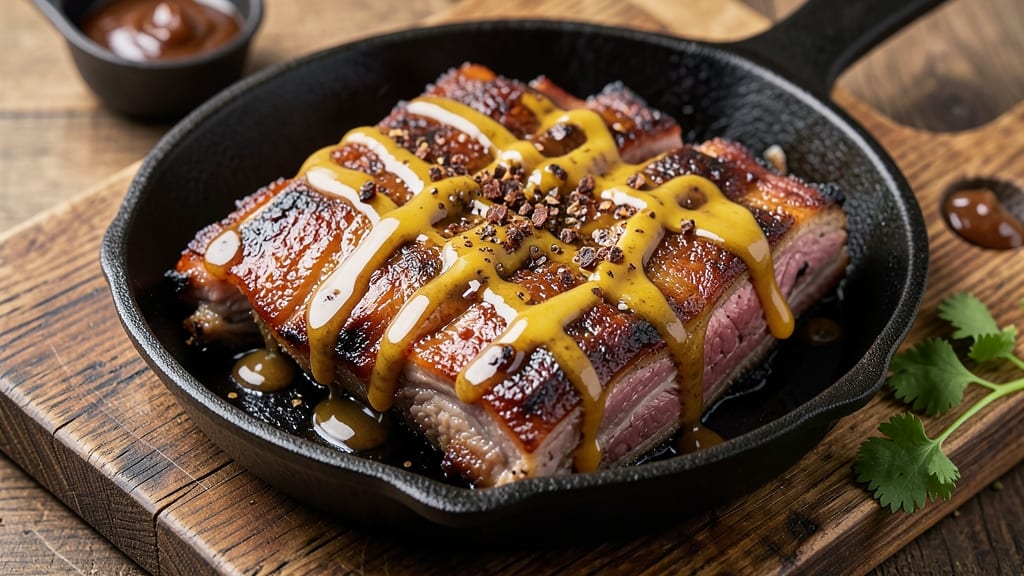
This barbecued beef back ribs recipe delivers restaurant-quality tenderness in just 6 hours—no shortcuts, no guesswork. 🔥 As a pitmaster, I've spent years perfecting the balance between smoky flavor and melt-in-your-mouth texture, and this method never fails.
The secret lies in low-and-slow cooking with a carefully crafted rub that develops a perfect bark while keeping the meat tender.
What sets this recipe apart is the foolproof technique that transforms tough beef into fall-off-the-bone perfection. We'll start with a dry rub packed with spices that penetrate the meat, then smoke the ribs at a precise temperature to ensure even cooking.
The key is patience—letting the collagen break down slowly creates that irresistible tenderness you crave.
By the time you're done, you'll have ribs with a deep mahogany bark and meat so tender it practically dissolves on your tongue. The aroma alone will have everyone gathering around the table, and each bite delivers that perfect combination of smoky, spicy, and sweet flavors.
This is the kind of dish that makes weekend cooking worth every minute.
The best part? These ribs pair beautifully with classic sides like creamy coleslaw or buttery cornbread. Serve with a cold beer or sweet tea to complete the meal. Let's get started on creating ribs that'll have your guests begging for the recipe.
Ingredients for barbecued beef back ribs
Six hours to legendary ribs—just these quality ingredients and your patience.
| Ingredient | Amount | Notes |
|---|---|---|
| Beef Back Ribs 🍖 | 4 lb | Bone-in, meaty, full slab |
| Yellow Mustard 🥫 | ½ cup | For sticky base layer |
| Brown Sugar 🍚 | ½ cup | Light or dark variety |
| Smoked Paprika 🌶️ | ¼ cup | For deep smoky flavor |
| Kosher Salt 🧂 | ¼ cup | Diamond Crystal preferred |
| Black Pepper 🌶️ | 1 tbsp | Freshly ground for bite |
| Garlic Powder 🧄 | 1 tbsp | Freshly ground preferred |
| Onion Powder 🧅 | 1 tbsp | For sweet depth |
| Chili Powder 🌶️ | 1 tbsp | Medium heat preferred |
| Apple Cider Vinegar 🍎 | ¼ cup | For tangy balance |
| Wood Chips 🌳 | 2 cups | Hickory or oak preferred |
| Apple Juice 🍎 | 1 cup | For spritzing during cook |
| Butter 🧈 | ½ cup | Unsalted, for basting |
The ribs are non-negotiable—bone-in, meaty slabs are a must. Costco or your local butcher for the best cuts, and look for good marbling. A full slab (4-5 lbs) yields about 4 servings, so scale up if feeding a crowd. The wood chips? Hickory or oak from Traeger or Weber deliver that authentic smoky punch. Don't skimp—they're the flavor foundation. For the brown sugar, Light or dark both work, but dark adds extra depth if you love caramelized notes.
No smoked paprika? Regular paprika plus a pinch of liquid smoke gets you close, but it's not the same magic. The apple cider vinegar is key—it cuts through the richness and keeps the bark crisp. Substitute lemon juice if needed, but reduce to 2 tbsp. For the wood chips, soaked for 30 minutes ensures steady smoke without flare-ups. The mustard acts as a binder, so don't skip it—it helps the rub stick and prevents it from falling off during cooking. Freshly ground spices make all the difference here, so grind your own if possible.
Prep the rub ahead and store it in an airtight container for up to 3 months—it keeps beautifully. The ribs can be prepped a day ahead and refrigerated, wrapped tightly. For serving, ribs stay tender for 3-4 days in the fridge, but the bark gets tougher after day 2. Freeze cooked ribs for up to 6 months—just reheat in a 300°F oven until warmed through. Leftovers? Shred and toss with BBQ sauce for sandwiches—absolute game-changer.
Why You'll Love This Recipe
- Foolproof Prep: I swear by this method—just a quick rub of smoked paprika, brown sugar, and salt, then a slather of yellow mustard before hitting the smoker. No fancy marinating, no stressing over timing.
- Sweet-Smoky Magic: That caramelized brown sugar crust paired with the tangy mustard? It’s the kind of flavor combo that makes you close your eyes and sigh. The ribs practically fall apart when you pull them, and every bite is pure satisfaction.
- Weeknight Crowd-Pleaser: Between us, this is my go-to for game day, family dinners, or when friends drop by unannounced. It’s hearty enough to feed a group but simple enough to throw together when you’re already juggling life.
- Leftovers That Don’t Suck: Honestly, I make these on Sunday because the second batch (yes, there’s always a second) is just as good cold in sandwiches or reheated for lunch. And since ribs stretch across meals, you’re not wasting a thing.
Step-by-step instructions for smoky fall-off-bone beef back ribs
Here's the method I've perfected for ribs that practically melt in your mouth while developing that perfect bark.
🔥 Step 1: Prepare the Ribs and Build the Dry Rub
Remove the beef back ribs from the package and pat them completely dry with paper towels. This step is crucial—wet ribs won't develop that crispy bark we're after. Place them meat-side down on a wire rack set over a baking sheet to allow air circulation on all sides.
In a large bowl, combine the 0.5 cup yellow mustard, 0.5 cup brown sugar, 0.25 cup smoked paprika, 0.25 cup kosher salt, 1 tbsp black pepper, 1 tbsp garlic powder, 1 tbsp onion powder, and 1 tbsp chili powder. Mix until completely uniform—you want this rub to stick to every crevice of the ribs. Here's the thing—don't be shy with the mustard. It creates that sticky base that helps the rub adhere and develops a beautiful glaze during cooking.
Generously coat both sides of the ribs with the dry rub mixture, pressing it firmly into the meat. You'll want to see a thick, even layer covering every inch. Place the rubbed ribs on a plate and let them sit at room temperature for 30 minutes before smoking. This resting period allows the rub to penetrate the meat and the ribs to cook more evenly.
🔥 Step 2: Set Up Your Smoker for Low and Slow Cooking
While the ribs rest, prepare your smoker. Fill the smoker box with 2 cups wood chips—I prefer hickory for its bold flavor, but oak works beautifully too. Soak the wood chips in water for 30 minutes before using to prevent them from burning too quickly. Preheat your smoker to 225°F and maintain this temperature throughout the entire cook.
Here's where the magic happens: place the ribs bone-side down on the smoker grates. This position allows the meat to cook more evenly and prevents the ribs from curling up. Close the lid and resist the urge to peek—every time you open it, you lose heat and extend your cook time. Let the ribs smoke undisturbed for 2 hours, until they develop a dark mahogany color and the internal temperature reaches 165°F.
At this point, you'll notice the ribs hitting "the stall"—the temperature stops rising as moisture evaporates. This is completely normal and expected. Don't panic or adjust the heat; this phase is crucial for developing that perfect texture.
🍳 Step 3: Spritz and Wrap for Maximum Tenderness
Once the ribs hit 165°F, it's time to spritz them with the 1 cup apple juice. This technique, known as the "Texas crutch," helps power you through the stall while keeping the meat moist. I like to use a spray bottle for even distribution, but a basting brush works too. Spritz the ribs generously on all sides, then wrap them tightly in heavy-duty aluminum foil.
Place the wrapped ribs back in the smoker and continue cooking at 225°F for another 2-3 hours, until the internal temperature reaches 203°F and the meat is fork-tender. The ribs should pull apart easily at the bones with just a gentle tug. If they're not quite there yet, give them another hour. Patience is key here—rushing will result in tough, chewy ribs.
🔪 Step 4: Apply the Butter Baste for Shiny Bark
Remove the ribs from the smoker and carefully unwrap them. Here's where we create that beautiful, glossy bark. In a small saucepan, melt the 0.5 cup butter over low heat until completely liquid. Using a pastry brush, generously coat the ribs with the melted butter on all sides, letting the excess drip off.
Return the ribs to the smoker, bone-side up, and cook uncovered for 15-20 minutes at 250°F. This final step caramelizes the sugars in the rub and creates that gorgeous, glossy bark. Watch closely—you want the ribs to develop a deep, dark color but not burn. The butter basting ensures a moist interior while creating that irresistible exterior.
⏰ Step 5: Rest and Serve with Confidence
Once the ribs are beautifully browned and the internal temperature reaches 205°F, remove them from the smoker and let them rest for 15-20 minutes before serving. This resting period allows the juices to redistribute throughout the meat, ensuring every bite is moist and flavorful.
To serve, cut the ribs between each bone to separate them into individual ribs. Arrange them on a platter and drizzle any accumulated juices from the foil over the top. The ribs should be fall-off-the-bone tender with a perfect balance of sweet, smoky, and slightly tangy flavors. Serve with classic barbecue sides like coleslaw, cornbread, or baked beans for the ultimate meal experience.
Pro Tips For Making Barbecued Beef Back Ribs
- Trim the Silver Skin: That thin membrane on the bone side? It’s holding back flavor and tenderness. Use a butter knife to slide it off—no need to cut through the meat. I learned this the hard way after pulling ribs that were tougher than they should’ve been.
- Start with a Dry Rub: Don’t just slather on the mustard and sugar right away. Pat the ribs bone-dry first, then hit them with a mix of smoked paprika and kosher salt (about 1 tablespoon each per pound). This helps the crust form and locks in moisture—skipping this step means soggy ribs, no matter how long you cook them.
- Wrap in Foil at 170°F: Pull the ribs off the heat when they hit 170°F internal temp, wrap them tightly in foil, and let them rest for 20-30 minutes. This keeps them from drying out while they finish carrying over. I used to rush this, and the results were always less juicy—your future self will thank you for waiting.
- Use a Mix of Wet and Dry: The mustard and brown sugar are your friends, but don’t drown the ribs. Brush on a light layer of mustard (just enough to coat) and sprinkle brown sugar after the ribs have seared. Too much liquid too soon = steam instead of smoke flavor. I was skeptical until I tried it—now it’s non-negotiable.
Creative variations of barbecued beef back ribs
Smoky Maple Glaze
Swap the dry rub for a sweet and smoky glaze by mixing ½ cup pure maple syrup, ¼ cup apple cider vinegar, 2 tbsp smoked paprika, and 1 tbsp brown sugar.
Brush this on ribs after the first 2 hours of smoking, then wrap and continue cooking. The maple adds a caramelized sweetness that pairs perfectly with the smoky hickory. 🍁
Spicy Coffee Rub
For a bold, caffeine kick, replace ¼ cup of the brown sugar with 2 tbsp finely ground coffee and add 1 tbsp cayenne pepper to the original rub. The coffee enhances the bark while adding depth, and the cayenne brings serious heat.
I like to serve these with a cool, creamy slaw to balance the spice. ☕
Bourbon-Infused Bark
Add ¼ cup bourbon to the dry rub mixture and let it sit for 30 minutes before applying. The alcohol burns off during cooking, leaving behind rich, caramelized notes.
For extra drama, baste ribs with 2 tbsp bourbon during the final 20 minutes of cooking. This works especially well with oak wood chips. 🥃
Asian-Inspired Five-Spice
Transform your ribs with a fusion twist by adding 1 tbsp Chinese five-spice powder and 1 tsp grated ginger to the rub. Use peach wood chips for a sweeter smoke profile, and spritz with ½ cup rice vinegar instead of apple juice.
Serve with sesame seeds and sliced scallions for a fresh, unexpected pairing. 🌶️
Herb-Crusted French Style
For a French-inspired approach, replace the dry rub with a mix of 2 tbsp fresh rosemary, 2 tbsp fresh thyme, 1 tbsp garlic powder, 1 tbsp Dijon mustard, and ½ cup breadcrumbs.
Press this mixture onto the ribs before smoking. Use white oak wood chips for a milder smoke, and finish with a butter baste infused with 1 tsp herbes de Provence. 🌿
Breakfast Ribs
Turn ribs into a brunch sensation by adding 1 tbsp ground cinnamon and ½ tsp nutmeg to the rub. After cooking, serve with a drizzle of maple syrup and crumbled bacon on top.
The warm spices give these ribs a comforting, almost dessert-like quality that pairs perfectly with pancakes or biscuits. 🍳
Nutrition facts
Frequently asked questions
How do I know when beef back ribs are done?
Use a meat thermometer to check the internal temperature—203°F is your target for perfect tenderness. The ribs should also pull apart easily at the bones with just a gentle tug. Pro tip: The bark should be dark mahogany, not burnt, and the meat should look glossy from the butter baste.
Can I cook these ribs in an oven instead of a smoker?
Use an oven-safe roasting pan with a water pan underneath for moisture. Cook at 225°F for 5-6 hours, spritzing with apple juice every hour. For smoke flavor, add wood chips to a foil packet with holes and place it on the oven rack. The texture will be similar, though slightly less smoky.
Why do my ribs sometimes turn out tough?
Most common causes are cooking too fast (high heat) or not enough time (below 203°F internal temp). The stall phase is normal—don't rush it! Also, check your wood chips: if they burn too quickly, you're losing smoke flavor and potentially overcooking the meat. Always use soaked chips for steady heat.
How far ahead can I prepare the dry rub?
You can make the rub up to 3 months ahead and store it in an airtight container. For best results, let it sit at room temperature for 30 minutes before applying to ribs—this helps it adhere better. The ribs themselves can be prepped and refrigerated 24 hours ahead, wrapped tightly in plastic.
What's the best way to reheat leftover ribs?
Wrap ribs in foil and reheat at 300°F for 15-20 minutes until warmed through. For extra crispiness, unwrap and broil for 2-3 minutes at the end. Avoid microwaving—it makes the bark soggy. Leftovers stay tender for 3-4 days in the fridge.