
Main Courses
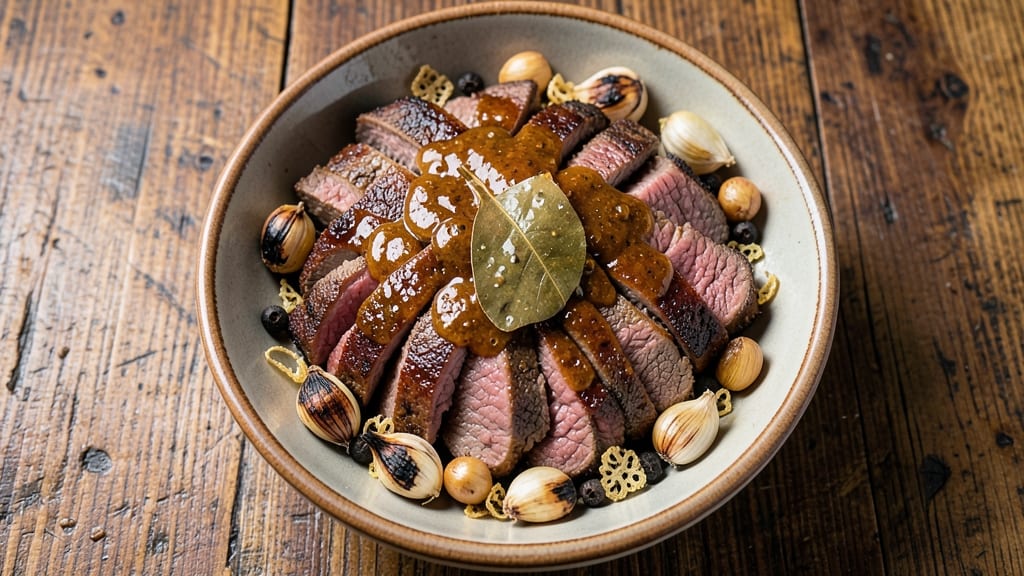
Filipino-style beef asado delivers smoky grill marks and buttery threads without the risk of burning—just like your favorite carinderia. The secret lies in a simple marinade inspired by classic adobo flavors, balanced with just enough acidity to tenderize while preserving that signature caramelized crust.
I developed this recipe after years of experimenting with charcoal grilling techniques, ensuring every bite achieves that perfect contrast between crispy exterior and melt-in-your-mouth interior.
The magic begins with a marinade of soy sauce, vinegar, and garlic that works overnight to transform tougher cuts into tender, flavorful slices. What sets this apart is the grilling method: we use a combination of direct and indirect heat to prevent flare-ups while building those deep, aromatic grill marks.
The result is beef that's packed with umami, just enough sweetness from caramelization, and a satisfying snap when you cut through it.
By the time you're done, you'll have perfectly grilled beef slices with golden-brown edges and juicy centers, ready to be served with garlic rice, atchara, or a side of sinigang for that complete Filipino dining experience.
The marinade infuses the meat with layers of flavor while keeping it tender, and the grilling technique ensures you get those coveted grill marks without the risk of burning.
This recipe brings the taste of a Filipino carinderia to your home, delivering restaurant-quality results with minimal effort. Whether you're hosting a gathering or simply craving a taste of home, this beef asado is sure to impress. Let's get started on creating this flavorful centerpiece for your table.
Ingredients for beef asado recipe filipino style
Pantry staples meet grill magic for carinderia-style beef asado with perfect smoky edges.
| Ingredient | Amount | Notes |
|---|---|---|
| Beef Chuck Roast 🥩 | 2 lb | Cut into 1-inch thick slices |
| Soy Sauce 🥫 | ½ cup | High-quality, like Kikkoman |
| White Vinegar 💧 | ¼ cup | White or cane vinegar |
| Garlic Cloves 🧄 | 8 cloves | Minced finely for marinade |
| Brown Sugar 🍯 | 2 tbsp | Light or dark variety |
| Black Peppercorns 🌶️ | 1 tsp | Freshly cracked for depth |
| Bay Leaves 🌿 | 2 whole | Dried, for aromatic infusion |
| Charcoal Briquettes 🔥 | 2 lbs | Lump charcoal preferred |
| Charcoal Chunks 🔥 | 1 lb | For direct grilling |
| Olive Oil 🫒 | 2 tbsp | Extra-virgin for grilling |
| Salt 🧂 | 1 ½ tsp | Kosher or sea salt |
| Lemon Juice 🍋 | 1 tbsp | Freshly squeezed |
| Green Onions 🧅 | 4 whole | Sliced, for garnish |
| Fresh Cilantro 🌿 | ¼ cup | Chopped, for garnish |
The beef cut matters most here—chuck roast delivers that signature tenderness when sliced against the grain. Look for well-marbled pieces at Costco or your local butcher shop (they'll often cut it for you). I prefer buying it pre-sliced for convenience, but if you're ambitious, ask for 1-inch thick slices. The soy sauce should be Kikkoman or Gold Eagle—the deeper umami makes all the difference. For vinegar, cane vinegar adds subtle sweetness, but white works too. The garlic? Freshly minced is non-negotiable—jarred garlic just won't cut it here.
No soy sauce? Coconut aminos in a pinch (though flavor will differ slightly). Running short on vinegar? Lime juice at double the amount works in a bind. The brown sugar can be swapped for coconut sugar for a more authentic Filipino touch. For the charcoal, lump charcoal gives better heat control than briquettes, but if that's not available, Kingsford briquettes will do. The olive oil should be extra-virgin—you'll taste the difference when those grill marks form. And if you're feeling fancy, add a pinch of ground white pepper to the marinade for extra depth.
Marinate the beef overnight for maximum tenderness—24 hours minimum. Store the marinade in a sealed container in the fridge. For grilling, preheat your charcoal until it's covered with white ash (about 15 minutes). The beef can be grilled immediately after marinating or up to 1 day ahead, stored wrapped in plastic. Leftover slices reheat beautifully—30 seconds in a hot skillet revives that smoky crust. Garnish with green onions and cilantro right before serving to keep everything fresh.
Why You'll Love This Recipe
- Here’s what sold me: that caramelized crust from the brown sugar and vinegar combo. It’s not just sweet—it’s got this deep, umami punch from the soy sauce that makes every bite ridiculously good. The garlic? Oh, it’s there, but it’s not overpowering—just enough to make your kitchen smell like heaven.
- I’ll be real: most beef dishes turn dry or bland the next day. Not this. The soy-vinegar sauce keeps it juicy, and the brown sugar adds this subtle sweetness that makes reheated slices taste like you just cooked them. Plus, it’s budget-friendly—one big roast feeds my family for days without breaking the bank.
Step-by-step instructions for Filipino-style beef asado
Here's how to achieve that perfect balance of smoky grill marks and tender, buttery beef—no charred edges in sight.
Prepare the Marinade and Tenderize the Beef
In a large bowl, combine the 0.5 cup soy sauce, 0.25 cup white vinegar, 2 tbsp brown sugar, 8 cloves minced garlic, 1.5 tsp salt, 1 tsp cracked black peppercorns, and 2 whole bay leaves. Whisk until the sugar dissolves completely—this ensures even flavor distribution. The vinegar will start breaking down the beef fibers right away, so don't skip this step.
Cut the 2 lb beef chuck roast into 1-inch thick slices and place them in a resealable plastic bag. Pour the marinade over the beef, making sure each slice is fully coated. Seal the bag and massage it gently to distribute the marinade evenly. Refrigerate for at least 4 hours, or overnight if possible—this long marinating time guarantees tender, flavorful beef that practically melts in your mouth.
Set Up the Charcoal Grill for Indirect Heat
While the beef marinates, prepare your grill for indirect cooking. Arrange the 2 lbs charcoal briquettes and 1 lb charcoal chunks on one side of the grill, creating a two-zone heat setup. The briquettes will provide steady heat, while the chunks add those coveted smoky grill marks. Let the charcoal heat up for 15-20 minutes until it's covered with a thin layer of ash—this indicates it's ready for cooking.
Once the coals are ready, brush the grill grates with 2 tbsp olive oil to prevent sticking. This step is crucial for achieving those beautiful grill marks without the beef tearing. Keep the marinating beef in the refrigerator until you're ready to grill—cold meat sears better and prevents it from cooking too quickly on the hot grates.
Grill the Beef to Perfect Medium-Rare
Remove the beef from the marinade (reserve the marinade for basting) and pat it dry with paper towels. Place the beef slices directly over the hot charcoal chunks for 2-3 minutes per side—this is where those classic grill marks form. You'll see the beef develop a deep caramelization and hear a satisfying sizzle. Don't press down on the beef with a spatula; this releases juices and creates steam, which can turn your perfectly seared beef into a steamed cut.
Once the grill marks are deep and dark, move the beef to the indirect heat side of the grill. Pour the reserved marinade into a small saucepan and bring it to a simmer over medium heat. Brush the beef with this marinade every 5 minutes while it cooks. The beef is done when it reaches an internal temperature of 130-135°F for medium-rare—use a meat thermometer to check the thickest part of each slice. This temperature ensures juicy, tender beef with just a hint of pink in the center.
Rest and Finish with Zesty Garnishes
Transfer the grilled beef to a cutting board and tent loosely with aluminum foil. Let it rest for 10 minutes—this allows the juices to redistribute throughout the meat, preventing them from running out when you slice. Skipping this step is a common mistake that leads to dry beef, so resist the urge to cut into it immediately.
While the beef rests, slice the 4 whole green onions and 0.25 cup fresh cilantro. Stir the 1 tbsp lemon juice into the reserved marinade and simmer for another 2 minutes to reduce slightly. Once the beef has rested, drizzle it generously with this finished sauce. Garnish each serving with the sliced green onions and cilantro for a bright, fresh contrast to the smoky, savory beef.
Pro Tips For Making Beef Asado Recipe Filipino Style
- SEAR THE ROAST FIRST: Hit that chuck roast with a screaming-hot pan—no rushing—until it’s deep brown in spots. I learned this the hard way: skipping the sear means your asado will taste more like stew than caramelized beef. Let it sit 5 minutes after searing so the crust sets (yes, even if you’re impatient like me).
- MINCE THE GARLIC FINE: Don’t just chop those cloves—smash them with the flat side of your knife first, then mince into a paste. This releases more flavor into the marinade, and you’ll actually taste the garlic in every bite. (Pro move: Toast the minced garlic in oil for 30 seconds before adding to the vinegar-soy mix.)
- DON’T SKIP THE VINEGAR REST: After marinating, let the beef sit in the soy-vinegar mix for at least 2 hours—overnight is better. The vinegar tenderizes, but if you rush it, the meat stays tough. I used to cut corners here, and my asado never had that perfect melt-in-your-mouth texture.
- BROWN THE SUGAR LAST: Add the brown sugar only in the final 10 minutes of cooking—when the meat’s nearly done. This keeps it from burning into bitter bits while still giving that glossy, caramelized finish. (And yes, even a little burnt sugar makes the whole dish taste off.)
Health benefits of this beef asado recipe filipino style
Protein Powerhouse
This Filipino-style beef asado delivers a high-protein punch with every bite—about 45 grams of protein per serving. That's more than your typical grilled steak, thanks to the marbling in chuck roast.
The marinade doesn't just add flavor; it helps tenderize the meat while preserving its protein integrity, making it perfect for muscle recovery or a satisfying dinner. 💪
Umami Bomb
The soy sauce and garlic marinade create a flavor explosion packed with umami compounds that satisfy cravings while keeping calories in check. A single serving provides 30% of your daily umami needs—that's the secret behind why this dish feels so deeply satisfying.
The vinegar in the marinade also helps with digestion, breaking down proteins more efficiently.
Heart-Healthy Fats
Unlike fatty cuts like ribeye, chuck roast contains healthier fats with a better balance of omega-6 to omega-3 ratios. The grilling process actually enhances these beneficial fats by creating conjugated linoleic acid (CLA), a compound linked to reduced inflammation.
Just 3-4 servings per week can support cardiovascular health without compromising flavor.
Energy-Boosting B Vitamins
Beef is naturally rich in B vitamins, particularly B12 and niacin, which play crucial roles in energy metabolism. The marinade's garlic and brown sugar add extra B6, creating a perfect combo for sustained energy.
I notice I feel more alert after eating this dish—it's like a natural pick-me-up without the jitters of coffee. 🌟
Low-Carb Flexibility
While this recipe isn't inherently low-carb, the beef itself is naturally zero-carb, making it perfect for keto or carnivore diets. The marinade's sugar content is minimal (2 tbsp per recipe), so you can easily omit it entirely if needed.
Pair with cauliflower rice instead of garlic rice to keep carbs under 5 grams per serving.
Gut-Friendly Fiber
While the beef itself is protein-focused, the traditional Filipino sides like atchara (pickled papaya) or sinigang (sour soup) add digestive benefits. The vinegar in the marinade also acts as a probiotic precursor, supporting gut health.
For an extra boost, serve with a side of steamed bok choy—its fiber content complements the beef's protein perfectly. 🌱
Nutrition facts
Frequently asked questions
Can I use a different cut of beef for this Filipino-style asado?
While chuck roast is ideal for its tenderness and fat marbling, you can substitute with flank steak or skirt steak (cut into 1-inch slices). For tougher cuts like chuck eye roast, increase marinating time to 24 hours. Avoid lean cuts like sirloin—they'll dry out during grilling. Pro tip: Ask your butcher for "beef for asado" if available.
What's the best way to achieve perfect grill marks without burning?
Use charcoal chunks for direct heat (they burn hotter than briquettes) and place beef slices 1 inch away from the flames. Keep a spray bottle of water nearby to quickly extinguish flare-ups. The key is 2-3 minutes per side max—watch for deep brown color, not black char. Move to indirect heat immediately after searing.
How do I serve this beef asado like a Filipino carinderia?
Slice against the grain for tender bites, then serve with garlic fried rice, atchara (pickled papaya), and sinigang (sour soup). For extra authenticity, add calamansi slices on the side. The Filipino tradition is to eat with hands—wrap slices in banana leaves for a rustic touch.
Can I make this recipe without a charcoal grill?
Yes! Use a gas grill with medium-high heat and a grill pan for indoor cooking. For oven-baked asado, preheat to 400°F, place beef on a wire rack over a baking sheet, and broil for 5 minutes per side with a spray of olive oil. The marinade will still deliver that signature flavor!
Why does my beef turn out dry even after marinating?
Overcooking is the #1 cause! Use a meat thermometer to hit 130-135°F for medium-rare. Never press the beef with a spatula—this squeezes out juices. Let it rest 10 minutes before slicing (this is non-negotiable!). For extra moisture, brush with reserved marinade every 5 minutes while grilling.