
Sauces & Condiments
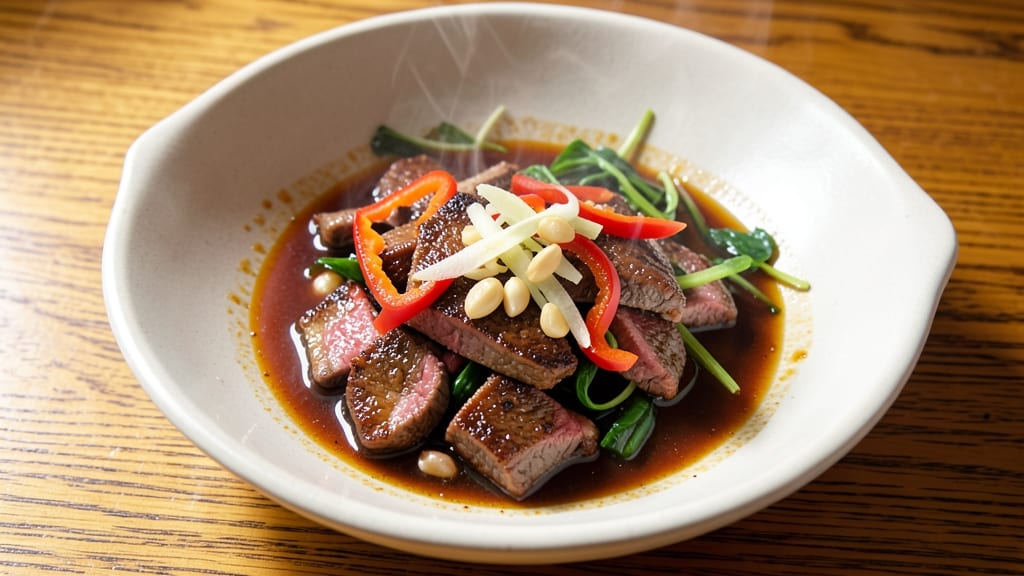
This beef and vegetable stir-fry sauce delivers that perfect umami-packed balance of savory, aromatic, and slightly sweet flavors that elevate any stir-fry. The secret lies in a harmonious blend of soy sauce, fresh ginger, and garlic, which create a rich foundation that coats every bite with depth.
I developed this sauce after years of experimenting with Asian-inspired dishes, and it consistently transforms simple stir-fries into restaurant-quality meals.
The sauce is designed to be versatile yet foolproof, requiring just 10 minutes of active prep and simple pantry staples. The combination of dark soy sauce for color and light soy for flavor, along with a touch of honey or brown sugar, creates that signature caramelized depth.
Fresh ginger and garlic are essential for that bright, aromatic punch that cuts through the richness. A splash of rice vinegar adds a subtle tang that balances everything perfectly.
What makes this sauce truly special is its ability to transform basic ingredients into something extraordinary. When tossed with tender beef strips and crisp vegetables, it creates a glossy, flavorful coating that clings to every piece.
The sauce thickens beautifully when simmered, creating a velvety consistency that's neither too thin nor too heavy. It's the kind of sauce that makes you want to stir-fry more often, knowing you have this flavor powerhouse on hand.
Store it in an airtight container in the refrigerator for up to 2 weeks, or freeze for longer storage. The flavors actually deepen over time, making it perfect for meal prep.
Whether you're cooking for one or feeding a crowd, this sauce delivers consistent, professional results every time. Let's make it!
Ingredients for beef and vegetable stir fry sauce
Nine simple ingredients unlock restaurant-quality stir-fry flavor in minutes.
| Ingredient | Amount | Notes |
|---|---|---|
| Light Soy Sauce 🥄 | ½ cup | High-quality, low-sodium preferred |
| Dark Soy Sauce 🥄 | ¼ cup | For rich color and depth |
| Fresh Ginger 🧄 | ¼ cup | Finely grated, organic preferred |
| Garlic Cloves 🧄 | 6 cloves | Minced, fresh for best flavor |
| Honey 🍯 | ¼ cup | Or brown sugar for deeper flavor |
| Rice Vinegar 🍶 | ¼ cup | White or seasoned variety |
| Sesame Oil 🫒 | 1 tbsp | Toasted, for nutty aroma |
| Cornstarch 🌾 | 1 tbsp | For thickening, mixed with water |
| Water 💧 | ½ cup | For cornstarch slurry |
| Sesame Seeds 🌱 | 1 tbsp | Toasted, for garnish |
The soy sauces are non-negotiable for that perfect umami balance—Kikkoman or Lee Kum Kee are my go-tos, but any quality brand works. Fresh ginger and garlic are where the magic happens: organic ginger from the produce section (not the jarred stuff) and garlic cloves with vibrant papery skins. If you're using brown sugar instead of honey, pack it tightly—it's denser. The sesame oil adds that nutty depth, but toast it first in a dry pan for 30 seconds to bring out the aroma. I always grab extra sesame seeds for garnish—they toast beautifully in a dry skillet too.
No fresh ginger? Powdered ginger at half the amount works in a pinch, but you'll lose that bright zing. Substitute honey with maple syrup for a vegan option. Running low on rice vinegar? Apple cider vinegar gives a similar tang, though slightly milder. For the cornstarch slurry, whisk it with cold water first to avoid lumps—this is the secret to a silky sauce. The sauce thickens as it cools, so if it's too thin when hot, simmer another minute. Need to make it spicy? Add a dash of sriracha or red pepper flakes at the end.
This sauce keeps beautifully—2 weeks in the fridge in an airtight jar, or 3 months frozen. I double the batch and freeze half immediately. When reheating, add a splash of water to restore that glossy consistency. The flavors actually improve over time, so it's perfect for meal prep. For a quick stir-fry, keep the sauce at room temperature for 10 minutes before using—it'll be smoother and more flavorful. Garnish with toasted sesame seeds right before serving to keep them crisp.
Why You'll Love This Recipe
- Pantry Magic: I swear by this sauce—just five ingredients, no fancy shopping. Light and dark soy sauce play off each other while honey cuts the richness, and that fresh ginger? It’s the secret that makes it taste homemade, even if I’m too tired to chop much.
- Umami Bomb: The garlic and dark soy sauce combo is chef’s kiss—deep, savory, and just a little sweet. Honestly, I’ve made stir-fry with store-bought sauce, but this? It’s the kind of flavor that lingers, making every bite feel like a little reward.
- Weeknight Flex: This sauce works for takeout nights, meal prep lunches, or even a quick weeknight dinner. Double the batch, store it, and toss it with whatever’s in your fridge—beef, tofu, frozen veggies—no stress, just flavor.
- Budget Win: Dark soy sauce adds color and depth for pennies, and honey stretches the sauce further than anything I’ve tried. Between us, I’ve used this to turn cheap cuts of beef into something that feels special—no fancy labels needed.
Step-by-step instructions for beef and vegetable stir fry sauce
This sauce delivers perfect harmony—sweet, savory, and aromatic—every time you stir it together.
Prepare the Ginger and Garlic Base
In a small bowl, finely grate the 0.25 cup Fresh Ginger using a microplane or the smallest holes on a box grater. I like to do this first because fresh ginger releases its oils most effectively when raw. Transfer the grated ginger to a measuring cup and press down gently to pack it—you should end up with about 2 tablespoons of tightly packed ginger.
Next, peel and mince the 6 cloves Garlic Cloves as finely as possible. I use a sharp chef's knife and rock the blade back and forth over the garlic cloves for even mincing. Set both the ginger and garlic aside—they'll form the aromatic foundation of your sauce. The key here is freshness; pre-minced garlic or jarred ginger won't deliver the same bright, vibrant flavor.
Combine Wet Ingredients for Depth of Flavor
In a medium saucepan, combine the 0.5 cup Light Soy Sauce, 0.25 cup Dark Soy Sauce, 0.25 cup Honey, and 0.25 cup Rice Vinegar. Stir well to integrate the flavors—this mixture should smell complex, with sweet, salty, and tangy notes all present. Place the saucepan over medium heat and bring to a gentle simmer.
Once simmering, add the minced garlic and grated ginger. Let the mixture cook for 3-4 minutes, stirring occasionally, until the raw garlic smell disappears and the aroma becomes rich and fragrant. This step develops the sauce's depth—don't rush it. If the mixture reduces too quickly, reduce the heat slightly to maintain a gentle simmer throughout.
Thicken the Sauce with Cornstarch Slurry
In a small bowl, whisk together the 1 tbsp Cornstarch and 0.5 cup Water until completely dissolved—this creates your thickening slurry. The slurry should be smooth with no lumps. Return to the saucepan and stir continuously as you pour in the slurry. The sauce will begin to thicken almost immediately.
Continue cooking for 1-2 minutes until the sauce reaches your desired consistency—it should coat the back of a spoon but still be pourable. If it thickens too quickly, add 1-2 tablespoons of water to adjust. The sauce should be glossy and velvety, not gluey. Here's the thing—this sauce works best when it's slightly thicker than traditional stir-fry sauces, as it'll thin out when combined with the hot wok and vegetables.
Finish with Sesame Oil and Toasted Seeds
Remove the saucepan from heat and stir in the 1 tbsp Sesame Oil. This adds a nutty, aromatic finish that elevates the entire dish. The oil should disperse quickly, leaving the sauce with a delicate sheen. In a dry skillet over low heat, toast the 1 tbsp Sesame Seeds for 1-2 minutes until they turn a rich golden brown and release their aroma. This step is crucial—raw sesame seeds won't provide the same crunchy texture or depth of flavor.
Finally, sprinkle the toasted sesame seeds over the finished sauce. Give it one last taste and adjust seasoning if needed—perhaps a touch more soy sauce for saltiness or a splash of rice vinegar for brightness. The sauce should balance perfectly: sweet from the honey, umami from the soy sauces, tang from the vinegar, and nutty depth from the sesame. This sauce keeps well in the refrigerator for up to 5 days, so make extra for future stir-fries!
Pro Tips For Making Beef And Vegetable Stir Fry Sauce
- Bloom the Ginger: Grate it super fine—like confetti—so it dissolves fast. I used to chop it into matchsticks, and it just sat there like a chewy afterthought. A microplane does this in seconds, and the sauce gets that smooth, aromatic punch without chunks.
- Toast the Garlic: Sear the minced garlic in oil for 30 seconds before adding anything else—it deepens the flavor. After burning three batches, I finally figured out that low heat is a lie here: high heat for a flash caramelizes it without bitterness. (Yes, even if you’re impatient like me.)
- Balance Soy Sauces Now: Taste the mix of light and dark soy before adding honey—adjust the ratio first. Dark soy adds color and depth, but too much can overpower. Start with 2 parts light to 1 part dark, then tweak. (Your future self will notice the difference.)
- Simmer, Don’t Boil: Let the sauce reduce on gentle heat—no splattering, no rushing. I used to crank the heat and end up with a thin, salty glaze. A low simmer for 5–7 minutes thickens it naturally and lets the honey mellow out the soy’s sharpness. (Does it look weird? Yes. Does it work? Every single time.)
Flavor customization for this dish
Sweet Heat Boost
For a spicy-sweet kick, stir in 1 tablespoon sriracha or ½ teaspoon red pepper flakes at the end. Balance the heat with an extra ½ teaspoon honey—this combo works especially well with bell peppers and snap peas.
I like to add a splash of chili garlic sauce (like Lee Kum Kee) for a smoky depth. 🌶️
Umami Depth
Boost the savory profile with 1 tablespoon fish sauce or ½ teaspoon MSG for an extra umami punch. For a vegetarian option, swap in 1 tablespoon mushroom powder or 1 teaspoon soy sauce substitute. These additions elevate the sauce for dishes with mild ingredients like zucchini or carrots. 💪
Citrus Brightness
Add 1 tablespoon fresh lime juice or orange zest for a zesty twist that cuts through richness. This works beautifully with shrimp or chicken stir-fries. I also like adding ½ teaspoon grated lemon peel for extra aroma. The citrus pairs especially well with sesame oil’s nutty notes. 🍊
Herb Infusions
Freshen up the sauce with 1 tablespoon chopped cilantro or thai basil leaves at the end. For a more complex flavor, add ½ teaspoon ground star anise or 1 cinnamon stick while simmering (remove before serving). These herbs add freshness that complements beef and broccoli perfectly. ✨
Smoky Variations
Infuse the sauce with smokiness by adding ½ teaspoon smoked paprika or 1 teaspoon liquid smoke. For a bolder flavor, simmer the sauce with 1 chopped chipotle pepper in adobo (remove before serving). This works especially well with mushrooms or tofu stir-fries. 🔥
Thicker or Thinner
Need a thicker sauce? Add ½ teaspoon more cornstarch mixed with 1 tablespoon water while simmering. For a thinner consistency, whisk in 1 tablespoon water or broth at the end. Adjust gradually—this sauce thickens as it cools, so taste before serving. 💡
Nutrition facts
Frequently asked questions
Can I make this sauce without cornstarch?
Yes, but the texture will be thinner. For a naturally thickened version, whisk 1 tablespoon tomato paste or 1 teaspoon xanthan gum into the wet ingredients before simmering. If you prefer no thickener, reduce the sauce longer over low heat for a deeper flavor, but expect a lighter consistency.
How do I adjust the sauce for spicier stir-fries?
Add ½ teaspoon red pepper flakes or 1 tablespoon sriracha at the end, then balance with an extra ½ teaspoon honey to mellow the heat. For smoky heat, stir in ½ teaspoon smoked paprika while simmering. Always taste first—you can always add more, but you can't remove heat!
Will this sauce work with other proteins besides beef?
It's perfect for chicken, shrimp, tofu, or pork. For seafood, reduce the soy sauce slightly (¼ cup total) to avoid overpowering delicate flavors. With tofu, add 1 teaspoon mushroom powder for extra umami. The sauce's balance makes it versatile for any stir-fry protein.
Can I make this sauce ahead and freeze it?
Yes, this sauce freezes beautifully! Let it cool completely, then portion into airtight containers. It keeps for 3 months in the freezer. Thaw overnight in the fridge before using—add 1 teaspoon water when reheating to restore glossiness. Pro tip: Freeze in ice cube trays for single-serving portions.
What's the difference between light and dark soy sauce in this recipe?
Light soy sauce provides most of the salty flavor and depth, while dark soy sauce adds rich color and a slightly sweeter, caramelized note. Using both creates that signature glossy appearance and complex taste. If you only have one type, use ¾ cup light soy sauce and add ½ teaspoon molasses for color.