
Soups & Stews
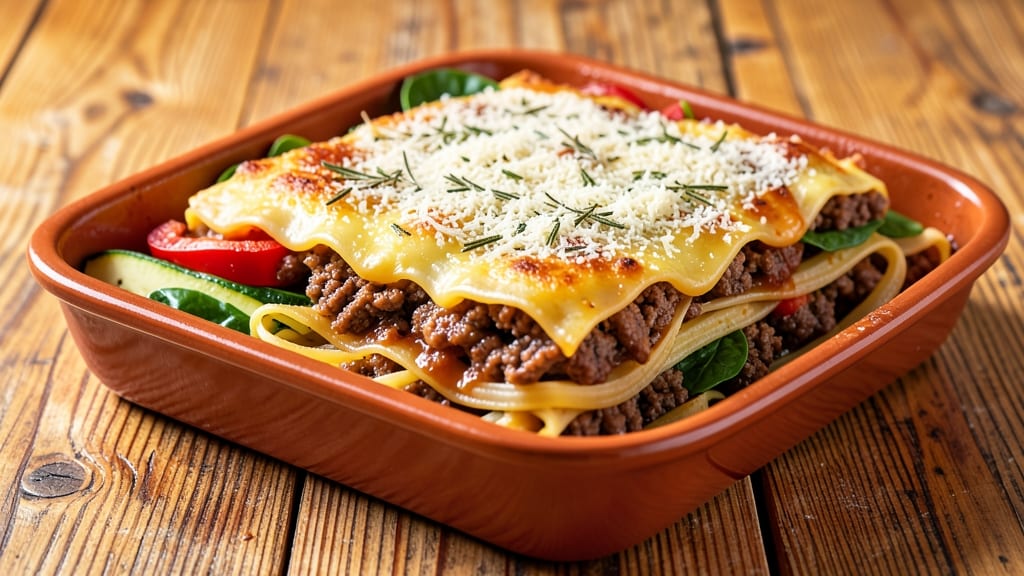
This beef and vegetable lasagne recipe delivers the ultimate comfort dish—rich, hearty layers of tender beef, fresh vegetables, and creamy cheese that bring the whole family to the table. The secret lies in slow-cooked ragù that melts into the noodles, while sautéed vegetables add vibrant color and texture.
I've perfected this version to balance traditional techniques with modern twists, ensuring every bite is both nostalgic and satisfying.
What sets this lasagne apart is the harmony between the beef and vegetable layers. The beef is seared to develop deep flavor, then simmered until fork-tender, while the vegetables—zucchini, bell peppers, and spinach—retain their natural brightness.
Pre-cooking the pasta prevents a gummy texture, and the béchamel sauce ties everything together with its velvety richness. For a modern touch, gluten-free pasta works beautifully without sacrificing texture.
The result is a lasagne that's impossible to resist—golden cheese on top, layers of meat and vegetables peeking through, and a sauce so flavorful it disappears with each bite. The slow baking ensures the lasagne holds its shape while developing a crispy, cheesy crust.
This is the kind of dish that tastes even better the next day, making it perfect for meal prep or special occasions.
Whether you're following tradition or looking for a lighter version, this recipe adapts effortlessly. The assembly process is straightforward, and the baking time allows for flexibility—just don't skip the resting period before slicing. Let's create a lasagne that feels like a warm hug in every layer.
Ingredients for beef and vegetable lasagne
Sixteen ingredients for a lasagne that balances rich beef ragù with vibrant vegetables and creamy layers.
| Ingredient | Amount | Notes |
|---|---|---|
| Ground Beef 🥩 | 1 ½ lb | 80% lean for rich flavor |
| Lasagne Noodles 🍝 | 12 pieces | Gluten-free if preferred |
| Zucchini 🥒 | 2 medium | Sliced into 1/4-inch rounds |
| Bell Peppers 🌶️ | 2 whole | Assorted colors, sliced thin |
| Fresh Spinach 🌿 | 5 oz | Baby spinach preferred |
| Yellow Onion 🧅 | 1 whole | Diced, for ragù base |
| Garlic Cloves 🧄 | 4 cloves | Minced for depth of flavor |
| Tomato Paste 🍅 | ½ cup | San Marzano preferred |
| Beef Broth 💧 | 2 cups | Low-sodium preferred |
| Red Wine 🍷 | ½ cup | Dry, bold variety |
| Unsalted Butter 🧈 | ½ cup | Cold for béchamel |
| All-Purpose Flour 🌾 | ½ cup | For velvety sauce |
| Whole Milk 🥛 | 2 cups | Full-fat for creaminess |
| Mozzarella Cheese 🧀 | 2 cups | Shredded, part-skim |
| Parmesan Cheese 🧀 | ½ cup | Freshly grated |
| Dried Oregano 🍃 | 1 tsp | Italian variety preferred |
| Salt 🧂 | 1 ½ tsp | Kosher or sea salt |
| Black Pepper 🌶️ | ½ tsp | Freshly cracked |
The beef is the foundation—80% lean ground beef gives you that perfect balance of tenderness and flavor. Costco or local butchers often have the best price per pound, and you can find pre-grated chuck if you're short on time. For the vegetables, farmers markets deliver the freshest zucchini and bell peppers, but grocery store produce works fine if it's firm and vibrant. The spinach? Baby spinach wilts faster during baking, so it stays tender. If you're making this ahead, pre-cook the noodles—al dente is key to avoiding a gummy lasagne.
No red wine? Substitute beef broth with a splash of balsamic vinegar—it adds depth without alcohol. Short on spinach? Swiss chard or kale works, but chop it finely so it blends into the layers. The béchamel sauce can be made ahead and refrigerated for up to 2 days, or frozen for 3 months. For a lighter version, use half-and-half instead of whole milk—it still delivers creaminess with fewer calories. The tomato paste should be San Marzano if you're splurging, but any quality brand works.
This lasagne tastes even better the next day—plan ahead if you're serving it for a special occasion. Assemble it up to 24 hours ahead and refrigerate uncovered for 30 minutes before baking to avoid a soggy top. Store leftovers in the fridge for 4-5 days or freeze for 3 months. For freezing, wrap tightly in foil and thaw overnight in the fridge before reheating. The cheese layer develops a beautiful golden crust during baking—don't skip the broil at the end for that restaurant-quality finish.
Why You'll Love This Recipe
- No-Chop Nightmare: I swear, the only prep is slicing the zucchini into half-moons—no dice, no julienne, just a quick chop. Bell peppers? Toss them in whole if you’re lazy (they’ll soften perfectly). The spinach? Just wilt it raw in the beef mixture—no pre-cooking fuss.
- Savory Umami Bomb: That ground beef gets browned with garlic and onion until it’s deep, then layered with zucchini and peppers that caramelize just enough to sweetness the bite. Top it with a simple marinara and mozzarella, and suddenly you’ve got restaurant-quality layers—no fancy sauce required.
- Leftovers That Don’t Suck: Between us, most lasagnes turn into sad, soggy glue after day two. Not this one. The noodles hold their shape, the beef stays juicy, and the veggies? Still crisp enough to eat cold. I’ve reheated slices for lunch three times—no one complained.
- Budget-Friendly Crowd-Pleaser: Ground beef stretches over a whole pan, and the veggies (especially spinach) bulk it up without costing extra. Feed six for under $15, and everyone—even the picky eaters—will ask for seconds. Honestly, it’s my go-to for game day or when friends drop by unannounced.
Step-by-step instructions for beef and vegetable lasagne
Layer by layer, we'll build a lasagne that balances rich beef ragù with fresh vegetables and creamy béchamel.
👨🍳 Step 1: Prepare the Beef Ragù Base
In a large Dutch oven, heat 1 tablespoon olive oil over medium-high heat. Add the 1.5 lb ground beef and cook, breaking it apart with a wooden spoon, until it loses its raw color and begins to brown—about 5-6 minutes. This should yield about ¼ cup of rendered fat.
Push the beef to one side of the pan and add 1 tablespoon olive oil to the empty space. Add the 1 whole yellow onion and 4 cloves garlic cloves, mincing the garlic directly in the pan. Sauté for 3-4 minutes until the onion is translucent and the garlic releases its aroma. Add 1 teaspoon dried oregano, 1 teaspoon salt, and ½ teaspoon black pepper.
Return the beef to the pan and stir to combine. Add the 0.5 cup tomato paste and cook for 1-2 minutes until it darkens slightly. Pour in the 0.5 cup red wine and scrape up any browned bits from the bottom of the pan. Let it simmer for 3-4 minutes until the wine reduces by half. Add the 2 cups beef broth and bring to a gentle simmer. Cover and let it cook at a low boil for 30 minutes, stirring occasionally, until the sauce thickens.
👨🍳 Step 2: Sauté the Vegetables
While the ragù simmers, heat a large skillet over medium heat. Add 1 tablespoon olive oil and sauté the 2 medium zucchini, sliced into ¼-inch rounds, and the 2 whole bell peppers, sliced thin, for 4-5 minutes until just tender but still vibrant in color. Transfer the vegetables to a bowl and set aside.
In the same skillet, add another 1 tablespoon olive oil and sauté the 5 oz fresh spinach for 1-2 minutes until wilted. Transfer the spinach to the bowl with the other vegetables. This step ensures the vegetables retain their color and texture without becoming mushy.
🍳 Step 3: Make the Creamy Béchamel Sauce
In a medium saucepan, melt the 0.5 cup unsalted butter over medium heat. Whisk in the 0.5 cup all-purpose flour and cook for 1-2 minutes, stirring constantly, until the mixture turns a light golden color. This is called a roux, and it's the foundation of your béchamel.
Gradually whisk in the 2 cups whole milk, about ½ cup at a time, allowing each addition to be fully absorbed before adding more. Continue whisking until the sauce thickens enough to coat the back of a spoon—about 5-7 minutes total. Remove from heat and stir in ½ cup grated Parmesan cheese and ½ teaspoon salt. The sauce should be smooth and velvety.
🥘 Step 4: Assemble the Lasagne Layers
Preheat your oven to 375°F. In a 9x13-inch baking dish, spread a thin layer of the beef ragù on the bottom to coat the dish. This prevents the lasagne from sticking and adds flavor to every bite.
Add a layer of 4 lasagne noodles, slightly overlapping them if needed. Spread ⅓ of the vegetable mixture evenly over the noodles, followed by ⅓ of the béchamel sauce. Sprinkle with ⅓ of the mozzarella cheese. Repeat this layering process two more times, ending with a final layer of noodles, remaining ragù, vegetables, béchamel, and the remaining mozzarella cheese. This ensures each forkful delivers a perfect balance of flavors and textures.
🔥 Step 5: Bake to Golden Perfection
Cover the lasagne tightly with aluminum foil and bake for 30 minutes. Remove the foil and bake for an additional 15-20 minutes until the top is golden brown and bubbly. The edges should be slightly crispy, and the cheese should be melted and bubbling.
Let the lasagne rest for 10-15 minutes before slicing. This resting time allows the layers to set and makes it easier to cut clean slices. Serve immediately with a side of garlic bread and a crisp green salad to complete the meal. The result is a hearty, comforting lasagne where every layer works together in perfect harmony.
Pro Tips For Making Beef And Vegetable Lasagne
- Sear the Beef First: I learned this the hard way—skipping the sear means a bland, gray meat sauce. Brown the ground beef in batches over medium-high heat until it’s deeply caramelized (not just pink), then drain the fat. That’s when the beef starts to develop real flavor, not just cook.
- Salt the Zucchini: Fresh zucchini releases water like a faucet when raw, and nobody wants a soggy lasagna. Toss sliced zucchini with ½ teaspoon salt per pound and let it sit in a colander for 10 minutes before draining. Rinse if needed—this cuts down on excess moisture without sacrificing texture.
- Layer Spinach Last: My grandmother swore by this, and she was right: wilted spinach in the bottom layers turns to mush by the time the lasagna finishes baking. Instead, layer it between the top noodle sheet and cheese, or fold it into the ricotta if you’re using it. It’ll stay vibrant and tender, not a sad, watery sludge.
- Pre-Cook the Noodles: I know, I know—it’s tempting to bake them raw for that "al dente" trick. But lasagna noodles need to soften fully, and baking them dry just turns them to cardboard. Boil them until they’re just shy of al dente (about 2 minutes less than package instructions), then drain and toss with a little olive oil. They’ll finish cooking in the oven without turning to paste.
Flavor customization for beef and vegetable lasagne
Spicy Italian Twist
Add 1 teaspoon crushed red pepper flakes to the beef ragù while simmering for a subtle kick. For more heat, stir in ½ teaspoon cayenne pepper or 1 tablespoon hot honey after baking. I love adding ½ cup diced spicy salami to the ragù for extra depth and heat. 🌶️
Smoky BBQ Fusion
Swap the tomato paste for ½ cup BBQ sauce (I recommend Sweet Baby Ray's) and add 1 teaspoon smoked paprika to the beef mixture. Top with ¼ cup shredded smoked mozzarella and 2 tablespoons chopped jalapeños before baking. This fusion brings Southern and Italian flavors together beautifully.
Mediterranean Herb Infusion
Brighten the dish with 1 tablespoon chopped fresh rosemary and 1 tablespoon chopped fresh thyme in the ragù. Add ½ cup kalamata olives and ¼ cup crumbled feta cheese to the vegetable layer. Finish with a sprinkle of toasted pine nuts for crunch and texture.
Creamy Mushroom Upgrade
Sauté 8 oz sliced cremini mushrooms with the vegetables and add 1 tablespoon butter to the béchamel for extra richness. Stir in 2 tablespoons cream cheese to the sauce for a velvety texture. This earthy addition pairs perfectly with the beef and adds a luxurious touch.
Vegetarian-Friendly Swap
Replace the beef with 1.5 lb lentils or crumbled tempeh for a plant-based version. Use 1 tablespoon soy sauce or 1 teaspoon liquid smoke in the ragù to mimic the umami depth of beef. The vegetables and béchamel layers remain unchanged, ensuring a satisfying texture.
Sweet & Tangy Glaze
Brush the top layer of lasagne with a mix of 2 tablespoons balsamic glaze and 1 tablespoon honey before baking for a sweet-tangy contrast. Add ¼ cup dried cranberries or apple slices to the vegetable layer for a festive touch. This works especially well for holiday gatherings. 🍯
Nutrition facts
Frequently asked questions
Can I make this lasagne ahead of time?
Assemble the lasagne up to 24 hours ahead and refrigerate it uncovered for 30 minutes before baking. This prevents a soggy top. For freezing, bake it completely, then wrap tightly in foil and freeze for up to 3 months. Thaw overnight in the fridge before reheating. The flavors actually improve after resting!
What's the best way to reheat leftovers?
Slice the lasagne and reheat portions in the oven at 350°F for 15-20 minutes until bubbly. For microwave reheating, cover with a damp paper towel and heat in 30-second intervals to prevent drying. The oven method keeps the layers moist and the cheese creamy. Leftovers keep well for 4-5 days in the fridge.
Do I need to pre-cook the lasagne noodles?
Yes, always pre-cook the noodles al dente according to package instructions, then drain well. This prevents a gummy texture in the final lasagne. Pro tip: Toss the cooked noodles with a little olive oil to prevent sticking during assembly. Some recipes use uncooked noodles, but they require longer baking times and may not cook evenly.
Can I use regular pasta sheets instead of lasagne noodles?
Regular pasta sheets (like fettuccine or tagliatelle) work perfectly when cooked al dente and arranged in overlapping layers. For extra stability, you can even layer a few sheets of lasagne noodles between regular pasta layers. This creates a beautiful presentation while maintaining the same delicious texture.
Why is my lasagne so dry after baking?
This usually happens from overbaking or not enough sauce. Check your baking time—45-55 minutes total is ideal. If the top is too dry, try adding a thin layer of béchamel sauce before the final cheese layer. Also ensure your ragù and béchamel have enough liquid to bind the layers. Covering with foil during baking helps retain moisture.