
Soups & Stews
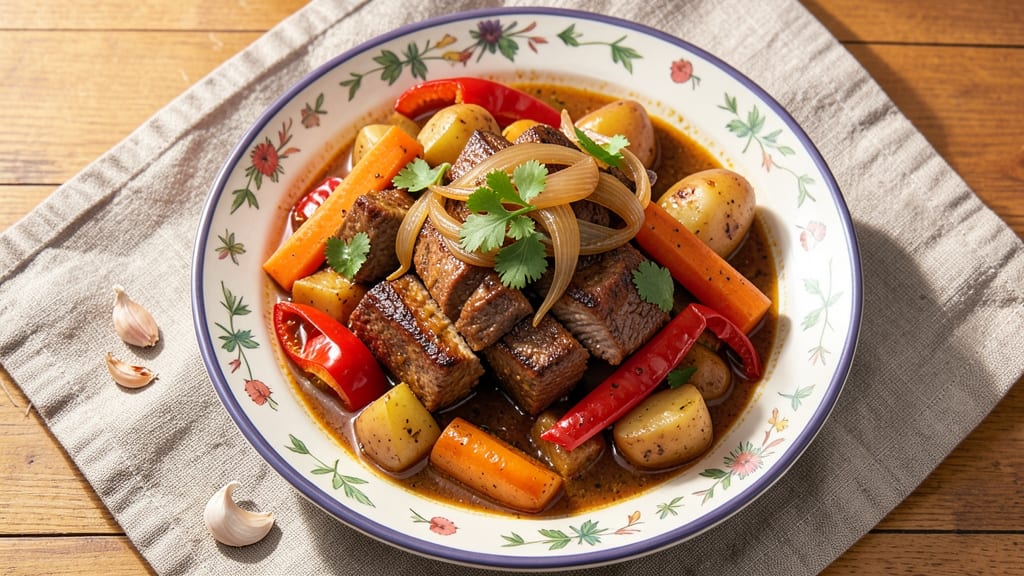
This beef and vegetable curry recipe transforms simple ingredients into a fragrant, spiced masterpiece that simmers into rich, velvety perfection. The secret lies in balancing aromatic spices with tender beef and vibrant vegetables, all melding together over 45 minutes on the stove.
I developed this version after years of experimenting with slow-cooked techniques, but it works just as well on a weeknight—no pressure cooker required.
The foundation starts with a proper spice blend—cumin, coriander, and turmeric toasted until fragrant—before adding garlic, ginger, and fresh chili for depth. Beef chuck (cut into bite-sized pieces) browns quickly in the pot, locking in flavor, while potatoes, carrots, and bell peppers soften into the sauce.
Coconut milk creates that signature creaminess, but the real magic happens when you simmer everything low and slow, letting the spices infuse and the beef become fork-tender.
By the time you serve it, you’ll have a restaurant-quality curry with layers of flavor—smoky from the spices, sweet from the caramelized vegetables, and rich from the coconut milk. The sauce should coat the back of a spoon, clinging to every bite of beef and vegetable.
It’s the kind of dish that disappears faster than you can say "second helping," leaving everyone asking for the recipe.
Pair it with basmati rice or warm naan to soak up every last drop of that aromatic sauce. The best part? This curry tastes even better the next day, making it perfect for meal prep or feeding a crowd. Let’s get cooking—your taste buds will thank you.
Ingredients for beef and vegetable curry
Aromatic spices, tender beef, and vibrant vegetables come together in this one-pot masterpiece.
| Ingredient | Amount | Notes |
|---|---|---|
| Beef Chuck Roast 🥩 | 1 ½ lb | Cut into 1-inch cubes, trimmed of fat |
| Yellow Onions 🧅 | 1 whole | Medium size, thinly sliced |
| Carrots 🥕 | 3 medium | Peeled, cut into 1-inch chunks |
| Red Bell Peppers 🌶️ | 1 whole | Cut into 1-inch pieces, seeds removed |
| Russet Potatoes 🥔 | 2 medium | Peeled, cut into 1-inch cubes |
| Garlic Cloves 🧄 | 6 cloves | Minced, fresh preferred |
| Fresh Ginger 🌿 | 1 inch | Peeled, grated, about 1 tbsp |
| Ground Cumin 🌿 | 1 ½ tbsp | Toasted for deeper flavor |
| Ground Coriander 🌶️ | 1 ½ tbsp | Freshly ground preferred |
| Turmeric Powder 🌶️ | 1 tsp | Bright yellow, vibrant color |
| Garam Masala 🌶️ | 1 tsp | Store-bought blend works fine |
| Red Chili Flakes 🔥 | ½ tsp | Adjust for heat preference |
| Coconut Milk 🥥 | 1 can (13.5 oz) | Full-fat for creaminess |
| Tomato Paste 🍅 | 2 tbsp | Smooth, no sugar added |
| Fresh Cilantro 🌿 | ¼ cup | Chopped, for garnish |
| Lemon Juice 🍋 | 1 tbsp | Freshly squeezed |
| Olive Oil 🫒 | 2 tbsp | Extra-virgin for richness |
| Salt 🧂 | 1 ½ tsp | Diamond Crystal preferred |
| Black Pepper 🌶️ | ½ tsp | Freshly ground preferred |
The beef is non-negotiable—chuck roast gives you that melt-in-your-mouth texture, while sirloin stays tough. Grab it from the butcher counter or pre-cubed section at Whole Foods for convenience. Look for good marbling (that white fat) and avoid anything grayish or overly lean. For the spices, Penzeys Spices or the bulk bins at Trader Joe's are my go-tos—they stay fresher longer. Toast your whole spices (cumin, coriander) in a dry pan for 30 seconds before grinding—that's where the magic happens.
No fresh ginger? Ground ginger at half the amount works, but it's not the same. Short on coconut milk? Heavy cream plus 1 tbsp coconut cream mimics the richness. The tomato paste can be skipped if you hate it, but I always include it—it deepens the sauce color. For the bell peppers, red gives sweetness, but green or yellow works too. The carrots and potatoes don't need peeling if you're in a hurry, though I prefer the cleaner taste of peeled. And if you're worried about heat, reduce the chili flakes to just a pinch—it's easy to adjust later.
This curry tastes even better the next day—plan ahead. Store in an airtight container in the fridge for up to 5 days, or freeze portions for 3 months. I always make a double batch because it reheats beautifully—just add a splash of water or coconut milk if it thickens. For serving, warm some basmati rice or naan on the side. The sauce will thicken as it cools, so don't stress if it looks too heavy when reheating—just stir in a little water or milk.
Why You'll Love This Recipe
- One-Pot Magic: I swear by this recipe when I’m too tired to wash a million dishes. The beef chuck roast practically falls apart on its own, and everything simmers together in one pot—no extra pans, no stress. Just chop, dump, and let it work its flavor.
- Rich Without Fuss: That beef chuck roast? It’s the secret weapon—tender, deep, and packed with flavor without needing fancy marinades. The onions caramelize just enough to sweeten the whole dish, and the potatoes soak up all the savory goodness like sponges.
- Leftovers That Beg for More: Between us, this curry tastes even better the next day. I make a double batch on Sundays because it’s perfect for lunches—just reheat and serve. My kids (who usually hate leftovers) actually ask for seconds.
- Budget-Friendly Crowd-Pleaser: You’re feeding a houseful for less than takeout, and the ingredients won’t break the bank. The chuck roast stretches far, the veggies bulk it up, and honestly? It’s the kind of meal that makes you look like a cooking hero without trying.
Step-by-step instructions for beef and vegetable curry
This aromatic curry builds layer upon layer of flavor in one pot—here's how to make it sing.
Sear the Beef for Maximum Flavor
Heat the 2 tablespoons olive oil in a large, heavy-bottomed pot over medium-high heat. Once shimmering, add the 1.5 lb beef chuck roast cut into 1-inch cubes, working in batches if needed to avoid crowding. Sear each piece for 2-3 minutes per side until deeply browned—this creates the rich foundation for your curry.
I press down gently on the beef with a spoon during the first minute to prevent curling, which ensures even contact with the hot oil. Remove the beef and set aside on a plate. If the oil starts smoking excessively, reduce heat slightly—you want a steady sizzle, not flames.
Build the Spice Base
In the same pot, add the 1 whole yellow onions sliced thinly and cook for 4-5 minutes until softened and golden. Add the 3 medium carrots cut into chunks, 1 whole red bell pepper in pieces, and 2 medium russet potatoes cubed. Stir occasionally for 5 minutes until the vegetables begin to soften and caramelize slightly.
Now add the 6 cloves garlic, 1 inch fresh ginger (about 1 tablespoon grated), 1.5 tablespoons ground cumin, 1.5 tablespoons ground coriander, 1 teaspoon turmeric powder, 1 teaspoon garam masala, and 0.5 teaspoon red chili flakes. Stir vigorously for 1-2 minutes until the spices release their aromatic oils and the mixture smells deeply fragrant—this is where the magic happens.
Develop the Sauce
Pour in the 2 tablespoons tomato paste and stir to combine with the spice mixture. Cook for 2 minutes until the paste darkens slightly. Add 1 cup of water (enough to deglaze the pot and create a loose paste) and scrape up any browned bits from the bottom—they're packed with flavor. Return the beef to the pot along with any accumulated juices.
Pour in the 1 can (13.5 oz) coconut milk and bring the mixture to a gentle simmer. Here's the thing—you'll want to maintain a low, steady simmer rather than a rolling boil. This ensures the beef tenderizes without toughening. Cover the pot and let it cook for 1 hour, stirring occasionally, until the beef is fork-tender and pulls apart easily.
Finish and Adjust
After the initial hour, uncover the pot and simmer for another 15-20 minutes until the sauce thickens slightly and the vegetables are tender but not mushy. Taste and adjust seasoning with the 1.5 teaspoons salt and 0.5 teaspoon black pepper—you might need a bit more salt to balance the richness of the coconut milk.
Stir in the 1 tablespoon lemon juice and 0.25 cup fresh cilantro, reserving a few sprigs for garnish. The acidity brightens the dish while the cilantro adds freshness. Let the curry sit off heat for 5 minutes before serving—this allows the flavors to meld completely. Garnish with the reserved cilantro and serve hot with basmati rice or naan bread.
Pro Tips For Making Beef And Vegetable Curry
- Sear the Beef First: After cutting the chuck roast into chunks, pat it very dry with paper towels—this isn’t optional—and sear them in batches over high heat until deep brown. I learned this the hard way: skipping the sear means a curry that tastes more like stewed beef than rich, caramelized flavor. Let the pan get screaming hot first; if you hear sizzling, you’re doing it right.
- Cut Potatoes Uniformly: Russet potatoes take forever to cook if they’re uneven. Cut them into 1.5-inch chunks before adding them to the curry, and avoid the temptation to slice them thin for faster cooking—this turns them to mush. My grandmother swore by this, and she was right: consistent size means tender, not falling-apart potatoes every time.
- Add Bell Peppers Last: Bell peppers release water like crazy when cooked too long, diluting your curry. Toss them in only after the beef and onions have softened and the spices have bloomed—about 15 minutes before the end. I was skeptical until I tried it: they stay crisp-tender and vibrant, not soggy and sad.
- Deglaze with Beer or Broth: After browning the beef, don’t just splash in water to deglaze—use a splash of dark beer (like stout) or rich beef broth instead. The alcohol burns off, leaving behind deeper flavor, and the broth adds body without thinning the sauce too much. This isn’t the prettiest method, but it’s the tastiest. Trust the process.
Troubleshooting this recipe
Sauce Too Thin?
If your curry sauce is too thin, don't panic—simmering uncovered for 5-10 extra minutes will thicken it naturally as the liquid evaporates.
For a quicker fix, mix 1 tablespoon cornstarch with 2 tablespoons cold water, stir into the curry, and simmer for 2 minutes until it reaches your desired consistency. I've also used ½ cup plain Greek yogurt to add creaminess and thickness while balancing heat. 🔥
Beef Still Tough?
Undercooked beef is often the result of insufficient cooking time or too-high heat. If your beef feels tough after 1 hour, extend the simmering time by another 30-45 minutes on low heat.
For a shortcut, add 1 cup beef broth to the pot and cover—this creates a steaming environment that tenderizes the meat faster. I've also found that cutting the beef into slightly smaller pieces (¾ inch instead of 1 inch) helps with even cooking. ⏰
Spices Too Overpowering?
If your curry tastes like a spice bomb, balance it with 1 tablespoon honey or sugar to mellow the heat, or add ½ cup plain yogurt to cool the palate. Fresh herbs like cilantro or mint also help cut through the intensity.
For future batches, reduce the chili flakes to ¼ teaspoon and toast your spices for just 30 seconds instead of longer—they'll still be flavorful without dominating. 🌿
Vegetables Mushy?
Overcooked vegetables often happen when you add potatoes too early. To fix this, add potatoes and carrots 20 minutes before the curry is done, or remove them 10 minutes early and reheat separately.
For future attempts, keep potatoes and carrots separate until the very end of cooking, or use sturdier vegetables like cauliflower or green beans that hold up better. 🥕
Oil Floating on Top?
Excess oil floating in your curry is normal if you used fatty beef cuts. To reduce it, skim off as much as possible with a spoon before serving.
For next time, trim excess fat from the beef before cooking, or use leaner cuts like sirloin (though they won't be as tender). If you prefer a creamier texture, stir in 1 tablespoon cornstarch mixed with water to help emulsify the sauce. 🫒
Lacking Depth of Flavor?
A bland curry usually means underdeveloped spices or insufficient browning. Next time, toast your spices in a dry pan for 1-2 minutes until fragrant before adding them to the pot. Also, ensure you brown the beef deeply—this creates the Maillard reaction that builds rich, complex flavors.
For an instant boost, add 1 teaspoon fish sauce or soy sauce to deepen umami, or finish with a splash of lemon juice to brighten the dish. 💡
Nutrition facts
Frequently asked questions
Can I use ground beef instead of beef chuck?
Ground beef works, but you'll lose that melt-in-your-mouth texture. For best results, stick with chuck roast cut into 1-inch cubes—it stays tender when slow-cooked. If you must use ground beef, cook it separately until browned first, then add to the pot during the final 15 minutes of simmering to prevent toughness.
How do I make this curry less spicy?
Start by reducing the red chili flakes to ¼ teaspoon or omit them entirely. For an already-made curry, stir in ½ cup plain yogurt or 1 tablespoon honey to balance the heat. Fresh herbs like cilantro or mint also help cool the palate naturally.
Can I make this in a slow cooker?
Brown the beef and build the spice base in a skillet first, then transfer everything to your slow cooker. Cook on low for 6-7 hours or high for 3-4 hours. The slow cooker's gentle heat ensures tender beef and perfectly cooked vegetables without monitoring. Just stir in the lemon juice and cilantro at the end.
What vegetables can I swap in?