
Soups & Stews
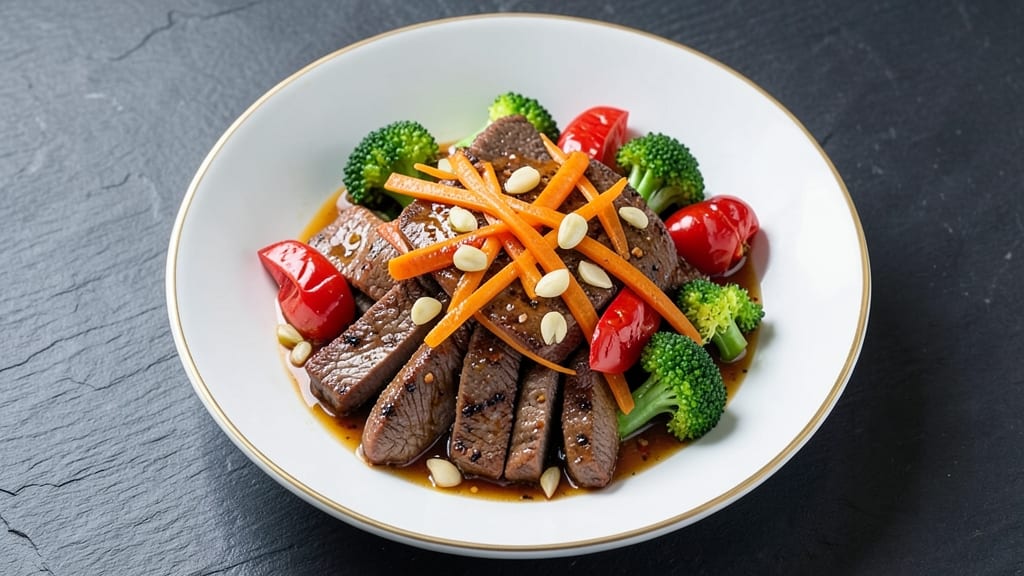
This beef and vegetable Chinese recipe delivers restaurant-quality wok-fired harmony in just 25 minutes, balancing tender beef strips with crisp vegetables in a savory soy-ginger sauce.
The secret lies in high-heat stir-frying to preserve the vegetables' crunch while developing deep umami flavors through proper sauce layering—a technique that transforms simple ingredients into a dish worthy of any Chinese bistro.
We'll start with thinly sliced beef that cooks quickly over high heat, then add vegetables in stages to maintain texture contrast. The sauce combines traditional Chinese elements—soy sauce for saltiness, ginger for warmth, and a touch of oyster sauce for depth—while a splash of Shaoxing wine brightens the dish.
This isn't just another stir-fry; it's a carefully orchestrated balance of textures and flavors that will have you reaching for the wok again.
By the time you're done, you'll have perfectly seared beef with just the right amount of tenderness, paired with vegetables that remain crisp yet tender. The sauce clings to everything, creating a dish that's equally satisfying served over steamed rice or with your favorite noodles.
The aroma alone will transport you to a bustling Chinese kitchen, while the first bite delivers that perfect combination of savory, slightly sweet, and aromatic.
What makes this recipe particularly impressive is its versatility—swap in your favorite vegetables or adjust the sauce to suit your taste preferences. The technique remains the same: high heat, quick cooking, and proper sauce integration.
Whether you're feeding a family or treating yourself to a special meal, this dish delivers professional-quality results with minimal effort.
Ingredients for beef and vegetable chinese
High-heat stir-fry essentials that transform simple ingredients into restaurant-quality harmony.
| Ingredient | Amount | Notes |
|---|---|---|
| Flank Steak 🥩 | 1 lb | Thinly sliced against grain |
| Bell Peppers 🌶️ | 2 whole | Red or green, sliced into strips |
| Broccoli Florets 🥦 | 1 ½ cups | Cut into bite-sized pieces |
| Carrots 🥕 | 2 whole | Julienned into matchsticks |
| Garlic Cloves 🧄 | 4 cloves | Minced for sauce |
| Fresh Ginger 🌿 | 2 tbsp | Finely grated, peeled |
| Soy Sauce 🥄 | ½ cup | Light or all-purpose |
| Oyster Sauce 🍜 | 2 tbsp | High-quality brand preferred |
| Shaoxing Wine 🍷 | 2 tbsp | Dry Chinese cooking wine |
| Sesame Oil 🫒 | 1 tbsp | Toasted, for finishing |
| Neutral Oil 🫒 | 3 tbsp | Peanut or vegetable oil |
| Cornstarch 🌾 | 1 tbsp | For beef marinade |
| Green Onions 🧅 | 3 whole | Sliced for garnish |
| Sesame Seeds 🌱 | 1 tsp | Toasted, for garnish |
| Salt 🧂 | 1 tsp | Kosher or sea salt |
The beef is everything here—flank steak slices thinly against the grain for perfect tenderness. Look for well-marbled cuts at Whole Foods or your local Asian market; Costco often carries pre-sliced beef for stir-fry if you're short on time. Fresh ginger and garlic should smell vibrant, not dried out. For the vegetables, broccoli and carrots hold up best to high heat—avoid leafy greens that wilt quickly. If you can't find Shaoxing wine, dry sherry works in a pinch, though the authentic flavor is worth seeking out.
No oyster sauce? Soy sauce plus a splash of fish sauce mimics that umami depth, though it won't be identical. Short on sesame oil? Toasted peanut oil at half the amount adds similar nuttiness. The cornstarch marinade is non-negotiable—it creates that signature wok-hei texture. For the bell peppers, red or green both work, but yellow adds a subtle sweetness. If you're prepping ahead, slice the beef and vegetables first, then store separately in airtight containers to maintain crispness. The sauce can be made a day ahead and reheated gently.
This dish reheats beautifully—just toss with a splash of water and stir-fry again over high heat. Keeps for 3-4 days in the fridge, though the vegetables lose their crispness after day two. For longer storage, freeze the cooked beef and vegetables separately (the sauce freezes well too) for up to 3 months. I always make extra rice to go with it—jasmine rice from Trader Joe's is my go-to for that authentic texture. The leftovers taste even better the next day as the flavors meld.
Why You'll Love This Recipe
- One-Pan Magic: I swear by this recipe—just toss everything (flank steak, bell peppers, broccoli, carrots) into one pan, and let the garlic and soy sauce work their magic. No chopping boards to clean, no extra bowls—just stir, sear, and serve.
- Umami Bomb: That first bite of tender flank steak with the charred edges? The garlic cloves sizzling in the wok release this deep, savory punch that makes you forget you’re eating "healthy." Between us, the broccoli gets crispy in all the right spots.
- Lunchbox Hero: Between us, this dish is my secret weapon for meal prep. I’ll make a big batch on Sunday, and by Wednesday, I’m still pulling out containers of it—steak stays juicy, veggies hold their crunch, and the sauce clings to everything. Zero sad desk lunches here.
- Budget Steakhouse: Flank steak on sale? Grab it. Carrots and bell peppers in the crisper? Snag them. This recipe turns $10 into a dinner that feels like a splurge—no fancy marinades, no obscure ingredients. Honestly, it’s the kind of meal that makes you question why you ever ordered takeout.
Step-by-step instructions for wok-fired soy ginger beef
Here's how to achieve that perfect balance of tender beef and crisp-tender vegetables in under 30 minutes.
Marinate and Prep the Flank Steak
Begin by slicing the 1 lb flank steak thinly against the grain into strips about ¼-inch thick. This ensures tender bites that cook quickly in the wok. Place the sliced steak in a bowl and add the 1 tbsp cornstarch, 1 tsp salt, and 2 tbsp Shaoxing wine. Toss gently to coat evenly—this creates a light crust that helps seal in juices during cooking.
Let the marinated steak rest for 10 minutes while you prep the vegetables. The cornstarch will begin to form a thin, dry coating, which is crucial for that signature wok-fried texture. Don't skip this step—it makes all the difference in preventing dry meat.
Sauté the Aromatics and Vegetables
Heat 2 tbsp neutral oil in a wok or large skillet over high heat until shimmering. Add the 4 cloves minced garlic and 2 tbsp finely grated ginger, stirring constantly for 20-30 seconds until fragrant but not browned. This quick cooking preserves their bright flavors without bitterness.
Add the 2 whole bell peppers sliced into strips, 1.5 cups broccoli florets, and 2 whole carrots julienned into matchsticks. Stir-fry for 3-4 minutes until the vegetables begin to soften but still retain their vibrant color. The high heat ensures they stay crisp-tender rather than turning mushy. Keep them moving constantly to prevent sticking.
Cook the Beef and Combine Sauces
Push the vegetables to one side of the wok and add the remaining 1 tbsp neutral oil. Working quickly, add the marinated steak in a single layer and let it sear undisturbed for 1-2 minutes until the edges turn golden. This initial sear locks in flavors and creates that beautiful caramelized crust.
Stir the beef into the vegetables, then pour in the 0.5 cup soy sauce and 2 tbsp oyster sauce. Toss everything together for 2-3 minutes until the beef is cooked through and the sauce begins to coat the ingredients. You want the beef to reach an internal temperature of 145°F—it should be slightly pink in the center for perfect doneness.
Finish with Sesame Oil and Garnish
Remove the wok from heat and drizzle in the 1 tbsp toasted sesame oil. Toss gently to distribute the oil evenly—this adds depth of flavor and a nutty aroma. The oil should coat the vegetables and beef lightly, enhancing their natural sweetness.
Garnish with 3 whole green onions sliced and 1 tsp toasted sesame seeds right before serving. These finishing touches not only add visual appeal but also bring freshness and texture contrast to the dish. Serve immediately while the vegetables are still crisp-tender and the beef is juicy.
Pro Tips For Making Beef And Vegetable Chinese
- CUT STEAK AGAINST THE GRAIN: Flank steak’s fibers run long—if you slice with the grain, you’ll end up with chewy, rubbery bites. Take your time, angle the knife at 45 degrees, and slice against the grain after cooking. (Yes, it’s tedious, but the payoff is worth it.)
- BLANCH VEGETABLES FIRST: Toss broccoli and carrots in boiling water for 1 minute before stir-frying—this softens them just enough so they don’t turn mushy while the beef cooks. Bell peppers? Skip the blanching; they’ll hold up fine. (I learned this after watching my broccoli turn into a sad, limp pile.)
- DON’T OVERCROWD THE PAN: Piling everything in at once steams the veggies instead of searing them. Work in batches: beef first (2-3 minutes per side), then pull it out. Use that same pan to stir-fry veggies in fresh oil—hot and fast. (Your future self will thank you for not dealing with soggy stir-fry.)
- USE GARLIC LIKE A PRO: Minced garlic burns in seconds. Smash 3-4 cloves flat with the side of your knife, then slice thinly—this keeps them intact longer. Add them last, just before serving, so they infuse flavor without turning bitter. (Sounds weird, but it works—trust me.)
Dietary considerations for beef and vegetable chinese
Gluten-Free Adaptations
This recipe naturally accommodates gluten-free diets by relying on soy sauce and oyster sauce—just ensure they're certified gluten-free. I always use Kikkoman Tamari or San-J Tamari for soy sauce, as these are gluten-free alternatives to traditional soy sauce.
The cornstarch marinade can be swapped for arrowroot powder in a 1:1 ratio to maintain the same texture without gluten. 🌱
Dairy-Free Considerations
The dish is inherently dairy-free, but always double-check oyster sauce labels—some brands contain trace amounts of milk. The sesame oil and Shaoxing wine are also naturally dairy-free, making this recipe safe for those avoiding dairy products.
I've served this to friends with lactose intolerance without any issues, and the flavors remain rich and satisfying.
Low-Carb Options
For a lower-carb version, reduce or eliminate the bell peppers and carrots, then add 1 cup sliced mushrooms or 2 cups bok choy instead. The beef and broccoli will still provide a hearty, flavorful meal while keeping carbs in check.
I've found that shirataki noodles make a great low-carb substitute for rice if you're avoiding grains entirely.
Vegetarian Swaps
To make this recipe vegetarian, replace the beef with extra-firm tofu pressed and sliced into strips. Toss the tofu in the same cornstarch marinade (or arrowroot powder) and cook it for 3-4 minutes until golden.
For added protein, I sometimes add 1 cup cooked edamame or 1 cup sliced king oyster mushrooms—both hold up well to stir-frying and absorb the sauce beautifully.
Allergen-Friendly Tips
For nut allergies, avoid sesame oil and replace it with avocado oil or light olive oil for finishing. If you're sensitive to sulfites, choose a low-sodium soy sauce and check oyster sauce labels, as some brands contain added preservatives.
I always keep a separate set of utensils and oil when cooking for allergies to prevent cross-contamination.
Protein Adjustments
If you're looking for more protein without beef, consider adding ½ cup cooked quinoa or ½ cup chickpeas to the stir-fry. Both absorb the sauce well and add texture.
For a seafood option, swap the beef for shrimp or scallops, which cook in just 2 minutes and pair beautifully with the soy-ginger flavor profile. Just be sure to cook them separately and add them back at the end to avoid overcooking.
Nutrition facts
Frequently asked questions
Can I use a different cut of beef instead of flank steak?
For this stir-fry, look for cuts that slice thinly against the grain—sirloin or ribeye work well. Avoid tougher cuts like chuck roast, as they won't tenderize properly in the quick cooking time. If you prefer a leaner option, top round also works, but marinate it for 20 minutes instead of 10 to ensure tenderness.
What vegetables can I swap in for broccoli and carrots?
This dish is incredibly flexible! Try snap peas, bok choy, or shredded cabbage for extra crunch. For heartier options, add sliced mushrooms or water chestnuts—both hold up well to stir-frying. Just adjust cooking times: leafy greens like bok choy cook in 1-2 minutes, while denser veggies need 3-4 minutes.
Why does my beef turn out tough instead of tender?
This usually happens if the beef isn't sliced thinly against the grain or if it's overcooked. Always slice at a ¼-inch thickness and cook for just 1-2 minutes until edges caramelize. The cornstarch marinade is key—it creates a protective crust that keeps juices in. For extra tenderness, marinate the beef for 15 minutes instead of 10 before cooking.
Can I make this recipe without a wok?
Yes! A large skillet or cast-iron pan works perfectly—just use high heat and keep the food moving constantly. For even better results, use a 12-inch nonstick pan with sloped sides to mimic a wok's shape. The key is maintaining that high heat to achieve the signature wok-fired texture, even without a traditional wok.
How can I make this dish spicier?
Add 1 tsp chili crisp or ½ tsp red pepper flakes to the sauce for immediate heat. For a smoky kick, stir in 1 tsp gochujang (Korean chili paste) with the oyster sauce. If you love fresh heat, toss in 1 tbsp chopped Thai chilies at the end. Always taste as you go—start with less and adjust to your preference!