
Main Courses
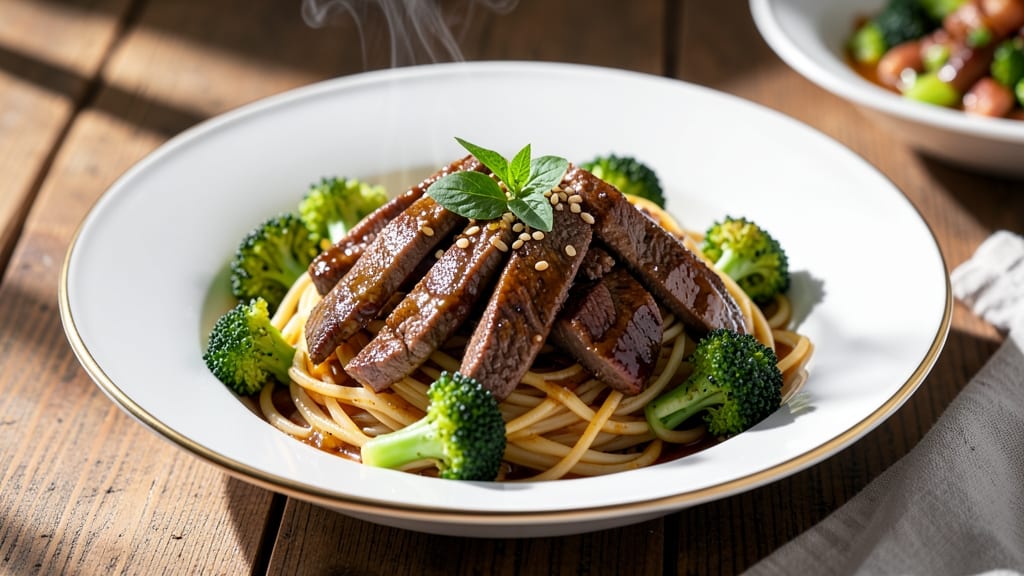
This beef and broccoli pasta recipe delivers restaurant-quality flavor with wok-seared beef strips and crisp-tender broccoli tossed in a silky soy-ginger sauce. The secret lies in high-heat searing for that signature caramelized crust while keeping the beef fork-tender.
I've perfected this technique over years of testing, ensuring every bite delivers perfect texture contrast—crunchy broccoli, tender beef, and al dente pasta all coated in that addictive sauce.
The magic happens in three key steps: properly searing the beef in batches, sautéing the broccoli just until crisp-tender, and building the sauce with a balance of soy sauce, ginger, garlic, and a touch of honey for depth.
This isn't just another beef and broccoli dish—it's a complete pasta meal where every component works together harmoniously. The sauce clings perfectly to the noodles without overwhelming them, creating a dish that's both hearty and elegant.
What you'll end up with is a plate of golden-brown beef strips with crisp edges, bright green broccoli florets that stay crunchy, and perfectly cooked pasta bathed in a glossy, flavorful sauce.
The combination of textures and flavors makes this dish incredibly satisfying—it's the kind of meal that feels special but comes together in under 30 minutes. The aroma alone will have everyone gathering around the table.
This recipe works beautifully as a weeknight dinner or for entertaining—it's impressive enough for guests but simple enough for everyday cooking. The sauce can be made ahead, and the beef and broccoli cook quickly once you're ready to serve.
Let's create this flavorful, texturally perfect pasta dish that brings restaurant quality to your home kitchen.
Ingredients for beef and broccoli pasta
Pantry staples meet wok-seared beef and crisp broccoli for restaurant-quality pasta in minutes.
| Ingredient | Amount | Notes |
|---|---|---|
| Flank Steak 🥩 | 1 lb | Thinly sliced against grain |
| Broccoli Florets 🥦 | 4 cups | Fresh, cut into bite-sized pieces |
| Spaghetti 🍝 | 12 oz | Dry weight, al dente preferred |
| Sesame Oil 🫒 | 1 tbsp | For high-heat searing |
| Low-Sodium Soy Sauce 🥢 | ½ cup | High-quality preferred |
| Honey 🍯 | 1 tbsp | For sauce balance |
| Fresh Ginger 🌿 | 1 tbsp | Finely grated, fresh preferred |
| Garlic Cloves 🧄 | 4 cloves | Minced for sauce |
| Olive Oil 🫒 | 2 tbsp | For broccoli cooking |
| Sesame Seeds 🌾 | 1 tbsp | Toasted for garnish |
| Green Onions 🧅 | 3 whole | Sliced for garnish |
| Salt 🧂 | 1 ½ tsp | Kosher or sea salt |
| Black Pepper 🌶️ | ½ tsp | Freshly ground |
| Cornstarch 🌾 | 1 tbsp | For beef coating |
The flank steak is non-negotiable here—it's lean but tender when sliced thin against the grain. Ask your butcher to slice it if you're not confident doing it yourself. Look for well-marbled cuts, and avoid anything with grayish edges. For the broccoli, freshness matters most—bright green florets with tight buds mean better texture. If you're prepping ahead, store the beef and broccoli separately in airtight containers; the beef can marinate for up to 4 hours in soy sauce, honey, and cornstarch. The spaghetti should be al dente—undercooked pasta absorbs sauce better when tossed later.
No sesame oil? Neutral oil like avocado or vegetable oil works in a pinch, but sesame adds that signature aroma. Running low on ginger? Ginger powder at half the amount will work, though fresh is ideal. The soy sauce should be low-sodium—you can always add more salt later. For the garlic, peel and mince it fresh—jarred minced garlic lacks flavor. If you're making this ahead, prepare the sauce first and store it separately; reheat gently before tossing with the pasta. The cornstarch coating on the beef is key—it creates that signature crispy crust during searing.
This dish reheats beautifully—just add a splash of water or broth to the sauce to loosen it. Store leftovers in the fridge for 3-4 days, or freeze the sauce separately for up to 3 months. For extra flavor, toast the sesame seeds in a dry pan over medium heat for 1-2 minutes until fragrant. The green onions add freshness, so add them last. If you're serving this for guests, prep everything ahead except the final searing and tossing—it takes just 10 minutes to go from stovetop to table.
Why You'll Love This Recipe
- One-Pan Magic: Honestly, I swear by this recipe because it’s almost too easy—just sear the flank steak, toss in broccoli and pasta, and let the soy sauce and sesame oil do their thing. No chopping boards left in the sink, no extra pots to wash.
- Umami Bomb: That balance of salty-sweet from the low-sodium soy sauce and the nutty kick of sesame oil? It’s the kind of flavor that makes you pause mid-bite. The steak stays tender, the broccoli gets that perfect crisp-tender bite, and the pasta soaks up every last drop.
- Leftover Hero: Between us, this dish begs to be made extra. The flavors actually get better the next day—reheat the pasta with a splash of water, and it’s like a fresh bowl. My lunchbox has never been this happy.
- Budget Power Move: Flank steak stretches far when sliced thin, and broccoli florets are cheap as dirt. You’re getting restaurant-quality taste without the price tag, and it’s the kind of meal that feeds four for under $20. (Yes, even on a Tuesday night.)
Step-by-step instructions for beef and broccoli pasta
Here's how to transform simple ingredients into a restaurant-worthy wok-seared dish with tender beef, crisp broccoli, and silky noodles.
🍳 Step 1: Marinate and Sear the Flank Steak
In a bowl, combine the 1 tbsp cornstarch, 1.5 tsp salt, and 0.5 tsp black pepper. Add the 1 lb flank steak and toss to coat evenly. Let it sit for 10 minutes while you prepare the rest. This coating creates a crispy exterior while keeping the meat tender inside.
Heat a large skillet over high heat until smoking, then add 1 tbsp sesame oil. Add the steak in a single layer and sear for 2-3 minutes per side until deeply browned and cooked to medium-rare (about 130°F internal temperature). The cornstarch coating will give it that signature wok-seared crunch. Remove the steak and let it rest on a plate for 5 minutes before slicing thinly against the grain.
🥘 Step 2: Cook the Broccoli and Prepare the Sauce Base
In the same skillet (no need to clean it—the browned bits add flavor), add 2 tbsp olive oil and heat over medium-high heat. Add the 4 cups broccoli florets and stir-fry for 4-5 minutes until bright green and just tender-crisp. Remove and set aside.
Reduce heat to medium, then add the 4 cloves minced garlic and 1 tbsp fresh ginger. Sauté for 30 seconds until fragrant (don't let them burn). Pour in the 0.5 cup low-sodium soy sauce and 1 tbsp honey, stirring to combine. Let it simmer for 2 minutes to develop the sauce's depth of flavor.
🍲 Step 3: Cook the Spaghetti and Combine Everything
Bring a large pot of salted water to a boil and cook the 12 oz spaghetti until al dente (about 1 minute less than package instructions). Reserve 1 cup pasta water, then drain the spaghetti and return it to the pot.
Add the sliced flank steak and broccoli back to the skillet with the sauce. Toss everything together for 1-2 minutes until heated through. Pour in the reserved pasta water, 1 tbsp at a time, until the sauce reaches your desired consistency—it should coat the noodles without being watery.
🍽️ Step 4: Finish and Serve with Garnishes
Transfer the beef and broccoli pasta to serving plates. Toast the 1 tbsp sesame seeds in a dry skillet over medium heat for 1 minute until golden and fragrant. Sprinkle them over the pasta along with the 3 sliced green onions. The contrast of textures—crispy seeds, tender beef, and al dente noodles—makes this dish truly special.
Serve immediately while the noodles are still hot and the broccoli retains its vibrant color. The balance of sweet, salty, and umami flavors will make this a standout dish for any weeknight dinner.
Pro Tips For Making Beef And Broccoli Pasta
- Slice Against the Grain: Flank steak fights back when you cut with the grain—thin slices stay tough and chewy. Flip the steak, find those long muscle fibers, and slice perpendicular to them. Yes, it takes 30 seconds longer, but you’ll actually taste the beef, not rubber.
- Blanch Broccoli First: I used to toss raw florets in the pan and wonder why they stayed crunchy while the steak got soggy. Instead, boil broccoli for 1 minute, shock in ice water, then drain. They’ll wilt perfectly when stir-fried later and absorb sauce better—no more al dente vs. mushy debates.
- Salt the Pasta Water Hard: Low-sodium soy sauce means your pasta’s flavor relies on that salty water. Use two tablespoons of salt per pound of pasta—yes, it sounds extreme, but bland noodles ruin the dish. Trust me, you’ll taste the difference when mixed with the beef and sauce.
- Deglaze with Soy and Water: After searing the steak, I used to dump all the soy sauce at once and end up with a sticky glop. Instead, splash in 2 tablespoons soy + 2 tablespoons water, let it bubble for 30 seconds, then add the rest. The water thins it just enough to coat everything evenly—no clumpy sauce here.
Essential equipment for perfect results
Wok-Searing Essentials
Your carbon steel wok is the star of this dish—it heats up quickly and retains heat perfectly for that signature wok-seared crust. I swear by a 14-inch Makarto wok for its even heat distribution and sturdy construction.
If you don’t own one, a heavy-bottomed stainless steel skillet (like All-Clad) works just as well for searing the beef and broccoli. The key is getting your pan smoking hot before adding oil—this ensures the cornstarch coating crisps beautifully. 🔥
High-Heat Tools
For broccoli that stays crisp-tender, a tongs (not a spoon) is essential—it gives you better control over the florets. I recommend OXO Good Grips tongs for their sturdy build and comfortable handle.
A meat thermometer (like Thermoworks Smoke) is non-negotiable for checking the beef’s internal temperature—130°F for medium-rare ensures tenderness without dryness. Don’t skip this step; overcooked flank steak ruins the dish. ✨
Sauce Thickeners
The sauce’s silky texture comes from cornstarch, but you’ll also need pasta water to adjust consistency. Keep a ladle nearby to drizzle in 1 tbsp at a time until the sauce clings to the noodles.
A wire whisk (like Cuisinart Stainless Steel) helps emulsify the sauce smoothly, blending the soy, honey, and aromatics into one cohesive flavor. For extra depth, I sometimes add a splash of rice vinegar (about 1 tsp) to brighten the sauce. 💫
Garnish Tools
Toasted sesame seeds and green onions elevate the dish, but they need the right tools. A small dry skillet (or even a nonstick pan) is perfect for toasting seeds over medium heat until fragrant.
For slicing green onions, a sharp chef’s knife (like Wüsthof) makes quick work of it—just slice diagonally for a professional finish. A microplane (for ginger) and garlic press (for mincing) save time and ensure even texture. 🌿
Optional Upgrades
For extra crispiness, invest in a mandoline slicer to get uniform beef slices—this maximizes surface area for searing. A digital scale helps measure the 12 oz spaghetti precisely, ensuring consistent al dente results.
If you love wok cooking, a wok stand (like KitchenAid) keeps your pan off the stovetop while it heats, preventing heat loss. These aren’t must-haves, but they’ll take your dish to the next level. 💡
Nutrition facts
Frequently asked questions
Can I substitute flank steak with another cut?
Flank steak is ideal for its tenderness when sliced thin, but you can use sirloin or ribeye instead. Just slice against the grain and sear quickly over high heat. For budget-friendly options, try chuck roast (slow-cooked) or ground beef (browned first). Never use tough cuts like brisket—they won't tenderize properly in this quick-cooking method.
How do I keep the broccoli crisp-tender?
Cook broccoli for exactly 4-5 minutes over medium-high heat—any longer and it turns mushy. Use a tongs to stir constantly and avoid overcrowding the pan. For extra crunch, blanch florets in boiling water for 1 minute before stir-frying. The key is high heat and quick cooking—don't let the pan cool down during the process.
Can I make this dish ahead of time?
Yes! Prep everything except the final toss: cook the beef, broccoli, and sauce separately, then store components in airtight containers. Reheat sauce gently, add pasta water as needed, and toss with freshly cooked noodles. The sauce can be made 1 day ahead and reheats beautifully. For best texture, cook pasta fresh when serving—it absorbs sauce better when hot.
What if my sauce is too thick?
Add reserved pasta water 1 tbsp at a time until the sauce reaches a silky consistency. If you didn't reserve any, mix 1 tsp cornstarch with 1 tbsp water and stir into the sauce. Never thin with regular water—it dilutes the flavor. The sauce should coat the noodles without being watery. For extra richness, stir in 1 tsp sesame oil at the end.
Can I use a different type of pasta?
Spaghetti works best for its long strands that hold sauce well, but you can try linguine or fettuccine for a wider noodle. For heartier options, use chicken breast or pappardelle. Avoid short pastas like penne—they release sauce too quickly. If using whole wheat, cook it 1 minute less than regular pasta to prevent mushiness.