
Soups & Stews
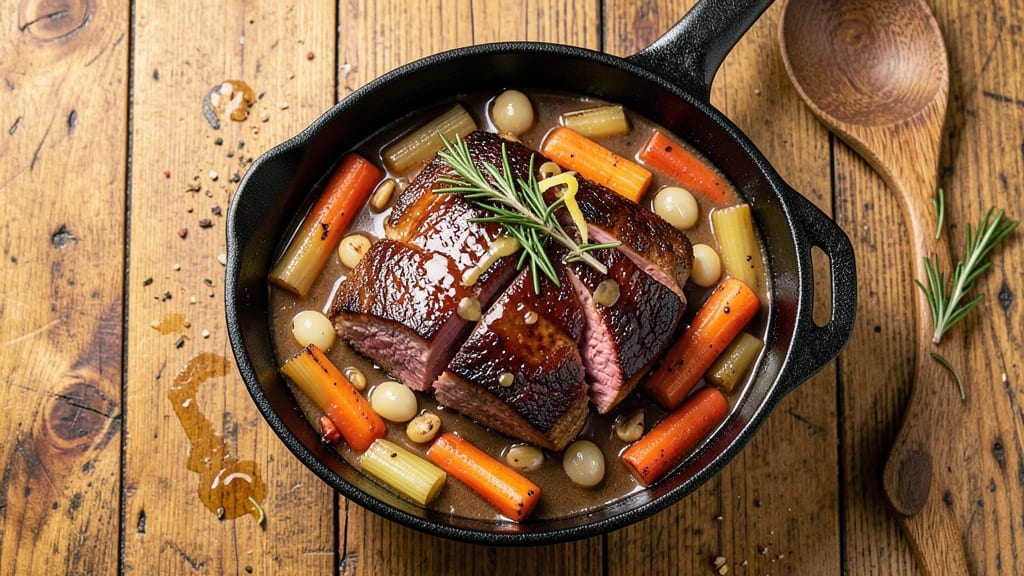
This beef and stout stew recipe delivers the kind of deep, malty richness that turns simple weeknights into hearty feasts. The marriage of tender beef and dark stout creates a sauce so flavorful it needs no embellishments.
I perfected this recipe during a chilly winter evening when I needed a dish that would warm both body and soul—no shortcuts, just layers of savory depth built through proper technique.
The secret lies in slow-cooked beef that practically melts in your mouth, combined with stout's natural caramel and roasted notes. We'll start with a deep sear of the beef to build a rich fond, then deglaze with stout and aromatics to create a foundation that simmers into velvety perfection.
This isn't just stew—it's a flavor experience that transforms humble ingredients into something extraordinary.
By the time you're done, you'll have a pot filled with fork-tender beef swimming in a glossy, malty-brown sauce that clings to every bite. The aroma alone will have everyone gathering around the table, and each spoonful delivers that perfect balance of hearty beef and complex stout flavors.
This is the kind of dish that improves with time, getting even better the next day when flavors meld completely.
Serve it with crusty bread to soak up every last drop or alongside roasted root vegetables for a complete meal. The beauty of this recipe is its versatility—it works as a comforting weeknight dinner or an impressive centerpiece for gatherings. Let's create something truly special in your kitchen.
Ingredients for beef and stout stew
Deep, malty flavors start with these hearty ingredients for a stew that warms the soul.
| Ingredient | Amount | Notes |
|---|---|---|
| Chuck Roast 🥩 | 2 lb | Cut into 1.5-inch cubes |
| Dark Stout Beer 🍺 | 2 cups | Guinness or similar preferred |
| Yellow Onion 🧅 | 1 whole | Diced, medium size |
| Carrots 🥕 | 4 medium | Peeled, chopped into chunks |
| Garlic Cloves 🧄 | 4 cloves | Minced, fresh preferred |
| Celery Stalks 🌿 | 3 stalks | Diced, leafy parts trimmed |
| Tomato Paste 🍅 | ½ cup | High-quality, no sugar added |
| Beef Broth 💧 | 2 cups | Low-sodium preferred |
| Thyme Sprigs 🌿 | 2 sprigs | Fresh or 1 tsp dried |
| Bay Leaves 🍃 | 2 whole | Dried, standard size |
| Olive Oil 🫒 | 2 tbsp | Extra-virgin for searing |
| Salt 🧂 | 1 ½ tsp | Kosher or sea salt |
| Black Peppercorns 🌶️ | 1 tsp | Freshly cracked |
| Flour 🌾 | 2 tbsp | All-purpose, for dredging |
The chuck roast is non-negotiable here—it's the only cut with enough marbling to stay tender through hours of slow cooking. Costco or Whole Foods usually have it pre-cut into cubes, which saves time, but if you're buying a whole roast, ask the butcher to cube it for you. Look for pieces with good marbling, not lean cuts. The dark stout is what makes this stew special—Guinness or a local craft stout with roasted malt notes works best. Avoid light beers; they won't give you that deep, caramel-rich flavor. For the aromatics, fresh thyme and bay leaves are ideal, but if you're in a pinch, dried thyme at one-third the amount will work in a bind.
No dark stout? Substitute with a mix of beef broth and a splash of balsamic vinegar—it won't be identical, but it'll get you close. Fresh thyme out of season? Dried thyme works, but use only a teaspoon instead of two sprigs. The tomato paste can be swapped for a can of crushed tomatoes if you prefer, but the paste gives you more concentrated flavor. For the carrots and celery, baby carrots or pre-cut celery from the store are totally fine—just make sure they're fresh. The flour is just for dredging the beef before searing, so don't skip it if you want that rich fond at the bottom of the pot.
This stew tastes even better the next day once the flavors meld completely. Store leftovers in an airtight container in the fridge for up to 5 days, or freeze for 3 months. I like to make a double batch because it reheats beautifully—just warm it gently on the stove with a splash of water or broth. The longer it sits, the richer the flavors become, so don't be afraid to let it simmer away while you're out running errands. The aroma alone will make your kitchen smell like a cozy pub.
Why You'll Love This Recipe
- One-Pot Magic: I swear by this recipe when I’m too tired to scrub pots—just dump everything into a Dutch oven, walk away, and let the stout beer do the work. The onions caramelize while you’re chopping the carrots, and the garlic? It infuses so deeply the first sip is like a warm hug.
- Deep Umami Bomb: That dark stout isn’t just a liquid—it’s the secret weapon. The beer’s roasted maltiness clings to the beef like a cozy blanket, while the garlic and onions build layers of flavor that make every bite richer than takeout. Honestly, I’ve tried other stews, but this one sticks with you.
- Leftovers That Beg: Between us, this stew tastes better the next day. The beef gets fork-tender, the carrots soak up all the flavor, and reheating it is just stirring and waiting. I make a double batch on Sundays because my kids fight over the portions—(yes, even on a Tuesday night).
- Budget Beef Boost: A chuck roast is cheap, but it feels like a splurge when it’s braised until it falls apart. The stout adds depth without breaking the bank, and the onions and carrots stretch the meal into four or five servings. I’ll be real: this is how I feed my family well without stressing over grocery bills.
Step-by-step instructions for beef and stout stew
This rich, malty stew comes together with just one pot and simple techniques.
Sear the Chuck Roast for Deep Flavor
Pat the 2 lb chuck roast dry with paper towels—this ensures a proper sear. Heat the 2 tbsp olive oil in a heavy pot over medium-high heat until shimmering. Working in batches if needed, add the chuck roast cubes and sear for 2-3 minutes per side until deeply browned. You're building flavor here, so don't rush this step.
As the meat browns, remove it to a plate and set aside. The browned bits that stick to the pot are pure flavor—we'll deglaze them later. If your pot gets too crowded, reduce heat to medium to prevent steaming instead of searing.
Build the Flavor Base with Vegetables
In the same pot, add the 1 whole yellow onion, 4 medium carrots, and 3 stalks celery stalks. Cook for 5-6 minutes, stirring occasionally, until the vegetables begin to soften. Add the 4 cloves minced garlic and cook for another 30 seconds until fragrant.
Stir in the 0.5 cup tomato paste and cook for 1 minute to develop its rich flavor. This step creates the foundation for your stew's deep, complex taste. Don't skip this—it makes all the difference in the final result.
Deglaze and Develop the Sauce
Pour in the 2 cups dark stout beer, scraping up all those browned bits from the bottom of the pot with a wooden spoon. Let it simmer for 3-4 minutes until reduced by about half. This step intensifies the flavors and creates that signature malty richness.
Add the 2 cups beef broth, 2 sprigs thyme, and 2 whole bay leaves. Bring to a gentle simmer, then return the seared beef to the pot. Sprinkle with the 1.5 tsp salt and 1 tsp black peppercorns. The stew should bubble gently—if it's boiling vigorously, reduce the heat.
Simmer Until Tender and Rich
Cover the pot and let it simmer on low heat for 2-2.5 hours, stirring occasionally. You want the beef to become fork-tender and fall apart easily. The liquid should reduce to a thick, rich consistency that coats the back of a spoon.
About 30 minutes before the stew is done, remove the thyme sprigs and bay leaves. Taste and adjust seasoning if needed—this is your chance to perfect the balance of flavors. The stew should be rich, malty, and deeply flavorful with each bite.
Thicken and Finish
Remove the pot from heat and stir in the 2 tbsp flour to thicken the stew slightly. Return to low heat and let it simmer for another 5 minutes, stirring constantly. This final step ensures a velvety texture without making the stew gluey.
Serve the stew hot, ladled over crusty bread or mashed potatoes. Each spoonful should deliver tender beef, rich beer flavor, and perfectly balanced seasoning. This hearty stew is perfect for cold evenings and satisfies even the heartiest appetites.
Pro Tips For Making Beef And Stout Stew
- SEAR THE ROAST FIRST: Chuck roast releases its best flavor when browned hard before adding liquid—think deep golden crust, not just pinked edges. I used to skip this because it takes time, but the stew tastes like it simmered for hours instead of one. Use a hot Dutch oven and don’t crowd the meat; work in batches if needed.
- BLANCH THE CARROTS: Toss chopped carrots in boiling water for 3 minutes before adding them to the stew—this softens them faster and keeps their shape. I learned this after serving mushy carrots that disappeared into the sauce. Drain well and pat dry so they don’t dilute the stout’s richness.
- USE COLD BEER: Pour cold stout into the hot pot last—this prevents immediate alcohol burn and lets the beer’s maltiness bloom gradually. I was skeptical until I tried it; the flavor is deeper and less harsh. Stir in after the meat’s returned to the pot, not at the start.
- SALT THE MEAT TWICE: Generously salt the chuck roast the night before and again right before searing—this guarantees seasoning penetrates. I used to only salt once and wondered why the beef tasted bland. A pinch of black pepper on the raw meat too; it clings better than adding it later.
Common mistakes when making this dish
Skipping the Sear
This is the #1 mistake I see home cooks make—skipping the sear or doing a half-hearted job. That deep brown crust on your beef isn't just for looks—it's packed with Maillard reaction flavors that form the foundation of your stew.
If you rush this step or use a nonstick pot, you'll miss out on that rich, caramelized depth. I always recommend using a cast iron Dutch oven or heavy stainless steel pot for maximum browning. 🔥
Using Light Beer
Substituting a light lager or pale ale for the dark stout completely changes the flavor profile. Light beers lack the roasted malt and caramel notes that make this stew special.
If you're out of dark stout, try mixing 1 cup stout with 1 cup beef broth—it won't be identical, but it'll still deliver depth. I've tried this with Guinness and Founders Kentucky Breakfast Stout, both of which work beautifully.
Never use a light beer unless you're going for a completely different flavor.
Overcrowding the Pot
Adding all your beef cubes at once leads to steaming instead of searing, which means you're essentially boiling your meat rather than browning it. Work in small batches—no more than ½ inch thick in a single layer.
If your pot gets crowded, reduce heat to medium and give yourself extra time. The goal is to get that golden crust on every piece. I've burned more than one batch by being impatient here—don't make my mistake!
Ignoring the Fond
The browned bits (fond) at the bottom of your pot are pure flavor gold. When you deglaze with the stout, you're dissolving all those caramelized bits into your sauce. If you scrape them out too aggressively or don't deglaze properly, you're losing 30-40% of your stew's depth.
Always use a wooden spoon to scrape gently and let the liquid work its magic. This is where the magic happens—don't skip it!
Rushing the Simmer
Low and slow is the name of the game with stews. If you crank the heat too high, your beef will toughen instead of tenderize. The ideal simmer is just below a gentle bubble—you should see tiny bubbles at the edges but not a rolling boil.
I've seen people walk away and let their stew boil dry, which turns the sauce gluey and the meat rubbery. Set a timer and check it every 30 minutes to ensure consistent heat. Patience pays off with fork-tender beef.
Forgetting to Season Properly
Many home cooks either underseason or add all their salt at the beginning. With this rich stew, you need to taste as you go. Start with the 1.5 tsp salt and 1 tsp black pepper called for, but plan to adjust in the final 30 minutes of cooking.
The flavors deepen as it simmers, so what might taste perfect early on could need a little more salt later. I always keep a small bowl of kosher salt nearby for quick adjustments. Don't be afraid to taste—your stew deserves the perfect balance!
Nutrition facts
Frequently asked questions
Can I use a different cut of beef instead of chuck roast?
Chuck roast is ideal for its marbling and tenderness, but you can substitute with brisket or short ribs—both add rich flavor. Avoid lean cuts like sirloin, as they won't become tender during simmering. If using brisket, increase simmering time to 3 hours for perfect texture.
What if I don't have dark stout beer?
For the best results, use a dark ale or porter as a substitute. If neither is available, mix 1 cup beef broth with 1 tbsp soy sauce and 1 tsp molasses to mimic the malty depth. Avoid light beers—they lack the caramelized notes that define this dish.
How do I know when the beef is tender enough?
The beef should be fork-tender—it should easily shred with a fork but not fall apart completely. Press a piece gently; if it resists slightly, keep simmering for 15-30 more minutes. Overcooking can make the meat mushy, so aim for that perfect balance between tender and intact.
Can I make this stew in a slow cooker?
Yes! Sear the beef first, then transfer everything to the slow cooker (except flour). Cook on low for 6-8 hours or high for 3-4 hours. Stir in flour at the end to thicken. The slow cooker method is hands-off but may need extra broth to prevent drying out. The flavors will still develop beautifully!
Why does my stew taste bland after simmering?
Blandness usually means insufficient seasoning or missing the fond. Always deglaze with stout to capture caramelized flavors, and taste as you go—adjust salt and pepper in the last 30 minutes. For extra depth, add a pinch of smoked paprika or a splash of worcestershire sauce at the end.