
Soups & Stews
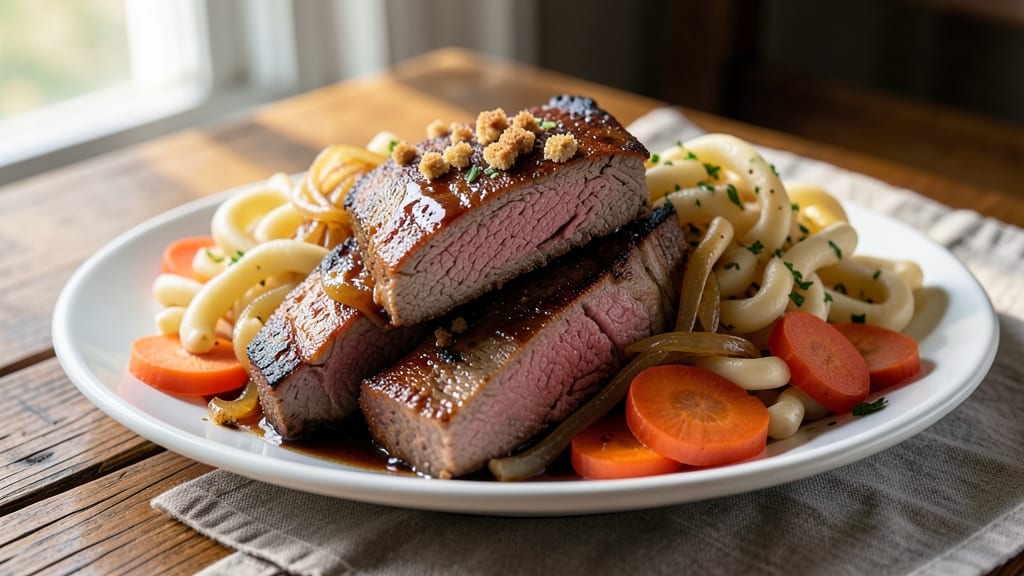
This beef and spaetzle recipe delivers the hearty, comforting flavors of a German homestyle dinner—tender beef braised in rich gravy alongside homemade egg noodles, all simmered together in one pot.
The secret lies in proper browning of the beef and traditional spaetzle-making, where flour, eggs, and water create delicate, chewy noodles that soak up every savory bite.
What makes this dish special is how the flavors meld over time, transforming simple ingredients into a restaurant-worthy meal that feels like a warm hug on a chilly evening.
The recipe begins with a classic technique: searing the beef to develop deep, caramelized flavors before slow-cooking it in a flavorful broth until fork-tender. Meanwhile, the spaetzle—those charming, ridged egg noodles—are made fresh in the same pot, ensuring no extra dishes and maximum convenience.
The result is a dish that balances richness and simplicity, with the spaetzle absorbing the beef’s juices while maintaining their signature texture. This method also allows you to customize the gravy—whether you prefer a classic brown sauce or a creamy version with mushrooms or onions.
By the time you serve this dish, you’ll have a steaming pot of tender beef and spaetzle, where each forkful delivers layers of flavor: the beef’s savory depth, the spaetzle’s comforting chew, and the gravy’s velvety richness.
The beauty of this recipe is its versatility—serve it with a simple green salad for balance or a side of buttered mushrooms to enhance the dish’s rustic charm.
It’s the kind of meal that turns a simple weeknight into a cozy, satisfying experience, all while keeping the kitchen clean with its one-pot approach.
Perfect for feeding a family or hosting dinner guests, this German-style beef and spaetzle is a dish that feels both nostalgic and impressively homemade. The key to success lies in patience—allowing the beef to braise slowly and the spaetzle to cook just until tender.
With this recipe, you’ll bring the warmth of a German kitchen to your own table, proving that some of the best meals are the ones that feel like coming home.
Ingredients for beef and spaetzle
Homestyle German flavors in one pot—tender beef and spaetzle made with simple, quality ingredients.
| Ingredient | Amount | Notes |
|---|---|---|
| Beef Chuck Roast 🥩 | 2 ½ lb | Cut into 1.5-inch cubes, boneless |
| All-Purpose Flour 🌾 | 2 cups | For spaetzle dough |
| Large Eggs 🥚 | 4 whole | Room temperature |
| Water 💧 | 1 ½ cups | Cold, for spaetzle dough |
| Yellow Onion 🧅 | 1 whole | Medium size, chopped |
| Carrots 🥕 | 3 medium | Peeled, cut into chunks |
| Celery Stalks 🧅 | 3 whole | Trimmed, chopped |
| Garlic Cloves 🧄 | 4 cloves | Peeled, smashed |
| Tomato Paste 🍅 | 2 tbsp | Smooth, not chunky |
| Beef Broth 💧 | 4 cups | Low-sodium preferred |
| Dry Red Wine 🍷 | ½ cup | Cabernet Sauvignon works well |
| Bay Leaves 🌿 | 2 whole | Fresh, not dried |
| Thyme 🌿 | 1 tsp | Dried, or 1 tbsp fresh |
| Black Peppercorns 🌶️ | 1 tsp | Freshly cracked |
| Salt 🧂 | 1 ½ tsp | Kosher or sea salt |
The beef is everything here. Chuck roast breaks down beautifully during braising, giving you that fork-tender texture. Most grocery stores carry it pre-cut, but if you're buying a whole roast, ask the butcher to cube it—1.5-inch pieces work best. For the spaetzle dough, King Arthur flour or any high-protein all-purpose flour gives the best chew. Eggs should be room temperature to blend smoothly with the flour. The onions, carrots, and celery form your classic mirepoix—chop them evenly so they cook at the same rate. If you're short on time, frozen chopped veggies work in a pinch, but fresh tastes better.
No red wine? Substitute with extra beef broth—just add another half cup. Fresh thyme is ideal, but dried works at one-third the amount. Want to skip the tomato paste? A handful of sun-dried tomatoes (oil-packed) gives similar depth. For the spaetzle, if you don't have a spaetzle maker, a colander or potato ricer works—just press the dough through in small batches. The carrots can be baby carrots if that's what's in your fridge, but peeled and chunked ensures even cooking. If you're feeling adventurous, add a splash of apple cider vinegar to the braising liquid for brightness.
This dish tastes even better the next day—plan ahead. The braised beef keeps for 4-5 days in the fridge, and the spaetzle reheats beautifully with a splash of water or broth. For longer storage, freeze portions of the beef mixture (without the spaetzle) for up to 3 months. When reheating, cover tightly and simmer gently—adding a bit of water if it gets too dry. The spaetzle can be made ahead and frozen separately, but cook them fresh if possible for that signature texture. Serve with extra gravy on the side for dipping—it's the best part.
Why You'll Love This Recipe
- One-Pot Wonder: I swear by this—just brown the beef, toss in onions, and let it slow-cook while the spaetzle (flour, eggs, water) boils beside it. No fancy gadgets, no mess, and honestly? The leftovers reheat like a dream.
- Deep, Savory Bite: That chuck roast gets so tender it practically falls apart, while the spaetzle soaks up all the rich beefy juices—no sauce needed. The onion adds just enough sweetness to balance the meat’s heartiness, and between us, that’s the magic.
- Weeknight to Weekend: Make a double batch on Sunday, and you’ve got dinner covered for days. The beef stays juicy reheated, and the spaetzle? Even better cold in salads or fried up crispy later. (Yes, even on a Tuesday night.)
- Budget-Friendly Feast: Chuck roast stretches far, and spaetzle costs pennies to make. I feed four for under $15, and everyone leaves happy—no sad, expensive takeout here. Plus, the leftovers stretch into lunches without breaking the bank.
Step-by-step instructions for German-style beef and spaetzle
This one-pot wonder delivers hearty German flavors with tender beef and homemade spaetzle.
🍳 Step 1: Sear the Beef and Build the Base
Heat a large Dutch oven over medium-high heat and add the 2.5 lb beef chuck roast cut into 1.5-inch cubes. Sear undisturbed for 3-4 minutes until deeply browned on all sides. This step creates the rich foundation for your sauce—don't rush it.
Remove the beef and set aside. In the same pot, add 2 tablespoons tomato paste and cook for 1 minute until it darkens slightly. Add the chopped yellow onion, chopped carrots, chopped celery stalks, and smashed garlic cloves. Cook for 5 minutes until the vegetables soften and release their flavors.
🍳 Step 2: Deglaze and Simmer the Beef
Pour in the 0.5 cup dry red wine and scrape up any browned bits from the bottom of the pot. This deglazing captures all the meaty flavor you just created. Let it simmer for 2-3 minutes until the wine reduces by half.
Add the 4 cups beef broth, 2 whole bay leaves, 1 teaspoon thyme, 1 teaspoon black peppercorns, and 1.5 teaspoons salt. Return the beef to the pot and bring to a gentle boil. Once boiling, reduce heat to low and cover partially, leaving a small gap for steam to escape. Simmer for 1 hour or until the beef is fork-tender.
👨🍳 Step 3: Prepare the Spaetzle Dough
While the beef simmers, whisk together the 2 cups all-purpose flour, 4 whole room-temperature eggs, and 1.5 cups cold water in a large bowl. The dough should be thick but pourable—like heavy cream. If it's too thick, add 1 tablespoon water at a time until it reaches the right consistency.
Use a spaetzle maker, colander with large holes, or a potato ricer to press the dough through into boiling water. The spaetzle will immediately rise to the surface. Return the water to a boil after each batch and cook for 2-3 minutes until they float. Drain and set aside.
🥘 Step 4: Finish the Sauce and Combine
Once the beef is tender, skim any excess fat from the surface of the sauce. Add the cooked spaetzle directly to the pot and stir gently to coat in the rich beef sauce. Simmer uncovered for 5-7 minutes to let the flavors meld together.
Taste and adjust seasoning if needed. The spaetzle should be fully coated in the savory beef sauce, and the beef should be falling apart with tenderness. Serve immediately, straight from the pot, for the best texture and flavor experience.
Pro Tips For Making Beef And Spaetzle
- Sear the Chuck Roast: Hit that roast with a screaming-hot pan first—no crowding, no rushing. I used to skip this, thinking it’d just cook slower, but a deep caramelized crust locks in flavor when it braises later. Two minutes per side, then pull it out and let it rest while you prep onions.
- Cut Onions Like a Pro: Dice those yellow onions into even ¼-inch pieces—smaller than you’d think for spaetzle. I learned this after one batch where half the onions stayed raw. A sharp knife and a steady hand make all the difference, and don’t skip the quick sauté in butter before adding to the pot.
- Don’t Overwork the Dough: Mix the spaetzle batter just until combined—no need to overmix like pancakes. I used to beat it too long, and the eggs would turn rubbery. A few lumps? Doesn’t matter. Press it through a spaetzle maker or colander into boiling water, and resist the urge to stir it once it’s in there.
- Use a Meat Thermometer: Pull the beef at 190°F, not when it looks done. I’ve had it fall apart at 200°F and stay tough at 185°F—this roast is forgiving but not that forgiving. Rest it 15 minutes under foil before slicing, or you’ll end up with a dry mess.
Wine and beer pairings for this beef and spaetzle
Red Wine Pairings
For this rich, hearty dish, a German red wine like Spätburgunder (Pinot Noir) is my go-to choice. Its earthy berry notes and subtle oak undertones complement the beef's deep flavors without overpowering the dish.
I love a bottle from Baden or Württemberg—these regions produce Pinot Noirs with enough body to stand up to the braised beef while still offering refreshing acidity. 🍷
Dry Riesling Balance
If red wine isn't your preference, a dry Riesling from the Mosel region brings a delightful contrast. Its bright citrus and mineral notes cut through the richness of the spaetzle and beef, creating a refreshing balance.
Look for a Kabinett or Spätlese—these styles are crisp yet have enough sweetness to enhance the dish's savory depth.
Beer Pairings
A German Helles Lager like Weihenstephaner Original is perfect for this dish. Its malty sweetness and moderate hop bitterness complement the beef's caramelized flavors while the spaetzle's mild taste lets the beer shine. For a darker option, try a Dunkel—its toasted malt notes mirror the caramelized beef beautifully. 🍺
Craft Beer Options
If you're a craft beer enthusiast, a German-style Märzen or Amber Ale works wonderfully. The caramel and biscuit notes in these beers enhance the dish's hearty flavors. I recommend Schöfferhofer Märzen—its balanced maltiness and subtle spice make it a fantastic match for the braised beef and spaetzle.
Non-Alcoholic Pairings
For a non-alcoholic option, sparkling apple cider or ginger beer adds a refreshing contrast. The tartness of apple cider cuts through the richness, while ginger beer's spice adds a lively kick. Serve chilled to enhance the dish's comforting warmth without overpowering it.
Serving Tips
Let your wine or beer breathe for 10-15 minutes before serving to enhance its flavors. Pair with buttered mushrooms or a simple green salad to balance the richness. The key is to choose a beverage that complements the dish's savory, hearty profile while adding its own unique character. 💫
Nutrition facts
Frequently asked questions
Can I make spaetzle without a spaetzle maker?
A simple colander with large holes or a potato ricer works perfectly. Press the dough through into boiling water and cook for 2-3 minutes until they float. For extra texture, try pushing the dough through a grater or even a fork held over a pot of boiling water. The key is to keep the water boiling and cook in small batches to avoid crowding.
How do I keep the beef from becoming dry when braising?
Start with a proper sear to lock in juices, then use enough liquid (the 4 cups beef broth plus wine) to cover the beef by about halfway. Keep the heat low and maintain a gentle simmer—never a rolling boil. If the liquid reduces too much, add a splash of water or broth. The beef should be fork-tender after 1 hour, not dry at all.
Can I make this dish ahead of time?
Yes! The braised beef keeps well for 4-5 days in the fridge, and the spaetzle can be made ahead too. For best results, cook the beef and sauce first, then add the spaetzle just before serving. If freezing, store components separately—the beef mixture for up to 3 months and the spaetzle for 1 month. Reheat gently with a splash of water or broth to restore moisture.
What's the secret to perfect spaetzle texture?
The dough needs to be thick but pourable—like heavy cream. Use high-protein flour and press it through quickly into boiling water. Cook in batches and don't overcrowd the pot. The spaetzle should be tender but still hold their shape when served. For extra flavor, toss them in the beef sauce while still hot to soak up all those delicious juices.
Can I substitute ground beef for the chuck roast?
You can try, but the texture will be different. Ground beef will cook faster and won't develop the same tender, fork-shreddable quality. If you must substitute, use 80/20 ground chuck and brown it thoroughly. For best results, stick with the chuck roast—it's what gives this dish its signature richness and melt-in-your-mouth tenderness when braised properly.