
Sauces & Condiments
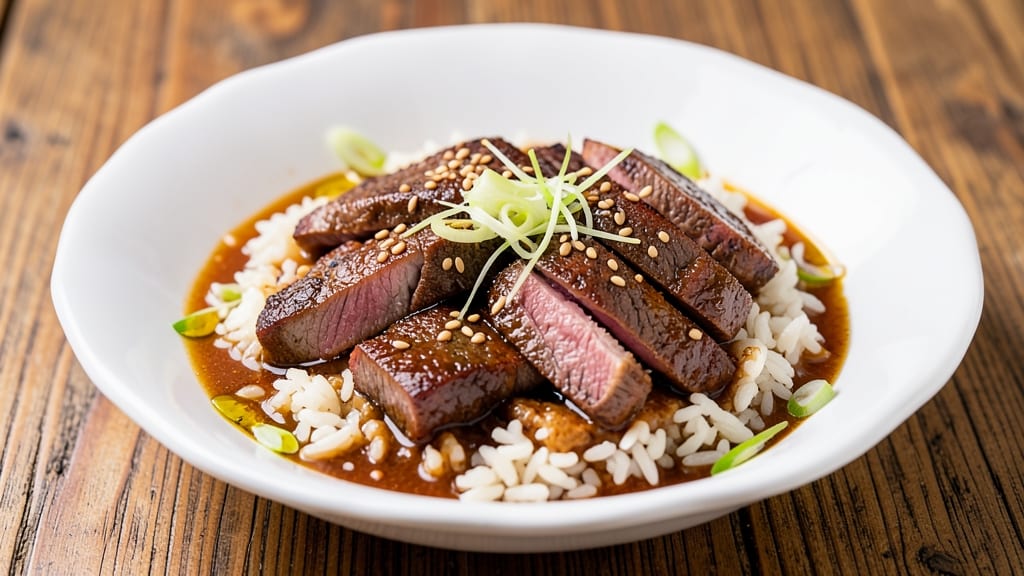
This beef and rice sauce recipe transforms simple ingredients into a rich, umami-packed base that elevates stir-fries, bowls, and more. The secret lies in simmering beef broth with cooked rice, garlic, and ginger until the flavors meld into a velvety, deeply savory sauce.
No complex techniques—just patience and the right balance of ingredients.
What you’ll end up with is a versatile sauce that’s perfect for glazing proteins, drizzling over rice dishes, or serving as a dipping sauce. The rice absorbs and intensifies the flavors, creating a thick, aromatic consistency that clings beautifully to every bite.
Ready in under 30 minutes, this sauce delivers restaurant-quality depth without the fuss.
Ingredients for beef and rice sauce
Ten ingredients blend into a deeply savory sauce perfect for elevating stir-fries and bowls.
| Ingredient | Amount | Notes |
|---|---|---|
| Beef Broth 🥫 | 4 cups | High-quality, low-sodium preferred |
| Cooked White Rice 🍚 | 1 ½ cups | Day-old rice works best |
| Garlic Cloves 🧄 | 6 cloves | Minced for even distribution |
| Fresh Ginger 🌿 | 2 tbsp | Finely grated, aromatic |
| Soy Sauce 🍶 | ½ cup | Dark soy preferred for depth |
| Sesame Oil 🫒 | 1 tbsp | Toasted, for nutty aroma |
| Honey 🍯 | 1 tbsp | Balances savory flavors |
| Cornstarch 🌾 | 1 tbsp | For thickening consistency |
| Water 💧 | 2 tbsp | For cornstarch slurry |
| Olive Oil 🫒 | 1 tbsp | Light, neutral flavor |
The beef broth is the foundation—Kitchen Basics or Pacific Foods brands deliver the richest umami profile. For day-old rice, cook a batch ahead and refrigerate; cold rice absorbs flavors better. Fresh ginger and garlic should be vibrant and aromatic—avoid dried substitutes here. Soy sauce selection matters: Lee Kum Kee or Kikkoman dark soy add depth without overpowering. Toasted sesame oil from Trader Joe's or Whole Foods provides that essential nutty aroma, but don't use the regular grocery store variety—it's often unrefined and bitter.
No dark soy sauce? Substitute with regular soy sauce plus 1 tsp molasses for color. Using fresh ginger? Peel it first—the skin can be bitter. For a gluten-free version, replace soy sauce with coconut aminos at 1:1 ratio. The cornstarch slurry is non-negotiable—it creates that signature velvety texture. Make it smooth by whisking vigorously to avoid lumps. If you're short on time, pre-cooked rice from a jar works in a pinch, though freshly cooked rice yields better results. The honey balances the saltiness—avoid artificial sweeteners, as they won't caramelize properly.
This sauce thickens as it cools, so reheat gently with 1 tbsp water if it becomes too stiff. Store in an airtight container in the fridge for 5-7 days or freeze for 3 months. Portion into ice cube trays for easy use—one cube per application. For restaurant-quality results, simmer longer—the flavors develop over time. The sauce pairs beautifully with grilled meats, noodles, or steamed vegetables, making it a versatile pantry staple.
Why You'll Love This Recipe
- Pantry Magic: I swear by this recipe when I’m staring into my fridge at 6:30 PM wondering what to feed everyone. Cooked rice? Check. Beef broth? Already simmering. Minced garlic and ginger? Takes two minutes to grate. That’s it—no fancy prep, no last-minute grocery runs.
- Umami Bomb: The way the soy sauce and ginger bloom in the broth—it’s like a slow dance of flavor. The garlic adds that crisp, punchy edge, but the rice soaks it all up, turning every bite into something dangerously addictive. (Yes, even my picky husband finishes his bowl.)
- Lunchbox Hero: Between us, this is my secret weapon for meal prep. Pack it cold in jars, and it’s a satisfying lunch the next day—no reheating required. The rice stays fluffy, the sauce clings perfectly, and honestly? It’s the one thing my kids actually take to school without complaining.
- Budget Stretch: I make this when my grocery budget’s tight, and it never feels like I’m skimping. A few cloves of garlic, a thumb of ginger, and a splash of soy sauce elevate cheap beef broth into something restaurant-worthy. Leftovers? Even better. They taste just as good reheated—or straight from the fridge.
Step-by-step instructions for beef and rice sauce
This sauce transforms simple ingredients into a rich, umami-packed base perfect for stir-fries or bowls.
Bloom the Aromatics in Olive Oil
Heat the 1 tablespoon olive oil in a medium saucepan over medium-low heat. Add the 6 cloves minced garlic cloves and 2 tablespoons finely grated fresh ginger, stirring constantly. Cook for 2-3 minutes until the garlic becomes fragrant and just begins to turn golden—this prevents bitterness while maximizing flavor extraction.
Watch the pan closely—ginger burns quickly. If the mixture darkens too much, reduce heat immediately. The goal is to awaken the aromatics without letting them turn harsh. This foundational step ensures the entire sauce develops depth from the start.
Incorporate Rice and Broth
Add the 1.5 cups cooked white rice to the pan, breaking up any clumps with a wooden spoon. Stir for 1 minute to coat the rice with the aromatic oil. Pour in the 4 cups beef broth, scraping up any browned bits from the bottom of the pan—these contain concentrated flavor.
Bring the mixture to a gentle simmer over medium heat. The rice should absorb the broth gradually, creating a thick, porridge-like consistency. If the mixture seems too thin initially, don't rush—simmering will naturally reduce it. This step builds the sauce's body and ensures each spoonful delivers both texture and flavor.
Season and Sweeten
Reduce heat to low and stir in the 0.5 cup soy sauce and 1 tablespoon honey. The soy sauce adds umami depth while the honey balances saltiness and enhances caramelization. Let the mixture simmer uncovered for 5-7 minutes, stirring occasionally, until slightly reduced and glossy.
Taste the sauce at this stage—it should be rich but still bright. If it tastes flat, add a pinch more soy sauce. If it's too salty, a drizzle of honey can restore balance. This moment is critical for achieving the perfect flavor equilibrium before thickening.
Thicken the Sauce
In a small bowl, whisk together the 1 tablespoon cornstarch and 2 tablespoons water to create a smooth slurry. Slowly pour this mixture into the simmering sauce while stirring continuously. The sauce will thicken immediately—keep stirring for 1-2 minutes until it reaches a velvety, coatable consistency.
If the sauce thickens too quickly, add 1 tablespoon water at a time to adjust. The ideal texture should cling to the back of a spoon but still be pourable. This thickening step transforms the sauce from a broth into a luxurious, restaurant-quality base that clings beautifully to rice or proteins.
Finish with Sesame Oil
Remove the sauce from heat and stir in the 1 tablespoon sesame oil. This final touch adds nutty aroma and a subtle richness that elevates the dish. Let the sauce rest for 2-3 minutes to allow the flavors to meld completely.
Taste again and adjust seasoning if needed—perhaps a final pinch of salt or a drizzle of honey. The sauce should now be deeply flavorful with a perfect balance of sweet, salty, and umami notes. Serve immediately over rice bowls or use as a marinade for stir-fry proteins.
Pro Tips For Making Beef And Rice Sauce
- Toast the Rice First: I used to skip this, but now I swear by it—lightly dry the cooked rice in a pan over medium heat for 2-3 minutes before adding broth. This prevents a gummy mess and lets the garlic and ginger really sing when you toss them in later. (Yes, it smells like a crime scene for a second, but trust me.)
- Mince Ginger Like Mad: Skip the lazy grating—finely mince fresh ginger with a knife until it’s almost paste-like. This dissolves smoothly into the broth instead of sitting as chunks, and the heat from the pan will caramelize it just enough to add depth. (I learned this the hard way after serving a bowl with visible ginger specks.)
- Simmer, Don’t Boil: Once the broth and rice hit the pot, reduce heat to a gentle simmer—just small bubbles breaking the surface. Boiling turns rice gluey and washes out the soy sauce’s umami. I used to rush this, and the sauce always ended up thin and sad. Low and slow keeps it thick and flavorful.
- Salt the Broth Last: Hold off on adding soy sauce until the very end—after the rice has absorbed most of the broth. This way, the rice soaks up the seasoning instead of turning mushy. (I know, I know—it’s tempting to dump it all in early, but resist.)
Troubleshooting perfect results
Sauce Too Thin?
If your sauce isn’t thickening enough, the issue is likely under-simmering or insufficient cornstarch. Let it simmer uncovered for an extra 5-10 minutes—the rice will absorb more liquid as it cooks.
For immediate fixes, whisk in ½ teaspoon more cornstarch mixed with 1 teaspoon water, then stir vigorously for 1-2 minutes. Avoid over-thickening; the sauce should coat the back of a spoon but still be pourable. 🌡️
Grainy Texture?
Overcooked rice or insufficient blending creates graininess. For smoother results, mash the 1.5 cups cooked rice lightly with a fork before adding to the pan. If using day-old rice, break up any clumps thoroughly.
For a silky finish, blend the sauce briefly with an immersion blender after thickening—just 10-15 seconds is enough to refine texture without altering flavor.
Bitter or Burnt Taste?
Burnt aromatics or over-simmering cause bitterness. Always cook garlic and ginger over medium-low heat for just 2-3 minutes—they should be fragrant, not browned. If bitterness creeps in, balance it with ½ teaspoon honey or a splash of rice vinegar (1 tsp).
Never let the sauce boil vigorously; maintain a gentle simmer to preserve delicate flavors.
Sauce Separates?
Separation happens when cornstarch isn’t fully dissolved or heat isn’t consistent. Whisk the slurry vigorously before adding, and stir constantly while thickening. If separation occurs, return the sauce to low heat and whisk gently until smooth. For prevention, keep the heat at medium-low during thickening and avoid rapid temperature changes.
Too Salty?
Soy sauce is the usual culprit. If your sauce tastes overly salty, dilute it with 1-2 tablespoons warm water or beef broth, then simmer for 2-3 minutes to reduce again.
A drizzle of honey (½ tsp) or a pinch of sugar can also help balance the flavor. Taste as you go—adjust gradually to avoid overcorrecting.
Lacks Depth?
Flat flavor usually means insufficient umami or aromatics. Boost depth by adding 1 teaspoon fish sauce or ½ teaspoon MSG (optional but effective). For extra richness, stir in 1 tablespoon grated Parmesan cheese or a dash of Worcestershire sauce.
Simmer uncovered for an additional 5 minutes to intensify flavors through reduction. 💫
Nutrition facts
Frequently asked questions about beef and rice sauce
Can I use instant rice instead of cooked rice?
Instant rice works in a pinch, but freshly cooked or day-old rice creates a richer, creamier sauce. If using instant rice, cook it according to package instructions, then let it cool completely before adding to the sauce. For best results, use 1.5 cups freshly cooked rice—it absorbs flavors better and avoids a grainy texture.
How long will this sauce keep in the fridge?
The sauce stays fresh for 5-7 days when stored in an airtight container. For longer storage, portion into ice cube trays and freeze—thaw as needed. The sauce thickens as it cools, so reheat gently with 1 tablespoon water to restore consistency. Always taste before reheating to adjust seasoning.
Can I make this sauce without cornstarch?
Yes, but the texture will be thinner. Replace cornstarch with 1 tablespoon arrowroot powder or 1 tablespoon all-purpose flour for a similar thickening effect. For a naturally thickened version, simmer the sauce uncovered for 15-20 minutes—the rice will absorb more liquid, creating a porridge-like consistency. Just stir frequently to prevent sticking.
What’s the best way to use leftover sauce?
This versatile sauce elevates everything from stir-fries to dumplings! Use it as a glaze for grilled meats, drizzle over ramen or rice bowls, or serve as a dipping sauce for spring rolls. For extra richness, stir in 1 teaspoon sesame oil or a pinch of red pepper flakes before serving. The sauce also freezes beautifully for future meals.
Why does my sauce taste bland?
Blandness usually means insufficient umami or aromatics. Boost flavor by adding 1 teaspoon fish sauce or ½ teaspoon MSG (optional but effective). For depth, simmer the sauce uncovered for an extra 5-10 minutes—this reduces the liquid and intensifies the flavors. Taste as you go and adjust gradually with soy sauce or honey.