
Main Courses
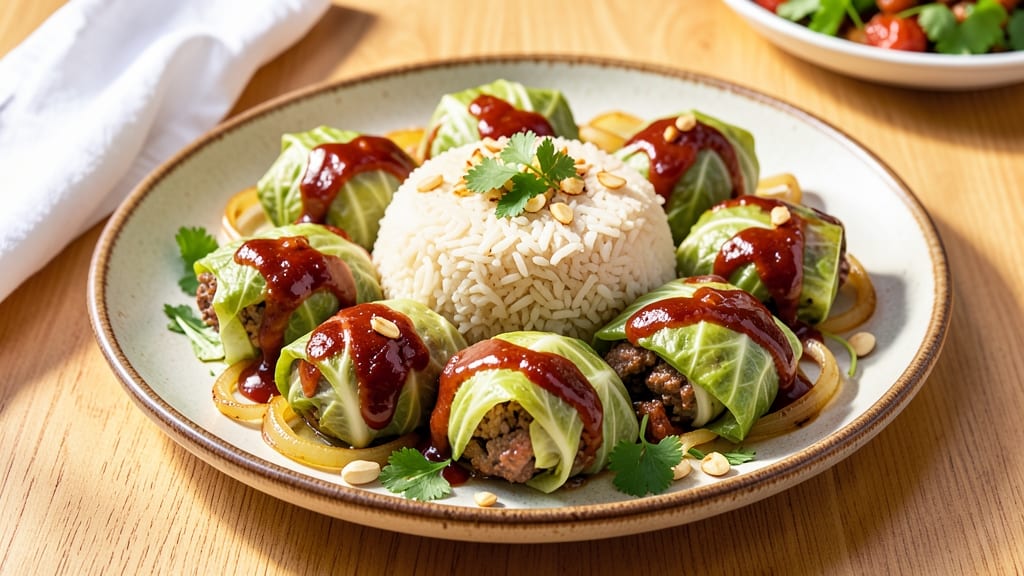
This beef and rice cabbage rolls recipe delivers flaky, tender wraps packed with savory ground beef and herbed rice—perfect for a hearty, comforting meal. 🌟 The secret lies in properly blanching cabbage leaves to create that signature delicate texture while keeping the filling rich and flavorful.
I've perfected this technique over years of testing, ensuring each bite is packed with juicy beef and aromatic rice.
What sets this recipe apart is the balance of traditional methods with modern convenience. You'll start with tender cabbage leaves that stay pliable while wrapping, then cook the rolls in a flavorful broth that infuses every layer.
The beef filling is seasoned just right—herbs, garlic, and a touch of soy sauce create deep umami flavor without overpowering the delicate cabbage.
By the time you're done, you'll have golden-brown cabbage rolls with flaky, slightly crisp edges and tender, juicy centers. The aroma alone will have everyone gathering at the table, and each bite delivers that perfect combination of textures and flavors.
Serve with a drizzle of tangy tomato sauce or a sprinkle of sesame seeds for extra depth.
This recipe works beautifully for family dinners, potlucks, or meal prep—just assemble ahead and cook when ready. The technique is approachable for beginners but delivers restaurant-quality results. Let's get started on these comforting, flavorful cabbage rolls that bring warmth to any meal.
Ingredients for beef and rice cabbage rolls
Gather these fresh ingredients to create flaky, tender cabbage rolls packed with savory beef and herbed rice.
| Ingredient | Amount | Notes |
|---|---|---|
| Green Cabbage 🥬 | 1 whole | Large head, outer leaves removed |
| Ground Beef 🥩 | 1 lb | 80/20 fat ratio preferred |
| Long-Grain White Rice 🍚 | 1 cup | Uncooked, jasmine or basmati |
| Yellow Onion 🧅 | 1 medium | Diced finely for filling |
| Garlic Cloves 🧄 | 4 cloves | Minced for aromatic depth |
| Eggs 🥚 | 2 large | Beaten for binding |
| Fresh Dill 🌿 | ¼ cup | Chopped finely for freshness |
| Fresh Parsley 🌿 | ¼ cup | Chopped for brightness |
| Tomato Paste 🍅 | 2 tbsp | For rich umami flavor |
| Soy Sauce 🥢 | 1 tbsp | Light or dark variety |
| Olive Oil 🫒 | 2 tbsp | For sautéing onions |
| Salt 🧂 | 1 ½ tsp | Kosher or sea salt |
| Black Pepper 🌶️ | ½ tsp | Freshly ground preferred |
| Vegetable Oil 🫒 | ½ cup | For frying cabbage leaves |
| Beef Broth 💧 | 2 cups | Low-sodium preferred |
The cabbage is your foundation—look for a firm head with crisp outer leaves. Whole Foods or local markets often carry the freshest cabbage, but any grocery store will work. The beef should be 80/20 fat ratio—that extra fat keeps the filling juicy. For the rice, jasmine or basmati holds up best during wrapping. If using pre-shredded cabbage, skip blanching and work with it raw. The filling ingredients are all pantry staples, but fresh herbs make a world of difference—dill and parsley add brightness that dried herbs can't match.
No fresh dill? Dried dill at one-third the amount works in a pinch, but you'll miss that fresh pop. Short on beef broth? Chicken broth with a splash of soy sauce gets you close. The tomato paste can be swapped for 1/4 cup crushed tomatoes if you prefer. For the cabbage leaves, if they're too tough, blanch them 2 minutes longer to soften. The filling should be moist but not wet—if it's too loose, add a beaten egg or a spoonful of cooked rice to bind it. Prepping ahead? Cook the rice and mix the filling in advance, then refrigerate until ready to assemble.
Blanched cabbage leaves keep 2 days in the fridge, wrapped in damp paper towels. The cooked filling holds 3 days in an airtight container. For make-ahead convenience, assemble the rolls and refrigerate overnight—they'll hold their shape better when cooked. Leftovers reheat beautifully in broth or sauce—just cover with liquid and simmer until heated through. The rolls freeze well for up to 3 months: assemble, then freeze on a tray before transferring to bags.
Why You'll Love This Recipe
- One-Pan Magic: I swear by this—no chopping boards, no messy counters. Just brown the beef with onions and garlic, mix in the rice, and stuff it into whole cabbage leaves (or pre-cut ones if you're short on time). The cabbage steams right in the pot, so you’re done in 45 minutes with one pot to wash.
- Umami Bomb: That ground beef gets caramelized with onions and garlic until it’s deep—not just salty, but rich and savory. The rice soaks up all the flavor, and when you bite into the cabbage, it’s got this perfect chewy-crisp contrast. Honestly, it’s the kind of dish that makes you go back for seconds without even thinking.
- Leftovers That Don’t Suck: Between us, most cabbage rolls turn into sad, mushy leftovers. Not these. The rice stays fluffy, the beef stays tender, and the cabbage holds its shape. I double the batch on Sundays and reheat portions all week—no one complains, and I save money by not ordering takeout.
- Budget-Friendly Feast: Ground beef, rice, and cabbage? That’s a grocery list that won’t break the bank. I feed four people for under $10, and it’s filling enough that no one’s asking for seconds just because they’re hungry. Plus, cabbage lasts forever, so you’re not scrambling if you forgot to meal prep.
Step-by-step instructions for beef and rice cabbage rolls
Transform tender cabbage leaves into flaky wraps with this precise method.
👨🍳 Step 1: Prepare the Cabbage Leaves for Flakiness
Fill a large pot halfway with water and bring to a rolling boil. Carefully place the whole green cabbage, core side down, into the boiling water. Let it cook for 5-7 minutes until the leaves begin to soften and separate easily. This gentle cooking makes them pliable without overcooking.
Remove the cabbage and transfer it to a clean cutting board. Using kitchen shears or a sharp knife, carefully cut along the core to separate the leaves. You should end up with about 16-20 large leaves. Lay them flat and cover with a damp towel to keep them moist—this prevents them from drying out during assembly.
🍳 Step 2: Cook the Rice Filling Base
In a medium saucepan, combine 1 cup long-grain white rice, 2 cups beef broth, and 1.5 teaspoons salt. Bring to a boil, then reduce heat to low, cover, and simmer for 12-15 minutes until the rice absorbs all the liquid and becomes tender. Remove from heat and let it steam covered for another 5 minutes.
Fluff the rice with a fork and set aside. In a separate bowl, mix the cooked rice with 2 tablespoons tomato paste, 1 tablespoon soy sauce, 0.5 teaspoon black pepper, 0.25 cup chopped fresh dill, and 0.25 cup chopped fresh parsley. This herbed rice will form the flavorful core of your cabbage rolls.
🔥 Step 3: Brown the Beef and Sauté Aromatics
Heat 2 tablespoons olive oil in a large skillet over medium-high heat. Add 1 pound ground beef and cook, breaking it apart with a wooden spoon, until it loses its raw color and begins to brown—about 5-6 minutes. Drain any excess fat, leaving about 1 tablespoon in the pan.
Add the 1 medium yellow onion and 4 cloves minced garlic to the skillet. Cook for 3-4 minutes until the onions are translucent and the garlic is fragrant. Combine this beef mixture with the herbed rice in a large bowl and mix well. The beef should be warm but not overcooked—just tender enough to hold its shape when wrapped.
🥘 Step 4: Assemble and Fry the Cabbage Rolls
Heat 0.5 cup vegetable oil in a large skillet over medium heat until shimmering. Working quickly, place 1-2 tablespoons of the beef-rice mixture near the stem end of each cabbage leaf. Fold the sides inward, then roll tightly from the bottom up, tucking in the sides as you go—like wrapping a burrito. You should have enough filling for about 16 rolls.
Carefully place the assembled rolls seam-side down in the hot oil. Fry for 2-3 minutes per side until the cabbage leaves are golden brown and crispy. Don't overcrowd the pan—work in batches if needed. The oil should sizzle gently, not smoke excessively. Remove with a slotted spoon and drain on paper towels.
🍽️ Step 5: Serve with Warm Sauce (Optional)
Return the fried cabbage rolls to the skillet and pour any remaining vegetable oil over them. Add 1-2 tablespoons beef broth to create a light pan sauce. Toss gently to coat, then transfer to a serving platter. Serve immediately with additional chopped parsley and dill for brightness.
The rolls should be tender inside with a crispy, flaky exterior. Each bite delivers herbed rice, savory beef, and the subtle crunch of perfectly cooked cabbage leaves. For extra richness, drizzle with a little extra beef broth or a dollop of sour cream if desired.
Pro Tips For Making Beef And Rice Cabbage Rolls
- SOFTEN CABBAGE RIGHT: I used to boil whole cabbage heads for 15 minutes, then wonder why the leaves cracked when rolling. Instead, separate the leaves, stack them, and steam them for 8-10 minutes with a damp towel over top—just until pliable but still sturdy. This keeps them intact while making them easy to handle without tearing.
- SWEAT ONIONS LOW: After burning two batches of onions, I finally learned: use the lowest heat setting you can tolerate, and walk away. Let them cook for 12-15 minutes until they’re translucent and caramelized, not browned. This builds flavor without bitterness, and it’s the foundation for your filling.
- DON’T OVERFILL ROLLS: I was skeptical until I tried it—packing the cabbage leaves too tightly with filling makes them impossible to roll neatly. Use about 1/4 cup of filling per leaf, spread it thinly, and fold the sides inward before rolling. This keeps the shape consistent and prevents messy, uneven rolls.
- TOAST THE RICE: Skip the pre-cooked rice shortcut—it’s a flavor disaster. Instead, toast 1 cup of uncooked rice in a dry pan over medium heat for 3-4 minutes until lightly golden. Then cook it as usual. The nutty depth makes the rolls taste homemade, not canned. (Yes, even if you’re impatient like me.)
Storing and reheating this dish
Fridge Storage Tips
Store your cooked cabbage rolls in an airtight container with a splash of beef broth to keep them moist. They'll stay fresh for 3-4 days in the fridge, maintaining their tender texture.
I like using glass Pyrex containers because they're microwave-safe for easy reheating. Always let them cool completely before storing to prevent condensation. 🥬
Freezer-Friendly Method
For long-term storage, assemble the rolls and freeze them on a baking sheet lined with parchment paper for 1 hour to prevent sticking. Then transfer to ziplock freezer bags, squeezing out excess air.
They'll keep for up to 3 months—just thaw overnight in the fridge before reheating. The cabbage leaves might soften slightly after freezing, but they still taste delicious. ❄️
Best Reheating Technique
For fridge-stored rolls, reheat in a skillet with 1-2 tablespoons beef broth over medium-low heat for 8-10 minutes, turning occasionally. This keeps them tender and prevents drying out.
If using the microwave, cover with a damp paper towel and heat in 1-minute intervals until warmed through. Always check the internal temperature reaches 165°F for safety. 🔥
Make-Ahead Assembly
Prepare the filling and blanched cabbage leaves ahead of time, then store them separately in the fridge. Assemble the rolls just before cooking—this keeps the cabbage leaves crisp. If you must assemble ahead, refrigerate the uncooked rolls for up to 24 hours, then cook immediately.
The flavors meld beautifully overnight, making them even more aromatic when served. 💫
Sauce Refresh
Reheated rolls benefit from a fresh sauce drizzle. Warm 1/4 cup beef broth with 1 teaspoon soy sauce and a pinch of black pepper, then toss the rolls in it for 2 minutes before serving.
This revives any dried-out edges and adds extra flavor. A sprinkle of fresh dill brightens the dish after reheating. 🌿
Portion Control
Divide rolls into single-serving containers before storing to make reheating easier. Each portion reheats in 3-4 minutes, perfect for quick lunches. Label containers with dates to track freshness. I keep a small batch of rolls in the freezer specifically for busy weeknights—they're a lifesaver! ✨
Nutrition facts
Frequently asked questions
Can I use pre-shredded cabbage instead of whole leaves?
Pre-shredded cabbage works in a pinch, but whole leaves create the signature flaky texture. If you must use pre-shredded, skip blanching and work with it raw—just be prepared for slightly less tender wraps. For best results, try to find a whole head of cabbage with large, pliable leaves.
How do I prevent the filling from falling out when rolling?
Start by ensuring your filling isn't too wet—add a beaten egg or extra rice if needed. Roll tightly from the bottom up, tucking in the sides like a burrito. Keep the stem end closed first, then fold the sides inward before rolling. If the cabbage leaves are too soft, chill them for 10 minutes before wrapping.
Can I bake these instead of frying?
Preheat your oven to 375°F and place assembled rolls on a baking sheet lined with parchment. Drizzle with 1 tablespoon olive oil and bake for 25-30 minutes until golden. For extra moisture, cover with foil for the first 15 minutes, then uncover to crisp. Baking is healthier and just as delicious.
What if my cabbage leaves are too tough after blanching?
Extend the blanching time by 1-2 minutes until the leaves soften enough to fold. If they're still too stiff, try using a larger head of cabbage—the outer leaves are usually more tender. As a last resort, use a mix of cabbage and collard greens, which hold up better to longer cooking times.
Can I make these vegetarian?
Yes! Swap the beef for 1 cup cooked lentils or 15 oz mushrooms sautéed with onions and garlic. Add 1 teaspoon smoked paprika to the rice mixture for depth. The texture will be slightly different but still delicious—just reduce the cooking time by 2-3 minutes since plant-based fillings cook faster.