
Soups & Stews
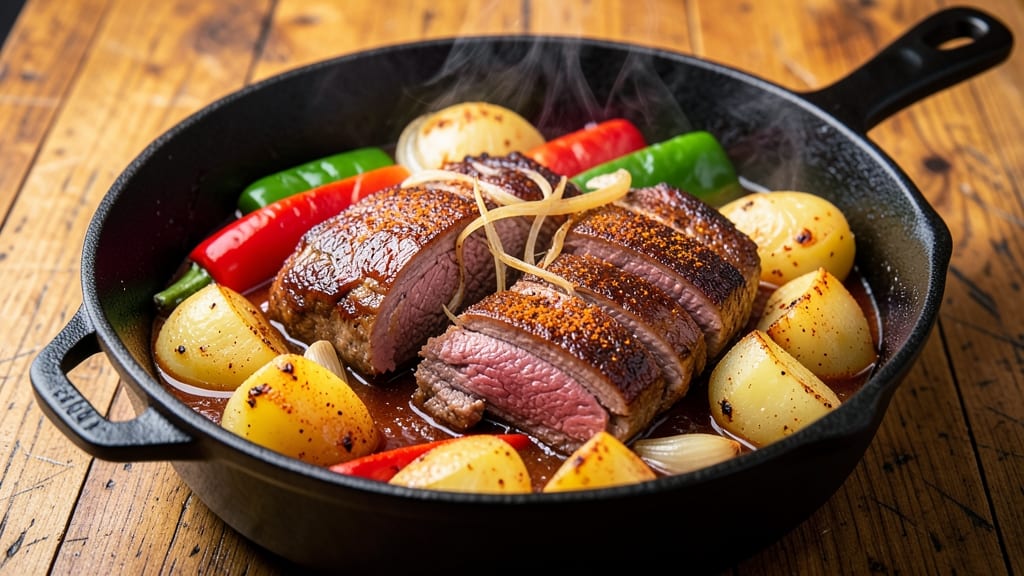
This beef and potato goulash recipe delivers the hearty, paprika-rich comfort of a Hungarian home-cooked meal, where tender beef and potatoes transform into melt-in-your-mouth threads after hours of slow simmering.
The secret lies in properly searing the beef first—creating a flavorful crust that dissolves into the rich, spiced broth as it cooks. I’ve perfected this technique to balance traditional methods with modern convenience, ensuring every bite delivers that satisfying, deeply savory taste.
The dish begins with aromatics—onions, garlic, and bell peppers—sautéed until fragrant before the beef is added, then browned in batches to avoid overcrowding. Sweet Hungarian paprika, both sweet and hot varieties, infuses the broth with its signature warmth, while tomatoes and beef broth deepen the flavor.
The potatoes absorb the rich sauce as they cook, becoming tender yet still holding their shape. This isn’t just a stew; it’s a labor of love that rewards patience with a dish so comforting, it’ll have everyone asking for seconds.
What you’ll end up with is a steaming pot of goulash where the beef practically falls apart at the touch of a fork, the potatoes are creamy yet firm, and the sauce clings to every bite with a perfect balance of sweetness, heat, and umami.
The aroma alone—spiced, smoky, and inviting—will fill your kitchen, making it impossible to resist. This is the kind of meal that feels like a hug on a cold day, and it’s easier to make than you might think.
Whether you’re serving it with crusty bread to soak up the sauce or alongside a simple green salad, this goulash is versatile enough for weeknight dinners or a special family gathering.
The slow-cooked method means flavors develop deeply over time, but with a few simple steps, you’ll achieve restaurant-quality results in your own kitchen. Let’s get started on creating this classic comfort dish.
Ingredients for beef and potato goulash
Pantry staples plus a few specialty spices for that classic goulash flavor.
| Ingredient | Amount | Notes |
|---|---|---|
| Chuck Roast 🥩 | 3 lb | Pre-cubed for even cooking |
| Yellow Onions 🧅 | 2 whole | Medium, sliced into half-moons |
| Bell Peppers 🌶️ | 2 whole | Any color, diced |
| Garlic Cloves 🧄 | 4 cloves | Minced for aromatic depth |
| Sweet Hungarian Paprika 🌶️ | 2 tbsp | For signature warmth |
| Hot Hungarian Paprika 🔥 | 1 tbsp | Adjust for heat preference |
| Tomato Paste 🍅 | ½ cup | High-quality, no sugar added |
| Beef Broth 💧 | 4 cups | Low-sodium preferred |
| Russet Potatoes 🥔 | 2 ½ lb | Cut into 1-inch chunks |
| Carrots 🥕 | 3 whole | Baby or sliced into chunks |
| Bay Leaves 🌿 | 2 whole | Fresh for best flavor |
| Thyme 🌿 | 1 tbsp | Fresh or dried (1/3 tsp) |
| Olive Oil 🫒 | ¼ cup | Extra-virgin for searing |
| Salt 🧂 | 1 ½ tsp | Kosher or sea salt |
| Black Pepper 🌶️ | ½ tsp | Freshly ground |
| Red Wine 🍷 | ½ cup | Dry, bold variety (optional) |
The beef is the heart of this dish, and chuck roast is non-negotiable—it's the only cut with enough fat and connective tissue to turn into those magical, fork-tender threads. Grab it from the butcher counter if you can, or pre-cubed from the freezer section at Costco or Walmart (they're usually cheaper). Look for pieces with good marbling—those white streaks of fat are what keep the meat juicy. If you're using whole chuck roast, ask your butcher to cube it for you. The onions and bell peppers? Yellow onions add sweetness, while bell peppers give a nice crunch—any color works, but red has the most flavor. Hungarian paprika is a game-changer here. Penzeys or Gourmet Garden sell it in small jars, but the bulk bins at Whole Foods or Trader Joe's are budget-friendly too. If you can't find Hungarian paprika, regular sweet paprika works in a pinch, but it won't have that same depth of flavor.
No red wine? Beef broth with a splash of balsamic vinegar does the trick—just add an extra tablespoon of vinegar for acidity. Fresh thyme is ideal, but dried thyme at one-third the amount works fine. The tomato paste can be the squeeze-tube kind from Trader Joe's—it's convenient and keeps forever. If you're using whole carrots, baby carrots are perfect because they're already the right size. For the potatoes, Russet is best—they hold up to long cooking and absorb the sauce beautifully. Pro tip: Parboil the potatoes for 5 minutes before adding them to the pot so they don't turn to mush. The bay leaves add that classic herbal note, but if you're short on time, dried oregano at half the amount will give you a similar vibe.
This goulash tastes even better the next day, so double the batch if you're feeding a crowd. Store leftovers in the fridge for up to 5 days—the flavors just get more complex as it sits. For longer storage, portion into airtight containers and freeze for up to 3 months. When reheating, add a splash of water or broth to keep the sauce from thickening too much. The potatoes will soak up the sauce, so you might need to add a little extra broth when reheating. If you're prepping ahead, make the sauce first and store it separately—just add the potatoes and beef when you're ready to serve. Trust me, the aroma alone will have everyone gathering in the kitchen.
Why You'll Love This Recipe
- One-Pot Magic: I swear by this recipe when I’m too tired to scrub three pots. Chuck roast and potatoes simmer together—no chopping mountains of veggies, just rough dice and stir. The onions caramelize right in the pot while the beef tenderizes, and by the time the paprika deepens into that smoky-sweet aroma, I’m already planning leftovers.
- Paprika Powerhouse: That jar of Hungarian paprika isn’t just a spice—it’s the star. A single teaspoon turns this into something rich and rustic, with a warmth that lingers. The garlic cloves sizzle into oblivion, and suddenly, you’ve got a dish that tastes like a Sunday dinner, not a weeknight shortcut.
- Lunchbox Hero: Between us, this is my go-to for meal prep. The flavors only get better the next day, and I pack it in jars for work lunches—no reheating required. My kids eat it cold straight from the fridge, and honestly? The paprika’s earthy kick makes it feel like a treat, not a sad leftovers repast.
- Budget Beef Win: Chuck roast is cheap, but it cooks up tender enough to fool anyone into thinking it’s a fancy cut. Bell peppers and onions stretch the filling factor, and a pinch of paprika makes it taste like you spent hours. I’ve fed six people for under $15 with this—no guilt, just hearty satisfaction.
Step-by-step instructions for beef and potato goulash
Here's how to build a rich, paprika-spiced stew that melts in your mouth.
Sear the Chuck Roast for Deep Flavor
Heat the 0.25 cup olive oil in a large Dutch oven over medium-high heat until shimmering. Pat the 3 lb chuck roast dry with paper towels and season generously with 1.5 tsp salt and 0.5 tsp black pepper. Working in batches to avoid crowding, sear the meat for 3-4 minutes per side until deeply browned. You'll see those beautiful crusty edges that pack serious flavor—this is the foundation of your goulash.
Once all pieces are browned, transfer them to a plate. Here's the thing—don't drain the oil yet. Those browned bits (fond) will dissolve into the sauce later, adding even more depth. Keep the pot on the burner for the next step.
Build the Paprika Base
Reduce heat to medium and add the 2 whole yellow onions and 2 whole bell peppers, sliced as directed. Cook for 5-6 minutes until softened but still vibrant in color. Add the 4 cloves minced garlic and cook for 30 seconds until fragrant—don't let it burn, or you'll get bitter flavors.
Stir in the 2 tbsp sweet Hungarian paprika and 1 tbsp hot Hungarian paprika, whisking constantly for 1 minute to toast the spices. This step develops their aromatic oils, giving your goulash that signature warmth. The spices will darken slightly—this is normal and actually enhances the flavor. Add the 0.5 cup tomato paste and cook for another 2 minutes, stirring constantly to prevent sticking.
Deglaze and Simmer the Meat
Pour in the 0.5 cup red wine and scrape up all those browned bits from the bottom of the pot with a wooden spoon. This deglazing step captures all the meaty flavor you worked so hard to create. Let the wine simmer for 3-4 minutes until reduced by half, then add the 4 cups beef broth, 2 whole bay leaves, and 1 tbsp thyme. Return the seared meat to the pot and bring everything to a gentle boil.
Once boiling, reduce heat to low and cover partially. Let the goulash simmer for 1 hour and 15 minutes, stirring occasionally. You want the meat to become fork-tender and the flavors to meld beautifully. The liquid should reduce slightly but still coat the meat—if it gets too thin, uncover and simmer longer. This slow cooking transforms tough chuck roast into melt-in-your-mouth perfection.
Add Potatoes and Carrots for Hearty Texture
After the initial simmering time, add the 2.5 lb russet potatoes cut into 1-inch chunks and 3 whole carrots sliced into chunks. Stir gently to distribute them throughout the liquid. The potatoes will absorb some of the flavorful broth, becoming tender and slightly creamy.
Continue simmering uncovered for another 30-45 minutes until the potatoes are fork-tender and the carrots are easily pierced with a knife. The stew should have thickened slightly, coating the vegetables and meat in a rich, paprika-infused sauce. Taste and adjust seasoning if needed—you might need a pinch more salt or a dash of hot paprika for heat.
Rest and Serve with Perfect Threads
Remove the 2 whole bay leaves and let the goulash rest for 10 minutes before serving. This resting period allows the flavors to settle and the juices to redistribute throughout the meat and vegetables. The result should be a hearty stew where the beef pulls apart easily with a fork, the potatoes are tender but still hold their shape, and the sauce is rich and slightly thickened.
Serve the goulash hot, perhaps with a sprinkle of fresh parsley or a dollop of sour cream on top. The perfect threads of beef should be just pulling apart, the vegetables tender but still holding their texture, and the paprika-spiced sauce should coat every bite. This is the kind of comforting, flavorful meal that tastes even better the next day—if there's any left!
Pro Tips For Making Beef And Potato Goulash
- Sear the Chuck Roast Hard: I learned this the hard way—skipping a deep sear means your goulash will taste like it simmered in water. Use a heavy pot (Dutch oven if you have one) and 2 tablespoons of oil. Let the meat sit undisturbed for 4-5 minutes per side until it’s dark brown, almost black in spots. That crust locks in flavor when it braises.
- Slice Onions Like a Pro: Thin, even slices caramelize faster and don’t turn to mush. Cut the yellow onions into ⅛-inch half-moons—no need for perfect uniformity, but avoid big chunks. If you’re short on time, pulse them in a food processor but don’t overdo it; you still want some texture.
- Don’t Rush the Paprika Bloom: After searing the meat, sprinkle that Hungarian paprika and let it sit for 30 seconds before adding liquid. I used to dump the broth right away, but waiting lets the spices toast and deepen their flavor. Skip this, and your goulash will taste flat, like someone forgot the soul.
- Add Potatoes Late: Tossing potatoes in at the start turns them to glue. Wait until the beef has braised for at least 1.5 hours (or until tender) before adding them. They’ll soak up flavor without falling apart—just 20-25 minutes in the pot is enough. Yes, even if you’re impatient like me.
Best sauces and condiments for this beef and potato goulash
Creamy Sour Cream Finish
Top your goulash with a dollop of full-fat sour cream just before serving—I use Kroger brand for its tangy richness. The cool cream cuts through the spiced warmth of the paprika while adding a luxurious texture.
For extra flair, mix 1 tbsp sour cream with ½ tsp sweet paprika and drizzle over each bowl. This adds visual appeal and balances the hearty flavors beautifully. 🥄
Fresh Herbs for Brightness
Brighten the dish with chopped fresh parsley or dill—about 2 tbsp per serving. The parsley adds a clean, fresh finish that contrasts nicely with the deep paprika flavors. For a more robust herb profile, try 1 tbsp snipped chives or thinly sliced green onions.
I like to sprinkle them right on top so they stay vibrant and add a pop of color. 🌿
Crusty Bread for Sauce Soaking
Serve with crusty sourdough bread or rustic Italian bread to soak up that rich, paprika-infused sauce. Toast slices in the oven at 375°F for 5-7 minutes until golden and crisp. The bread's texture contrasts perfectly with the tender beef and creamy potatoes, making every bite even more satisfying.
For extra indulgence, rub toasted bread with a garlic clove before serving. 🍞
Spicy Mustard Kick
Add a teaspoon of Dijon mustard to each serving for a tangy, slightly spicy contrast. The mustard's sharpness cuts through the richness of the beef and balances the sweetness of the paprika.
For a milder option, use whole-grain mustard—just ½ teaspoon per serving. Stir it in at the very end so the heat doesn't overpower the other flavors. 🌶️
Caramelized Onion Topping
Take your goulash to the next level with caramelized onions on top. Sauté 1 cup thinly sliced onions in 1 tbsp butter and 1 tbsp olive oil over low heat for 30-40 minutes until deep golden brown.
Spoon these sweet, jammy onions over the goulash just before serving—they add a luxurious depth of flavor that pairs perfectly with the paprika. 🧅
Extra Paprika Boost
For an extra layer of warmth, sprinkle ½ teaspoon of hot Hungarian paprika directly on top of each serving. This adds a subtle heat that enhances the overall flavor profile without overpowering the dish.
If you're serving to kids or sensitive eaters, skip this step or use sweet paprika instead. The extra paprika also gives the goulash a beautiful, rustic finish. 🔥
Nutrition facts
Frequently asked questions
Can I use ground beef instead of chuck roast for this goulash?
Ground beef works but won't give you those signature tender beef threads that make goulash special. For best results, stick with chuck roast—it's the only cut with enough connective tissue to break down into melt-in-your-mouth pieces. If you're short on time, try stew meat (like beef short ribs) for a similar texture.
How do I adjust this recipe for a slow cooker?
Brown the beef first in a skillet, then transfer everything to your slow cooker. Use low heat for 6-7 hours or high heat for 3-4 hours. Add potatoes and carrots only in the last 30 minutes of cooking to prevent them from turning mushy. The slow cooker method actually enhances the flavors!
What can I do if my goulash is too thin?
Simmer uncovered for 10-15 extra minutes to reduce the sauce naturally. If it's still too thin, mix 1 tbsp cornstarch with 2 tbsp cold water, stir into the goulash, and simmer for another 5 minutes until thickened. Avoid adding flour directly—it can make the sauce cloudy.
Is Hungarian paprika essential for authentic flavor?
While Hungarian paprika gives the most authentic flavor, you can substitute with regular sweet paprika plus ½ tsp smoked paprika for depth. For heat, add ¼ tsp cayenne pepper. The key is toasting the spices first—this develops their aromatic oils regardless of type.
Can I make this goulash in an Instant Pot?
Sear the beef first, then sauté aromatics. Add all ingredients except potatoes, seal the lid, and cook on high pressure for 30 minutes. Quick-release the pressure, add potatoes, and cook on sauté mode for 5 minutes until tender. The Instant Pot cuts cooking time by about half!