
Sauces & Condiments
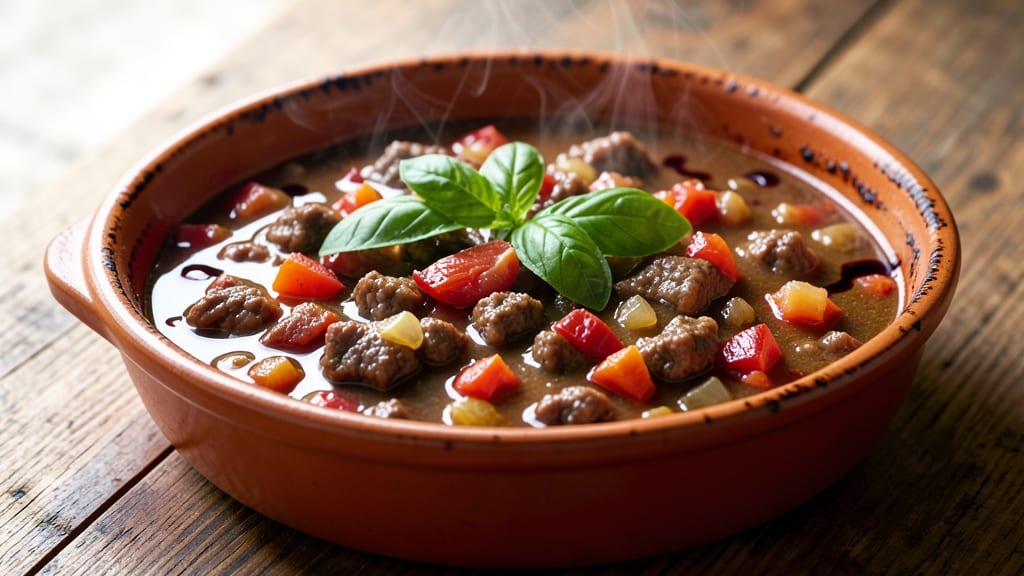
This beef and pork bolognese sauce delivers restaurant-quality umami depth with tender meat threads that pull apart effortlessly. The secret lies in slow-simmering ground beef and pork with tomatoes, wine, and aromatic vegetables until the flavors meld into a rich, velvety sauce.
I developed this version after years of perfecting the balance between meaty richness and bright acidity—no bland aftertaste here.
The technique is straightforward but requires patience: browning the meat first builds deep flavor, while degreasing the pan keeps the sauce from becoming greasy. A splash of red wine deglazes the pan and adds complexity, while canned tomatoes provide acidity to cut through the richness.
The result? A sauce so flavorful it elevates any dish without needing heavy seasoning.
What makes this sauce exceptional is the way the meat threads remain intact, creating texture in every bite. The slow simmer allows the collagen to break down just enough to create a thick, cohesive sauce while preserving those satisfying meaty strands.
This isn't just a sauce—it's a flavor experience that transforms simple meals into something extraordinary.
Perfect for freezing and reheating, this bolognese keeps its rich texture even after being stored. Whether you're prepping for the week or making a last-minute dinner, this sauce delivers consistent, professional-quality results every time. Let's get cooking—your taste buds will thank you.
Ingredients for beef and pork bolognese sauce
Rich meaty flavors meet bright acidity in this slow-simmered bolognese masterpiece.
| Ingredient | Amount | Notes |
|---|---|---|
| Ground Beef (80% lean) 🥩 | 1 ½ lb | Finely ground for even cooking |
| Ground Pork 🐖 | 1 ½ lb | Finely ground for texture |
| Red Wine 🍷 | 1 cup | Bold dry variety like Cabernet |
| Canned Crushed Tomatoes 🍅 | 2 cups | San Marzano preferred |
| Yellow Onion 🧅 | 1 whole | Finely diced |
| Carrots 🥕 | 2 medium | Peeled and finely diced |
| Celery Stalks 🥬 | 2 whole | Finely diced |
| Garlic Cloves 🧄 | 4 cloves | Minced for depth |
| Tomato Paste 🍅 | 2 tbsp | High quality preferred |
| Beef Broth 💧 | 1 cup | Homemade or quality store-bought |
| Olive Oil 🫒 | 2 tbsp | Extra-virgin for richness |
| Kosher Salt 🧂 | 1 ½ tsp | Diamond Crystal preferred |
| Freshly Ground Black Pepper 🌶️ | 1 tsp | For seasoning |
| Fresh Parsley 🌿 | ¼ cup | Chopped for garnish |
The meat is where this sauce earns its restaurant-quality reputation. Ground chuck for beef and pork shoulder for pork give you that perfect balance of tenderness and meaty threads. Trader Joe's and Whole Foods carry finely ground pork shoulder that works beautifully. If you can't find pre-ground, pulse in a food processor—just don't overdo it. The key is 80% lean beef—any leaner and the sauce gets watery. Look for bright red meat with good marbling at Costco or your local butcher shop. Freshness matters here: if the meat smells funky or has a grayish tint, skip it.
No red wine? Dry white wine or beef broth with a splash of balsamic works in a pinch, though the color will be lighter. The crushed tomatoes should be San Marzano if possible—they're sweeter and less acidic, which balances the meaty richness better. No fresh parsley? Dried Italian seasoning at half the amount gives you similar herbs. The tomato paste can be the squeeze tube kind from Trader Joe's—it's perfect for this recipe and lasts forever. If you're using pre-diced onions or carrots from the bagged veggie mix, rinse them first—they're often treated with sulfur dioxide to keep them fresh.
This sauce tastes even better the next day as the flavors meld. Portion into freezer-safe containers with a layer of olive oil on top to preserve freshness. Keeps in the fridge for 5-6 days and freezes beautifully for up to 3 months. I like to freeze it in 1-cup portions—perfect for quick meals. When reheating, add a splash of broth or water to loosen it up. The sauce thickens as it cools, so don't worry if it looks too thick right after making.
Why You'll Love This Recipe
- Wine-Rich Depth: Between us, that splash of red wine does more than just deglaze the pan—it actually transforms the sauce. The acidity cuts through the richness of the beef and pork while the alcohol softens into a velvety backbone. Honestly, I’ve tried skipping it, and the difference is night and day.
- One-Pot Magic: Minimal chopping required. You’re basically browning meat, stirring in a can of tomatoes, and letting time do the work. The onions caramelize right in the same pot, so no extra pans, no extra cleanup. That’s how you cook when you’ve got better things to do than stand at the stove for hours.
- Leftovers That Shine: This sauce tastes better the next day—yes, really. The flavors meld into something deeper, and it reheats like a dream. I make a double batch on Sundays, freeze half, and still have a week’s worth of easy lunches. Zero guilt, all satisfaction.
- Budget-Friendly Luxury: Ground beef and pork stretch further than you’d think, especially when combined, and a can of crushed tomatoes lasts forever. Red wine? You don’t need the fancy stuff—just something drinkable. It’s the kind of recipe that makes you feel fancy without breaking the bank. (Yes, even on a Tuesday night.)
Step-by-step instructions for beef and pork bolognese sauce
Here's how to create rich, slow-simmered bolognese with perfect meat threads and deep umami flavor.
Build the Sofritto Base
Heat the 2 tablespoons olive oil in a large, heavy-bottomed pot over medium heat. Add the finely diced yellow onion, peeled and finely diced carrots, and finely diced celery stalks. Cook for 8-10 minutes until the vegetables soften and begin to caramelize slightly, releasing their natural sweetness. This is your sofritto - the aromatic foundation of any great bolognese.
Add the 4 minced garlic cloves and cook for another 30 seconds until fragrant. Be careful not to let the garlic brown - it should just perfume the vegetables. This step develops the complex flavors that will carry through your entire sauce. I like to stir frequently to prevent any burning, which would make the sauce bitter.
Brown the Meat Mixture
Push the vegetables to one side of the pot and add the 1.5 pounds ground beef (80% lean) and 1.5 pounds ground pork to the empty space. Break up the meat with a wooden spoon and cook over medium-high heat for 5-7 minutes until the meat loses its raw color and begins to brown deeply. This browning creates the Maillard reaction, which builds incredible depth of flavor.
Once the meat is well browned, use a wooden spoon to break it into small, pea-sized pieces. Then stir everything together and cook for another 3-4 minutes until the meat is completely cooked through. The mixture should be quite dry at this point - this ensures your sauce will develop proper texture rather than becoming watery.
Deglaze and Simmer the Sauce
Pour in the 1 cup red wine and scrape up all the browned bits from the bottom of the pot with a wooden spoon. Let the wine simmer for 3-4 minutes until it reduces by about half. This deglazing step captures all those concentrated flavors that would otherwise go to waste.
Add the 2 tablespoons tomato paste and stir to combine completely. Then pour in the 2 cups canned crushed tomatoes and 1 cup beef broth. Stir well, then add the 1.5 teaspoons kosher salt and 1 teaspoon freshly ground black pepper. Bring the mixture to a gentle simmer over low heat - you're looking for small bubbles that break occasionally at the surface.
Slow Cook Until Rich and Tender
Reduce the heat to maintain that gentle simmer and cover the pot partially with a lid. Let the bolognese cook for 1 hour 30 minutes to 2 hours, stirring occasionally. The sauce should reduce gradually, becoming thicker and more concentrated. This slow cooking process is crucial - it allows all the flavors to meld together and the meat to become tender with visible threads.
Check the sauce periodically and add 1-2 tablespoons of water if it becomes too thick. You want it to coat the back of a spoon but still be saucy enough to cling to pasta. The sauce is ready when the meat is completely tender and the flavors are deeply developed. I like to test a spoonful - it should be rich, slightly thick, and packed with meaty texture.
Finish and Garnish
Remove the pot from heat and let the sauce rest for 10 minutes. This resting period allows the flavors to settle and the sauce to thicken slightly. Stir in the 0.25 cup chopped fresh parsley just before serving to add a bright, fresh finish that cuts through the richness.
Taste and adjust seasoning if needed - you may need a touch more salt or pepper depending on your preferences. The sauce should be balanced with bright acidity from the tomatoes, deep umami from the meat and wine, and just the right amount of saltiness. Serve immediately over fresh pasta with grated Parmesan cheese for the ultimate bolognese experience.
Pro Tips For Making Beef And Pork Bolognese Sauce
- CRANK THE HEAT FIRST: Get that pan screaming hot before adding the onions—no, seriously, walk away and let it rip for a full minute. I used to rush this, and my onions would sweat instead of caramelize, turning the whole sauce into a sad, watery mess. The pork and beef need that initial sear to lock in flavor, and a cold pan just won’t cut it.
- DON’T SKIP THE PORK FAT: That ground pork’s fat isn’t the enemy—it’s the sauce’s best friend. Don’t drain it; let it render into the pan while you brown the beef. I learned this the hard way after a batch turned out dry and mealy. The fat keeps everything moist and adds richness that crushed tomatoes alone can’t match.
- DEGLAZE WITH WINE, THEN WAIT: Pour in that red wine right after browning the meat, but don’t stir immediately—give it 30 seconds to sizzle and cook off the alcohol. I was skeptical until I tried it; now, it’s the thing that makes the sauce taste deeper and more complex. Just don’t rush the process or you’ll end up with a boozy, underdeveloped base.
- STIR IN TOMATOES LATE: Hold off on adding the crushed tomatoes until the meat’s fully browned and the wine’s mostly evaporated. I used to toss them in early, and the acid would turn the beef rubbery. Adding them later lets the flavors meld properly, giving you a sauce that’s rich, not sour. Patience here makes a real difference.
Make-ahead tips for leftovers
Prep Ahead Strategy
Start by browning the meat and building your sofritto base the night before—this develops deep flavors while you sleep. Store the partially cooked mixture in an airtight container in the fridge.
When ready to finish, simply add the wine, tomatoes, and broth, then simmer for 1-1.5 hours until thickened. This cuts your active cooking time in half while maximizing flavor development. 💡
Freezer-Friendly Portions
Freeze the completed sauce in 1-cup portions using silicone molds or ice cube trays for perfect single-serving sizes. Once frozen, transfer to freezer bags with all air removed. When reheating, thaw overnight in the fridge, then warm gently on the stove with 1-2 tbsp water or broth to restore texture.
I always keep a stash of these in my freezer for busy weeknights.
Weeknight Shortcut
For a faster version, brown the meat and sauté the vegetables as directed, then store everything in the fridge. The next day, simply add all remaining ingredients and simmer for 2-2.5 hours (covered) until thick.
This maintains the rich flavor profile while saving you 1 hour of active cooking time. The slow simmer still works magic to develop those meaty threads.
Sauce Storage Secrets
Always store your bolognese with a thin layer of olive oil on top to preserve freshness and prevent oxidation. In the fridge, it keeps for 5-6 days in an airtight container. For longer storage, freeze for up to 3 months.
When reheating from frozen, add ¼ cup water or broth per cup of sauce to prevent drying out. The sauce will thicken as it cools, so adjust consistency with extra liquid if needed.
Make-Ahead Mistakes
Avoid these common pitfalls: Don't freeze the sauce immediately after cooking—let it cool completely first to prevent ice crystals. Never reheat directly from frozen in the microwave (it creates a skin). And most importantly, don't skip the resting period after cooking—this crucial step allows flavors to meld properly.
I've made all these mistakes, and trust me, your sauce will thank you for learning from them. 🌟
Batch Cooking Tips
Double the recipe and store in quart-sized freezer containers for easy meal prep. Label each container with the date and contents. When ready to use, simply thaw overnight in the fridge, then reheat on the stove.
For large batches, use a slow cooker on low for 6-8 hours after adding all ingredients—this maintains perfect texture while keeping you hands-free. I typically make 4 quarts at a time during my monthly butchery workshops.
Nutrition facts
Frequently asked questions
Can I substitute ground beef with another meat for this bolognese?
For a richer flavor, try ground lamb (adds earthiness) or Italian sausage (spiced and bold). If you're avoiding pork, chicken thighs work well but need 30 extra minutes of simmering to develop meaty texture. Just remember: leaner meats like turkey can make the sauce dry, so add 2 extra tablespoons of broth if needed.
Why does my bolognese sauce turn out greasy?
Greasy sauce usually means you didn't degrease properly after browning the meat. After cooking the meat, skim off excess fat with a spoon before adding wine. Also, simmer uncovered for the last 15 minutes to let moisture evaporate. For extra insurance, chill the sauce and skim hardened fat from the top before reheating.
How do I make this sauce vegetarian?
Replace the meat with 1.5 lbs mushrooms (cremini or portobello) and 1 cup cooked lentils for texture. Use vegetable broth and add 1 tbsp soy sauce for umami depth. Simmer 30 minutes longer to let flavors meld. The sauce will be heartier but still rich. For extra meaty texture, try hearts of palm or walnuts instead of mushrooms.
Can I make this sauce in an Instant Pot?
Yes! Brown the meat and vegetables as directed, then add all remaining ingredients. Cook on high pressure for 30 minutes, then quick-release. Finish with 15 minutes of simmering on the stove to reduce and thicken. The Instant Pot cuts cooking time by about 1 hour, but you'll lose some of the deep caramelization from slow simmering. For best results, use the sauté function for browning.
What's the best way to serve this bolognese?
This sauce shines over fresh egg noodles or pappardelle pasta—wide noodles hold the rich sauce beautifully. For extra decadence, serve with creamy polenta or garlic bread on the side. It also works perfectly as a stuffing for ravioli or topping for baked potatoes. The key is to use al dente pasta so it doesn't turn mushy when tossed with the sauce.