
Soups & Stews
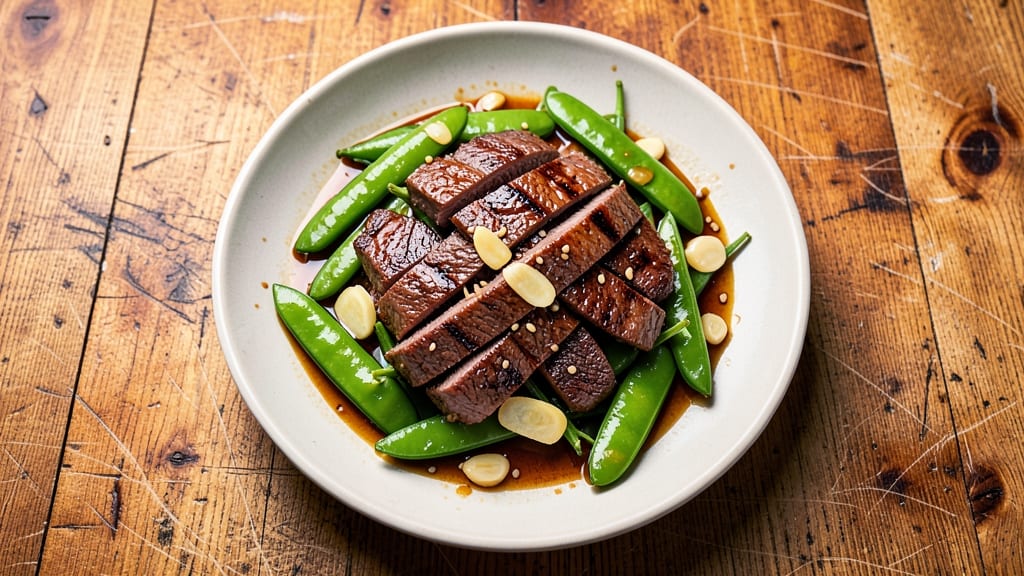
This beef and pea pods stir fry delivers restaurant-quality results with crisp-tender beef and vibrant, sweet pea pods in a bright soy-ginger sauce. The secret lies in high-heat searing and quick stir-frying—just 8 minutes from start to finish—that locks in juiciness while keeping the pea pods crisp.
I developed this recipe after years of perfecting the balance between chewy beef and tender vegetables, ensuring every bite is packed with umami and freshness.
What sets this dish apart is the soy-ginger marinade, which tenderizes the beef while infusing it with aromatic depth. The pea pods add a delicate crunch and natural sweetness that pairs beautifully with the savory sauce.
Unlike many stir-fries that rely on heavy sauces, this version uses a light, glossy glaze that clings to the beef without overwhelming the dish.
By the time you plate it, you’ll have golden-brown beef slices with perfectly seared edges, surrounded by bright green pea pods that stay crisp-tender. The sauce—sweet, tangy, and slightly spicy—ties everything together, creating a dish that’s both elegant and effortless.
Serve it over steamed jasmine rice or noodles for the full experience.
This recipe is designed for weeknight dinners but feels special enough for guests. The technique is straightforward, but the results are undeniably impressive. Let’s get cooking!
Ingredients for beef and pea pods stir fry
Restaurant-quality stir-fry ingredients that transform simple beef and pea pods into a vibrant, umami-packed dish.
| Ingredient | Amount | Notes |
|---|---|---|
| Flank Steak 🥩 | 1 lb | Thinly sliced against grain |
| Fresh Pea Pods 🌱 | 2 cups | Trimmed, strings removed |
| Low-Sodium Soy Sauce 🥢 | ⅓ cup | For authentic umami depth |
| Ginger Root 🧅 | 2 tbsp | Freshly grated, aromatic |
| Garlic Cloves 🧄 | 4 cloves | Minced, aromatic foundation |
| Sesame Oil 🫒 | 1 tbsp | Toasted, nutty finish |
| Honey 🍯 | 1 tbsp | For subtle sweetness |
| Rice Vinegar 🍶 | 1 ½ tbsp | Bright acidity balance |
| Vegetable Oil 🫒 | 2 tbsp | High smoke point for searing |
| Red Chili Flakes 🌶️ | ½ tsp | Adjust for heat preference |
| Sesame Seeds 🌰 | 1 tbsp | Toasted, garnish finish |
| Diamond Crystal Kosher Salt 🧂 | ½ tsp | Balanced seasoning |
| Freshly Ground Black Pepper 🌶️ | ¼ tsp | Enhances umami depth |
| Jasmine Rice 🍚 | 1 ½ cups | Uncooked, for serving base |
The flank steak is non-negotiable here—its lean yet tender texture becomes melt-in-your-mouth when sliced thinly against the grain. Look for USDA Choice or higher cuts at your butcher or grocery store's meat counter, where they can slice it precisely for you. Whole Foods Market or Trader Joe's often carry pre-sliced versions, but if you're slicing yourself, freeze the meat for 30 minutes first to make it easier. Fresh pea pods should be bright green and crisp, not wilted or yellowing—Whole Foods or local farmers' markets have the best quality. Avoid pre-trimmed pods from grocery store bins, as they often lose their crunch.
No low-sodium soy sauce? Regular soy sauce at half the amount works, but you'll need to reduce the salt later. Fresh ginger and garlic are essential for that aromatic depth—Penzeys Spices sells pre-peeled ginger if you hate grating it. Substituting dried ginger (one-third the amount) is possible, but it lacks the bright punch. The sesame oil should be toasted, not the cheap, rancid-smelling kind—Kadoya or La Tourangelle are reliable brands. For extra heat, swap chili flakes for Sichuan peppercorns (toast and grind first), though they add a numbing tingle alongside heat.
Store prepped beef in an airtight container with a paper towel to absorb moisture—keeps 2 days in the fridge. Pea pods lose crispness fast, so use within 1 day of purchase. The sauce components (soy, ginger, garlic, honey) can be pre-mixed and stored for 5 days in the fridge. For make-ahead convenience, cook the rice in advance and reheat with a splash of water. This stir-fry reheats beautifully—just toss with a teaspoon of oil to maintain crispness. Freeze portions of cooked beef and sauce separately for up to 3 months—reheat gently to avoid drying out.
Why You'll Love This Recipe
- One-Pan Magic: I swear by this recipe when I’m too tired to scrub pots—just sear the flank steak, toss in the pea pods (no shelling!), and let the garlic-ginger sauce do the work. The pea pods stay crisp, the beef stays juicy, and I’m done before the kids even notice dinner’s ready.
- Umami Bomb: That low-sodium soy sauce? It’s the secret weapon here. The beef soaks up just enough salt to be savory without overpowering, while the fresh pea pods add a bright, almost sweet crunch. Honestly, the first time I made it, I ate straight from the pan—no shame.
- Lunchbox Hero: Between us, this is my go-to for meal prep. The flavors hold up for days, and I can serve it cold or reheated over rice (or even in wraps for a quick lunch). My daughter picks out the pea pods first—then asks for seconds anyway.
- Budget Steakhouse: Flank steak is affordable, and a pound goes a long way when sliced thin. Fresh pea pods are cheaper than frozen, and the rest of the ingredients? Pantry staples. I’ve made this for $12 and fed four people—plus leftovers for my lazy mornings. No guilt, all satisfaction.
Step-by-step instructions for beef and pea pods stir fry
Master this wok technique for perfectly tender beef and vibrant pea pods with a bright soy-ginger sauce.
Prepare the Flank Steak for Optimal Tenderness
Slice the 1 lb flank steak thinly against the grain into ¼-inch thick strips. This is crucial for achieving that signature tender bite. I like to cut the strips about 2 inches long—they'll cook quickly and evenly in the wok. Place the sliced beef in a bowl and season immediately with 0.5 tsp Diamond Crystal Kosher Salt and 0.25 tsp Freshly Ground Black Pepper. Let it marinate while you prepare the remaining ingredients—this brief resting time helps the seasoning penetrate slightly.
Here's the thing about flank steak—it's lean and can dry out quickly if overcooked. Slicing against the grain shortens the muscle fibers, making each bite more tender. Don't skip this step; it's what transforms tough cuts into restaurant-quality stir-fry beef.
Blanch the Pea Pods for Vibrant Color and Crisp-Tender Texture
Bring a small pot of water to a rolling boil. Add the 2 cups Fresh Pea Pods and blanch for exactly 1 minute. Immediately drain and plunge into ice water to stop the cooking process. This quick blanching preserves their bright green color and ensures they're crisp-tender rather than mushy when stir-fried later.
Drain well and pat dry with paper towels—moisture in the pea pods will steam rather than sear in the hot wok. I like to give them a final shake in the colander to remove any excess water droplets. These blanched pea pods will cook just enough in the stir-fry to become tender-crisp with a satisfying snap.
Build the Flavor Base with Aromatics and Sauce Components
Heat 2 tbsp Vegetable Oil in a large wok or skillet over high heat until shimmering. Add the 4 cloves Garlic Cloves and 2 tbsp Ginger Root, stirring constantly for 20-30 seconds until fragrant but not browned. This quick cooking releases their aromatic oils without burning them.
Pour in the 0.33 cup Low-Sodium Soy Sauce, 1.5 tbsp Rice Vinegar, 1 tbsp Honey, and 0.5 tsp Red Chili Flakes. Stir vigorously to combine these sauce components into a smooth mixture. The vinegar will brighten the flavors while the honey adds subtle sweetness that balances the soy's saltiness. Let this mixture simmer for 1 minute while you prepare the remaining ingredients.
Stir-Fry the Beef to Perfect Doneness
Working in batches if needed, add the marinated beef to the wok in a single layer. Stir-fry vigorously for 2-3 minutes until the beef turns light brown and develops a slight crust. The high heat is key here—it seals in juices while creating that desirable caramelization. Don't overcrowd the wok; cook in batches if necessary to maintain the high heat.
Once the beef is nearly cooked, add the blanched pea pods and toss everything together for another 1-2 minutes until the pea pods are heated through and the beef reaches 145°F internal temperature. The pea pods should be bright green with just a hint of tenderness—they'll continue cooking slightly from residual heat.
Finish with Sesame Oil and Garnish for Authentic Flavor
Remove the wok from heat and drizzle in 1 tbsp Sesame Oil. Toss everything together one final time to coat the beef and pea pods with that nutty, toasty aroma. The sesame oil adds depth that regular oil can't match—it's what elevates this from good to exceptional.
Transfer the stir-fry to a serving platter and sprinkle with 1 tbsp toasted Sesame Seeds. Serve immediately over 1.5 cups cooked Jasmine Rice—the hot rice will help distribute the flavorful sauce evenly. Each bite should deliver tender beef, crisp-tender pea pods, and a bright soy-ginger sauce with perfect balance.
Pro Tips For Making Beef And Pea Pods Stir Fry
- SEAR THE STEAK FIRST: Flank steak’s best when it hits the pan before anything else—high heat, 2-3 minutes per side until deeply browned. I learned this the hard way: skipping the sear leaves you with tough, flavorless beef that turns to mush when tossed with pea pods. Let it rest 5 minutes under foil while you prep the rest—it’ll stay juicy when you slice it thin.
- TRIM PEAS LIKE A PRO: Pea pods have a sneaky stringy membrane that turns rubbery when cooked. Run your thumb along the seam to pop it open, then pull it out like you’re removing a zipper. Fresh pods should snap cleanly—if they’re limp, blanch them 30 seconds first to crisp them up. No one likes a mushy pea pod in stir-fry.
- GINGER AND GARLIC: GRATE, DON’T CHOP: Those cloves and root chunks? They’ll sit like dull rocks if you just dice them. Use a microplane or fine grater to turn ginger and garlic into a paste—it dissolves into the sauce instead of hiding in your teeth. A teaspoon of each is plenty; too much will overpower the beef’s natural flavor.
- SALT THE PEAS MID-COOK: Tossing pea pods into the pan with dry salt? They’ll wilt into sad, salty puddles. Instead, add a pinch of salt after they’ve cooked 2 minutes—just enough to highlight their sweetness. The high heat does the work; salt at the end keeps them crisp-tender. (Yes, even if you’re impatient like me.)
Flavor customization for this dish
Sweet and Tangy Twist
Swap the rice vinegar for 1.5 tbsp lime juice and add 1 tbsp fish sauce to the sauce base for a Southeast Asian-inspired flavor. This bright, citrusy version works beautifully with Thai basil or cilantro as a garnish.
I find this variation especially refreshing when paired with jasmine rice and a squeeze of lime at the table. 💛
Spicy Chili-Lime Kick
Boost the heat by doubling the red chili flakes to 1 tsp and adding 1 tbsp lime zest to the sauce. For extra depth, stir in 1 tsp sambal oelek after removing from heat.
This fiery version pairs perfectly with cooling yogurt sauce for dipping—just mix ¼ cup Greek yogurt with 1 tsp honey and ½ tsp cumin. The contrast is pure magic. 🌶️
Umami Bomb with Mushrooms
Add 1 cup sliced shiitake mushrooms (stems removed) to the wok alongside the pea pods. Their earthy depth complements the beef beautifully. For extra umami, stir 1 tsp miso paste into the sauce base before adding the beef.
This variation feels heartier and works well with wheat noodles instead of rice. 🍄
Honey-Garlic Glaze
Replace the ginger with 3 tbsp minced garlic and increase the honey to 2 tbsp. Add 1 tsp cornstarch to thicken the sauce slightly for a glossy finish.
This richer version pairs wonderfully with steamed bok choy on the side. The caramelized garlic adds a sweet, savory depth that's hard to resist. 🍯
Herb-Infused Freshness
Finish the dish with a handful of fresh Thai basil leaves or mint instead of sesame seeds. For extra herbaceousness, chop 2 tbsp cilantro and 1 tbsp green onions into the sauce while it simmers.
This vibrant variation feels lighter and works perfectly for summer dinners. The fresh herbs add a bright, aromatic finish. 🌿
Smoky BBQ Fusion
Replace the soy sauce with ½ cup BBQ sauce (I like Sweet Baby Ray's) and add ½ tsp smoked paprika to the sauce. This unexpected twist delivers a sweet, smoky flavor that still keeps the dish balanced. Serve with cornbread for a Southern-inspired meal that surprises and delights. 🔥
Nutrition facts
Frequently asked questions
Why do you blanch the pea pods before stir-frying?
Blanching preserves their bright green color and ensures crisp-tender texture. The 1-minute boil followed by ice bath stops cooking instantly, preventing mushiness while keeping them vibrant. This technique is key for maintaining that satisfying snap in every bite.
Can I substitute flank steak with another cut?
Yes! Try sirloin or ribeye (thinly sliced) for similar tenderness. Skip flank steak? Chuck roast works but needs longer marinating (4+ hours) to tenderize. Always slice against the grain for optimal texture.
How do I prevent the beef from drying out?
High heat is your friend—sear beef in 2-3 minutes max to lock in juices. Avoid overcrowding the wok and use a meat thermometer to check 145°F internal temp. Rest beef 5 minutes before serving to redistribute juices.
What's the best rice to serve with this?
Jasmine rice is ideal—its floral aroma complements the soy-ginger sauce beautifully. For extra texture, try brown rice or forbidden black rice. Pro tip: Cook rice with 1 tsp sesame oil for nutty depth that mirrors the stir-fry.
Can I make this ahead of time?
Cooked beef and sauce keep 2 days refrigerated. Reheat gently with a splash of water to maintain moisture. Pea pods lose crispness when reheated—best served fresh. For make-ahead convenience, prep sauce and marinate beef separately, then assemble just before cooking.